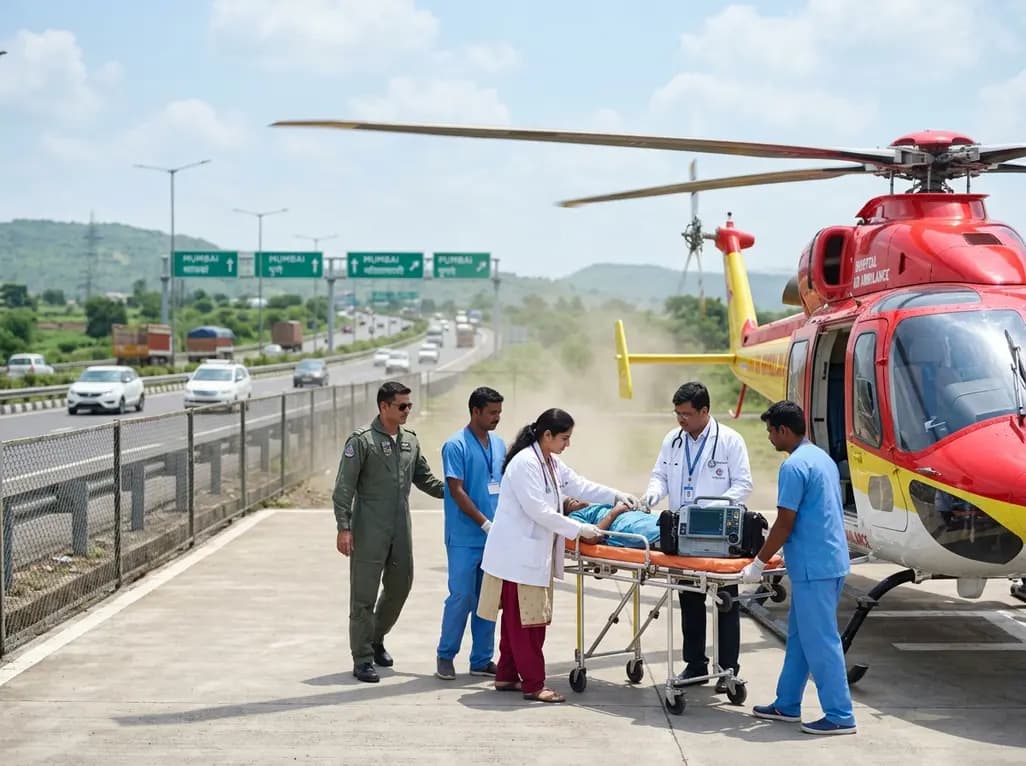
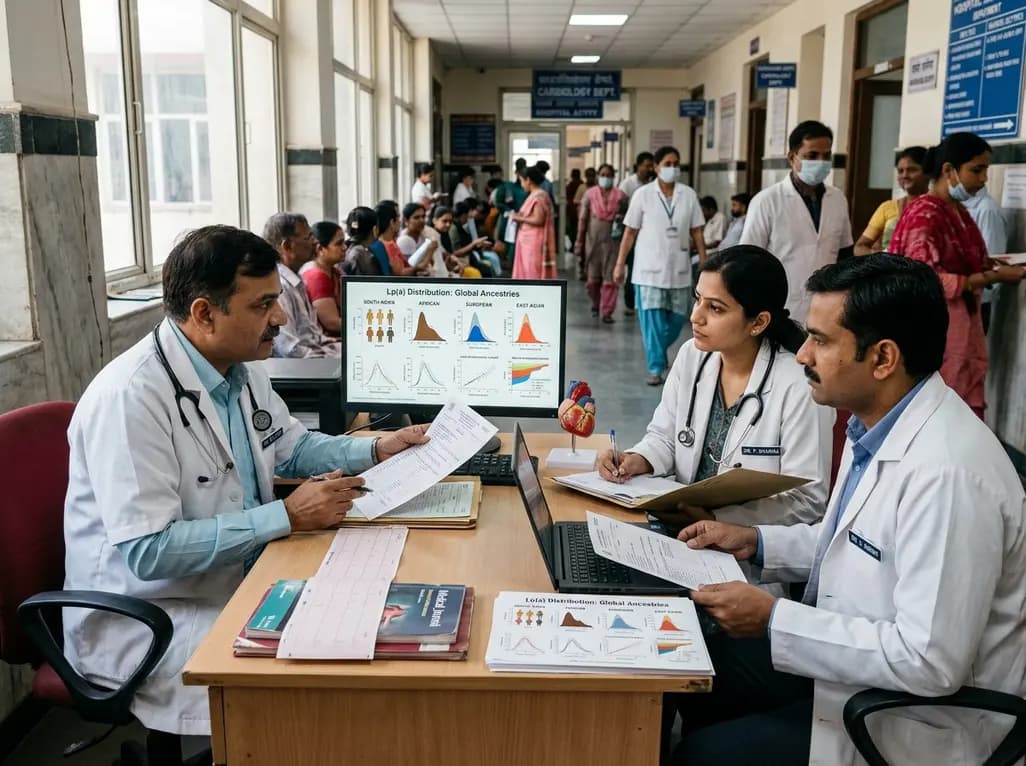
The healthcare landscape in Northern India recently witnessed a historic upgrade. Prime Minister Narendra Modi inaugurated two state-of-the-art facilities at the PGIMER in Chandigarh. Union Health Minister JP Nadda subsequently reviewed these
PGIMER healthcare facilities. This major expansion promises to revolutionize tertiary care, medical education, and patient services across several states.
The Landmark Inauguration of PGIMER Healthcare Facilities
On July 17, 2026, Prime Minister Narendra Modi dedicated these projects to the nation. Consequently, the region's medical capacity has received a significant boost. These state-of-the-art facilities represent a combined investment of nearly 1,200 crore rupees. Therefore, patients across Punjab, Haryana, Himachal Pradesh, and Jammu and Kashmir will benefit. Union Health Minister JP Nadda visited the campus to assess this newly developed infrastructure. Moreover, Union Health Secretary Punya Salila Srivastava and PGIMER Director Prof Vivek Lal accompanied him. The delegation scrutinized the modern equipment and clinical spaces. Specifically, Nadda lauded the tireless efforts of the PGIMER engineers and administrative staff. He emphasized that the government remains deeply committed to expanding tertiary healthcare. Furthermore, these investments will help minimize regional disparities in advanced clinical access. The administrative team expressed gratitude for this historic funding. Indeed, this expansion represents one of the largest single-day additions to PGIMER's clinical capacity. Through this initiative, the government aims to establish a model for national healthcare development. Ultimately, these upgraded facilities will bridge critical gaps in regional healthcare delivery.
Advanced Mother and Child Centre Features
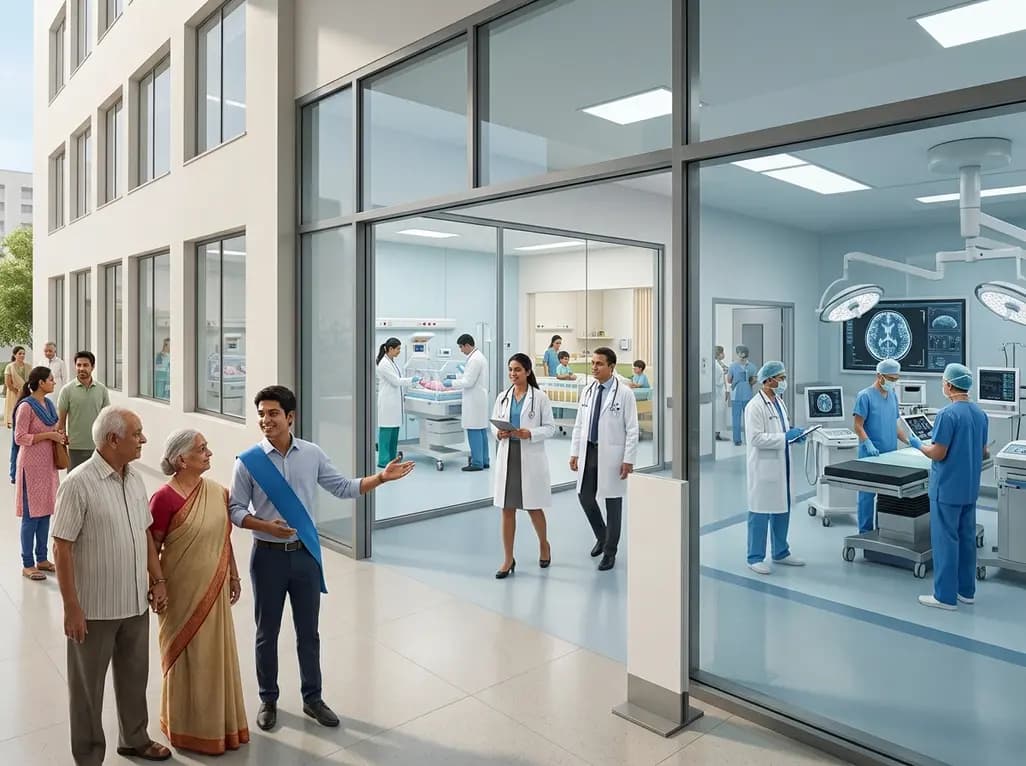
The newly inaugurated Advanced Mother and Child Centre is a major pillar of this expansion. Specifically, this five-story facility houses 430 beds dedicated to maternal and pediatric services. It represents a total expenditure of approximately 485 crore rupees. In addition, the centre integrates reproductive, neonatal, and pediatric healthcare under one roof. Consequently, complex obstetric cases will receive immediate multidisciplinary attention. For instance, the facility features highly advanced neonatal intensive care units. These specialized units will significantly reduce infant mortality rates in Northern India. Furthermore, global corporate partners like Infosys donated advanced medical equipment worth 150 crore rupees. This sophisticated technology will support clinical research and critical care. However, the administrative team took great care to ensure affordability. Thus, patients can access these elite services under the Ayushman Bharat scheme. Director Prof Vivek Lal highlighted that compassion remains their core guiding principle. As a result, the medical staff will focus on providing empathetic, high-quality care to mothers and children. Indeed, the AMCC will establish new benchmarks in comprehensive reproductive healthcare.
Advanced Neurosciences Centre Capabilities
The Advanced Neurosciences Centre addresses the surging demand for specialized neurological treatment in India. Specifically, this six-story building boasts a capacity of 300 beds. The project cost approximately 490 crore rupees and covers over 47,000 square meters. Therefore, this center represents a giant leap from PGIMER's modest neurological beginnings in 1967. Back then, the neurology department operated with only 50 combined beds. Today, the new facility features state-of-the-art diagnostic technology and modular operating theaters. Additionally, it offers advanced intensive care units and streamlined emergency response systems. Consequently, patients suffering from complex strokes, brain tumors, and spinal disorders will receive rapid intervention. Meanwhile, dedicated neurology and neurosurgery outpatient departments have already begun phased operations. This partial rollout helped the administrative staff fine-tune workflow logistics prior to the official inauguration. Furthermore, the facility includes multi-level basement parking to minimize campus congestion. Ultimately, the ANC will integrate clinical excellence, advanced medical education, and cutting-edge neuroscience research. Indeed, it will serve as a premier referral hub for complex neurological conditions across the nation.
Project SARATHI and Patient Navigation
During his visit, Minister JP Nadda strongly commended the volunteers of Project SARATHI. This program stands for Students' Alliance for Responsible Action to Transform Healthcare Institutes. Specifically, this volunteer-driven initiative assists patients and their attendants in navigating the complex hospital environment. Since its inception in May 2024, the project has successfully supported over nine lakh individuals. Therefore, it has significantly reduced waiting times and enhanced overall patient satisfaction. Initially, the project engaged National Service Scheme student volunteers from local educational institutions. However, the PGIMER administration recently opened the initiative to common citizens as well. This expansion brings much-needed relief to thousands of daily visitors. Moreover, the program eases the non-clinical workload of busy medical staff. Consequently, doctors and nurses can focus exclusively on clinical duties. Nadda described the initiative as an outstanding example of active youth participation in public health. Indeed, the program offers a highly sustainable, low-cost model for other healthcare systems. For instance, over 1,400 hospitals across multiple states have already adopted this successful patient navigation framework.
National Health Policy and Future Healthcare Vision
Addressing the inaugural event, JP Nadda highlighted the rapid transformation of India's health sector under Prime Minister Modi. Specifically, he praised the National Health Policy 2017 as a landmark paradigm shift. This policy officially shifted public healthcare toward a comprehensive and preventive medical model. Consequently, public programs now emphasize disease prevention, health promotion, and rehabilitation. Furthermore, the framework integrates palliative care and geriatric services to support an aging population. Alongside the new centers, PM Modi laid the foundation stone for a 150-bed Critical Care Hospital Block. This project falls under the PM Ayushman Bharat Health Infrastructure Mission. Therefore, it will prepare the region to manage future public health emergencies effectively. Additionally, these expansions represent a total investment of over 4,700 crore rupees across various local projects. This massive financial support reflects the government's strong commitment to public welfare. Ultimately, these clinical and structural upgrades will reduce the financial burden on vulnerable families. Indeed, India is building an inclusive, resilient healthcare model for the entire world to emulate.
Frequently Asked Questions
Q1: What are the primary objectives of the newly inaugurated Advanced Mother and Child Centre at PGIMER Chandigarh?
The Advanced Mother and Child Centre aims to strengthen comprehensive reproductive, maternal, neonatal, and pediatric healthcare services in Northern India. This modern five-story facility houses 430 beds and incorporates advanced clinical technologies. Consequently, the centre will manage high-risk pregnancies, offer intensive neonatal care, and foster pediatric clinical research. Additionally, these services will remain highly affordable, enabling lower-income families to access world-class maternal healthcare under the Ayushman Bharat insurance scheme.
Q2: How does the Advanced Neurosciences Centre improve tertiary patient care and research at the institute?
The Advanced Neurosciences Centre significantly increases the hospital's capacity with 300 dedicated neurological beds and state-of-the-art diagnostic facilities. Specifically, the center features modular operating theaters, advanced neuro-intensive care units, and rapid-response emergency services. These resources will enable clinicians to treat complex neurological conditions, including acute strokes and brain tumors, more effectively. Furthermore, the facility integrates medical education and advanced research, serving as a key academic hub for neurosciences in India.
Q3: What is Project SARATHI, and how does it support patient care at PGIMER Chandigarh?
Project SARATHI is a unique, volunteer-driven patient navigation initiative launched at PGIMER Chandigarh in May 2024. The program coordinates student volunteers and local citizens to guide patients and their attendants through the hospital's complex departments. Therefore, this initiative reduces patient waiting times, minimizes administrative confusion, and elevates the overall patient experience. By handling non-clinical navigation tasks, the volunteers also alleviate the heavy workload on active medical and nursing staff.
Disclaimer: This content is for informational and educational purposes only. It does not constitute medical advice or replace professional judgment. Refer to the latest local and national guidelines for clinical practice.
References
- Nadda reviews newly inaugurated healthcare facilities at PGIMER, lauds SARATHIvolunteers for patient-centric service - ETHealthworld
- PGIMER Showcases Transformational Healthcare Expansion Ahead of Hon'ble Prime Minister's Visit - :: India News Calling ::
- PM Modi to virtually inaugurate 3 major healthcare projects at PGI Chandigarh - Medical Dialogues
.webp&w=384&q=75)