.webp&w=384&q=75)

Loading, please wait...
Loading, please wait...
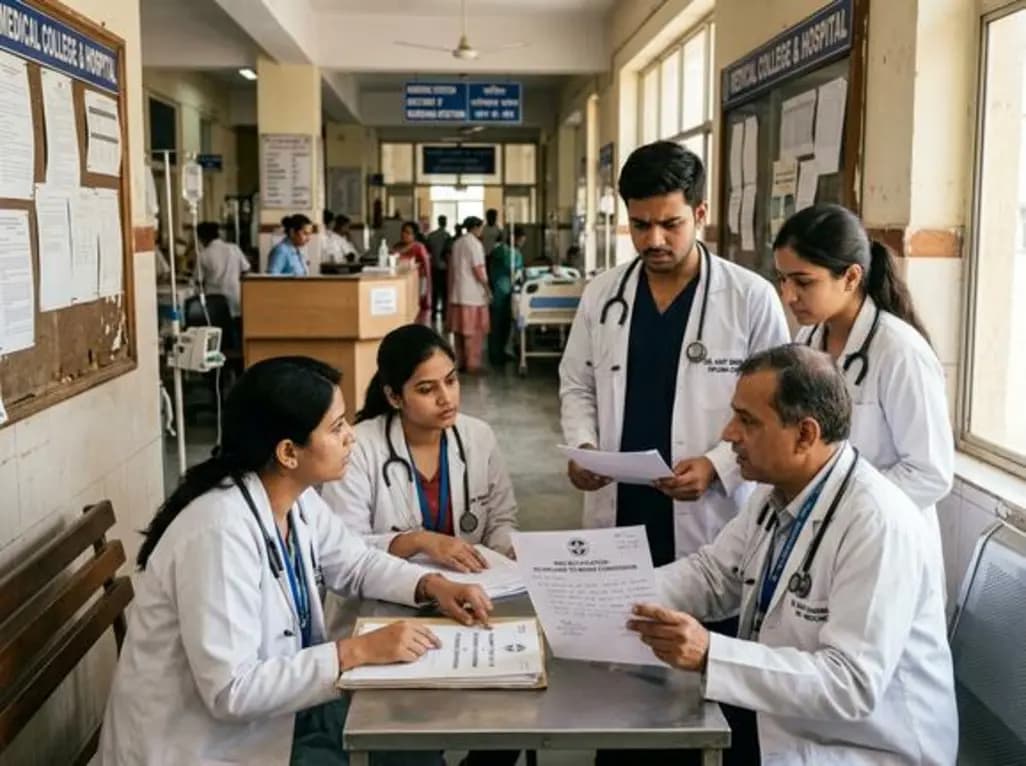
The National Medical Commission (NMC) has issued a significant directive concerning postgraduate medical education in India. Consequently, the Academic Year 2026-27 will be the last for admissions to Post Graduate Diploma courses. Importantly, no new admissions will be permitted to PG Diploma courses from the Academic Year 2027-28 onwards. This initiative signals a complete shift towards degree-based specialist training, ensuring a standardized approach nationwide. The move to convert PG Diploma to MD/MS seats aims to enhance the quality and recognition of specialist training across all medical colleges and institutions under the NMC.
All medical colleges and institutions currently offering PG Diploma courses must now prepare for a mandatory conversion. Therefore, institutions intending to convert their existing PG Diploma courses to corresponding Post Graduate Broad Specialty Degree (MD/MS) courses must submit applications. These applications will go to the Medical Assessment and Rating Board (MARB) through a dedicated online portal. This portal is set to become operational soon, providing a streamlined application process.
The NMC's Postgraduate Medical Education Board (PGMEB) previously highlighted this impending change in a Public Notice dated June 19, 2026. This notice requested all medical colleges and institutions to submit their applications for converting PG Diploma seats to MD/MS degrees. Moreover, detailed instructions regarding the application process, along with specific timelines, will be released separately by MARB. Hence, institutions should regularly check for updates from the NMC and MARB.
This progressive decision stems from the Post-Graduate Medical Education Regulations, 2023 (PGMER-2023). This regulation already permitted medical colleges to apply for converting diploma seats to degree seats. Furthermore, the regulation explicitly stated that no new applications would be entertained for starting or increasing diploma seats. The Commission has observed that many institutions already possess the necessary infrastructure, faculty, and clinical resources. Therefore, converting existing diploma courses to degree courses is a logical step.
The primary objectives behind this sweeping reform are multi-faceted. Firstly, it aims to standardize postgraduate medical education across India. Secondly, it seeks to enhance the quality and recognition of specialist training. Thirdly, this move aligns postgraduate qualifications with contemporary educational standards. Lastly, it optimizes the utilization of existing institutional capacity. Consequently, the Medical Assessment and Rating Board (MARB) will grant permission for conversion, contingent upon the fulfillment of specific requirements and standards set by the NMC.
Disclaimer: This content is for informational and educational purposes only. It is not intended to be a substitute for professional medical advice, diagnosis, or treatment. Always seek the advice of your physician or other qualified health provider with any questions you may have regarding a medical condition. Refer to the latest local and national guidelines for clinical practice.
References

Read summarized clinical updates, watch expert medical content, and earn CME certifications right from your smartphone.
Open your smartphone camera to scan and install.





The National Medical Commission (NMC) has announced a significant policy shift: the phasing out of Post Graduate Diploma courses. From the Academic Year 2027-28, all existing PG Diploma seats will convert to Post Graduate Broad Specialty Degree (MD/MS) seats. This impacts all medical colleges and institutions under NMC.
4 months ago
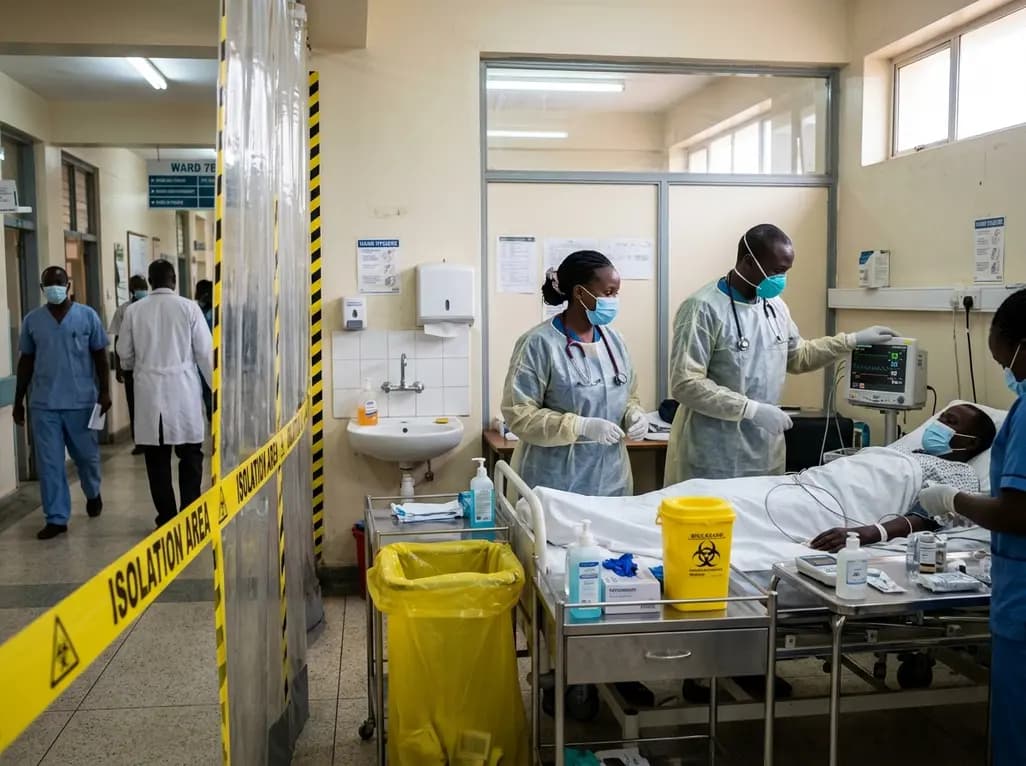
Kenya's confirmation of its eighth Ebola infection highlights the acute risk of secondary transmission in hospital environments. Clinicians must maintain high vigilance, enforce strict infection prevention protocols, and implement rapid triage mechanisms for viral hemorrhagic fevers across healthcare settings.
3 days back
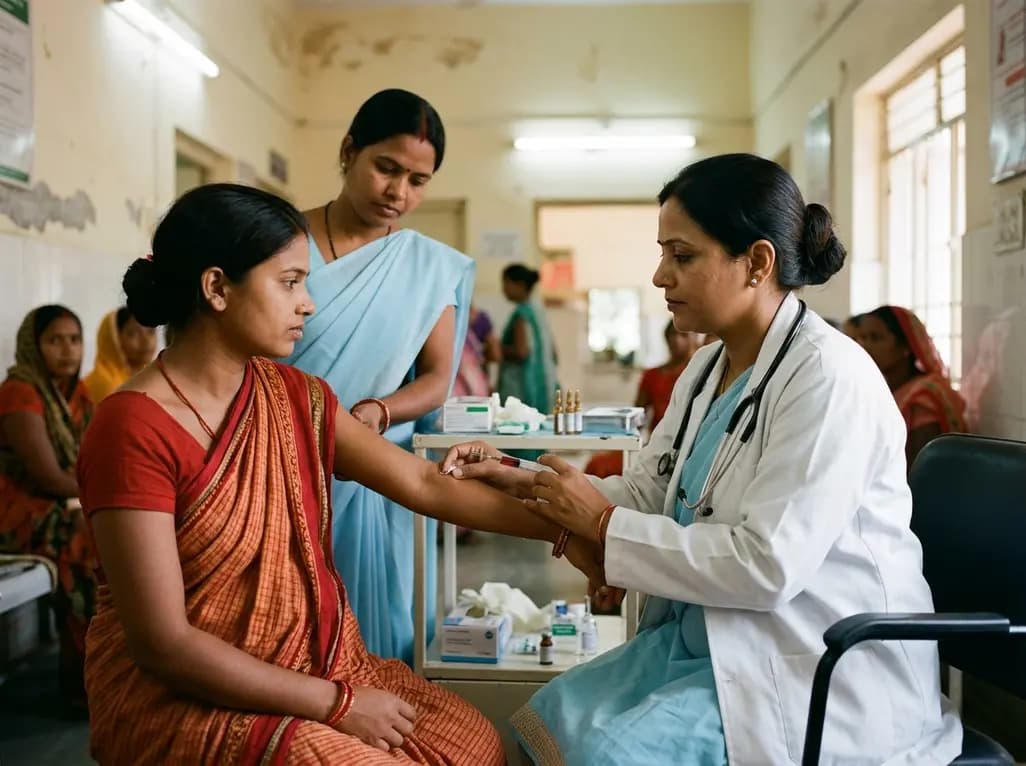
Maternal anaemia contributes to nearly half of pregnancy-related fatalities across India. To prevent complications, Uttar Pradesh has added single-dose parenteral iron to its essential medicines list. This clinical transition aims to restore haemoglobin rapidly and protect high-risk mothers across rural facilities.
Last week
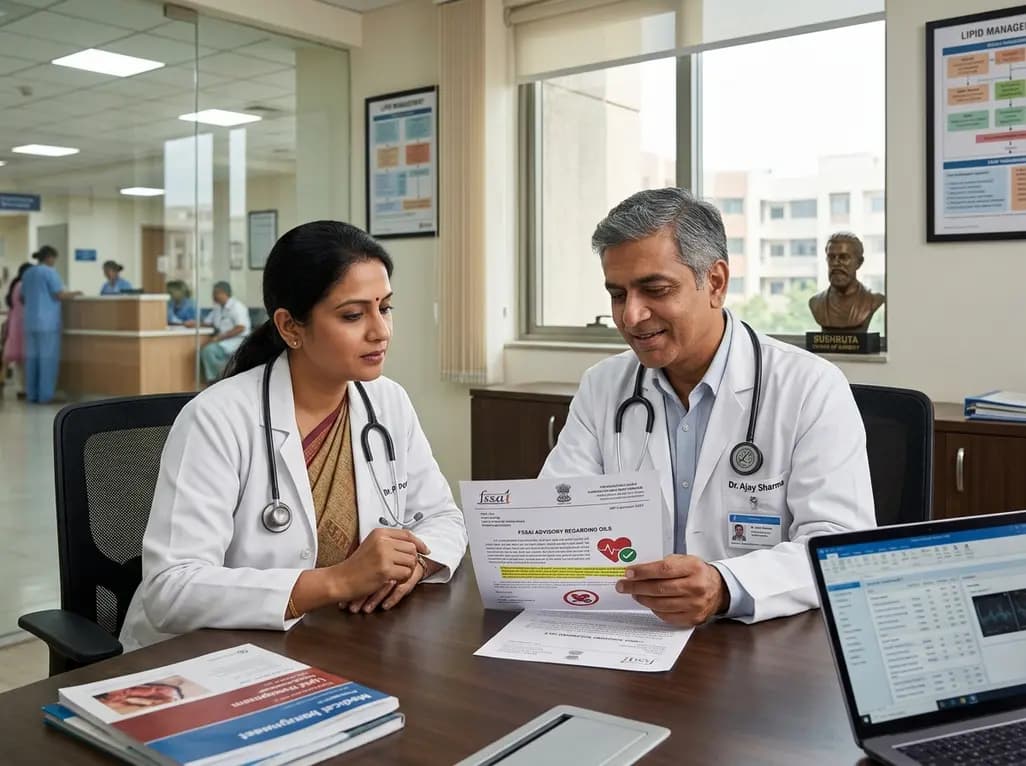
India's food safety authority FSSAI has issued show-cause notices to Gemini Edibles, BigBasket, and Flipkart for unpermitted cardiovascular claims regarding Freedom Rice Bran Oil. This regulatory move highlights the strict enforcement of advertising standards and the clinical necessity of evidence-based lipid care.
5 days back
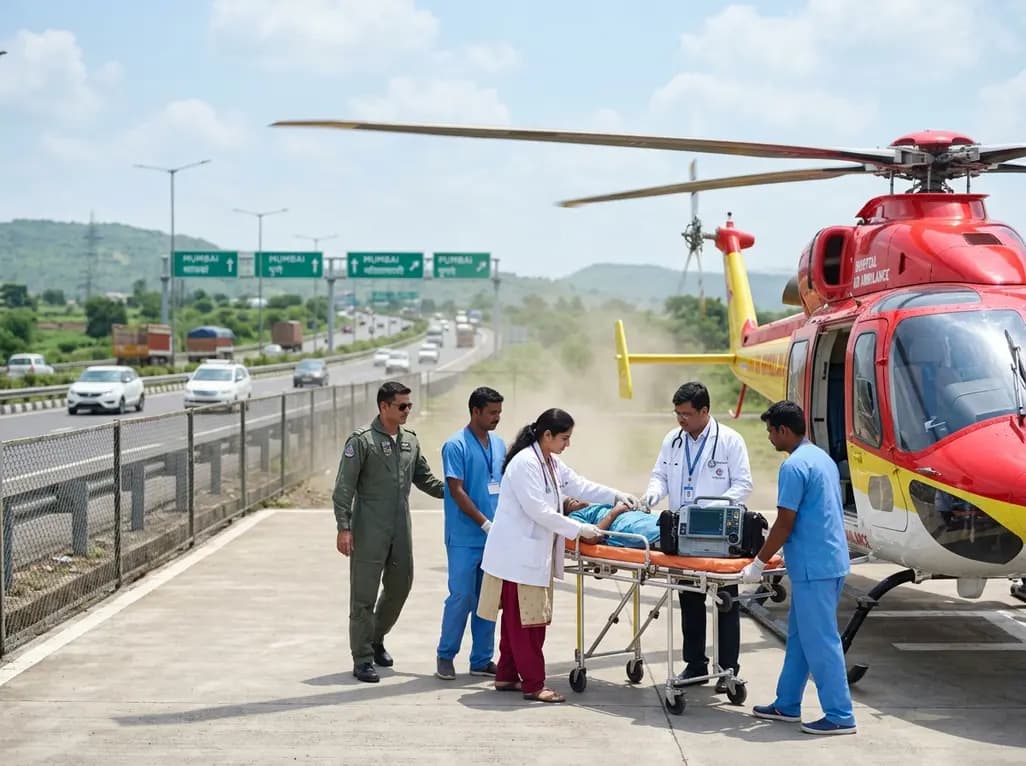
The state government is deploying helicopter emergency medical services across the Mumbai-Pune Expressway, Samruddhi Mahamarg, and Mumbai-Goa Highway. This initiative establishes unified standard operating procedures to enable rapid triage, advanced prehospital resuscitation, and seamless trauma care transfers.
Last week
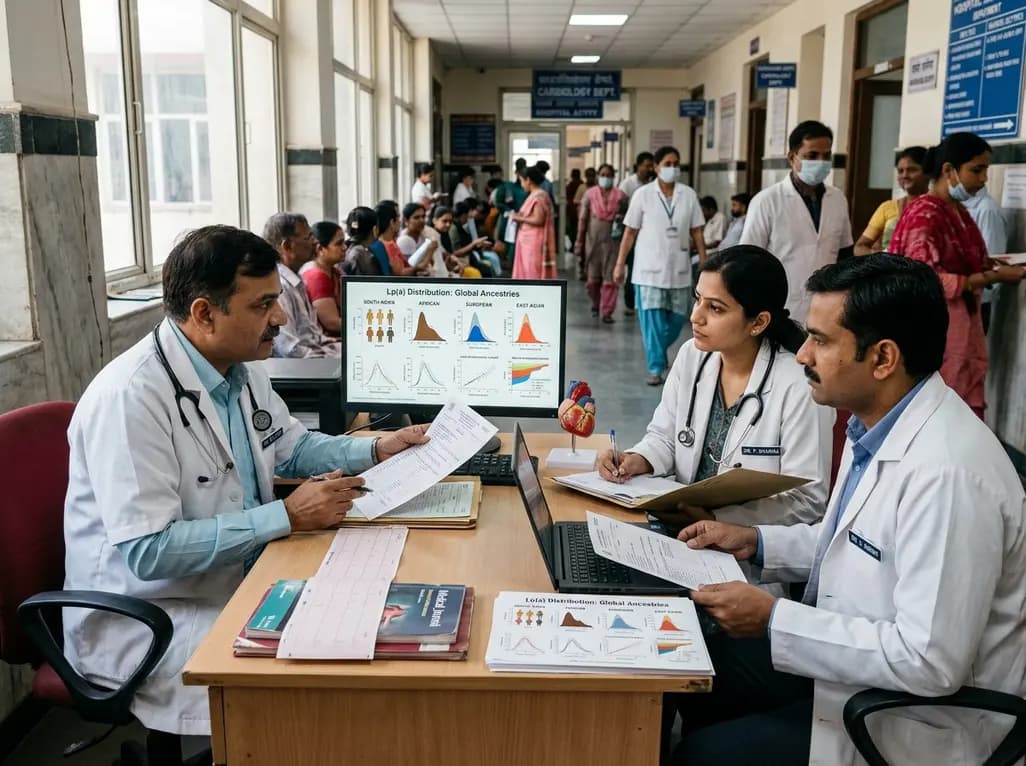
Atherosclerotic cardiovascular disease guidelines often rely on European-derived lipoprotein(a) cutoffs. However, baseline Lp(a) levels vary widely across ancestries, including South Asians and Africans. Clinicians must interpret Lp(a) values within overall absolute cardiovascular risk.
Last week
