.webp&w=384&q=75)

Loading, please wait...
Loading, please wait...
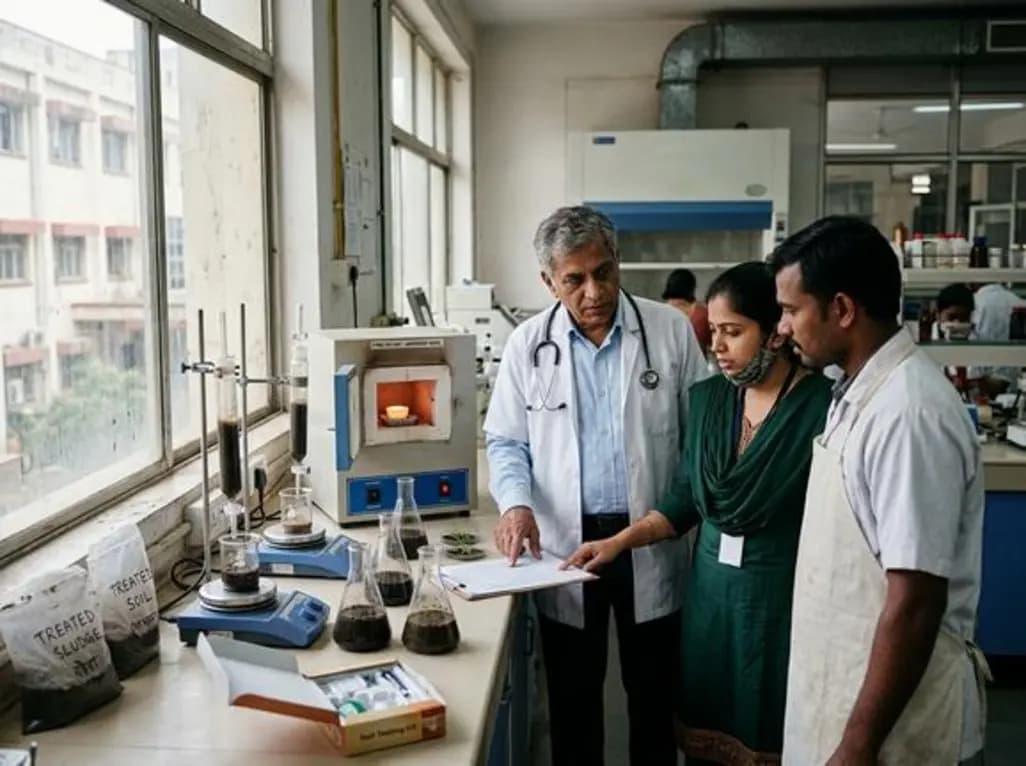
Environmental researchers are increasingly concerned about the persistence of PFAS in sewage sludge, commonly referred to as "forever chemicals." As urban peripheries adopt sewage sludge for farmland nutrient recovery, the risk of these micropollutants entering the human food chain grows. A recent study investigated low-temperature pyrolysis as a potential solution to mitigate these risks. While the process shows promise in reducing bulk concentrations, certain compounds remain alarmingly stable, posing significant challenges for clinical and public health safety.
Slow pyrolysis at approximately 300°C can reduce total PFAS concentrations by up to 85%. This reduction occurs regardless of the initial sludge levels. However, the efficiency of the thermal destruction depends heavily on the functional group and chain length of the specific chemicals. For instance, perfluorooctanesulfonic acid (PFOS) remains highly resistant to heat, with reduction rates as low as 30%. In contrast, perfluorooctanoic acid (PFOA) and other short-chain variants decline by nearly 96%. This discrepancy means that while the bulk volume of contaminants decreases, the most persistent and hazardous species may survive in the resulting biochar.
Clinical professionals must recognize that the presence of PFAS in sewage sludge is not merely an environmental issue but a systemic health threat. These substances are known endocrine disruptors linked to thyroid disease, lipid disorders, and certain malignancies. Furthermore, leaching experiments indicate that PFAS release is highly variable. Acidic soil conditions significantly increase the mobility of PFOA. Consequently, hydrophobic interactions govern how these chemicals move from biochar into the soil and eventually into edible crops. This suggests that the total concentration of PFAS in a fertilizer is a poor predictor of actual environmental risk.
The study concludes that low-temperature pyrolysis alone, without further optimization, may be insufficient to ensure safe agricultural reuse. Although decentralized and centralized sludge types behave similarly after treatment, the continued presence of long-chain compounds remains a concern. Therefore, clinicians and public health experts should advocate for stricter monitoring of biosolids used in agriculture. Addressing the mobility of these contaminants is essential to protect the population from chronic exposure through dietary sources.
PFOS exhibits higher thermal stability due to its specific functional group and strong carbon-fluorine bonds. These bonds require significantly higher temperatures than 300°C for complete destruction, leading to lower reduction rates in low-temperature processes.
Acidic conditions enhance the leaching and mobility of compounds like PFOA from biochar. When these chemicals become mobile, they are more likely to be absorbed by crops, thereby entering the food supply and increasing human exposure risks.
The research indicates that biochar from both types of plants exhibits comparable leaching behavior. Environmental risk is governed more by the mobility of specific contaminants than by the bulk concentration of the original sludge.
Disclaimer: This content is for informational and educational purposes only. It does not constitute professional medical advice, diagnosis, or treatment. Always seek the advice of your physician or other qualified healthcare provider with any questions you may have regarding a medical condition. Refer to the latest local and national guidelines for clinical practice.
References

Read summarized clinical updates, watch expert medical content, and earn CME certifications right from your smartphone.
Open your smartphone camera to scan and install.





Recent research explores low-temperature pyrolysis as a tool to reduce PFAS in sewage sludge. While it lowers total concentrations, stable compounds like PFOS and significant leaching under acidic conditions suggest continued risks for food safety and public health.
3 months ago
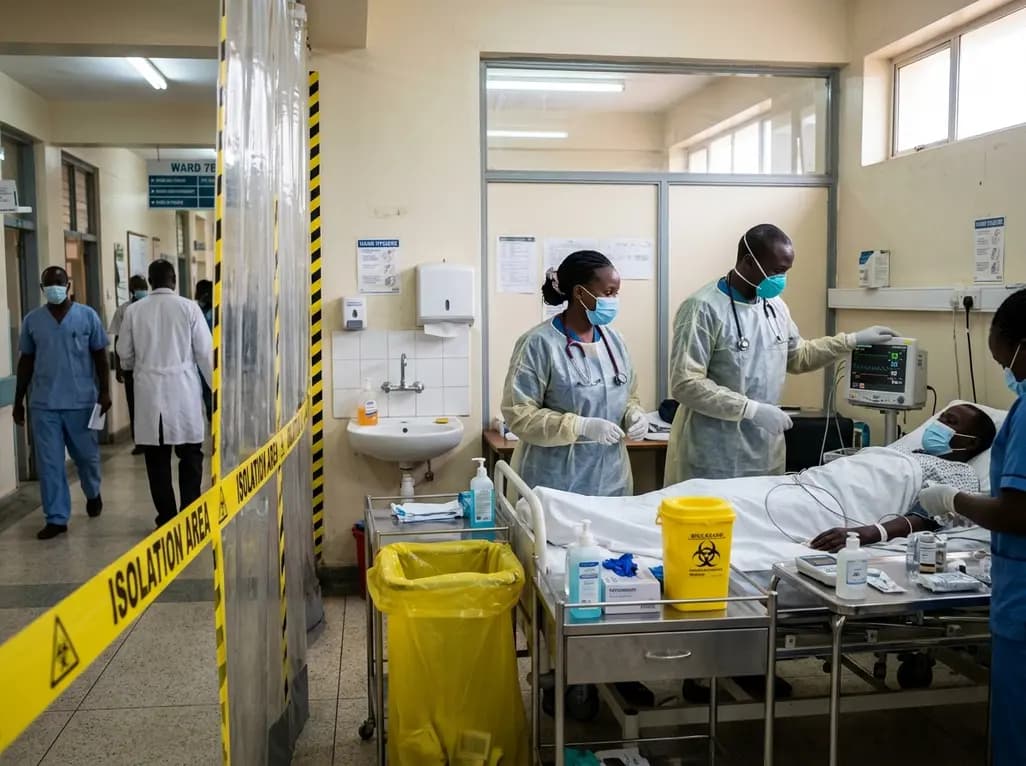
Kenya's confirmation of its eighth Ebola infection highlights the acute risk of secondary transmission in hospital environments. Clinicians must maintain high vigilance, enforce strict infection prevention protocols, and implement rapid triage mechanisms for viral hemorrhagic fevers across healthcare settings.
3 days back
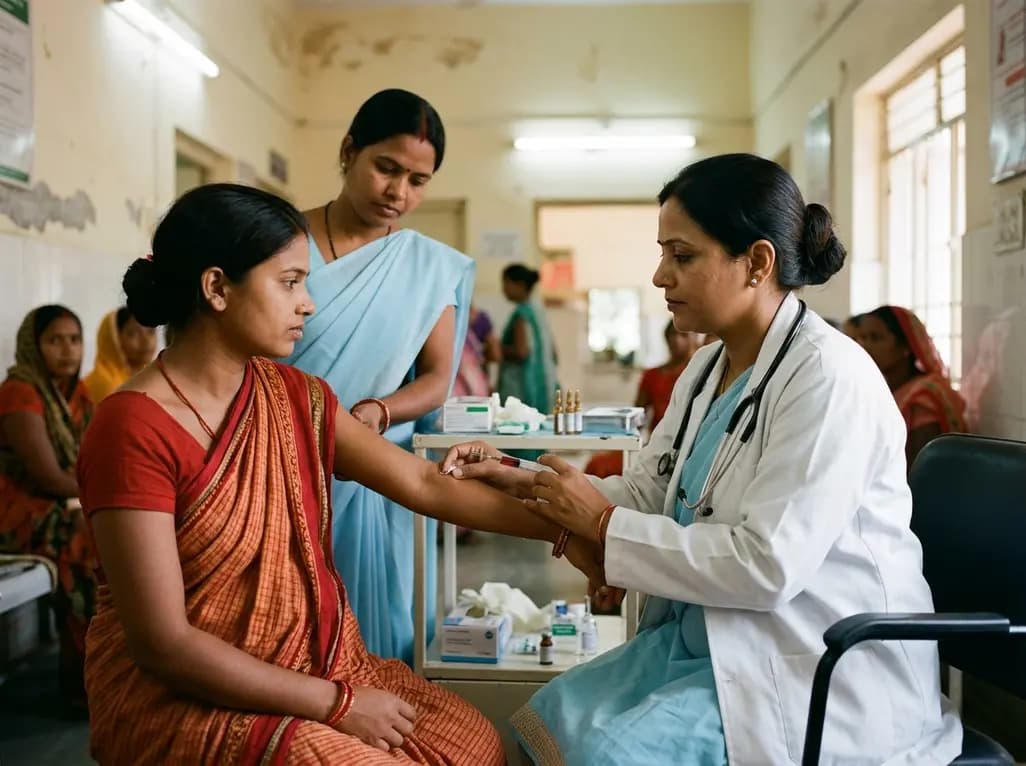
Maternal anaemia contributes to nearly half of pregnancy-related fatalities across India. To prevent complications, Uttar Pradesh has added single-dose parenteral iron to its essential medicines list. This clinical transition aims to restore haemoglobin rapidly and protect high-risk mothers across rural facilities.
Last week

India's food safety authority FSSAI has issued show-cause notices to Gemini Edibles, BigBasket, and Flipkart for unpermitted cardiovascular claims regarding Freedom Rice Bran Oil. This regulatory move highlights the strict enforcement of advertising standards and the clinical necessity of evidence-based lipid care.
5 days back

The state government is deploying helicopter emergency medical services across the Mumbai-Pune Expressway, Samruddhi Mahamarg, and Mumbai-Goa Highway. This initiative establishes unified standard operating procedures to enable rapid triage, advanced prehospital resuscitation, and seamless trauma care transfers.
Last week
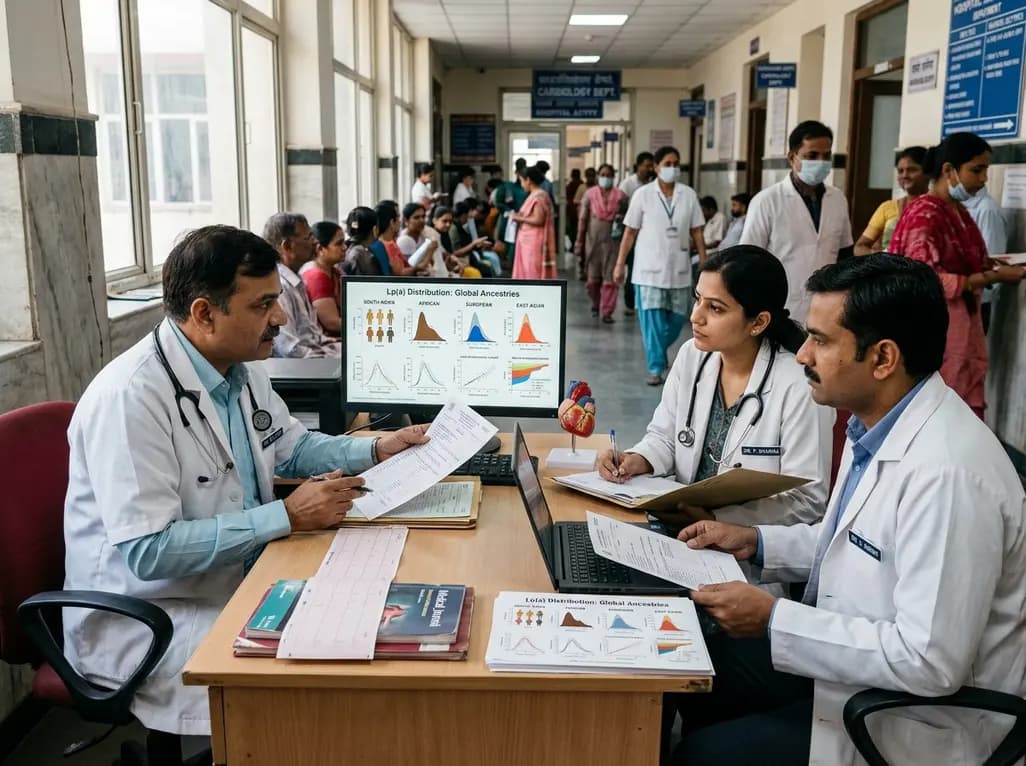
Atherosclerotic cardiovascular disease guidelines often rely on European-derived lipoprotein(a) cutoffs. However, baseline Lp(a) levels vary widely across ancestries, including South Asians and Africans. Clinicians must interpret Lp(a) values within overall absolute cardiovascular risk.
Last week
