.webp&w=384&q=75)

Loading, please wait...
Loading, please wait...

Periodontal diseases are among the most prevalent noncommunicable diseases (NCDs) globally. These conditions contribute significantly to disability, impaired nutrition, and reduced quality of life. Consequently, medical experts are calling for the integration of periodontal disease prevention strategies into broader public health frameworks. This shift is essential to address the rising burden of oral diseases effectively.
Current periodontal care often remains isolated from global NCD strategies. This lack of integration limits public health advocacy and healthy aging. However, reorienting care toward proactive prevention offers immense potential. Clinicians should adopt a common risk factor approach to identify cases early. Moreover, integrating diagnosis within primary care platforms ensures more equitable health gains. Risk-stratified pathways can preserve oral function while reducing unnecessary service volume. Therefore, focusing on patient-important outcomes is vital for sustainable care.
Research indicates that current fee-for-service models may lead to an unsustainable financial burden by 2050. In contrast, alternative scenarios like capitation-informed models could reduce projected expenditures by 30%. This approach incentivizes value over treatment volume. Furthermore, de-implementation of low-value practices helps preserve resources for those in greatest need. Consequently, aligning periodontal care with public health principles is a necessary paradigm shift. This transition will support health-system affordability in both high- and low-income settings worldwide.
These strategies help reduce chronic inflammation. Since gum disease is linked to diabetes and heart disease, prevention improves overall systemic outcomes and reduces NCD complications.
Capitation models prioritize preventive care and patient outcomes over the number of procedures performed. This model can reduce global costs by 30% while expanding access to care.
Disclaimer: This content is for informational and educational purposes only. It does not constitute professional medical advice, diagnosis, or treatment. Always seek the advice of your physician or another qualified health provider with any questions you may have regarding a medical condition. Refer to the latest local and national guidelines for clinical practice.
References
Peres MA et al. Periodontal Diseases as a Public Health Challenge: Rationale, Prevention, Equity, and Sustainable Care-A Global Call for Action. J Periodontal Res. 2026 Jun 18. doi: 10.1111/jre.70133. PMID: 42313429.
World Health Organization. Global oral health status report: towards universal health coverage for oral health by 2030. Geneva: WHO; 2022.
Nascimento GG, et al. Burden of severe periodontitis and edentulism in 2021, with projections up to 2050: The Global Burden of Disease 2021 study. J Periodontal Res. 2024; 59: 823-867.

Read summarized clinical updates, watch expert medical content, and earn CME certifications right from your smartphone.
Open your smartphone camera to scan and install.





Periodontal diseases are a global public health challenge. This article explores the urgent need to integrate prevention into NCD strategies. By adopting risk-stratified care and cost-effective models, health systems can ensure long-term affordability and equitable care for aging populations.
4 months ago

Kenya's confirmation of its eighth Ebola infection highlights the acute risk of secondary transmission in hospital environments. Clinicians must maintain high vigilance, enforce strict infection prevention protocols, and implement rapid triage mechanisms for viral hemorrhagic fevers across healthcare settings.
Last week
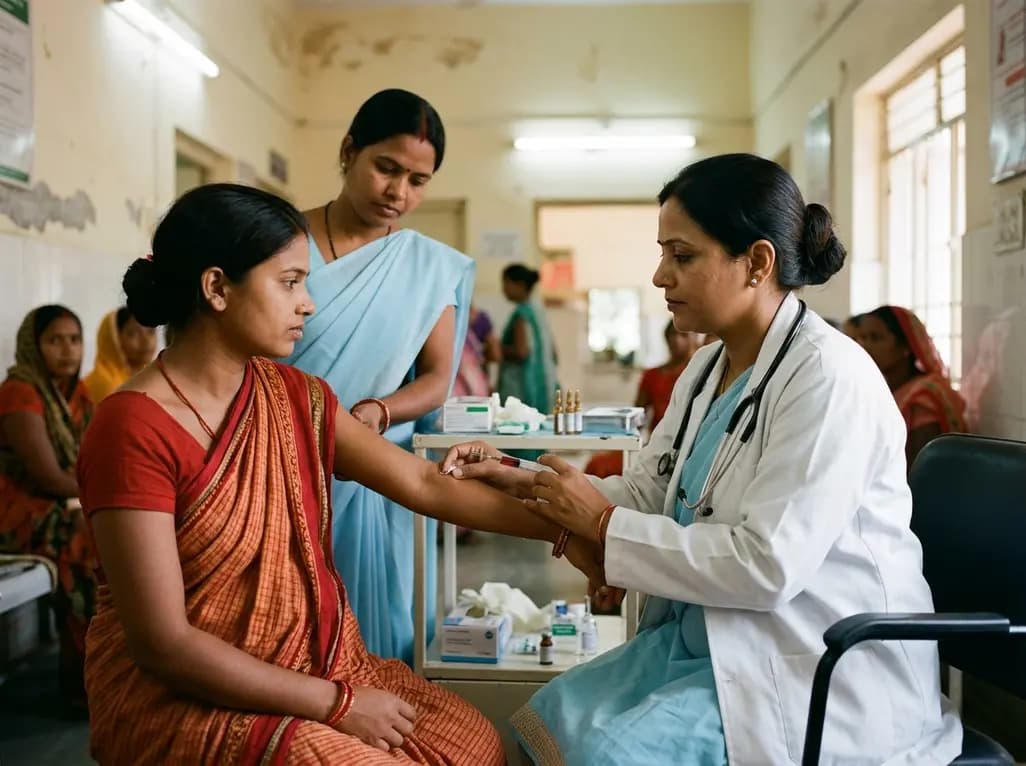
Maternal anaemia contributes to nearly half of pregnancy-related fatalities across India. To prevent complications, Uttar Pradesh has added single-dose parenteral iron to its essential medicines list. This clinical transition aims to restore haemoglobin rapidly and protect high-risk mothers across rural facilities.
2 weeks back

India's food safety authority FSSAI has issued show-cause notices to Gemini Edibles, BigBasket, and Flipkart for unpermitted cardiovascular claims regarding Freedom Rice Bran Oil. This regulatory move highlights the strict enforcement of advertising standards and the clinical necessity of evidence-based lipid care.
Last week

The state government is deploying helicopter emergency medical services across the Mumbai-Pune Expressway, Samruddhi Mahamarg, and Mumbai-Goa Highway. This initiative establishes unified standard operating procedures to enable rapid triage, advanced prehospital resuscitation, and seamless trauma care transfers.
Last week

Atherosclerotic cardiovascular disease guidelines often rely on European-derived lipoprotein(a) cutoffs. However, baseline Lp(a) levels vary widely across ancestries, including South Asians and Africans. Clinicians must interpret Lp(a) values within overall absolute cardiovascular risk.
2 weeks back
