.webp&w=384&q=75)

Loading, please wait...
Loading, please wait...
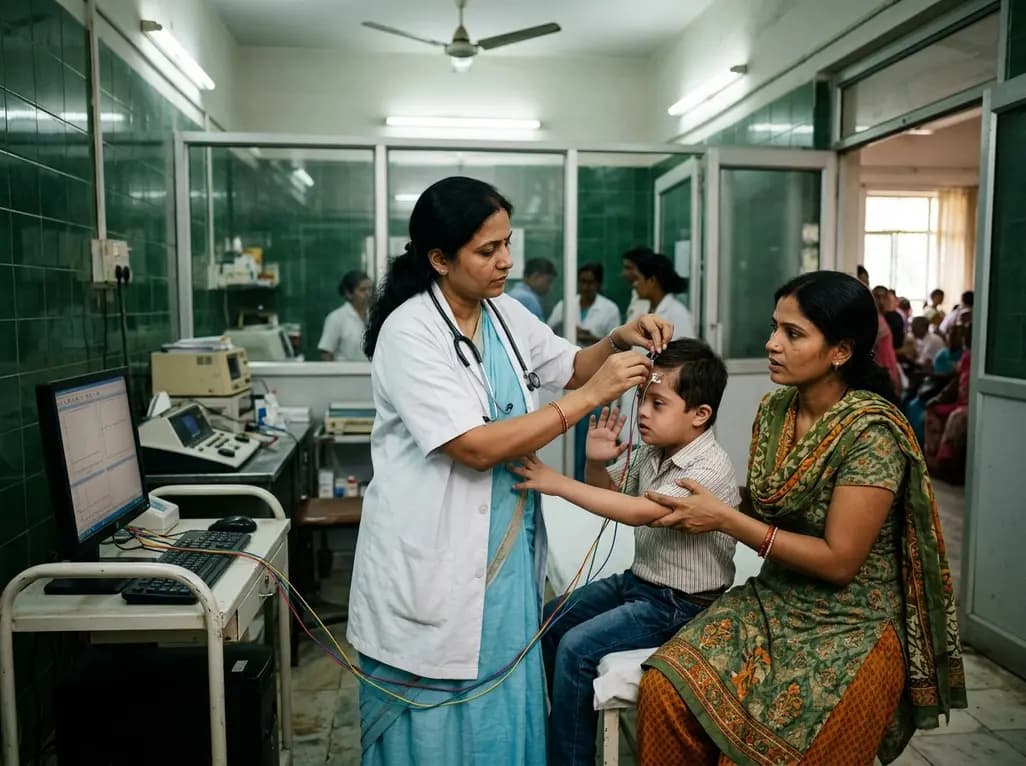
Ensuring timely and accurate diagnostic evaluations is the cornerstone of pediatric audiology, yet recent evidence suggests a significant gap in care for our most vulnerable patients. Pediatric hearing assessment accessibility remains a major hurdle for children with developmental disabilities (DD), including those diagnosed with autism spectrum disorder, cerebral palsy, Down syndrome, and intellectual disabilities. A major multi-hospital study led by Bonino and colleagues recently highlighted a troubling disparity in the first three months of hearing health care. While the majority of children without disabilities successfully undergo gold-standard assessments like audiograms or auditory brainstem response (ABR) testing, nearly one-quarter of children with developmental disabilities do not receive these essential evaluations. This discrepancy is particularly concerning because early detection of hearing loss is vital for maximizing language acquisition and overall cognitive development. For clinicians in India, where the prevalence of developmental disorders is rising, understanding these barriers is the first step toward creating more inclusive clinical environments. We must recognize that the failure to obtain a threshold measurement is not merely a technical difficulty but a systemic failure to provide equitable healthcare. By identifying the specific risks associated with different disability types, healthcare providers can better advocate for tailored diagnostic pathways that ensure no child is left behind during the critical early intervention window.
The challenges surrounding pediatric hearing assessment accessibility are deeply rooted in the limitations of traditional testing methods. Most clinical protocols for behavioral audiometry assume a level of typical neurodevelopment, requiring the child to understand and respond to specific conditioned tasks. For example, conditioned play audiometry or visual reinforcement audiometry necessitates that a child can maintain attention and coordinate a motor response to an auditory stimulus. Children with intellectual disabilities or severe sensory processing issues may find these tasks overwhelming or incomprehensible. Furthermore, when behavioral tests fail, the standard fallback is the auditory brainstem response (ABR) test. However, ABR often requires the child to be still or sedated to achieve reliable results. In many clinical settings, especially in resource-limited environments, arranging for sedated testing involves complex logistics, higher costs, and medical risks that may be contraindicated for children with co-occurring health conditions. Consequently, many children with developmental disabilities fall through the cracks, receiving only screening-level data rather than the diagnostic threshold information required for fitting hearing aids or determining eligibility for specialized services. This lack of access creates a ripple effect, delaying the initiation of speech therapy and other rehabilitative measures that are time-sensitive for neuroplasticity.
When analyzing the data from over 131,000 children, the stark reality of diagnostic inequity becomes clear. The research indicates that children with developmental disabilities are at a 3.79 times higher risk of failing to access a gold-standard assessment compared to their neurotypical peers. This risk is not distributed evenly across all diagnoses. For instance, children with multiple developmental diagnoses face a staggering relative risk of 13.24, making them the most underserved group in the audiology clinic. Similarly, those with intellectual disabilities and cerebral palsy show significantly higher rates of unsuccessful assessment, with relative risks of 11.52 and 9.87, respectively. Even children with autism, who often possess higher motor capabilities, are nearly three times less likely to complete a gold-standard test in the initial months of care. These figures highlight that the current \"one-size-fits-all\" approach to pediatric audiology is failing a significant portion of the population. In many cases, the clinician may document that the child was \"untestable,\" but this label shifts the burden of failure onto the child rather than the protocol. To improve pediatric hearing assessment accessibility, we must move away from labeling children as untestable and instead look at how our testing environments can be adapted to meet their unique developmental needs and communication profiles.
Improving pediatric hearing assessment accessibility requires a multifaceted approach that integrates behavioral science with clinical audiology. One effective strategy is the implementation of modified behavioral protocols that utilize sensory-friendly environments and highly motivating reinforcers. For children with autism, reducing environmental noise and providing visual schedules can significantly increase the likelihood of a successful audiogram. Additionally, clinicians should consider shorter, more frequent appointments to build rapport and allow the child to acclimate to the testing booth. When behavioral methods are truly not feasible, fast-track pathways for physiologic testing must be established. This includes making sedated ABR or natural-sleep ABR more readily available and streamlining the referral process. In the Indian context, where large tertiary centers often handle high patient volumes, designated \"disability-friendly\" audiology days could allow for longer appointment slots and the presence of multidisciplinary support staff. Moreover, tele-audiology and remote monitoring tools may offer new avenues for assessment in familiar, low-stress home environments. By prioritizing flexibility and patient-centered care, we can dismantle the barriers that currently prevent children with developmental disabilities from receiving the gold-standard diagnostic care they require for optimal developmental progress.
The quest for better pediatric hearing assessment accessibility cannot be achieved by audiologists alone. It requires a robust interdisciplinary collaboration between pediatricians, neurologists, occupational therapists, and speech-language pathologists. Often, the pediatrician is the first to notice developmental delays or suspected hearing loss, making them the gatekeeper for timely referrals. If the pediatrician is aware of the specific challenges faced by children with developmental disabilities, they can better prepare the family for what to expect during an audiology visit and emphasize the importance of persistent follow-up. Occupational therapists can play a vital role by working with the child on the sensory and motor skills needed for conditioned testing. Furthermore, shared electronic health records can help the entire care team track whether a child has successfully completed a diagnostic evaluation. In many instances, a child may have already undergone sedation for another medical procedure; coordinating an ABR during that time is an excellent example of efficient, patient-centered care. Such collaborative efforts ensure that the child's hearing status is viewed as a priority within the broader context of their developmental management. By working together, healthcare providers can create a safety net that ensures every child receives the intervention they need at the earliest possible age.
Looking ahead, the field must embrace innovation to solve the persistent issues surrounding pediatric hearing assessment accessibility. Future research should focus on developing objective testing methods that do not rely on sedation or active behavioral participation. Advancements in automated ABR and wideband tympanometry show promise in providing more comprehensive data with less patient cooperation. Additionally, clinical guidelines must be updated to specifically address the needs of neurodivergent populations. Instead of simply recommending testing by a certain age, guidelines should provide clear, step-by-step instructions on how to modify procedures for different developmental profiles. In India, there is a growing need for specialized training programs that equip audiologists with the skills to handle complex developmental cases. Increasing the number of pediatric audiology specialists who are comfortable working with children who have multiple disabilities will be essential for closing the current gap in care. Ultimately, the goal is to reach a point where every child, regardless of their neurological or physical abilities, has equal access to the hearing assessments that define their developmental trajectory. Achieving this will require a sustained commitment to advocacy, research, and clinical excellence across all levels of the healthcare system.
Early detection is vital because hearing loss often co-occurs with developmental disabilities, compounding language and social delays. Identifying reduced hearing early allows for immediate intervention, such as hearing aids or specialized therapy, which leverages neuroplasticity during critical growth periods to maximize a child\'s overall developmental potential and quality of life.
Common barriers include the high cognitive and motor demands of behavioral testing, which may exceed the child\'s developmental age. Sensory sensitivities, difficulties with attention, and communication differences also make standard testing environments challenging. When behavioral tests fail, the logistical and medical hurdles of arranging sedated physiological tests further delay diagnosis.
Clinics can improve accessibility by offering sensory-friendly rooms, using visual aids to explain procedures, and allowing longer or split appointments to reduce stress. Training staff in disability-competent care and coordinating audiological tests with other sedated medical procedures also significantly enhances the success rate of obtaining gold-standard diagnostic data.
Disclaimer: This content is for informational and educational purposes only. It is not a substitute for professional medical advice, diagnosis, or treatment. Always seek the advice of your physician or other qualified health provider with any questions you may have regarding a medical condition. Refer to the latest local and national guidelines for clinical practice.
References
Bonino AY et al. Rethinking the Accessibility of Hearing Assessments for Children with Developmental Disabilities. J Autism Dev Disord. 2025 Oct. doi: 10.1007/s10803-024-06461-9. PMID: 39023803.
American Academy of Pediatrics. (2020). Hearing Assessment in Infants and Children. Pediatrics, 146(2), e20200107.
National Institute on Deafness and Other Communication Disorders (NIDCD). (2023). Hearing Loss in Children with Disabilities: Challenges and Strategies.

Read summarized clinical updates, watch expert medical content, and earn CME certifications right from your smartphone.
Open your smartphone camera to scan and install.





A landmark study highlights that children with developmental disabilities are nearly four times more likely to lack access to gold-standard hearing assessments. This article examines the barriers faced by these children and provides clinical insights for improving diagnostic equity in pediatric audiology.
3 months ago
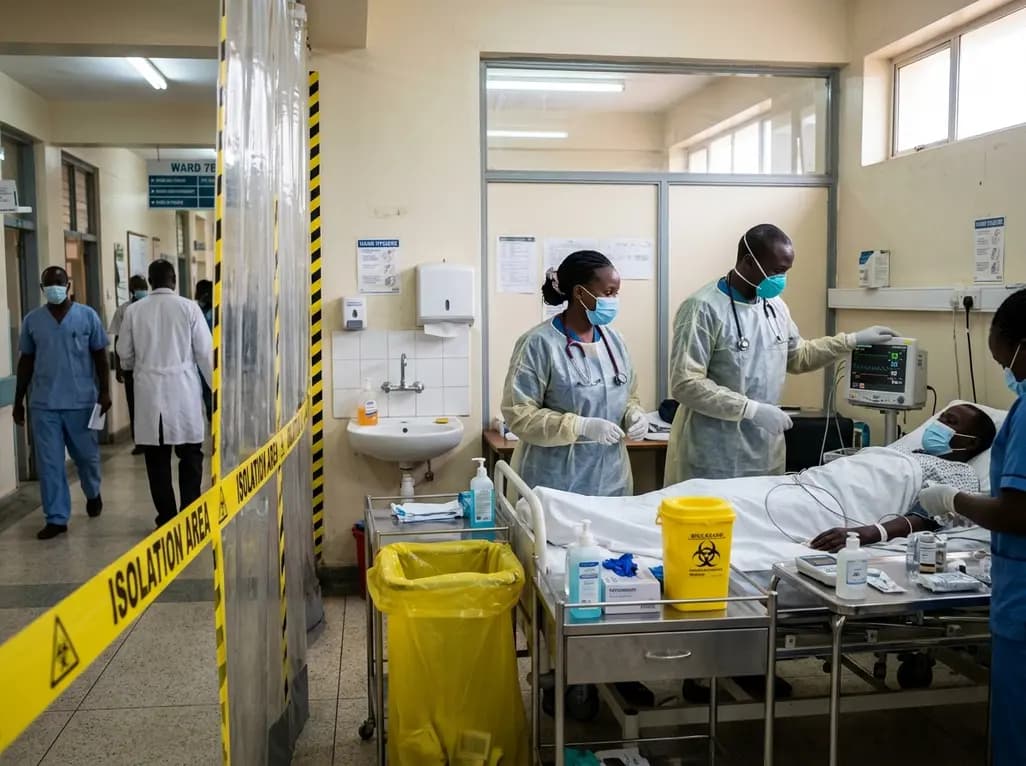
Kenya's confirmation of its eighth Ebola infection highlights the acute risk of secondary transmission in hospital environments. Clinicians must maintain high vigilance, enforce strict infection prevention protocols, and implement rapid triage mechanisms for viral hemorrhagic fevers across healthcare settings.
4 days back
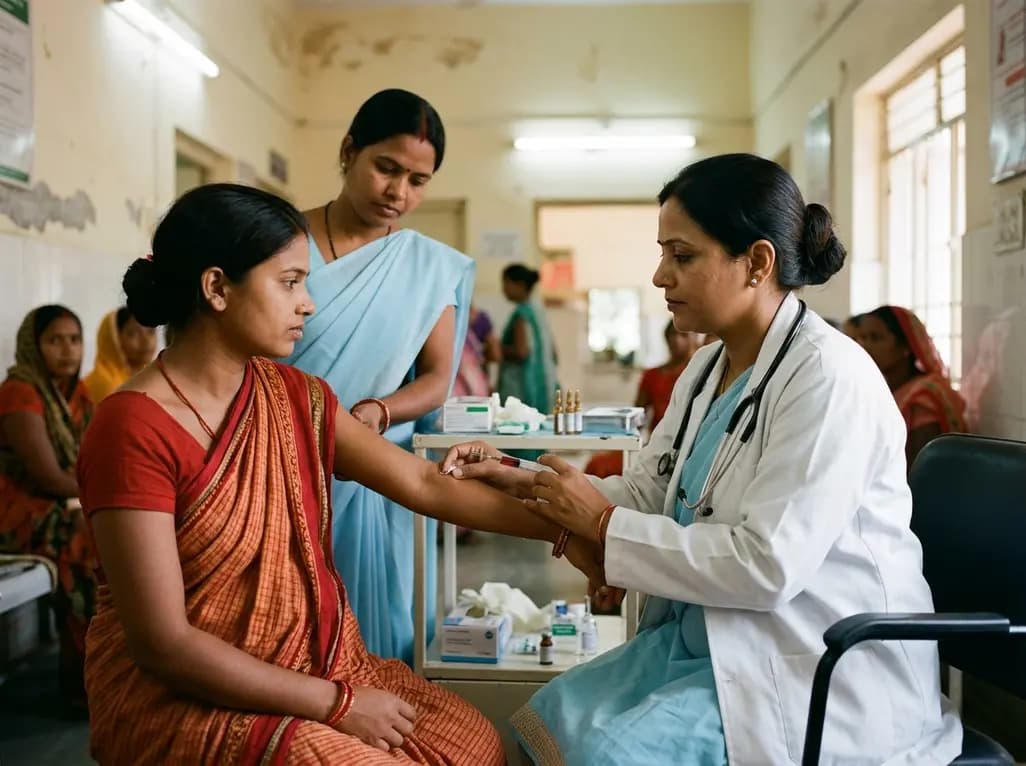
Maternal anaemia contributes to nearly half of pregnancy-related fatalities across India. To prevent complications, Uttar Pradesh has added single-dose parenteral iron to its essential medicines list. This clinical transition aims to restore haemoglobin rapidly and protect high-risk mothers across rural facilities.
Last week

India's food safety authority FSSAI has issued show-cause notices to Gemini Edibles, BigBasket, and Flipkart for unpermitted cardiovascular claims regarding Freedom Rice Bran Oil. This regulatory move highlights the strict enforcement of advertising standards and the clinical necessity of evidence-based lipid care.
6 days back

The state government is deploying helicopter emergency medical services across the Mumbai-Pune Expressway, Samruddhi Mahamarg, and Mumbai-Goa Highway. This initiative establishes unified standard operating procedures to enable rapid triage, advanced prehospital resuscitation, and seamless trauma care transfers.
Last week
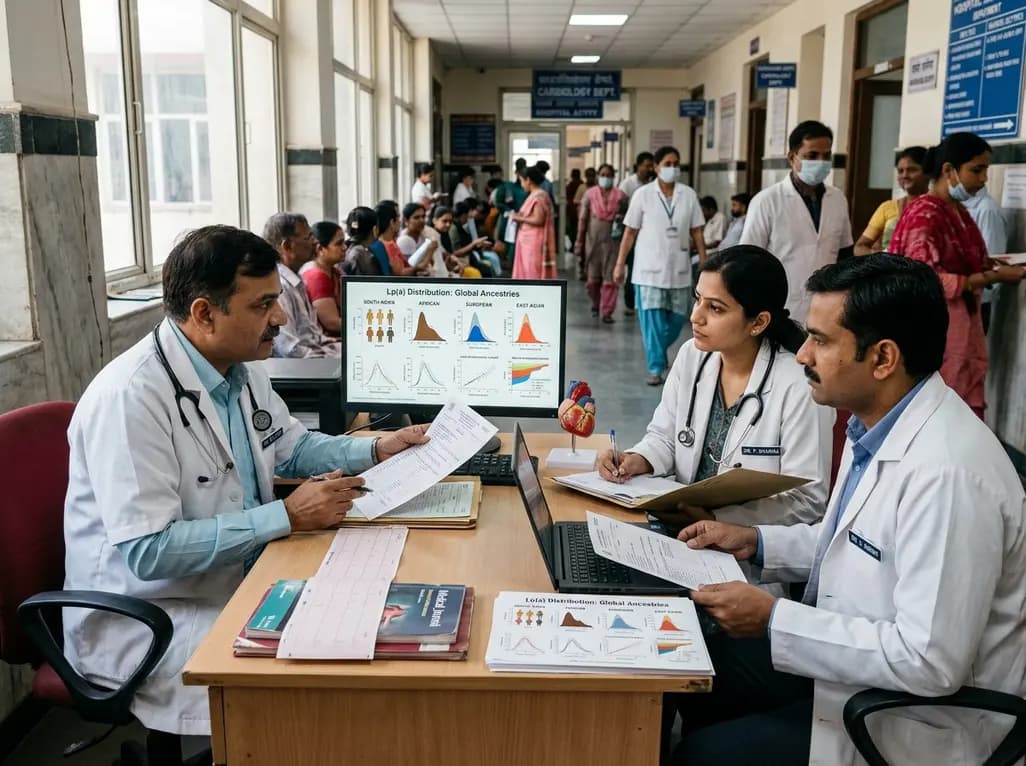
Atherosclerotic cardiovascular disease guidelines often rely on European-derived lipoprotein(a) cutoffs. However, baseline Lp(a) levels vary widely across ancestries, including South Asians and Africans. Clinicians must interpret Lp(a) values within overall absolute cardiovascular risk.
Last week
