.webp&w=384&q=75)

Loading, please wait...
Loading, please wait...
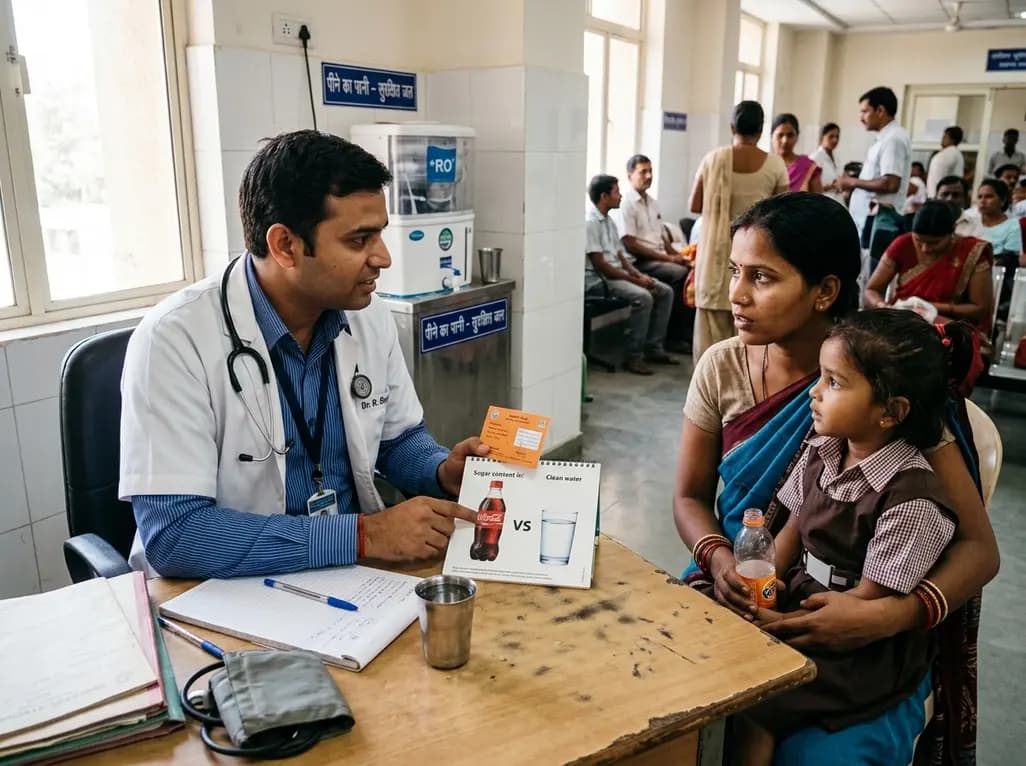
Adequate hydration with clean water is a fundamental requirement for growth and development during early childhood. However, widespread tap water concerns among parents frequently lead to altered beverage choices in households with young children. Consequently, families often substitute municipal water with commercially prepared drinks. Understanding how parental perceptions of water safety influence early childhood diet is crucial for pediatricians, dietitians, and public health practitioners seeking to optimize pediatric health outcomes.
Recent observational research highlights a significant link between parental mistrust of municipal drinking water and unhealthful dietary patterns among young children. When parents harbor anxiety regarding municipal supply safety, taste, or potential chemical contamination, they frequently search for alternative hydrating options. Unfortunately, instead of choosing filtered tap water, many parents rely on sugar-sweetened beverages like fruit drinks, sodas, and sweetened teas. This substitution pattern significantly compromises overall dietary quality during a crucial period of growth.
Furthermore, early childhood represents a critical development window where lifelong dietary habits and taste preferences are established. Regular exposure to sugary beverages conditions a young child's palate to prefer highly sweetened flavors over plain water. Consequently, pediatricians observe a marked decrease in plain water consumption among children whose caregivers express persistent tap water concerns. This trend creates long-term physiological risks, as excessive sugar consumption directly contributes to early-onset childhood obesity, dental caries, and metabolic dysfunction. Addressing caregiver mistrust regarding tap water availability and quality is therefore an essential component of comprehensive pediatric nutritional counseling.
A cross-sectional investigation examined parental tap water perceptions and beverage intake in children aged four to six years. The study evaluated a socioeconomically and racially diverse cohort of 221 children through parent surveys. Researchers assessed beverage intake patterns, specifically analyzing sugar-sweetened beverage and fruit juice consumption. In addition, statistical models adjusted for confounding variables, including child sex, household income, and parental anxiety levels.
The results demonstrated that twenty-seven percent of surveyed parents expressed apprehension regarding local tap water. Notably, children of concerned parents faced a dramatically elevated risk of high sugar-sweetened beverage intake. Specifically, these children were nearly seven times more likely to consume sugary drinks three or more times daily. Moreover, children in concerned households exhibited a 3.4-fold higher risk for moderate beverage consumption. These compelling statistical findings underscore the profound influence of parental water perceptions on child health.
Parental choices regarding childhood beverages do not occur in isolation, as complex psychological and structural socioeconomic drivers influence caregiver decisions. In many urban and rural communities, historical water contamination events or infrastructure failures create enduring institutional mistrust. Consequently, parents naturally seek to protect their children by avoiding municipal tap water altogether. However, without accessible, low-cost filtration solutions or clear safety communication, parents often view packaged beverages as cleaner or safer alternatives.
Additionally, commercial marketing plays a pivotal role in shaping parental attitudes toward packaged drinks. Food industry advertising often portrays bottled juices and sports beverages as healthy, hygienic, or energy-enhancing options for growing children. Lower-income households, which may face greater environmental hazards and degraded infrastructure, frequently bear the heaviest financial burden of purchasing commercial drinks. Furthermore, parental anxiety regarding environmental toxins can exacerbate perceived risks, leading caregivers to select commercially packaged options despite higher monetary costs. Addressing these anxieties requires multidisciplinary public health approaches combining municipal water testing, transparent community reporting, and targeted educational campaigns.
The physiological ramifications of replacing plain water with sugary beverages during early childhood are profound and far-reaching. Sugar-sweetened drinks represent the single largest contributor to added dietary sugar among young children. Frequent consumption of these calorically dense, nutrient-poor beverages rapidly exceeds recommended daily sugar limits. Consequently, children consuming sugary drinks daily face elevated risks for rapid weight gain, insulin resistance, and fatty liver disease.
Moreover, the pediatric dental implications of high beverage sugar content are severe and well-documented. Frequent exposure to acidic and sugar-rich liquids fosters an optimal environment for acid-producing cariogenic bacteria. As a result, young children drinking sweetened beverages multiple times daily suffer from higher rates of severe early childhood caries. Beyond oral health and metabolic disruption, replacing plain water with sugary options impairs overall hydration status and healthy appetite regulation. Children consuming excessive liquid calories often displace essential nutrient-dense whole foods during regular meal times. Therefore, reassuring parents about safe tap water is vital for preventing long-term metabolic and systemic health complications.
Healthcare providers occupy a unique position of trust and can effectively intervene during routine pediatric checkups and nutritional assessments. Clinicians should routinely screen families regarding home water sources and caregiver perceptions of municipal water safety. By proactively asking simple screening questions, pediatricians can quickly identify families holding unaddressed tap water concerns. When caregivers report anxiety about tap water safety, clinicians can offer evidence-based guidance on affordable water filters and proper boiling techniques.
In addition, pediatricians should actively educate parents about the substantial health hazards linked to frequent sugar-sweetened beverage consumption. Providing clear educational materials regarding hidden sugars in commercial juices empowers parents to make healthier purchasing choices. Clinicians can also advocate for water transparency and support community programs offering low-cost water testing for vulnerable families. Furthermore, collaborating with registered dietitians ensures families receive practical support to transition toward safe, cost-effective tap water consumption. Through empathetic communication, healthcare teams can successfully bridge the gap between water safety perception and healthy pediatric beverage habits.
When parents distrust local tap water quality, safety, or taste, they actively avoid giving tap water to their young children. Without easy access to filtered water or clear safety guidance, caregivers frequently substitute packaged sugar-sweetened beverages, commercial fruit juices, or sodas. Consequently, children develop strong preferences for sweetened drinks, significantly increasing their daily calorie and sugar intake while reducing their overall plain water consumption.
Frequent consumption of sugar-sweetened beverages in early childhood significantly increases the risk of rapid weight gain, pediatric obesity, and early insulin resistance. In addition, high sugar and acid exposure leads to severe dental caries and enamel erosion in young children. Furthermore, excessive liquid sugar intake displaces nutrient-dense whole foods from the child's regular diet, leading to poor overall nutritional balance and metabolic disruption over time.
Clinicians can support families by screening for water quality concerns during routine health visits and offering objective guidance on local municipal water safety. In addition, providers can educate caregivers on cost-effective home water treatment solutions, such as certified point-of-use water filters or proper boiling techniques. Reassuring parents about water quality empowers them to provide safe hydration while eliminating unnecessary sugar-sweetened beverage purchases.
Disclaimer: This content is for informational and educational purposes only, and does not constitute medical advice, diagnosis, or treatment. Healthcare professionals should rely on their professional judgment and refer to the latest local and national guidelines for clinical practice.
References
Lassiter R et al. Parental Concerns About Tap Water Associated With 4- to 6-Year-Old Children's Increased Consumption of Sugar-Sweetened Beverages. Clin Pediatr (Phila). 2026 Aug 08. doi: 10.1177/00099228261473857. PMID: 42568333.
Rosinger AY et al. Disparities in water intake and sugar-sweetened beverage consumption among US children and adolescents. JAMA Pediatr. 2019;173(6):539-548.
Hess JM et al. Perceptions of water and sugar-sweetened beverage consumption habits among teens, parents and teachers in the rural Southwestern United States. Public Health Nutr. 2019;22(12):2270-2281.

Read summarized clinical updates, watch expert medical content, and earn CME certifications right from your smartphone.
Open your smartphone camera to scan and install.





A new study shows that 27% of parents express tap water concerns, which increases their young children's risk of consuming sugar-sweetened beverages up to 6.7-fold. Clinicians play a crucial role in addressing caregiver water safety perceptions and promoting healthy pediatric hydration habits.
last month

A special Delhi court has directed former DGHS Dr. Vatsala Aggarwal to surrender after refusing her relief plea. Despite clinical submissions citing immunocompromised status, scheduled Shingrix immunization, and adaptive servo-ventilation needs, the court held that jail authorities can manage these medical requirements.
Last week

A global knowledge summary from the World Health Organization warns that tobacco smoking significantly increases infertility risks in women and causes substantial sperm and erectile dysfunction in men. Fortunately, quitting smoking substantially lowers these risks, providing clear reproductive benefits.
Last week

A major cybersecurity breach disrupted global operations at Boston Scientific, delaying device distribution and remote cardiac monitoring activations. This analysis examines the immediate consequences for clinical catheterization suites, electrophysiology teams, hospital inventory systems, and patient care safety.
2 weeks back

Nearly 80% of Indians suffer from inadequate Vitamin D, causing silent bone weakening and sudden fractures. This expert guide reviews why mega-dose therapy is critical for high-risk patients, the key factors driving widespread deficiency, and the mandatory medical evaluations needed to protect skeletal health.
3 months ago

A nationwide mixed-methods study evaluated hospital glycemic management systems across 265 hospitals. While real-time alerts and automatic data sync are highly valued, significant disparities in digital maturity and low satisfaction with decision support highlight the need for standardized implementation.
3 weeks back
