.webp&w=384&q=75)

Loading, please wait...
Loading, please wait...
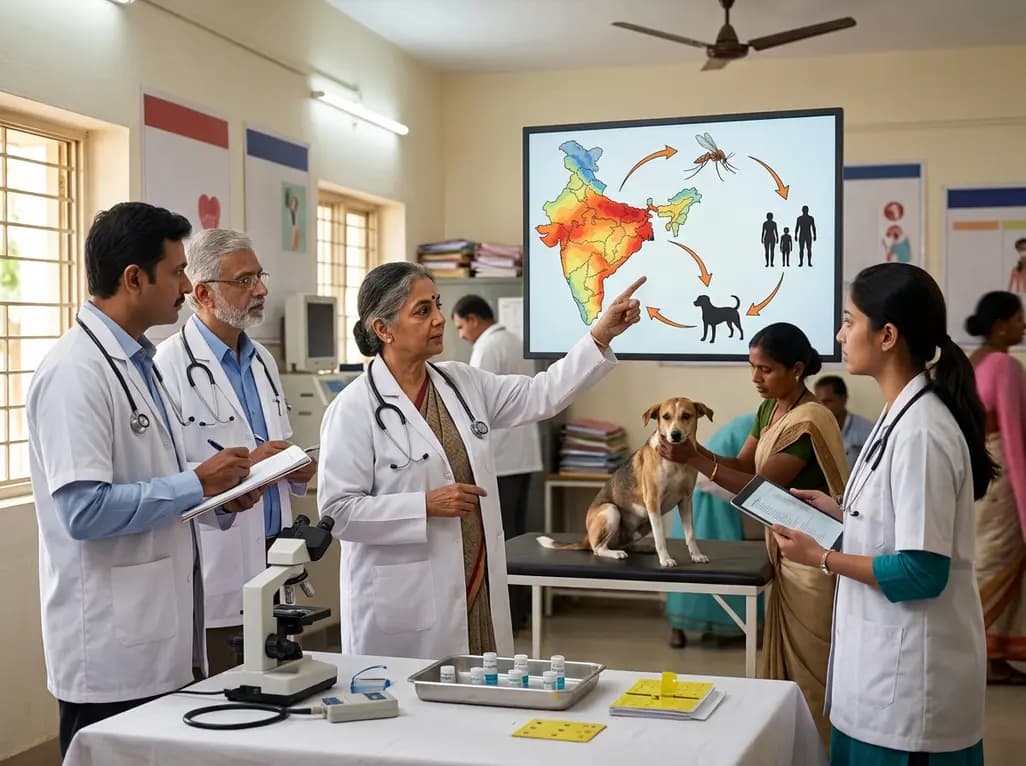
Leishmaniasis remains a formidable public health challenge across the globe, specifically in Mediterranean regions and Southeast Asia. In Sicily, southern Italy, the disease is primarily caused by Leishmania infantum, a protozoan parasite that moves between human hosts, canine reservoirs, and phlebotomine sand fly vectors. Recently, a comprehensive study conducted between 2022 and 2024 utilized a One Health Leishmaniasis Surveillance framework to evaluate the transmission dynamics in high-risk Sicilian provinces. This approach recognizes that human health is inextricably linked to the health of animals and our shared environment. By integrating data from hospital-based screenings, veterinary serosurveys, and entomological monitoring, researchers provided a holistic view of the current epidemiological landscape. Such integrated models are increasingly critical as climate change alters the geographic range of vectors and the duration of transmission seasons. For clinicians and public health experts, understanding these interconnected variables is the first step toward developing more resilient and proactive intervention strategies in endemic territories.
The success of transmission relies on a complex triad involving human susceptibility, animal reservoirs, and vector competence. During the surveillance period, 67 human cases were confirmed, consisting of 50 cutaneous and 17 visceral leishmaniasis presentations. Simultaneously, canine seroprevalence was found to range between 12% and 34%, with significant spatial overlap observed between infected dogs and human case clusters. This overlap reinforces the dog\'s role as the primary domestic reservoir for the parasite. Furthermore, the entomological component of the study collected over 75,000 sand flies, with Phlebotomus perniciosus emerging as the dominant vector species. Interestingly, the high density of vectors in peridomestic environments suggests that transmission often occurs in close proximity to human dwellings. These findings underscore the necessity of monitoring animal populations and vector abundance in parallel with human clinical cases. By doing so, health authorities can identify emerging hotspots earlier and implement targeted control measures before a large-scale outbreak occurs among the local population.
Environmental conditions play a decisive role in the life cycle of phlebotomine sand flies and, consequently, the transmission of Leishmania infantum. The Sicilian study highlighted that sand fly activity peaks during warm months when temperatures range between 20°C and 28°C. Moreover, these peaks often follow periods of moderate rainfall, which provide the necessary moisture for larval development in the soil. Notably, 2024 saw the highest levels of vector activity, which coincided with a general trend of increasing temperatures and precipitation. This suggest that climate change is not just a future threat but an active driver of current transmission dynamics. As the Mediterranean climate shifts toward more tropical patterns, the seasonal window for sand fly activity is likely to extend into late autumn or even winter months. This expansion requires a revision of seasonal surveillance timelines to ensure that monitoring activities align with the actual biological activity of the vectors, rather than relying on historical norms that may no longer be accurate.
Human risk for leishmaniasis is often dictated by behavioral and socio-demographic factors that increase exposure to sand fly bites. The surveillance data indicated a higher proportion of cases among outdoor workers and smokers, suggesting that lifestyle habits play a significant role in disease acquisition. Outdoor workers often labor during the crepuscular hours when sand flies are most active, while smoking may serve as a proxy for other socio-economic or behavioral risks. Additionally, many cases were concentrated in peri-domestic environments where stagnant water, organic waste, and poorly maintained structures provide ideal breeding grounds for vectors. Identifying these high-risk groups allows for more focused public health education and personal protection campaigns. Clinicians should be particularly vigilant when evaluating patients with persistent skin lesions or systemic symptoms who reside in these environments or belong to these high-risk categories. Understanding the socio-demographic profile of the disease is essential for crafting interventions that are culturally appropriate and logistically feasible for the most vulnerable segments of the community.
While the study focused on Sicily, the lessons learned regarding One Health Leishmaniasis Surveillance are highly relevant to other endemic regions, including India. India has made significant strides in the elimination of visceral leishmaniasis, or Kala-azar, but maintaining these gains requires robust post-elimination surveillance. The integration of veterinary data into human health systems is a strategy that could benefit Indian public health efforts, especially in rural areas where livestock and domestic animals are in frequent contact with humans. By adopting a similar One Health approach, Indian authorities could better monitor the potential for resurgence in traditionally endemic states like Bihar and West Bengal. Furthermore, the use of entomological traps and climatic modeling can help predict shifts in vector density across different states. As India targets 2026 for the total elimination of leishmaniasis, adopting integrated surveillance models can provide the early warning signals needed to manage focal outbreaks and protect the progress made over the last decade.
Looking forward, the future of leishmaniasis control lies in the continued evolution of integrated management strategies. The Sicilian findings confirm that human, veterinary, and environmental data are far more powerful when analyzed together than in isolation. Future research should focus on refining the molecular tools used to identify blood meal sources in sand flies, which can help pinpoint specific animal reservoirs beyond just domestic dogs. Additionally, the development of predictive models that incorporate real-time weather data could allow for dynamic vector control responses. Public health policies must also evolve to support inter-sectoral collaboration between medical doctors, veterinarians, and environmental scientists. By breaking down professional silos, we can create a unified front against neglected tropical diseases. The success of leishmaniasis elimination depends on our ability to adapt to a changing planet while maintaining a steadfast focus on the complex biological web that sustains the parasite across different hosts and environments.
Disclaimer: This content is for informational and educational purposes only. It is not intended as a substitute for professional medical advice, diagnosis, or treatment. Always seek the advice of your physician or other qualified health provider with any questions you may have regarding a medical condition. Refer to the latest local and national guidelines for clinical practice.
References
Bruno F et al. Integrated One Health surveillance of human, canine and sand fly Leishmania infantum transmission in Sicily, southern Italy. Parasit Vectors. 2026 Jul 11. doi: 10.1186/s13071-026-07520-z. PMID: 42436535.
World Health Organization. Leishmaniasis Fact Sheet. Published 2024. Accessed July 12, 2026. https://www.who.int/news-room/fact-sheets/detail/leishmaniasis
National Center for Vector Borne Diseases Control (NCVBDC). Kala-azar Elimination Programme in India. Updated 2024. Accessed July 12, 2026.
Dogs serve as the primary domestic reservoir for Leishmania infantum, facilitating the parasite's life cycle in urban and peri-domestic environments. In Sicily, canine seroprevalence reached up to 34%, showing a direct spatial overlap with human infection clusters. This indicates that monitoring dog populations is essential for predicting human risk. Veterinarians and public health officials must collaborate to ensure that canine cases are detected early, thereby reducing the overall parasitic load available to sand fly vectors.
Shifting climatic trends, specifically rising temperatures and altered precipitation patterns, significantly extend the seasonal activity of sand fly vectors. The study observed peak transmission during warm months ranging from 20 to 28°C, particularly following moderate rainfall. Such conditions allow vectors like Phlebotomus perniciosus to thrive and expand their geographic range. Consequently, warmer winters and longer summers create a wider transmission window, necessitating year-round vigilance and more adaptive surveillance strategies to protect vulnerable populations in endemic regions.
An integrated One Health approach combines human clinical data with veterinary and entomological monitoring to provide a holistic view of disease dynamics. By tracking canine reservoirs and sand fly density alongside human cases, health authorities can identify emerging hotspots before significant outbreaks occur. This proactive strategy allows for targeted interventions, such as vector control and public health education, in high-risk areas. Ultimately, such synergy enhances the efficiency of resource allocation and strengthens the overall resilience of the healthcare system.

Read summarized clinical updates, watch expert medical content, and earn CME certifications right from your smartphone.
Open your smartphone camera to scan and install.





A groundbreaking One Health study in Sicily highlights the intersection of human cases, canine reservoirs, and sand fly vectors, revealing how climatic shifts influence Leishmania infantum transmission. These insights are vital for strengthening infectious disease surveillance in endemic regions.
3 months ago
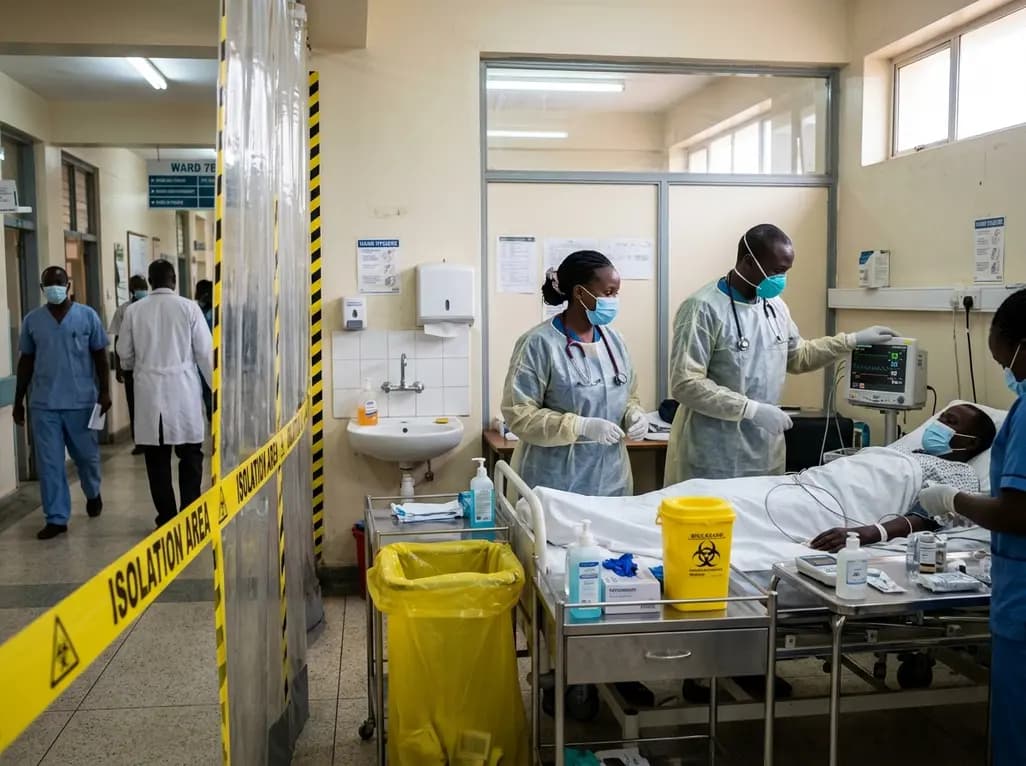
Kenya's confirmation of its eighth Ebola infection highlights the acute risk of secondary transmission in hospital environments. Clinicians must maintain high vigilance, enforce strict infection prevention protocols, and implement rapid triage mechanisms for viral hemorrhagic fevers across healthcare settings.
4 days back
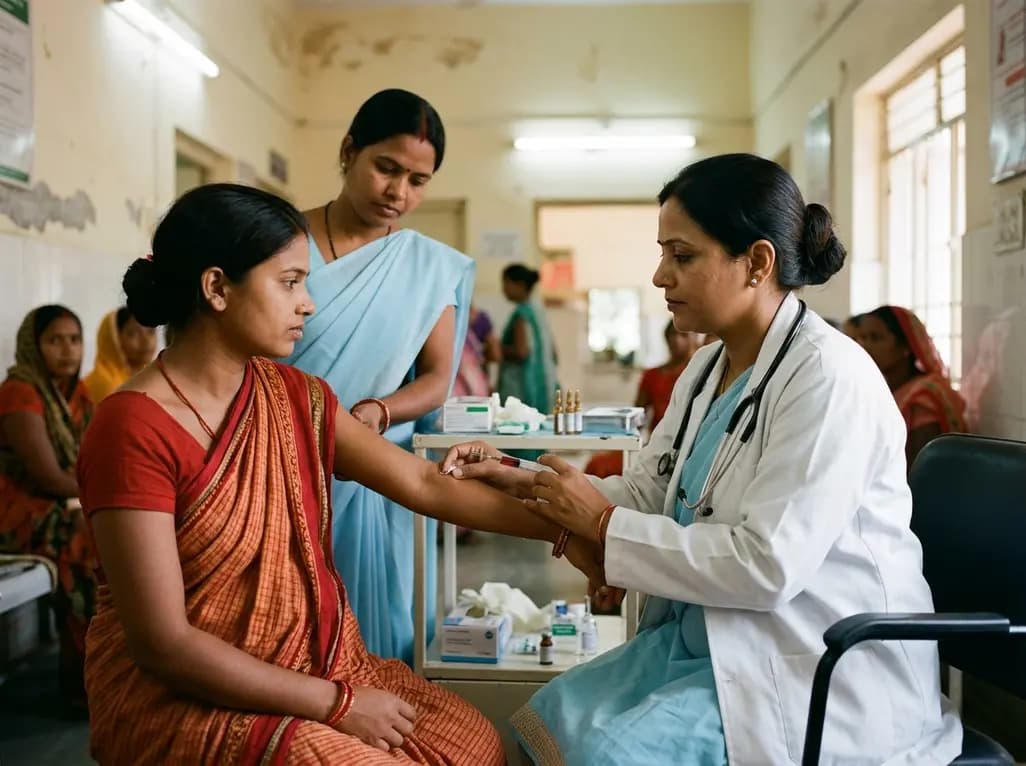
Maternal anaemia contributes to nearly half of pregnancy-related fatalities across India. To prevent complications, Uttar Pradesh has added single-dose parenteral iron to its essential medicines list. This clinical transition aims to restore haemoglobin rapidly and protect high-risk mothers across rural facilities.
Last week

India's food safety authority FSSAI has issued show-cause notices to Gemini Edibles, BigBasket, and Flipkart for unpermitted cardiovascular claims regarding Freedom Rice Bran Oil. This regulatory move highlights the strict enforcement of advertising standards and the clinical necessity of evidence-based lipid care.
6 days back
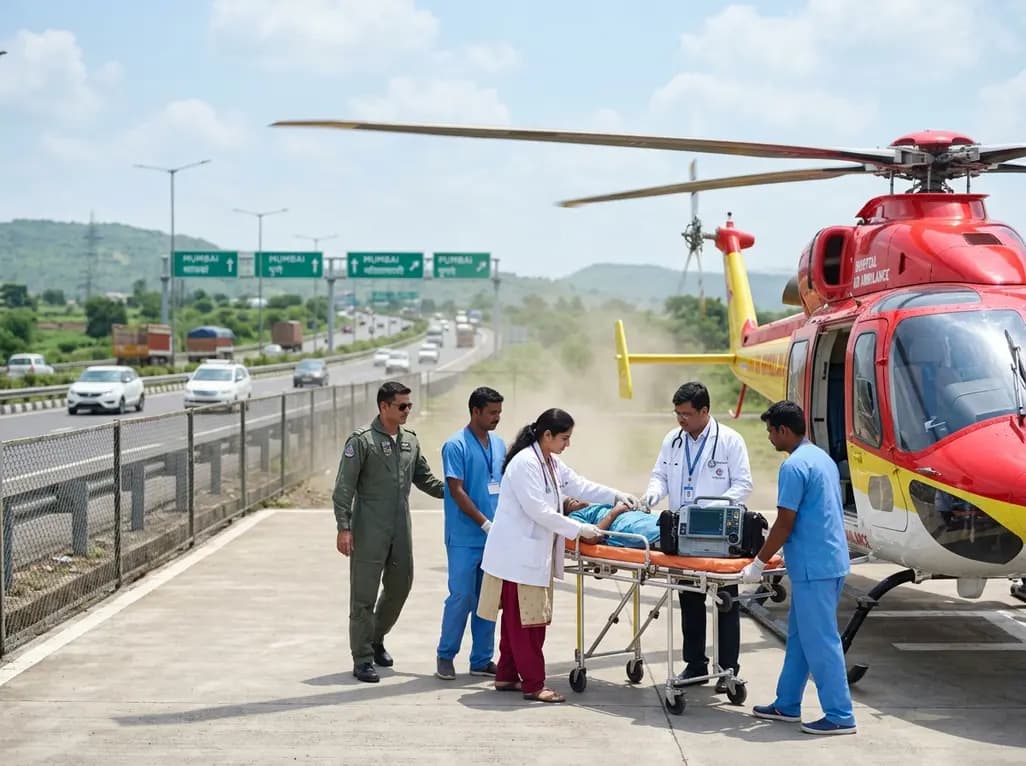
The state government is deploying helicopter emergency medical services across the Mumbai-Pune Expressway, Samruddhi Mahamarg, and Mumbai-Goa Highway. This initiative establishes unified standard operating procedures to enable rapid triage, advanced prehospital resuscitation, and seamless trauma care transfers.
Last week
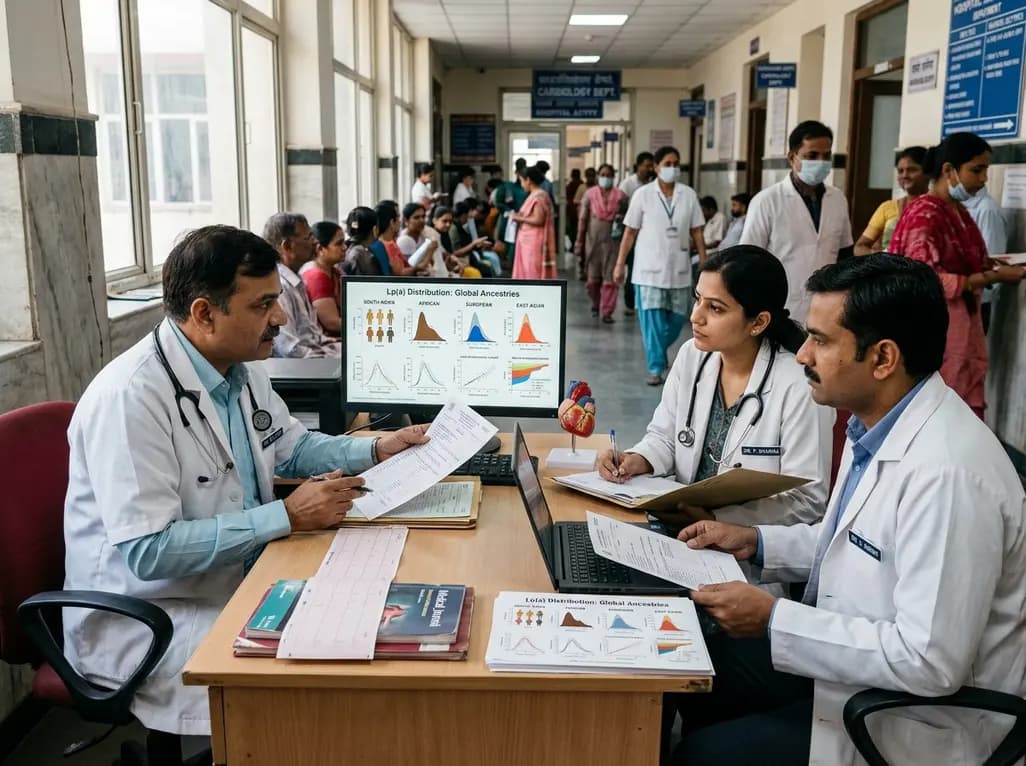
Atherosclerotic cardiovascular disease guidelines often rely on European-derived lipoprotein(a) cutoffs. However, baseline Lp(a) levels vary widely across ancestries, including South Asians and Africans. Clinicians must interpret Lp(a) values within overall absolute cardiovascular risk.
Last week
