.webp&w=384&q=75)

Loading, please wait...
Loading, please wait...
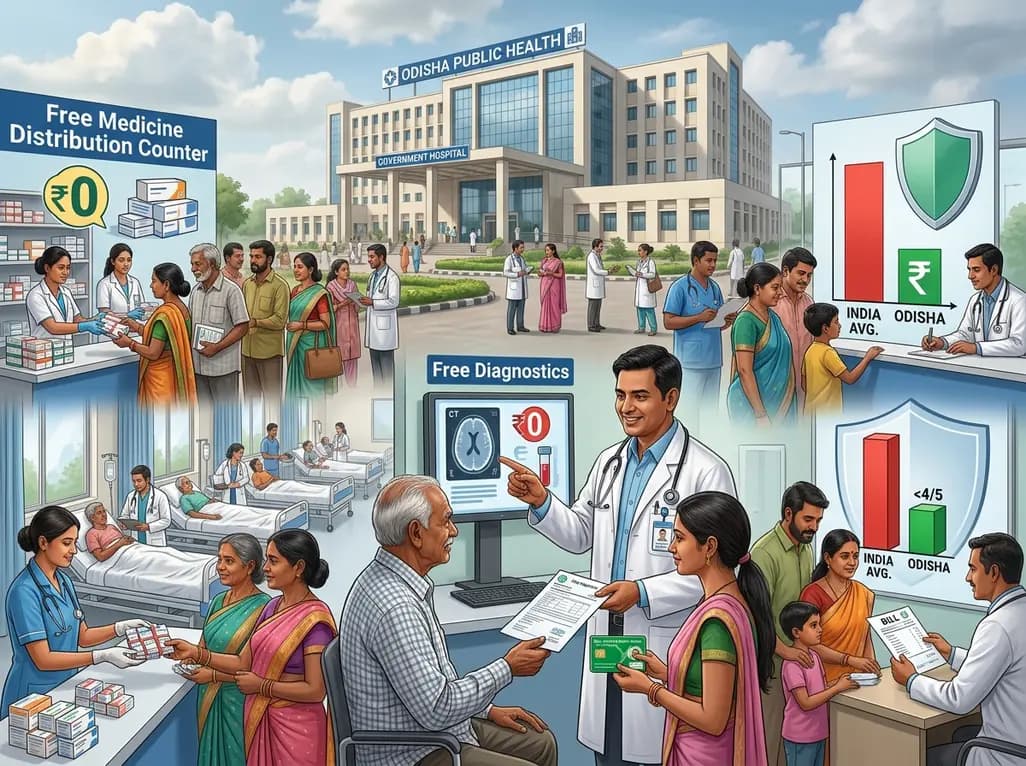
Indeed, a recent National Sample Survey (NSS) report reveals that Odisha healthcare spending remains among the lowest in India. Patients in this state spend less than half the national average out-of-pocket. Specifically, the average out-of-pocket medical expenditure (OOPME) per hospitalization is Rs 16,948. In contrast, the national average stands at Rs 34,064. Consequently, this ranks Odisha as one of the most affordable states for medical treatment.
Furthermore, the findings are particularly remarkable for government-run healthcare facilities. For instance, patients spent an average of Rs 2,496 per hospitalization in public hospitals. This figure is significantly lower than the national average of Rs 6,631. In addition, even private hospital expenses in Odisha are relatively modest. Specifically, the average private hospital expenditure is Rs 40,753 in Odisha, compared to the national average of Rs 50,508. Therefore, both public and private sectors in the state show efficient cost management.
However, the NSS data also highlights a clear rural-urban divide in medical spending. Specifically, rural residents spent an average of Rs 15,708, whereas urban patients paid Rs 22,675. For example, this difference of about 44% arises because urban residents utilize private facilities more frequently. As a result, expenses in these private centers regularly exceed Rs 50,000 per admission. Nonetheless, the government has active measures to bridge these gaps.
In order to support its population, the Odisha government has drastically increased its health sector budget. Specifically, the healthcare outlay tripled from Rs 9,500 crore in 2020-21 to Rs 23,182 crore in 2026-27. Indeed, this funding now represents over 7.5% of the total state budget. Because of this massive investment, public hospitals are able to offer free diagnostics, transport, and medicines. Consequently, nearly 70% of the state's population relies heavily on these strengthened public facilities.
Q1: What is the average out-of-pocket medical expenditure per hospitalization in Odisha?
According to the survey, the average out-of-pocket expenditure is Rs 16,948 in Odisha. Indeed, this is less than half of the national average of Rs 34,064.
Q2: Why is there a rural-urban divide in Odisha healthcare spending?
The divide exists because urban patients depend more on private facilities. Specifically, the average treatment cost in these clinics regularly exceeds Rs 50,000.
Q3: How has the Odisha government managed to lower hospital expenses for patients?
The government tripled its healthcare budget to Rs 23,182 crore in 2026-27. As a result, public hospitals now offer free diagnostics, medicines, and transport.
Disclaimer: This content is for informational and educational purposes only. It does not constitute medical advice or replace professional judgment. Refer to the latest local and national guidelines for clinical practice.
References

Read summarized clinical updates, watch expert medical content, and earn CME certifications right from your smartphone.
Open your smartphone camera to scan and install.





Discover how Odisha's healthcare spending became one of the lowest in India according to the NSS 80th round. With public hospitalizations costing less than half the national average, learn how strategic state funding, free diagnostic schemes, and robust public infrastructure protect patients from financial risk.
4 months ago
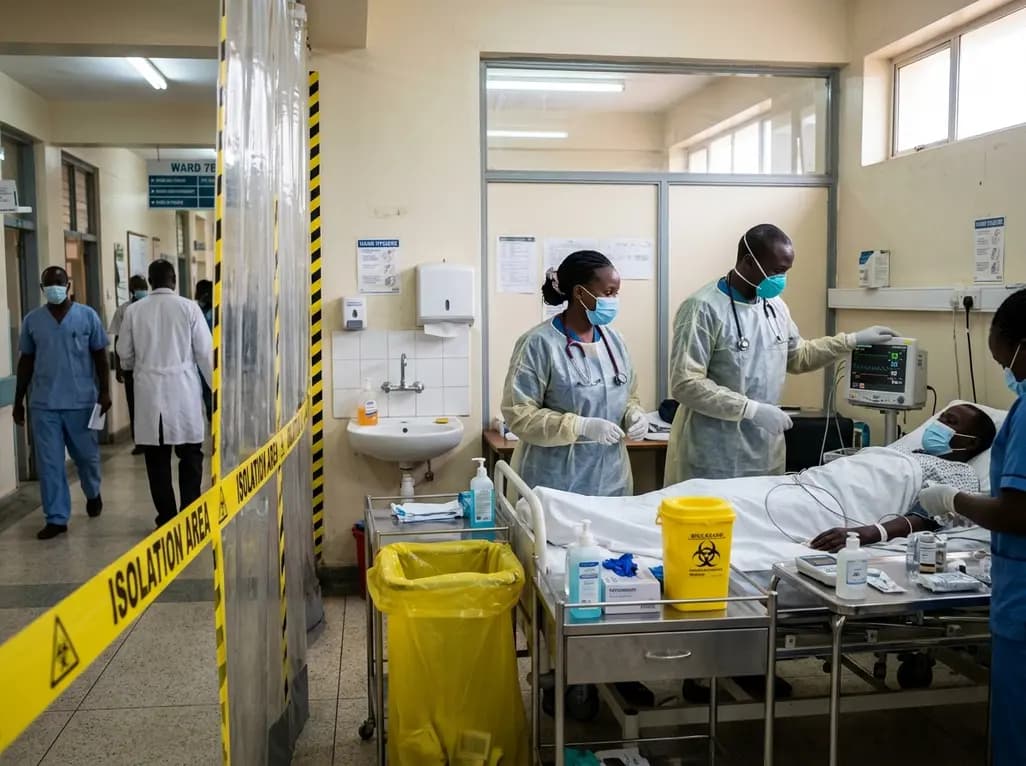
Kenya's confirmation of its eighth Ebola infection highlights the acute risk of secondary transmission in hospital environments. Clinicians must maintain high vigilance, enforce strict infection prevention protocols, and implement rapid triage mechanisms for viral hemorrhagic fevers across healthcare settings.
4 days back
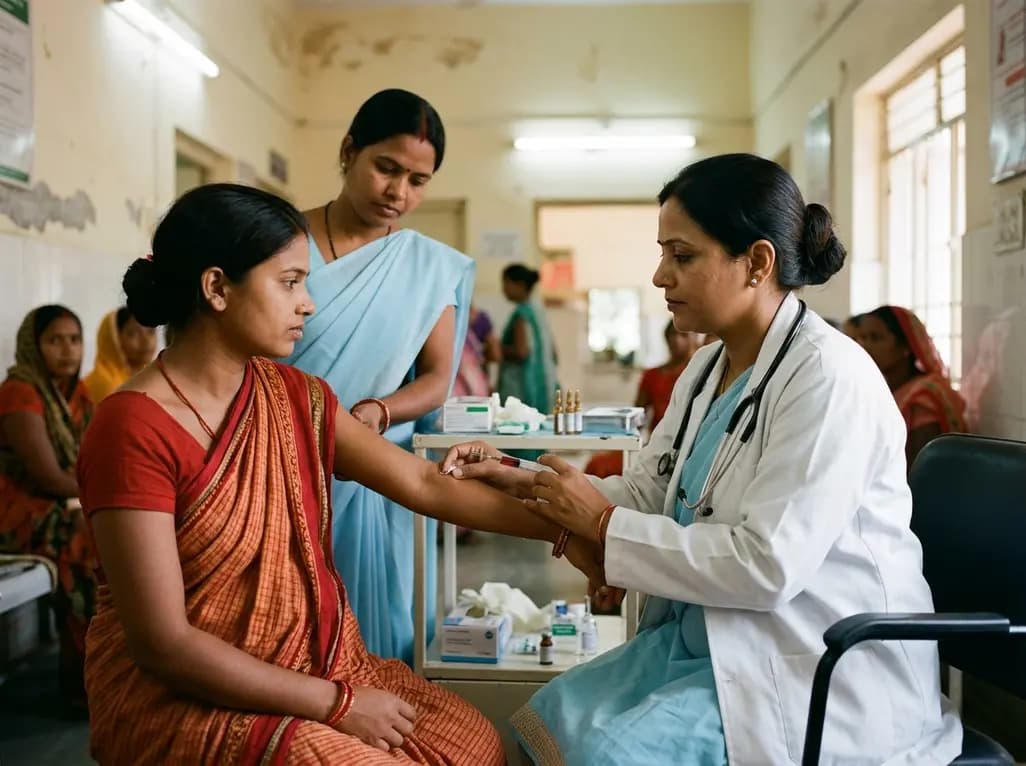
Maternal anaemia contributes to nearly half of pregnancy-related fatalities across India. To prevent complications, Uttar Pradesh has added single-dose parenteral iron to its essential medicines list. This clinical transition aims to restore haemoglobin rapidly and protect high-risk mothers across rural facilities.
Last week
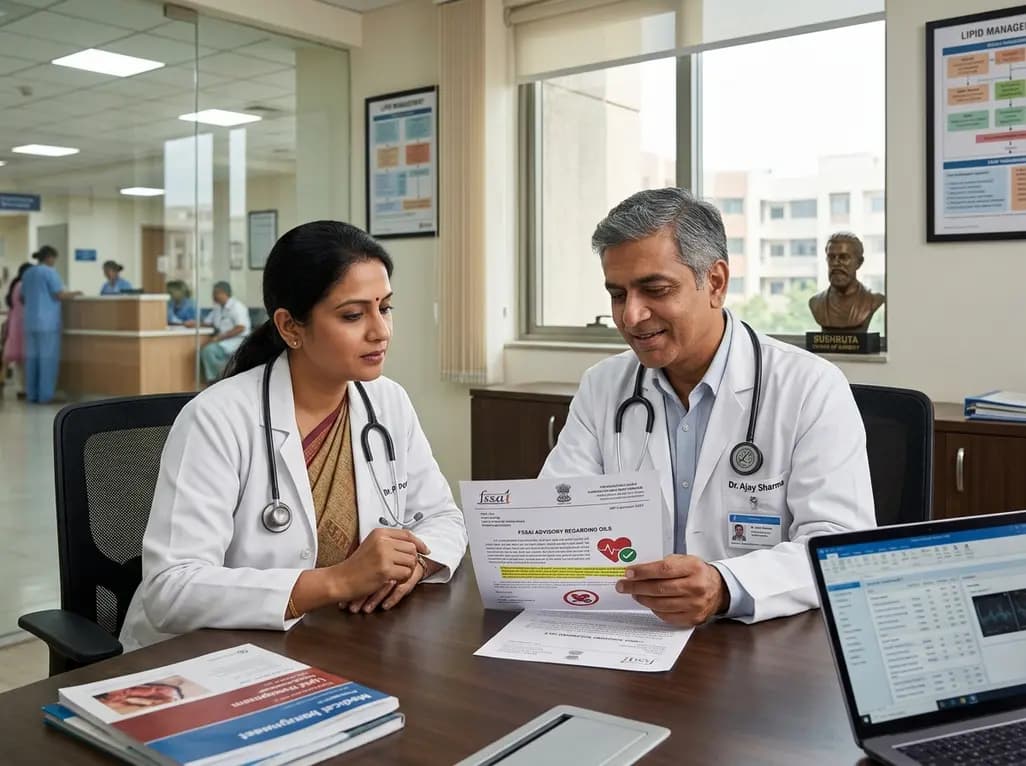
India's food safety authority FSSAI has issued show-cause notices to Gemini Edibles, BigBasket, and Flipkart for unpermitted cardiovascular claims regarding Freedom Rice Bran Oil. This regulatory move highlights the strict enforcement of advertising standards and the clinical necessity of evidence-based lipid care.
6 days back
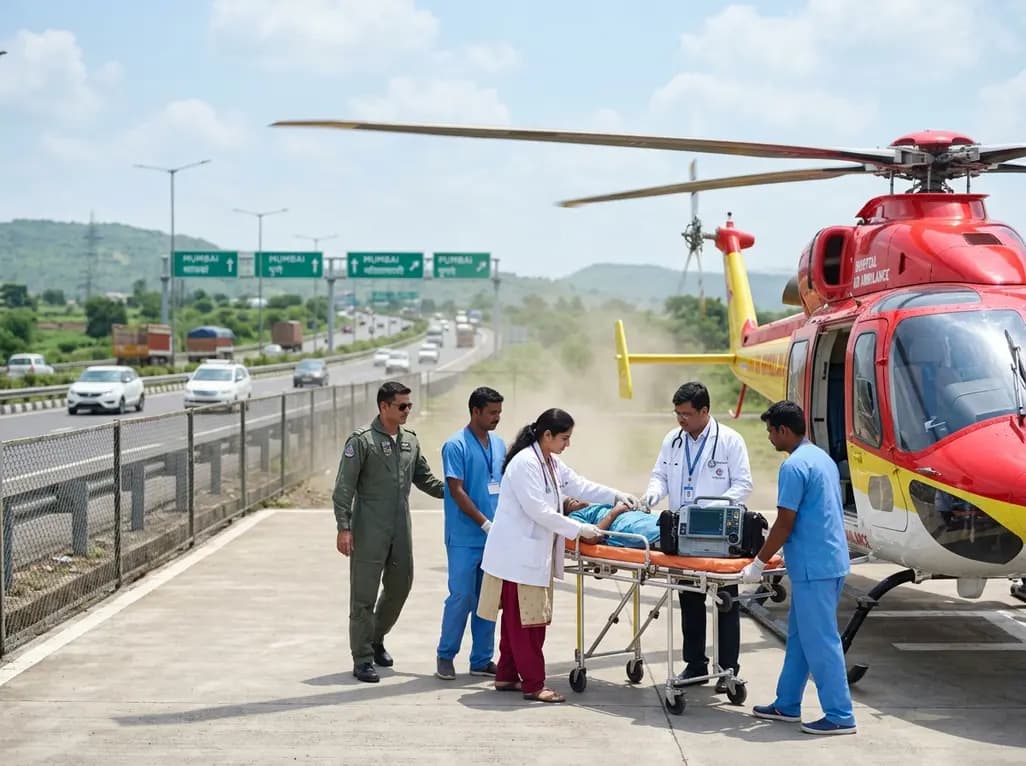
The state government is deploying helicopter emergency medical services across the Mumbai-Pune Expressway, Samruddhi Mahamarg, and Mumbai-Goa Highway. This initiative establishes unified standard operating procedures to enable rapid triage, advanced prehospital resuscitation, and seamless trauma care transfers.
Last week
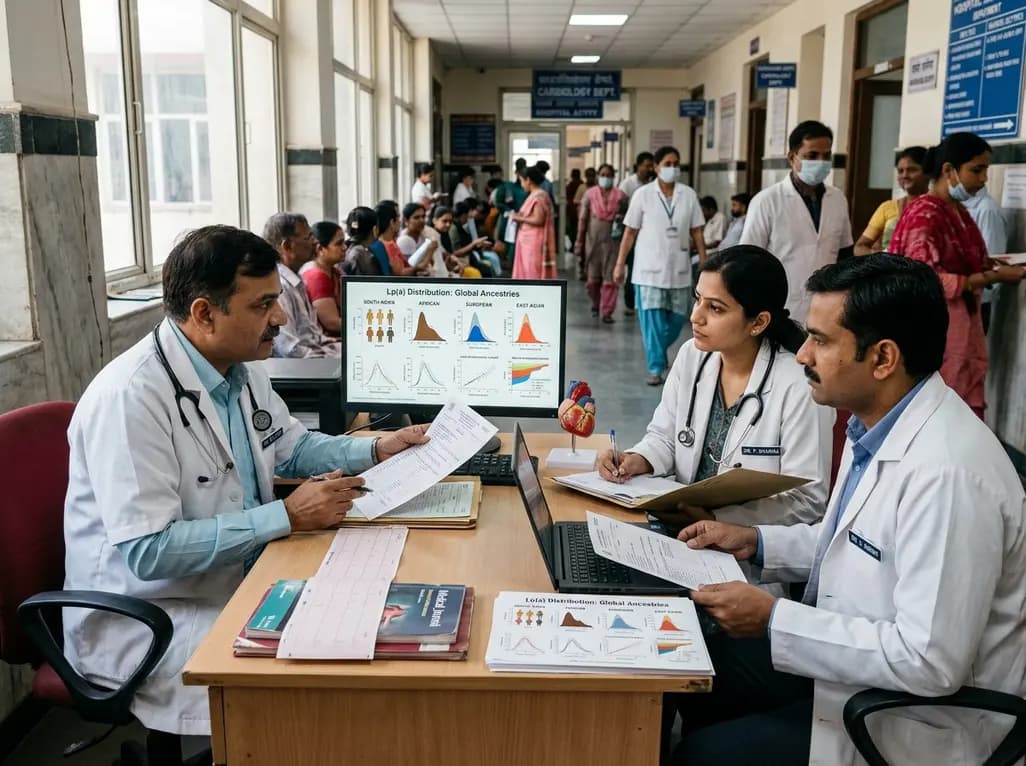
Atherosclerotic cardiovascular disease guidelines often rely on European-derived lipoprotein(a) cutoffs. However, baseline Lp(a) levels vary widely across ancestries, including South Asians and Africans. Clinicians must interpret Lp(a) values within overall absolute cardiovascular risk.
Last week
