.webp&w=384&q=75)

Loading, please wait...
Loading, please wait...
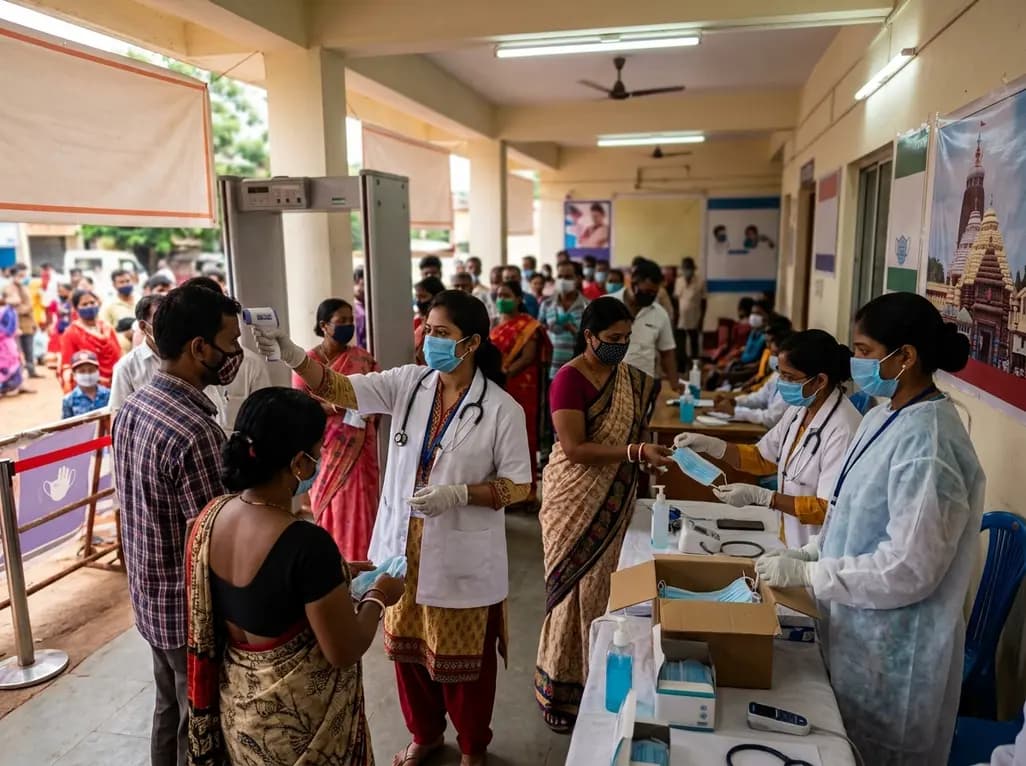
The health department of Odisha recently stepped up its COVID-19 health preparedness to secure public safety. Consequently, Health Minister Mukesh Mahaling chaired a high-level review meeting in Bhubaneswar to address rising transmission risks. This proactive evaluation follows a spike in coronavirus cases and related deaths in neighbouring Andhra Pradesh. Furthermore, officials are focusing on preventing any localized outbreak ahead of the grand Puri Rath Yatra festival. Therefore, the administration has placed its entire healthcare machinery and sub-divisional hospitals on immediate alert. Fortunately, the state has not reported any confirmed active cases within its borders yet. However, the impending influx of millions of devotees requires absolute vigilance from public health authorities. Thus, senior health administrators have initiated aggressive pre-emptive strategies across all districts, focusing particularly on border regions. Specifically, the department aims to build a robust safety net to handle any sudden medical emergencies during the festival. Ultimately, these proactive measures will safeguard both local citizens and arriving pilgrims during the massive congregation.
To prevent cross-border transmission, the health department has put bordering districts on extreme alert. Specifically, districts sharing borders with Andhra Pradesh, such as Ganjam and Koraput, are implementing rigorous screening protocols. Consequently, the Chief District Medical and Public Health Officers have instructed all local healthcare institutions to remain on high alert. In addition, medical staff must now perform mandatory testing on all patients presenting with Severe Acute Respiratory Infection. This systematic clinical testing ensures that health authorities can detect and isolate any potential infections early. Therefore, hospitals are keeping isolation wards ready for immediate deployment of suspected cases. Meanwhile, the state government is maintaining continuous coordination with the Union Ministry of Health. Consequently, local medical teams will strictly follow the revised guidelines issued by the central health ministry. Furthermore, local administrations have established screening camps at key border transit points. Additionally, healthcare workers are monitoring interstate transit passengers for symptoms. Thus, this integrated approach ensures that border surveillance remains robust and highly effective against external viral threats.
The annual Rath Yatra festival in Puri is one of the grandest events, drawing millions of global devotees. Therefore, ensuring comprehensive COVID-19 health preparedness during this massive event is of paramount importance. To achieve this, Health Minister Mukesh Mahaling announced the deployment of approximately one thousand medical professionals in Puri. Specifically, this dedicated workforce includes experienced doctors, staff nurses, and trained paramedical personnel. Additionally, the health department has set up eight fully functional temporary hospitals in strategic locations. Consequently, emergency evacuation corridors are now in place to facilitate rapid patient transfers in case of crowd surges. Furthermore, critical ICU facilities and emergency medicines have been thoroughly stocked to handle acute situations. Thus, the state's healthcare infrastructure is completely ready to manage any unexpected health crisis. By doing this, the administration aims to deliver seamless medical services throughout the entire nine-day festival. Finally, coordination with local police and security forces ensures that medical vehicles have unobstructed movement during emergencies.
The state's Directorate of Public Health is supervising the implementation of strict clinical protocols in all districts. Specifically, public health officials have directed sub-divisional hospitals, community health centres, and primary health centres to scale up testing. Consequently, clinicians must prioritize the diagnosis of influenza-like illnesses and severe respiratory cases. In addition, major medical centers have established separate isolation spaces to prevent cross-contamination. Furthermore, medical superintendents must ensure an uninterrupted supply of essential diagnostic kits and life-saving drugs. Therefore, biomedical engineers are conducting regular dry runs of oxygen plants and ventilator systems across the state. This proactive hospital preparedness ensures that the system can scale up operations immediately if cases rise. Additionally, health workers are receiving specialized training in infection control practices. Moreover, medical laboratories have optimized test processing systems. Consequently, rapid diagnostic reporting will facilitate prompt clinical decision-making. Ultimately, these comprehensive clinical protocols form the cornerstone of Odisha's defensive strategy against a potential viral resurgence.
Amid reports of rising cases in neighbouring states, the government is focusing on preventing public panic. Specifically, Health Minister Mukesh Mahaling appealed to the public to remain calm and avoid spreading unverified rumours. Additionally, the department of health has urged citizens to rely exclusively on official government communiqués. Therefore, the administration is actively publishing real-time updates through authenticated health portals. Consequently, health workers are conducting awareness campaigns to reinforce basic hygiene practices like hand sanitization. However, officials also emphasize that the current situation does not warrant any extreme public restrictions. Instead, maintaining basic vigilance and personal hygiene will suffice to keep the virus at bay. Ultimately, building public trust and keeping citizens well-informed remains a key priority for the state government during this period. Furthermore, community leaders are actively disseminating accurate information and dispelling myths. Through these collaborative public engagement efforts, the government aims to maintain social harmony while prioritizing health safety.
Q1: What specific measures has the Odisha government taken to tackle the potential COVID-19 spread?
The Odisha government has initiated intense surveillance in border districts and deployed around one thousand medical personnel, including doctors and nurses, for the Rath Yatra festival. Additionally, the state has established eight temporary hospitals with ICU facilities in Puri, stockpiled essential medicines, and mandated immediate testing for all patients showing severe respiratory symptoms across major health facilities.
Q2: Is there any reason for the public to panic regarding the COVID-19 situation in Odisha?
Currently, there is absolutely no reason for the public to panic as Odisha has not reported any active COVID-19 cases. However, the state health department remains highly vigilant due to a rise in cases in neighbouring Andhra Pradesh. The government is closely coordinating with the central ministry to implement robust preventive measures and maintain public safety.
Q3: How are the border districts of Odisha responding to the rise in cases in Andhra Pradesh?
Border districts, especially Ganjam and Koraput, have been placed on high alert with strict screening protocols in place. Specifically, medical officers at all community and primary health centres have been instructed to conduct mandatory COVID-19 testing for anyone suffering from Severe Acute Respiratory Infection, thereby ensuring early detection and rapid isolation of positive cases.
Disclaimer: This content is for informational and educational purposes only. It does not constitute medical advice or replace professional judgment. Refer to the latest local and national guidelines for clinical practice.
References

Read summarized clinical updates, watch expert medical content, and earn CME certifications right from your smartphone.
Open your smartphone camera to scan and install.





Odisha's health department has launched intensive COVID-19 surveillance and safety measures following a rise in cases in neighbouring Andhra Pradesh. Ahead of the grand Rath Yatra in Puri, the state has deployed medical teams and put border districts on alert to prevent any viral transmission during the festival.
3 months ago
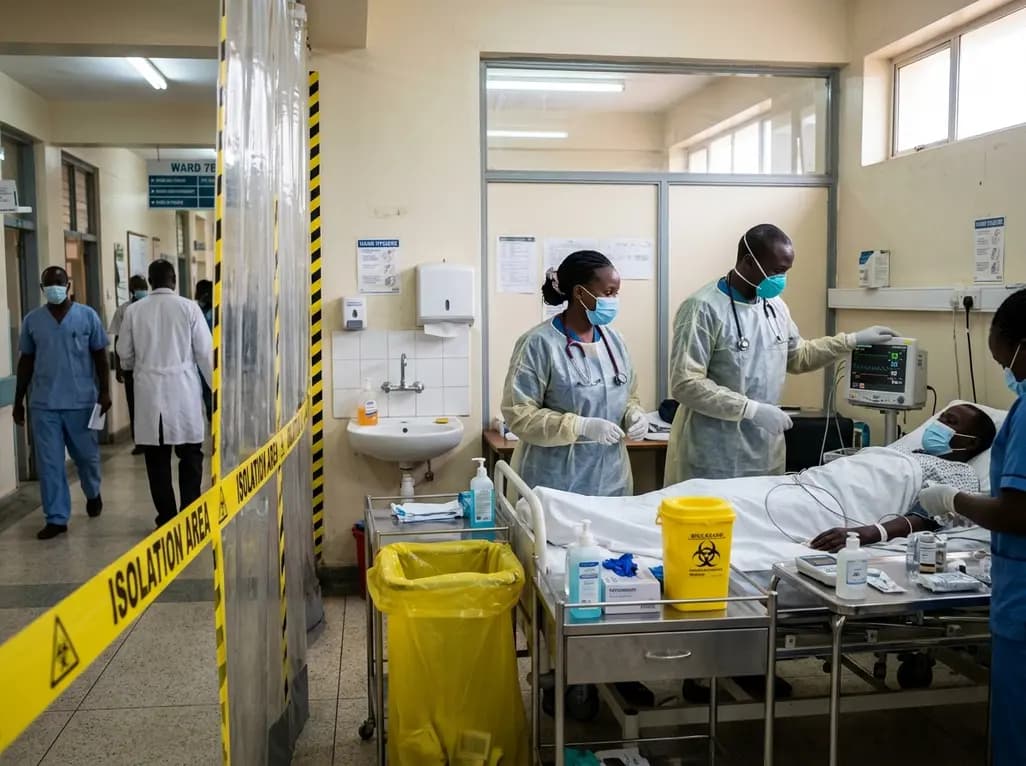
Kenya's confirmation of its eighth Ebola infection highlights the acute risk of secondary transmission in hospital environments. Clinicians must maintain high vigilance, enforce strict infection prevention protocols, and implement rapid triage mechanisms for viral hemorrhagic fevers across healthcare settings.
4 days back
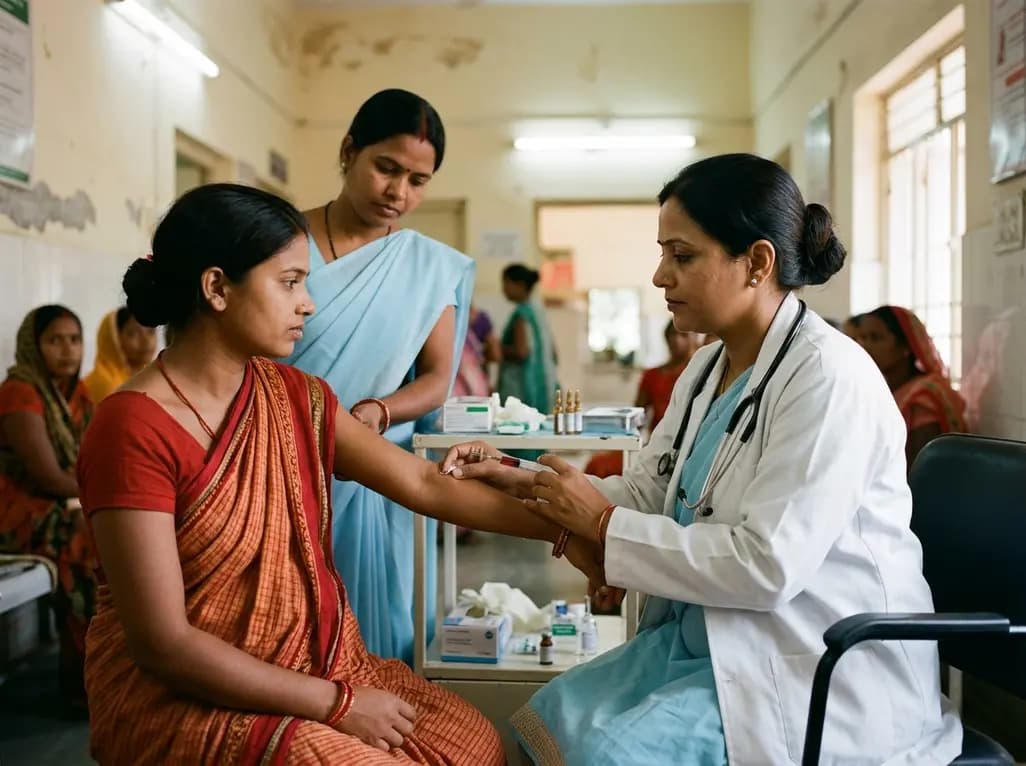
Maternal anaemia contributes to nearly half of pregnancy-related fatalities across India. To prevent complications, Uttar Pradesh has added single-dose parenteral iron to its essential medicines list. This clinical transition aims to restore haemoglobin rapidly and protect high-risk mothers across rural facilities.
Last week
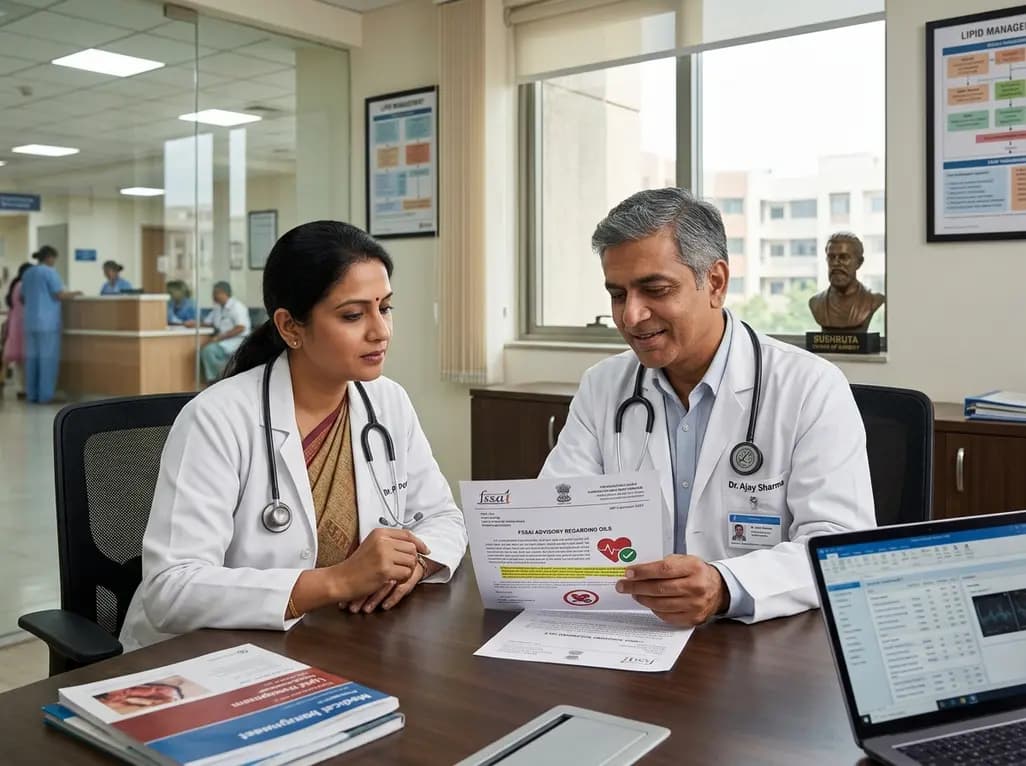
India's food safety authority FSSAI has issued show-cause notices to Gemini Edibles, BigBasket, and Flipkart for unpermitted cardiovascular claims regarding Freedom Rice Bran Oil. This regulatory move highlights the strict enforcement of advertising standards and the clinical necessity of evidence-based lipid care.
6 days back
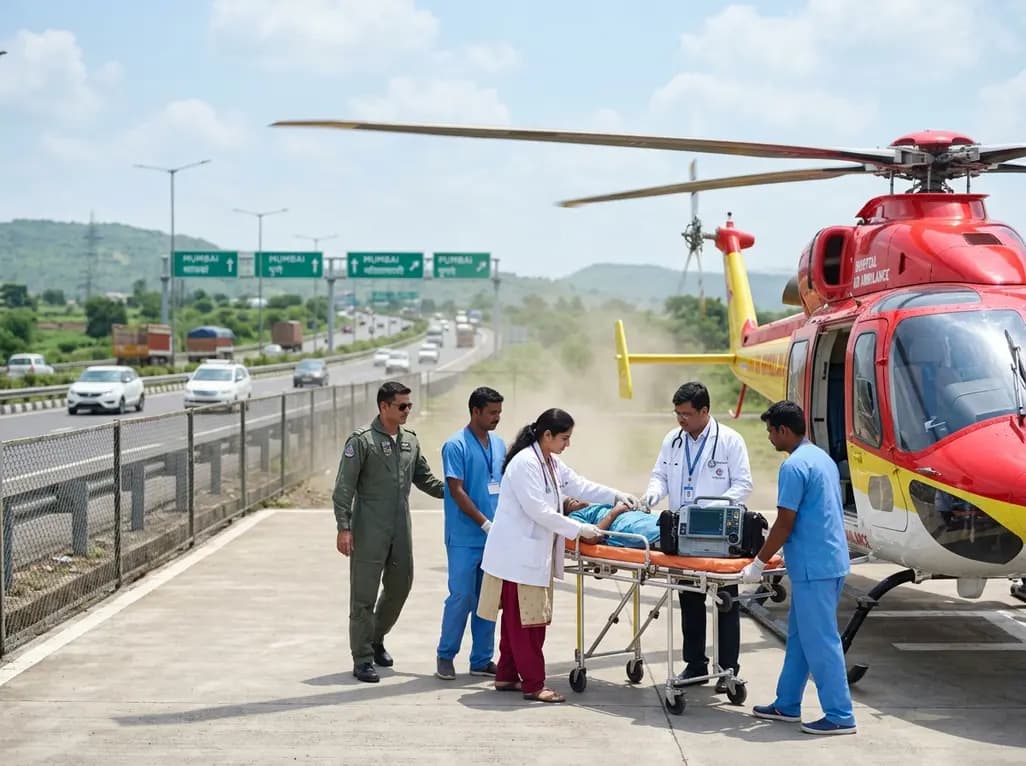
The state government is deploying helicopter emergency medical services across the Mumbai-Pune Expressway, Samruddhi Mahamarg, and Mumbai-Goa Highway. This initiative establishes unified standard operating procedures to enable rapid triage, advanced prehospital resuscitation, and seamless trauma care transfers.
Last week
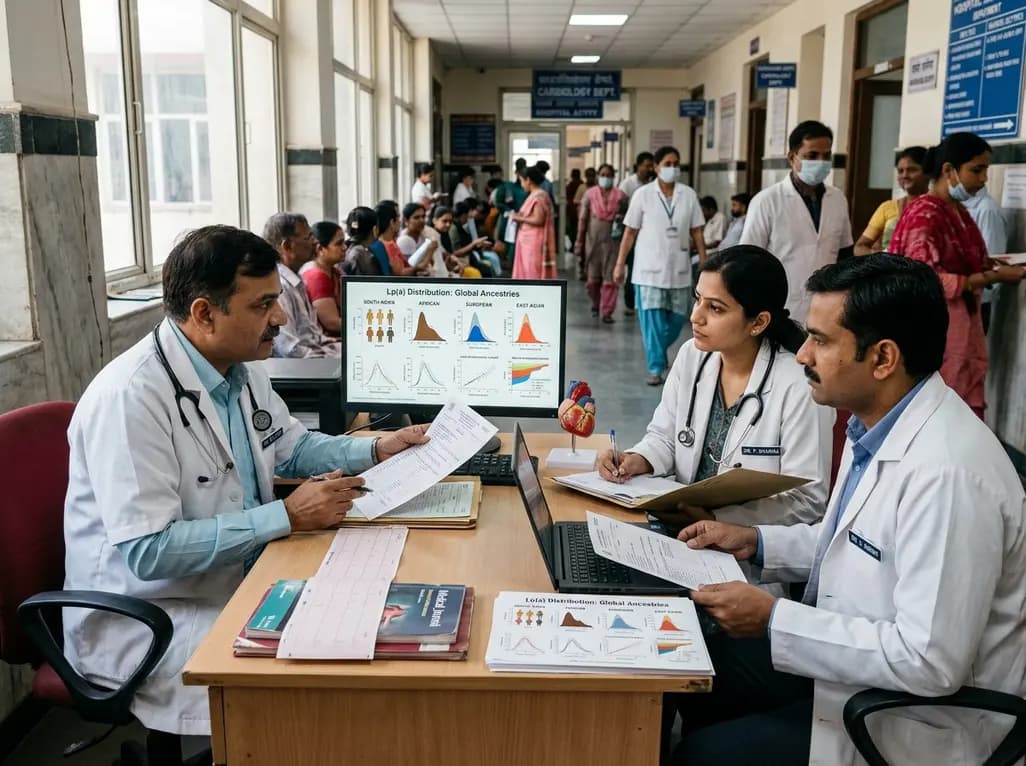
Atherosclerotic cardiovascular disease guidelines often rely on European-derived lipoprotein(a) cutoffs. However, baseline Lp(a) levels vary widely across ancestries, including South Asians and Africans. Clinicians must interpret Lp(a) values within overall absolute cardiovascular risk.
Last week
