.webp&w=384&q=75)

Loading, please wait...
Loading, please wait...

Chief Economic Advisor (CEA) V Anantha Nageswaran recently warned that India faces a major challenge regarding public health. Specifically, he noted that the nation risks becoming unhealthier before it becomes rich. Rising rates of obesity in India, driven by sedentary lifestyles, now threaten to weaken the country's economic productivity. Consequently, the government highlights health as a core driver of economic growth.
Recent reports from the National Family Health Survey (NFHS) paint a worrying picture of the country's physical health. Although India has made progress in maternal health and infant survival, the prevalence of overweight individuals has risen significantly. This metabolic crisis affects all socioeconomic classes, across both rural and urban areas. Therefore, clinical practitioners must actively screen for cardiovascular and metabolic risks in their everyday practice.
Several environmental and behavioral factors fuel this trend. First, modern urban design in Indian cities prioritizes motorized vehicles over pedestrians and cyclists. Second, lack of regular physical activity and late-evening eating routines further disrupt metabolic health. In fact, reports show that only a small fraction of the population exercises regularly. Healthcare providers should therefore counsel patients to avoid prolonged sitting and early dinner habits.
Medical experts recommend integrating simple lifestyle interventions to reverse the rise of obesity in India. Clinicians can encourage patients to incorporate physical activity into their daily chores. For instance, people can climb stairs instead of using elevators. Furthermore, walking in corridors and practicing a brief digital detox can enhance both physical and mental well-being. Ultimately, maintaining a healthy weight remains essential to prevent chronic metabolic conditions.
Q1: Why is rising obesity in India a major economic concern?
Rising obesity directly reduces labor productivity by increasing absenteeism and leading to a higher prevalence of chronic illnesses. Consequently, public health is now treated as a key growth factor in economic planning.
Q2: What did the National Family Health Survey (NFHS) reveal about obesity in India?
The latest NFHS data indicates that while maternal and infant survival rates have improved, overweight and obesity rates have worsened significantly. This trend affects individuals across all income levels, genders, and geographic locations.
Q3: What simple lifestyle modifications can clinicians recommend to sedentary patients?
Clinicians can suggest simple activities like climbing stairs and walking in office hallways. Furthermore, early dinners and a digital detox can also improve physical and mental health.
Disclaimer: This content is for informational and educational purposes only. It does not constitute medical advice or replace professional judgment. Refer to the latest local and national guidelines for clinical practice.
References

Read summarized clinical updates, watch expert medical content, and earn CME certifications right from your smartphone.
Open your smartphone camera to scan and install.





Chief Economic Advisor V Anantha Nageswaran warns that rising obesity and sedentary lifestyles pose a major threat to India's future economic productivity. With latest NFHS data revealing alarming increases in overweight rates, experts urge immediate actions to promote physical activity and healthier diets.
4 months ago
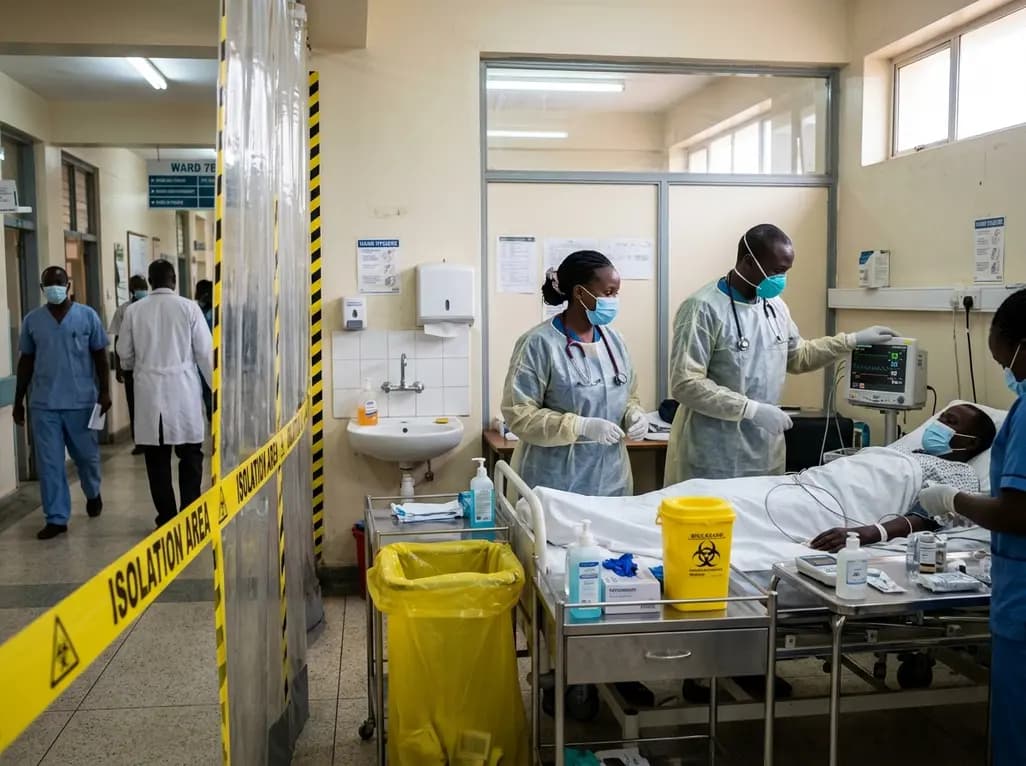
Kenya's confirmation of its eighth Ebola infection highlights the acute risk of secondary transmission in hospital environments. Clinicians must maintain high vigilance, enforce strict infection prevention protocols, and implement rapid triage mechanisms for viral hemorrhagic fevers across healthcare settings.
4 days back
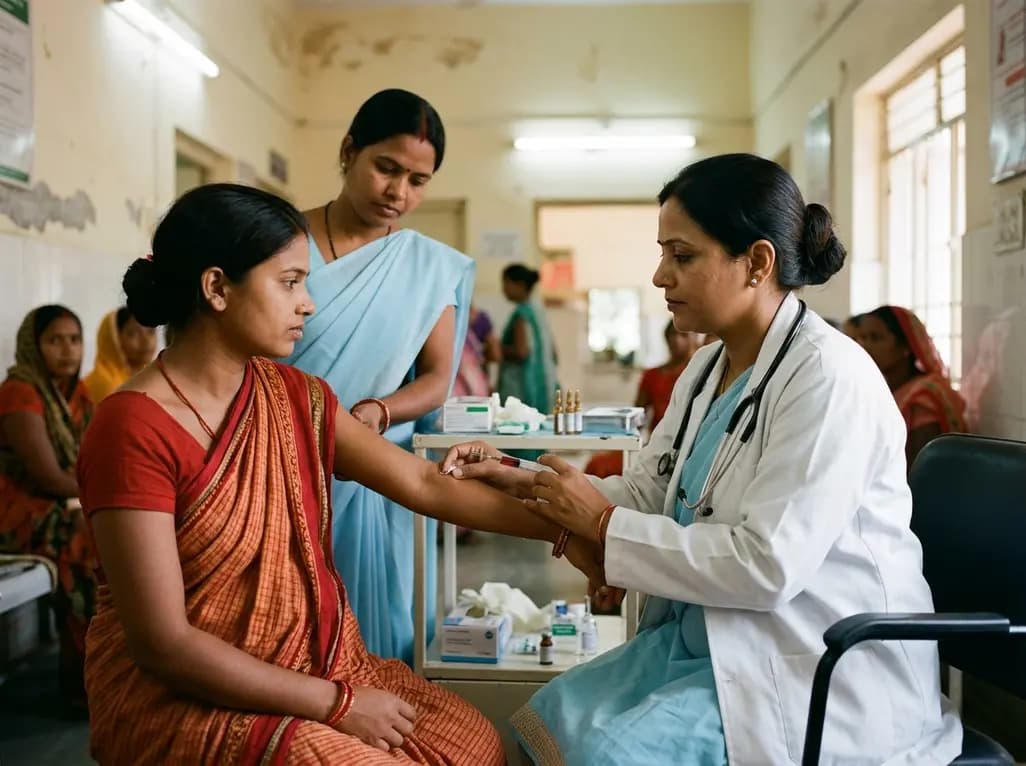
Maternal anaemia contributes to nearly half of pregnancy-related fatalities across India. To prevent complications, Uttar Pradesh has added single-dose parenteral iron to its essential medicines list. This clinical transition aims to restore haemoglobin rapidly and protect high-risk mothers across rural facilities.
Last week
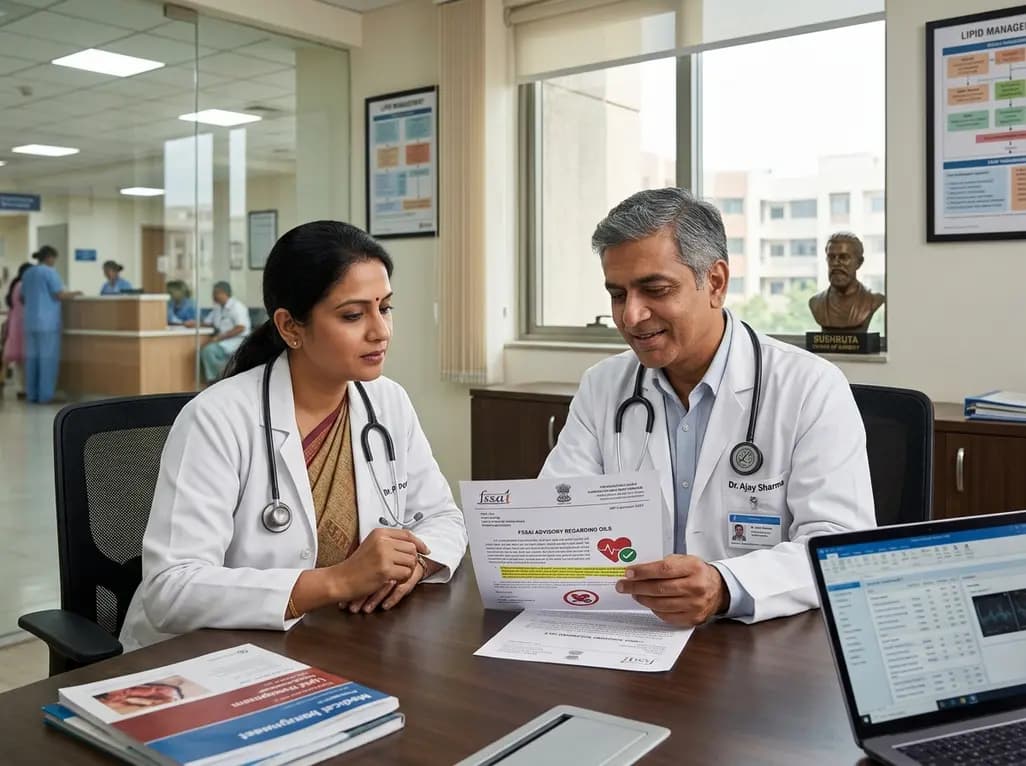
India's food safety authority FSSAI has issued show-cause notices to Gemini Edibles, BigBasket, and Flipkart for unpermitted cardiovascular claims regarding Freedom Rice Bran Oil. This regulatory move highlights the strict enforcement of advertising standards and the clinical necessity of evidence-based lipid care.
6 days back

The state government is deploying helicopter emergency medical services across the Mumbai-Pune Expressway, Samruddhi Mahamarg, and Mumbai-Goa Highway. This initiative establishes unified standard operating procedures to enable rapid triage, advanced prehospital resuscitation, and seamless trauma care transfers.
Last week
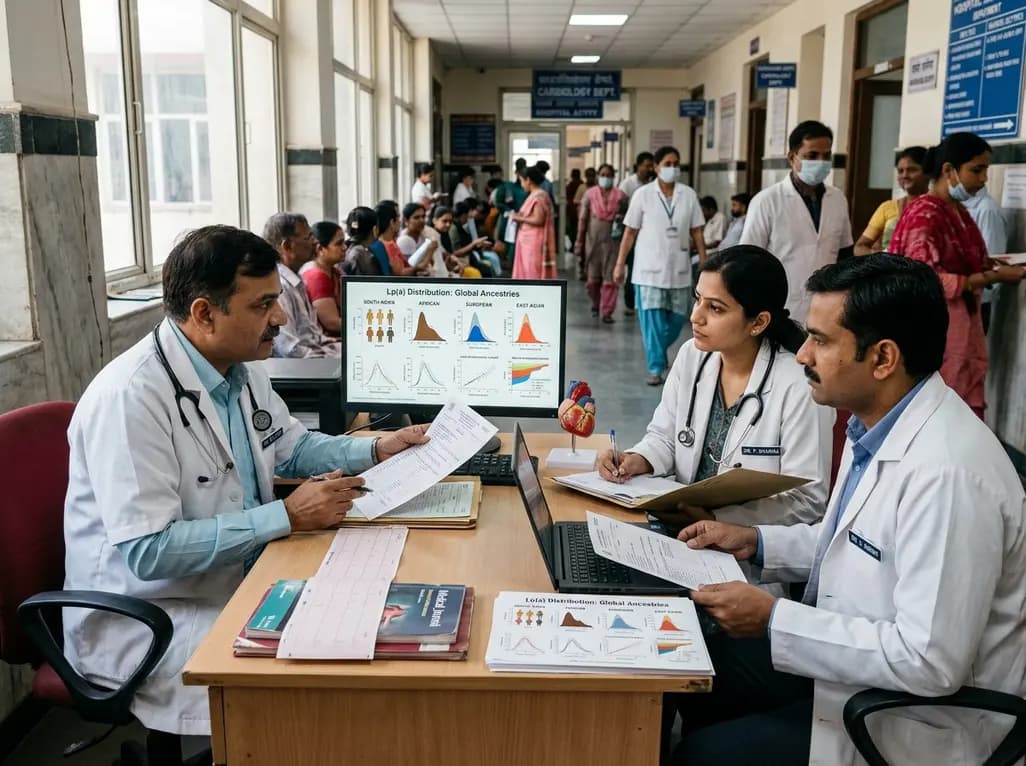
Atherosclerotic cardiovascular disease guidelines often rely on European-derived lipoprotein(a) cutoffs. However, baseline Lp(a) levels vary widely across ancestries, including South Asians and Africans. Clinicians must interpret Lp(a) values within overall absolute cardiovascular risk.
Last week
