.webp&w=384&q=75)

Loading, please wait...
Loading, please wait...
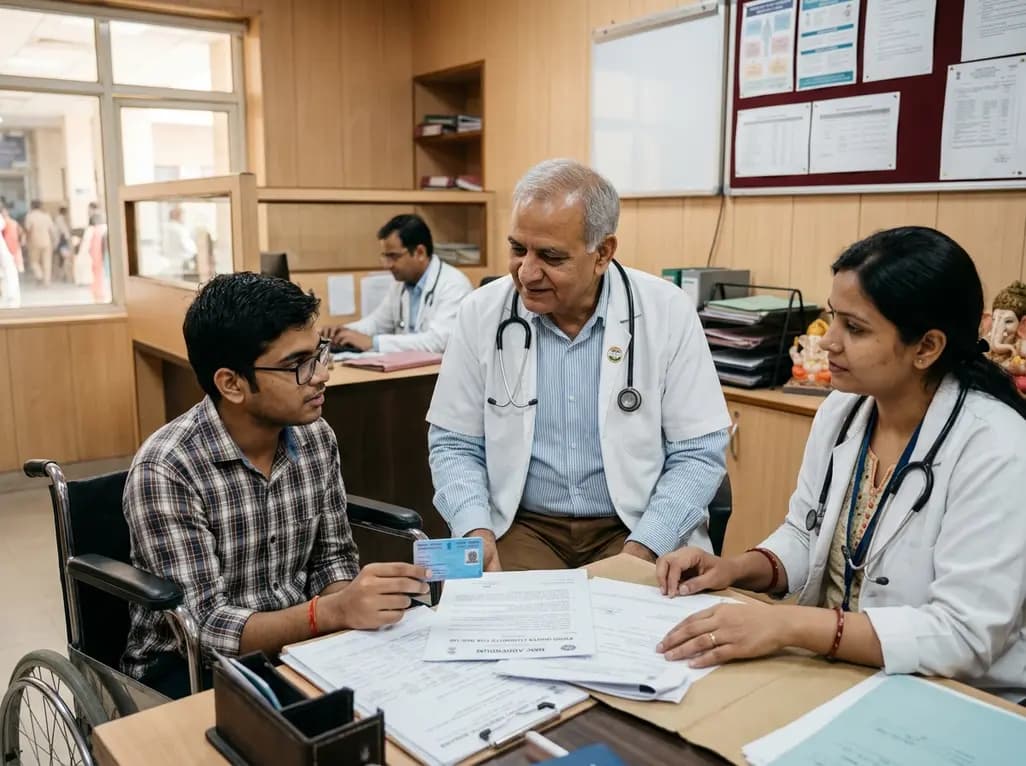
The National Medical Commission has recently issued a crucial addendum regarding undergraduate medical admissions across India. Consequently, medical aspirants holding a temporary disability certificate or a temporary Unique Disability Identity card cannot be disqualified solely on that ground. Candidates seeking seats under the Persons with Benchmark Disabilities quota previously faced administrative obstacles at designated centers. However, the regulatory authority clarified that temporary documentation does not prohibit students from participating in NEET UG counseling. Therefore, medical assessment boards must evaluate each candidate individually before granting an official eligibility certificate. This policy update aligns medical admission norms with national disability legislation and recent judicial observations. Furthermore, the commission emphasized that equal access remains a core priority for medical education. Authorities previously introduced distinctions between temporary and permanent conditions, which led to confusion among applicants. Nevertheless, the revised directives ensure a uniform national standard across all participating assessment centers. Medical counseling committees must now implement these instructions immediately during choice filling. As a result, qualified candidates with documented benchmark disabilities can pursue medical education without arbitrary procedural barriers.
The revised admission guidelines directly align with the Rights of Persons with Disabilities Act of 2016. Additionally, the commission incorporated provisions from the 2024 Rules and a 2025 office memorandum. That statutory memorandum specified that progressive or non-progressive conditions should not bar individuals from statutory rights. Consequently, the National Medical Commission published this addendum to harmonize its guidelines with federal legislation. Historically, administrative boards often rejected temporary certificates due to strict interpretations of counseling rules. However, the government reaffirmed that temporary certification reflects ongoing assessment rather than lack of entitlement. Therefore, students whose conditions are categorized as progressive, non-progressive, or unlikely to improve remain eligible. Subsequently, designated assessment centers must follow these harmonized standards during document verification. Disability rights advocates welcomed this regulatory correction, citing past student harassment at regional centers. Furthermore, the legal mandate ensures that administrative rules do not override statutory protections guaranteed by Parliament. As a result, the medical admission process becomes significantly more inclusive and equitable for all disabled aspirants.
Although candidates holding temporary documentation are eligible, mandatory evaluation by Medical Assessment Boards remains essential. Specifically, designated boards across the country conduct comprehensive functional competency assessments for all applicants. Evaluators look beyond static medical diagnoses or numerical disability percentages recorded on identity cards. Instead, experts determine whether candidates possess the physical and cognitive capabilities necessary for clinical training. Consequently, boards assess practical skills, communication abilities, mobility, and the effective use of assistive technology. Furthermore, candidates whose disability status is explicitly recorded as likely to improve must undergo specific reassessment procedures. Medical boards then determine whether the benchmark disability threshold continues to be satisfied prior to counseling. Subsequently, approved candidates receive a standardized eligibility certificate required for seat allotment. Overall, this approach balances reasonable accommodation with patient safety and rigorous academic standards. Therefore, assessment boards fulfill a protective role while ensuring transparent and evidence-based evaluations for every candidate.
This regulatory update provides immense relief to hundreds of NEET UG aspirants across the nation. Previously, students faced severe distress at assessment centers in major cities like Delhi, Mumbai, and Agartala. Many applicants were turned away simply because their disability identity cards lacked permanent status. However, the explicit NMC addendum eliminates this procedural hurdle for all future counseling rounds. Consequently, state entrance cells and central counseling authorities have updated their registration instructions accordingly. Candidates must present their scorecards, disability documents, and self-certified affidavits during physical verification. Moreover, candidates can utilize authorized state or central medical assessment boards to secure their eligibility certificates. However, the commission warned that submitting fraudulent affidavits or fake identity cards will yield severe legal consequences. As a result, seats allotted on fraudulent grounds will be cancelled immediately alongside criminal prosecution. Ultimately, honest applicants gain a fair opportunity to secure seats in undergraduate medical colleges nationwide.
The transition toward competency-based assessment marks a major paradigm shift in Indian medical education regulations. Historically, medical boards relied heavily on rigid numerical percentages to decide candidate fitness. However, modern educational frameworks prioritize functional competency, reasonable accommodation, and modern adaptive tools. Furthermore, expanding the number of designated medical assessment centers nationwide enhances accessibility for rural applicants. As a result, students can complete mandatory evaluations without traveling long distances across state borders. In addition, ongoing regulatory reforms continue to refine the Competency Based Medical Education framework to support diverse learners. Medical institutions must also develop inclusive infrastructure, ergonomic modifications, and supportive learning environments for disabled students. Consequently, these systemic improvements ensure that healthcare professionals represent diverse backgrounds while maintaining patient care quality. Therefore, the medical fraternity advances toward a progressive and inclusive educational ecosystem for future generations of physicians.
Q1: Can a candidate with a temporary disability certificate apply for PwBD quota seats?
Yes, candidates holding a temporary disability certificate or temporary UDID card can apply for MBBS seats under the PwBD quota. The National Medical Commission explicitly clarified that temporary documentation cannot be the sole basis for denial. However, candidates must undergo functional competency assessment by a designated Medical Assessment Board to receive an official eligibility certificate before participating in NEET UG counseling choice filling.
Q2: What happens if a candidate's disability is recorded as likely to improve?
Candidates holding temporary identity cards with disabilities recorded as likely to improve must undergo reassessment by designated Medical Assessment Boards. The board evaluates whether the candidate currently meets the benchmark disability requirement of 40 percent or more. Additionally, the panel assesses functional competencies necessary for MBBS curriculum completion. If eligible, the board issues the required eligibility certificate for upcoming counseling rounds.
Q3: Where can PwBD candidates obtain their official eligibility certificate for counseling?
Candidates must visit one of the designated Medical Assessment Boards notified by the Medical Counselling Committee or state entrance authorities. Applicants must submit their NEET UG scorecards, temporary or permanent UDID cards, and prescribed self-certified affidavits. The board conducts physical and functional evaluations to generate the official eligibility certificate required for seat allotment under the reservation quota.
Disclaimer: This content is for informational and educational purposes only. It does not constitute medical advice or replace professional judgment. Refer to the latest local and national guidelines for clinical practice.
References

Read summarized clinical updates, watch expert medical content, and earn CME certifications right from your smartphone.
Open your smartphone camera to scan and install.





The National Medical Commission has issued an addendum clarifying that holding a temporary disability certificate or UDID card will not disqualify NEET UG candidates from claiming PwBD quota seats. Medical Assessment Boards will assess functional competency to ensure fair access under the RPwD Act 2016.
last month
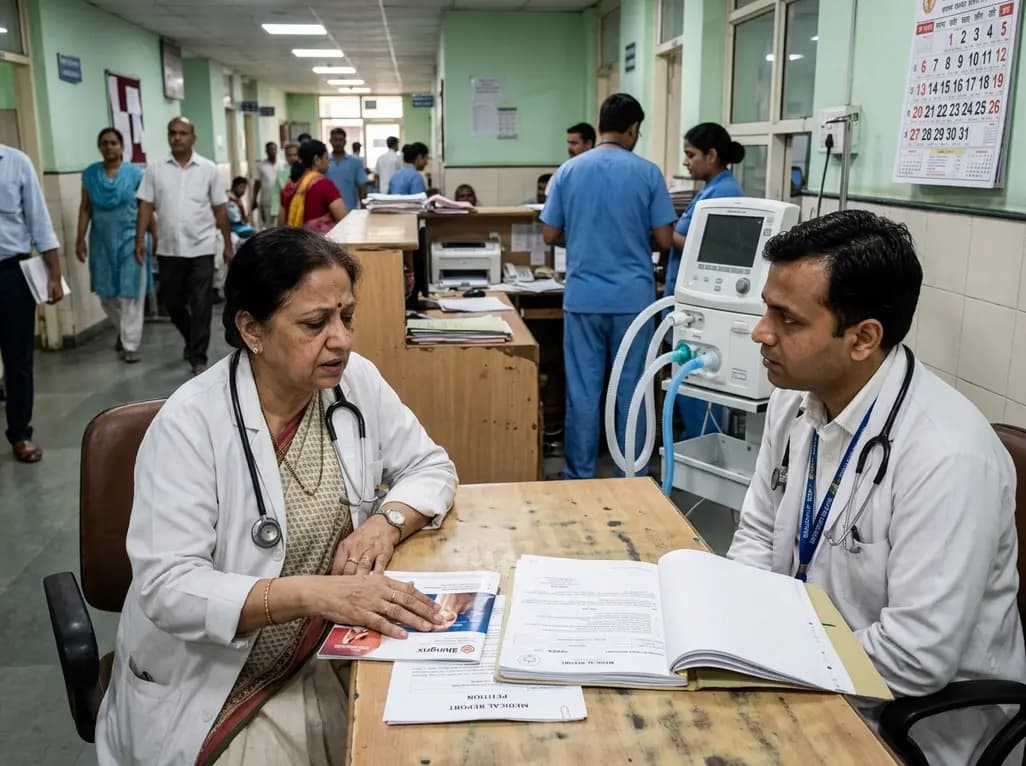
A special Delhi court has directed former DGHS Dr. Vatsala Aggarwal to surrender after refusing her relief plea. Despite clinical submissions citing immunocompromised status, scheduled Shingrix immunization, and adaptive servo-ventilation needs, the court held that jail authorities can manage these medical requirements.
6 days back
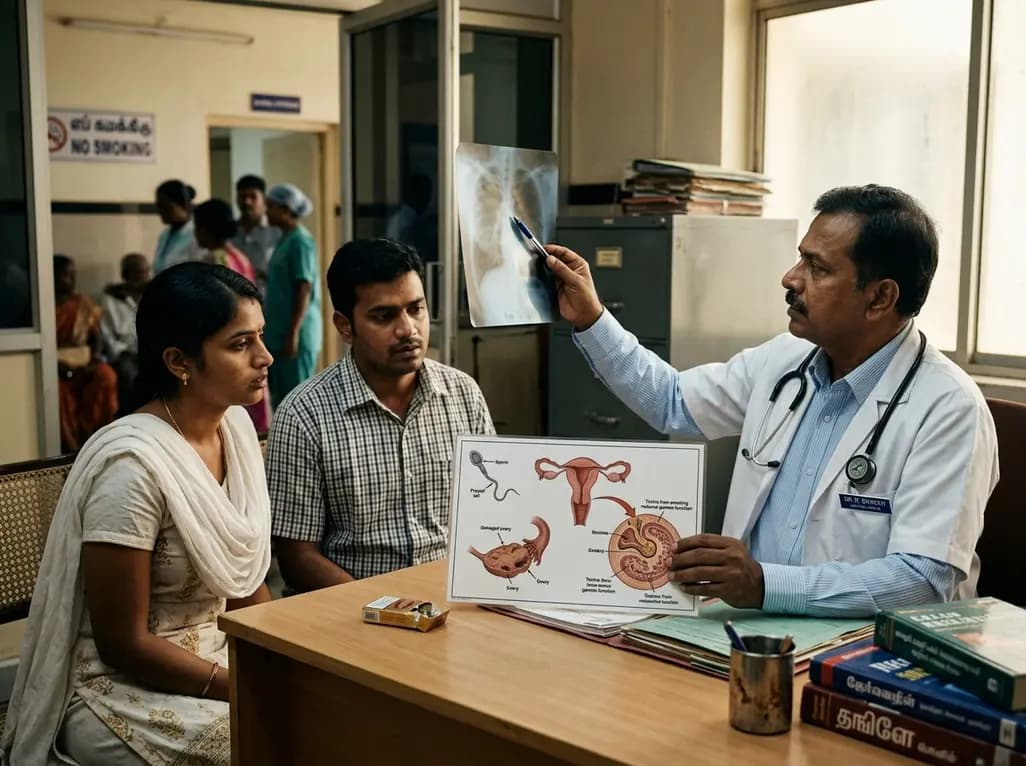
A global knowledge summary from the World Health Organization warns that tobacco smoking significantly increases infertility risks in women and causes substantial sperm and erectile dysfunction in men. Fortunately, quitting smoking substantially lowers these risks, providing clear reproductive benefits.
Last week
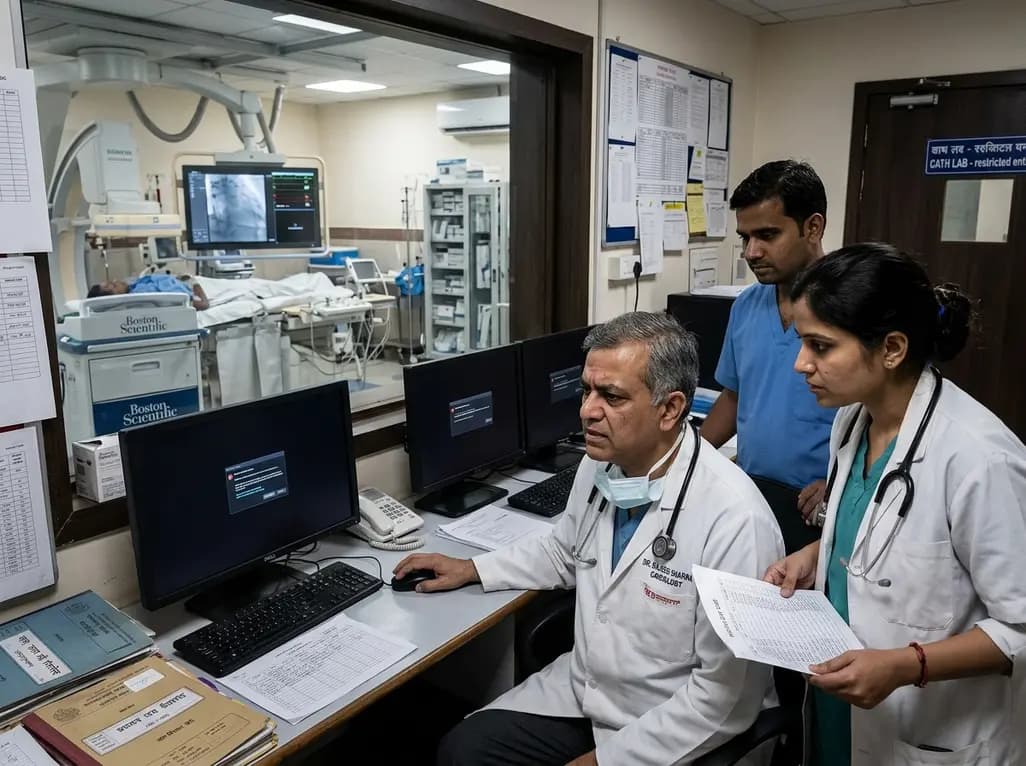
A major cybersecurity breach disrupted global operations at Boston Scientific, delaying device distribution and remote cardiac monitoring activations. This analysis examines the immediate consequences for clinical catheterization suites, electrophysiology teams, hospital inventory systems, and patient care safety.
Last week
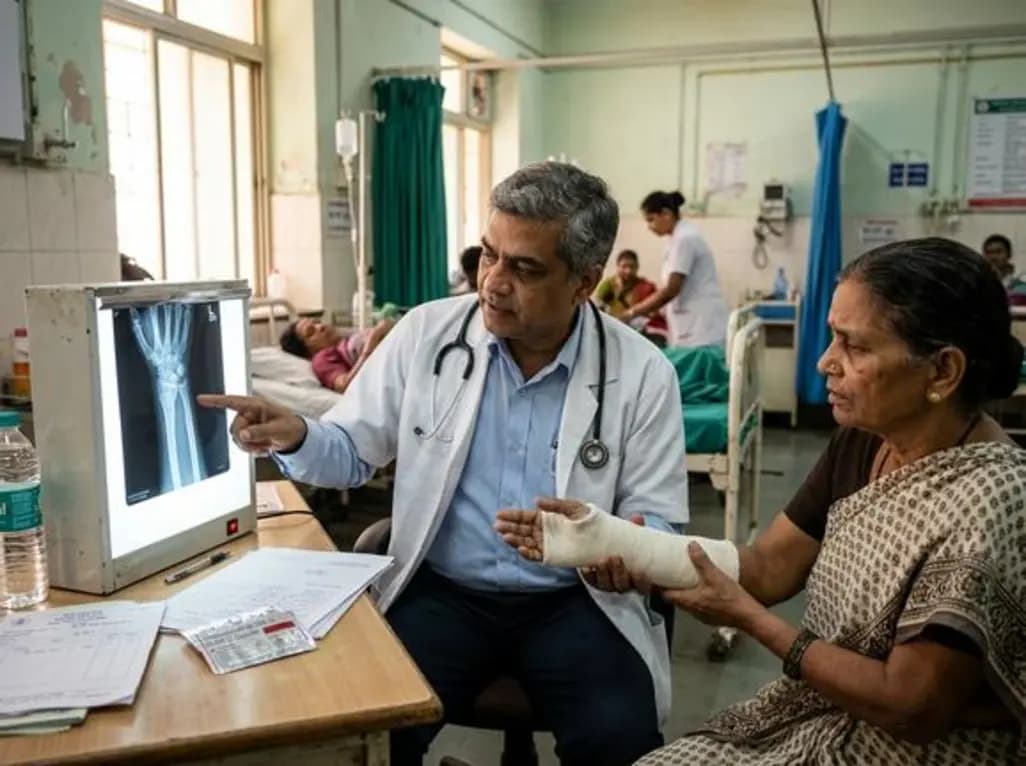
Nearly 80% of Indians suffer from inadequate Vitamin D, causing silent bone weakening and sudden fractures. This expert guide reviews why mega-dose therapy is critical for high-risk patients, the key factors driving widespread deficiency, and the mandatory medical evaluations needed to protect skeletal health.
3 months ago

A nationwide mixed-methods study evaluated hospital glycemic management systems across 265 hospitals. While real-time alerts and automatic data sync are highly valued, significant disparities in digital maturity and low satisfaction with decision support highlight the need for standardized implementation.
3 weeks back
