.webp&w=384&q=75)

Loading, please wait...
Loading, please wait...
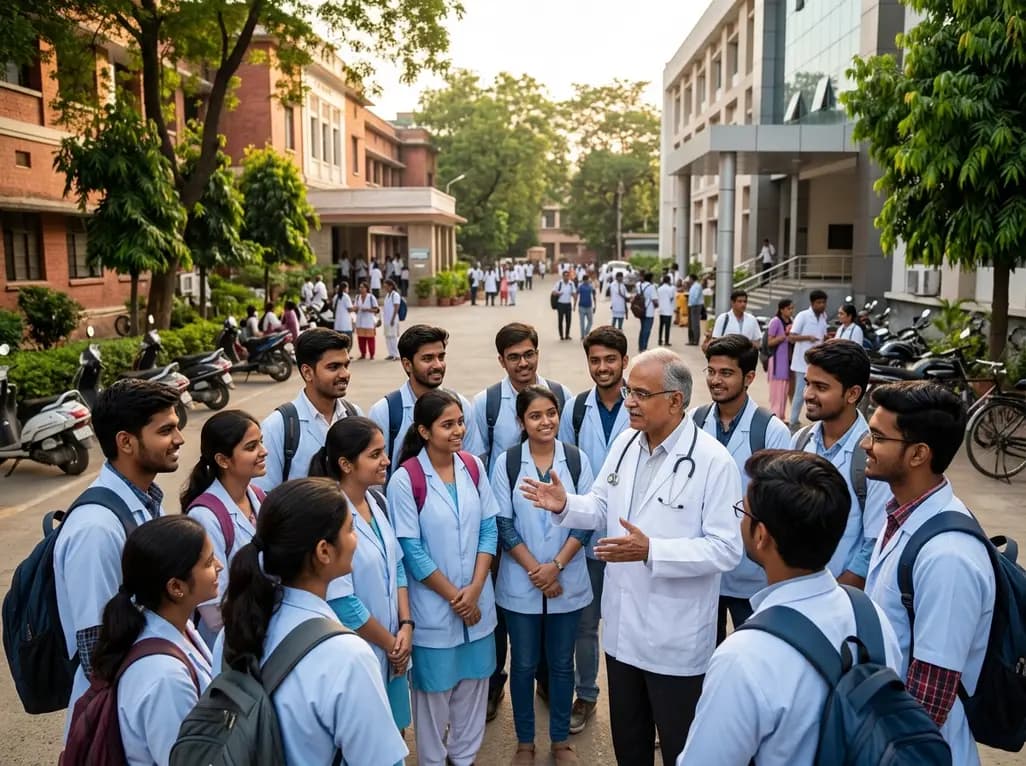
The National Medical Commission (NMC) has announced a monumental change in India's medical education landscape. Specifically, the regulatory body released the official NMC MBBS seat matrix for the academic session 2026-27. This document reveals a massive expansion of undergraduate medical training opportunities across the country. With nearly ten thousand new slots added, this update serves as a critical milestone for countless healthcare aspirants. Consequently, understanding these changes is vital for both applicants and medical institutions.
To begin with, the sharp increase in undergraduate seats has been primarily driven by regulatory updates. Under the Graduate Medical Education Regulations, 2023, the commission removed several old, restrictive barriers. Previously, medical colleges could seek seat increases only after their first batch completed five years. However, the regulatory body has completely dismantled this historical limitation. Consequently, colleges can now seek an official expansion from their second year itself. Additionally, they must meet the prescribed infrastructure and teaching standards. MARB President M K Ramesh explained that this relaxation significantly accelerated new seat approvals. Furthermore, the removal of outdated population-based caps has enabled established institutions to expand with greater ease. As a result, the country is witnessing unprecedented speed in the growth of its healthcare training capacity. This shift will help address the national shortage of doctors.
Specifically, the release of the updated NMC MBBS seat matrix has brought highly encouraging news to several states. This year, the national seat count has reached a historic total of 1,36,939 seats across 823 colleges. Karnataka has emerged as the biggest beneficiary of this expansion, gaining 1,300 additional seats. Similarly, Tamil Nadu has added 950 seats, bringing its total capacity to over 14,000 slots. Rajasthan and Telangana have also secured massive increases of 900 and 810 seats, respectively. Meanwhile, West Bengal expanded its capacity by 825 seats, while Uttar Pradesh added 800 seats to its matrix. In the eastern region, Bihar witnessed a substantial growth of 740 new seats. This geographically diverse expansion ensures that medical training opportunities are distributed more evenly. Consequently, students from various states will have a better chance of securing admissions closer to home.
To understand the expansion, we must evaluate the distribution between public and private institutions. Out of the 9,911 newly approved seats, private institutions accounted for nearly 79% of the overall growth. Specifically, 18 of the 25 newly established medical colleges belong to the private sector. These new private setups contributed 2,000 seats to the national pool. On the other hand, seven new government medical colleges were approved, adding 400 seats. Consequently, the remaining 7,511 seats came from enhanced intake capacities in existing institutions. Currently, the approved seat matrix comprises 441 government and 382 private institutions. This balance is vital because government seats remain highly affordable for meritorious students. However, the massive growth in the private sector offers alternative pathways for many. Therefore, candidates must carefully weigh their financial and academic options before applying.
Naturally, the addition of nearly 10,000 seats will have a significant impact on NEET-UG counselling. For instance, the increased capacity is expected to lower the cutoff ranks in several states. This is particularly true for regions like Karnataka, Tamil Nadu, and Rajasthan, which received the highest seat allocations. Consequently, students with slightly lower scores might now secure a seat. However, the competition for premier government institutions will remain extremely intense. Over 22 lakh candidates appear for the entrance examination every year, which means demand still vastly exceeds supply. Nevertheless, the expanded matrix provides a much-needed buffer for borderline candidates. Therefore, experts advise students to strategically plan their choice-filling lists during counselling. By doing so, candidates can maximize their admission chances based on the expanded matrix. Eventually, these changes will bring relief to thousands of medical aspirants.
Importantly, the NMC has issued strict warnings to all medical institutions regarding admission practices. Under the NMC Act, 2019, colleges are prohibited from admitting students beyond their approved intake. Any violation of these regulations will immediately attract severe penal and regulatory action. Furthermore, the commission has ordered all private colleges with approved seat increases to submit an Electronic Bank Guarantee to the MARB. This bank guarantee must be submitted within seven days of the official notice. Subsequently, the formal Letter of Permission will only be issued after successful verification. In addition, the regulator has instructed colleges to cross-verify their seat details before counselling begins. Consequently, this strict oversight ensures a transparent and fair admission process for all candidates. Therefore, institutions must comply diligently with these administrative directives to avoid legal complications.
In terms of public health, this seat expansion is a vital step toward strengthening India's clinical workforce. Currently, the central government estimates the country's doctor-population ratio at an impressive 1:811. Notably, this figure already surpasses the widely cited World Health Organization benchmark of one doctor per 1,000 people. However, regional disparities in healthcare access still pose a major challenge across different states. Therefore, adding new medical colleges in underserved areas is crucial for equitable development. By training more doctors locally, the government aims to improve rural healthcare delivery. Furthermore, a larger workforce will reduce the extreme burden on existing public hospital staff. Consequently, patients will receive better and more timely medical attention. In addition, the expansion of undergraduate seats will eventually lead to an increase in postgraduate specialists. Thus, this systemic growth will elevate the overall quality of healthcare.
Q1: What is the total number of MBBS seats available in India for the 2026-27 academic session?
For the 2026-27 academic session, the National Medical Commission has approved a record total of 1,36,939 MBBS seats across 823 medical colleges. This count excludes seats in Institutes of National Importance like AIIMS and JIPMER. Out of the total capacity, the matrix consists of 1,27,028 renewed seats and 9,911 newly approved additional seats. These additional seats will be filled during the upcoming counselling cycle.
Q2: Why did the NMC approve such a significant increase in MBBS seats this year?
The sudden increase was primarily driven by the Graduate Medical Education Regulations, 2023. Previously, a medical college could apply for an intake expansion only after its first batch completed five years. Under the new regulations, this restrictive cap has been removed entirely. Colleges are now allowed to apply for seat increases from their second year of operation. This administrative flexibility has drastically accelerated the approval process for new seats.
Q3: How are the 9,911 additional MBBS seats distributed between government and private institutions?
The vast majority of the newly approved seats are located in private institutions, which account for nearly 79% of the overall increase. Specifically, private medical colleges secured 7,800 of the additional seats, whereas government institutions gained 2,111 seats. Out of the 25 newly established colleges, 18 are private and seven are government-run. The remaining seats come from expanded seat capacities within existing medical colleges across various Indian states.
Disclaimer: This content is for informational and educational purposes only. It does not constitute medical advice or replace professional judgment. Refer to the latest local and national guidelines for clinical practice.
References

Read summarized clinical updates, watch expert medical content, and earn CME certifications right from your smartphone.
Open your smartphone camera to scan and install.





The National Medical Commission has approved 9,911 additional MBBS seats for the 2026-27 academic session, raising India's total medical capacity to a record 1,36,939 seats. This expansion includes 25 new medical colleges and is driven by the relaxed Graduate Medical Education Regulations, 2023.
3 months ago
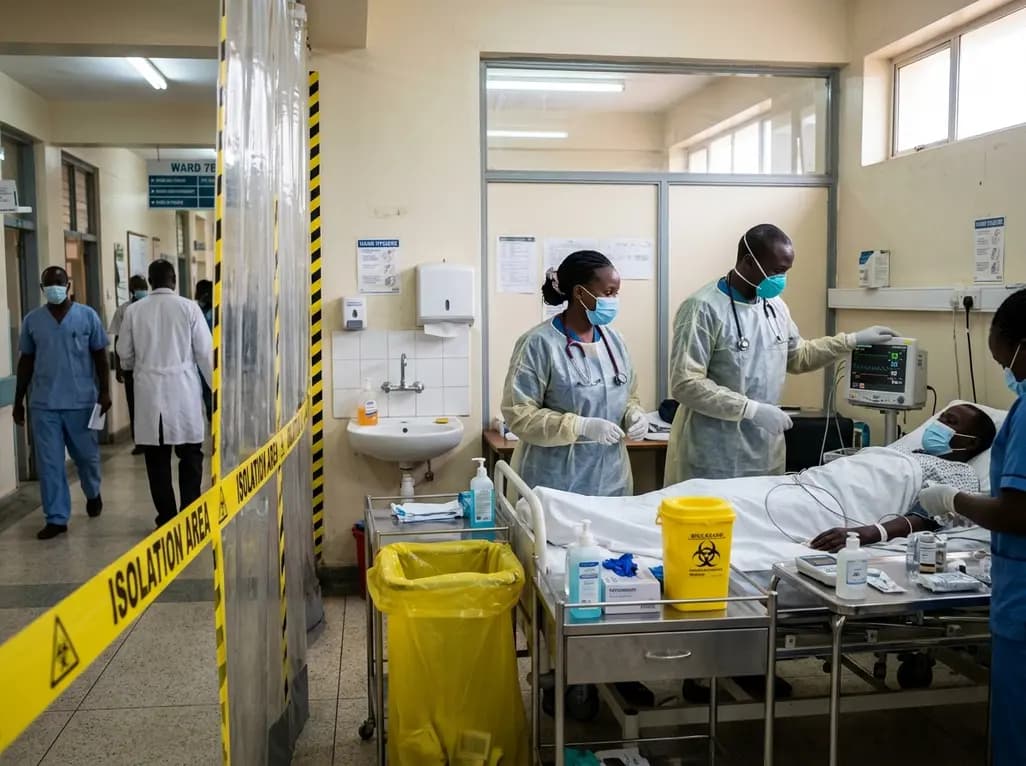
Kenya's confirmation of its eighth Ebola infection highlights the acute risk of secondary transmission in hospital environments. Clinicians must maintain high vigilance, enforce strict infection prevention protocols, and implement rapid triage mechanisms for viral hemorrhagic fevers across healthcare settings.
Last week
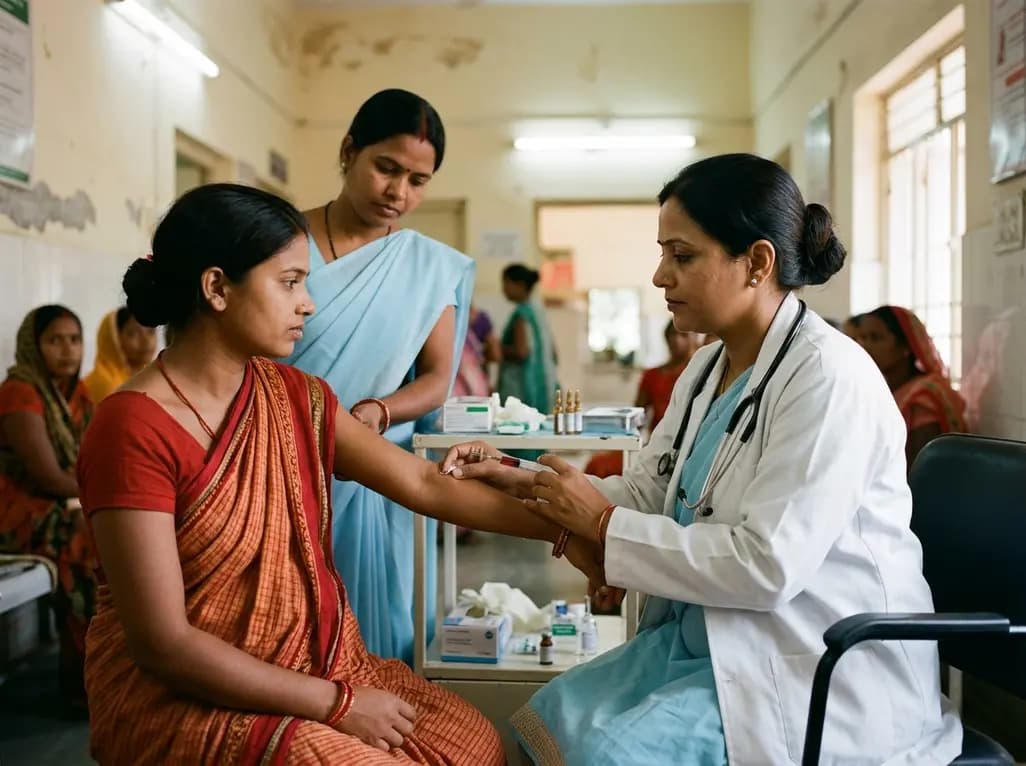
Maternal anaemia contributes to nearly half of pregnancy-related fatalities across India. To prevent complications, Uttar Pradesh has added single-dose parenteral iron to its essential medicines list. This clinical transition aims to restore haemoglobin rapidly and protect high-risk mothers across rural facilities.
2 weeks back
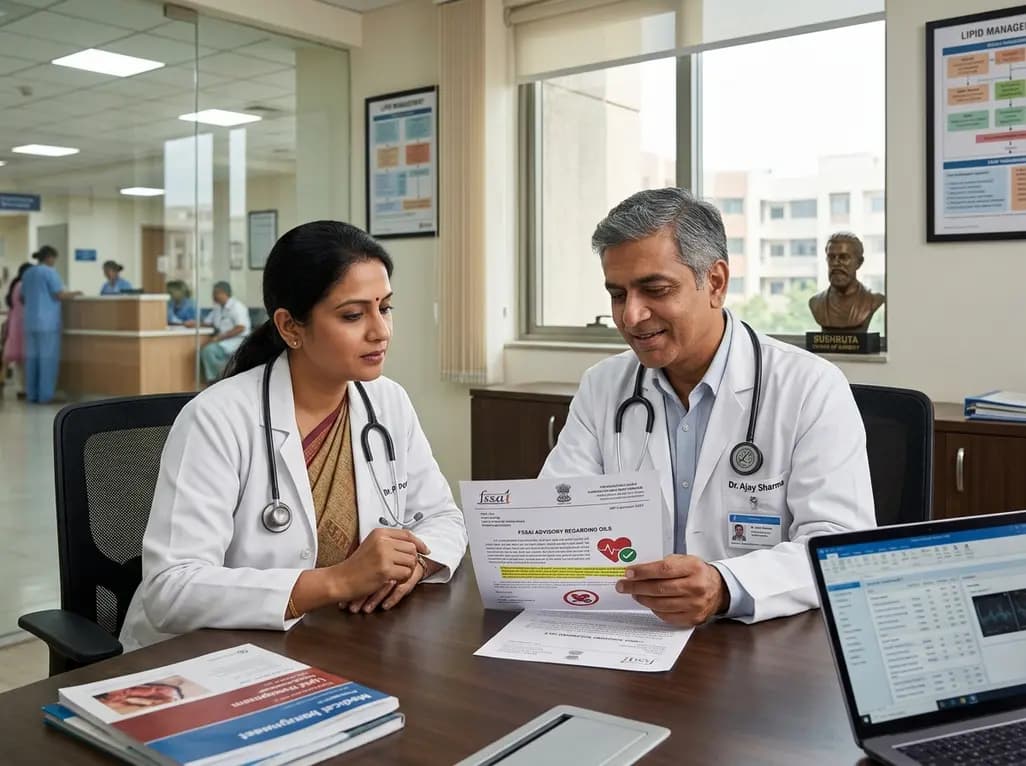
India's food safety authority FSSAI has issued show-cause notices to Gemini Edibles, BigBasket, and Flipkart for unpermitted cardiovascular claims regarding Freedom Rice Bran Oil. This regulatory move highlights the strict enforcement of advertising standards and the clinical necessity of evidence-based lipid care.
Last week
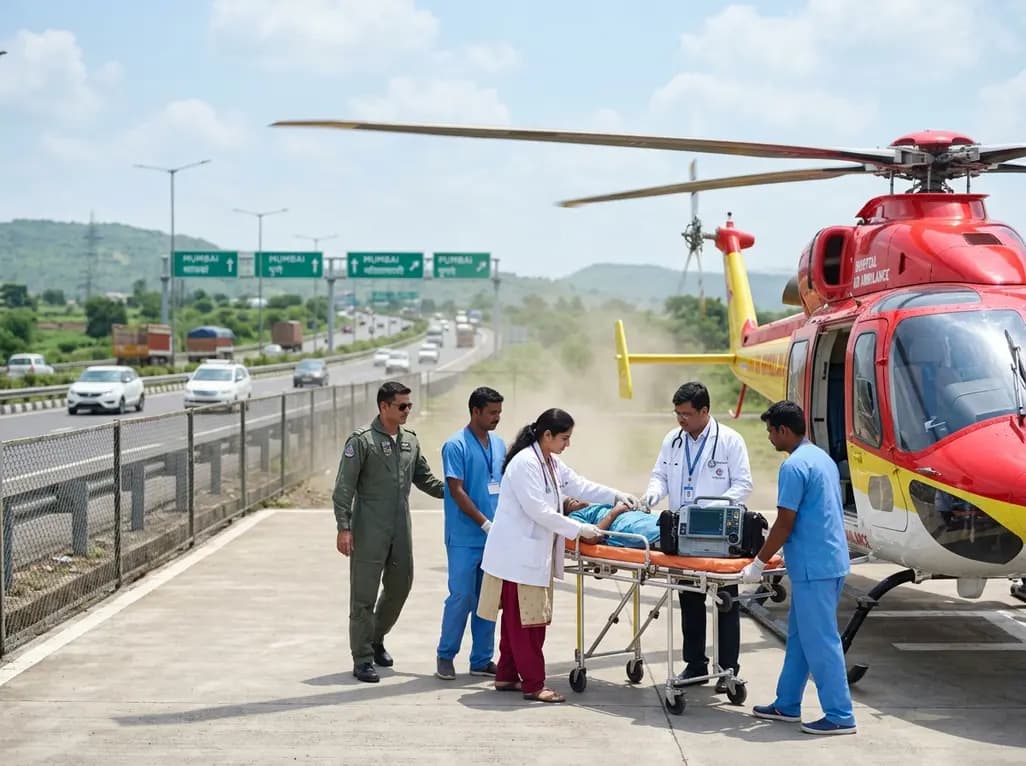
The state government is deploying helicopter emergency medical services across the Mumbai-Pune Expressway, Samruddhi Mahamarg, and Mumbai-Goa Highway. This initiative establishes unified standard operating procedures to enable rapid triage, advanced prehospital resuscitation, and seamless trauma care transfers.
Last week
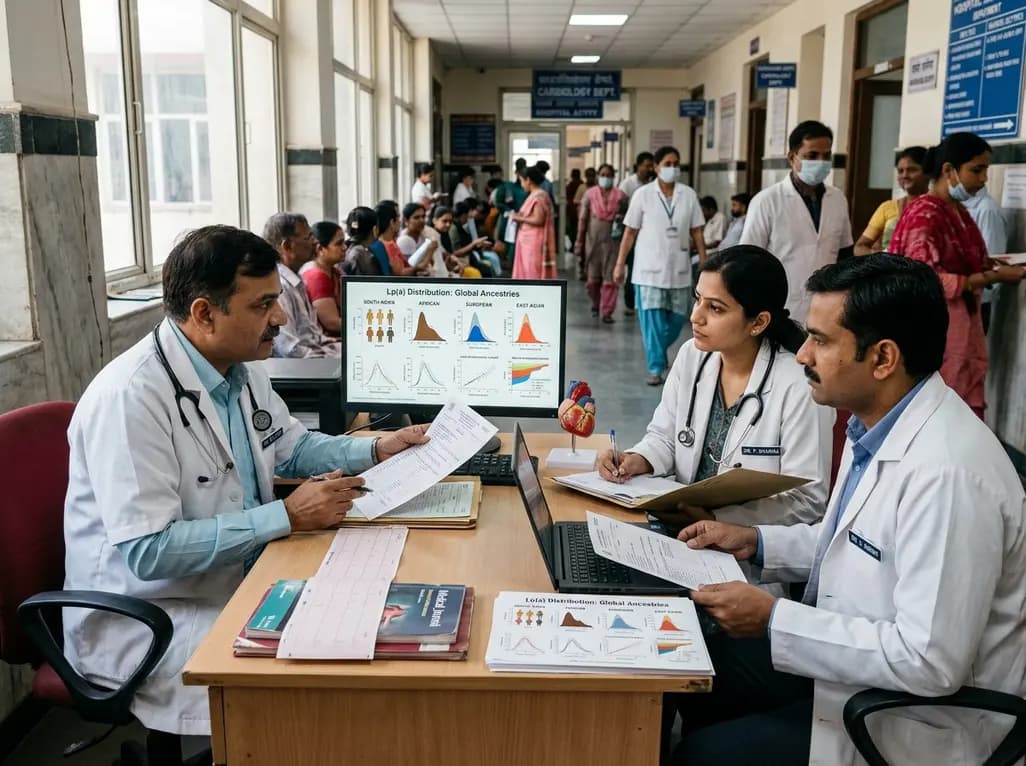
Atherosclerotic cardiovascular disease guidelines often rely on European-derived lipoprotein(a) cutoffs. However, baseline Lp(a) levels vary widely across ancestries, including South Asians and Africans. Clinicians must interpret Lp(a) values within overall absolute cardiovascular risk.
2 weeks back
