.webp&w=384&q=75)

Loading, please wait...
Loading, please wait...
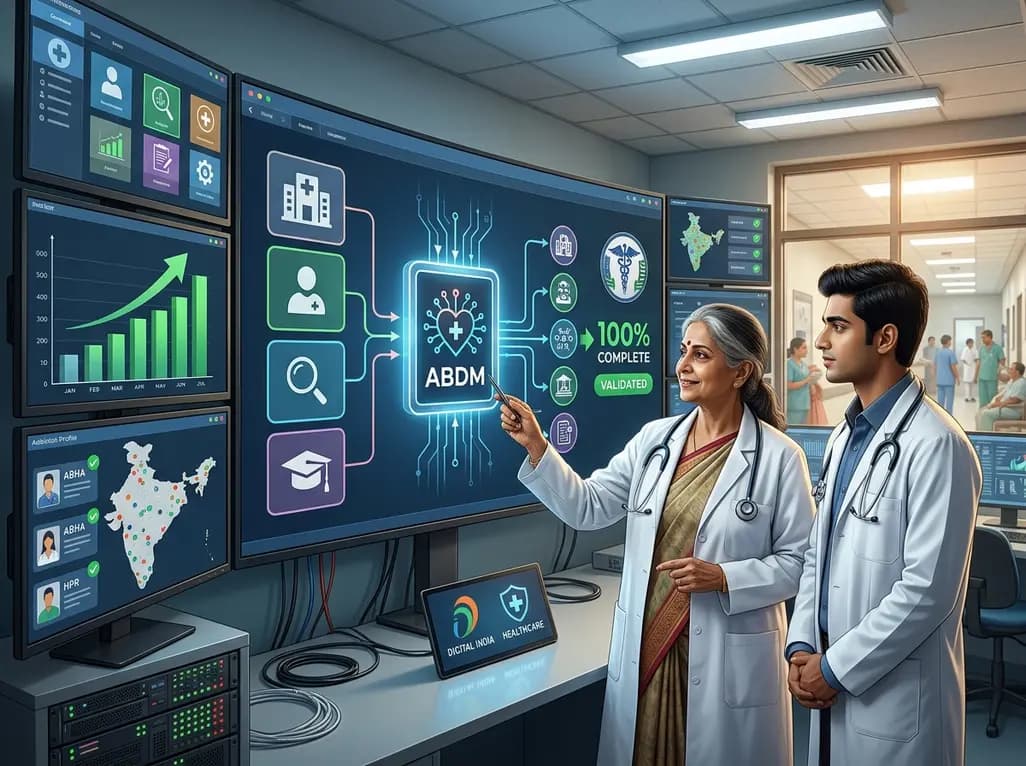
The National Medical Commission (NMC) has issued a crucial Office Memorandum, dated July 17, 2026, reiterating the mandatory implementation and integration of Ayushman Bharat Digital Mission (ABDM) compliant Hospital Management Information Systems (HMIS) across all medical colleges and institutions in India. Consequently, this directive underscores the Commission's commitment to leveraging technology for transparent and objective assessment of medical education and clinical services. Implementing NMC HMIS compliance is no longer optional; it is a vital step towards modernizing healthcare infrastructure and ensuring data-driven oversight.
The NMC's directive emphasizes the critical role of HMIS in their attached and associated hospitals, stipulating that these systems must align with the broader goals of the Ayushman Bharat Digital Mission. Previously, the NMC mandated the implementation of AEBAS (Aadhaar Enabled Biometric Attendance System), HMIS, and CCTV integration. This integrated approach allows the Commission to maintain a constant vigil on the standards of medical education and training, while also monitoring the availability of clinical material through Health Record Linkage (HRL) of patients with ABHA IDs. This framework, therefore, ensures greater accountability and operational efficiency within medical institutions.
Furthermore, public notices from February 28, 2026, and March 3, 2026, specifically directed all medical colleges to furnish their Health Facility Registry (HFR) IDs and integrate their hospital HMIS with the ABDM-HMIS portal. This portal, maintained by the National Health Authority (NHA) under the Ministry of Health & Family Welfare, serves as the central hub for digital health data. Consequently, the mandate extends to data submission via the UG-ADR, ensuring comprehensive data capture for both undergraduate and postgraduate institutions. Institutions must prioritize this integration to avoid serious repercussions.
Despite repeated directives, many medical colleges have yet to achieve full ABDM HMIS compliance. The NMC has categorized non-compliant institutions into three primary groups, highlighting specific areas of failure. The first category includes colleges using ABDM-enabled HMIS software where data is not adequately reflected on the ABDM-HMIS dashboard. This issue often stems from non-compliance with critical milestones such as M2 (ABHA integration and HFR/HPR mapping) and M3 (advanced data sharing features), or incomplete data reflection in HRL and/or the Scan & Share feature.
The second category encompasses colleges that have not yet adopted any ABDM-enabled HMIS software, indicating a fundamental gap in their digital infrastructure. Understandably, these institutions face a more extensive compliance journey. Lastly, the third category consists of colleges that have either failed to submit their HFR IDs or submitted incorrect ones. These failures impede the accurate identification and verification of health facilities within the national digital health ecosystem. Medical colleges, therefore, must address these specific issues promptly to meet the NMC's requirements.
All medical colleges and institutions under the NMC not complying with these regulations and guidelines must act immediately. First, they must contact their HMIS vendor to ascertain their software's ABDM compliance status. If the software is already ABDM-enabled, institutions should request their vendor to deploy the ABDM-enabled version and provide a Bridge ID for linking. Subsequently, the facility manager can link the software to the health facility via the National Health Registry (NHPR) portal.
Conversely, if a hospital does not use any HMIS software, it should onboard an empanelled ABDM-enabled HMIS/LMIS solution. A comprehensive list of empanelled ABDM partners is available on the ABDM website (https://abdm.gov.in/our-partners/HMIS). Moreover, for hospitals utilizing non-ABDM-enabled or custom-developed software, the solution must undergo a full ABDM integration process. This involves registering on the ABDM Sandbox Portal (https://sandbox.abdm.gov.in) and completing all integration milestones, including ABHA creation, health record linking (M2), and consent-based sharing (M3).
Achieving full NMC HMIS compliance requires stringent production certification. This includes Third Party Functional Testing (FT), a CERT-In empanelled Web Application Security Assessment (WASA), an Internal Demo presented to the NHA Integration Support Team, and Health Tech Committee (HTC) Certification. Finally, institutions receive Go-Live Approval for their Production Environment, marking full compliance. This meticulous process ensures the security and interoperability of health data across the national digital health ecosystem.
The NMC strongly encourages colleges to consider HMIS solutions developed by NIC (NextGen eHospital) or CDAC (eSushrut), both under the Ministry of Electronics & IT. These government-backed solutions typically offer robust support and alignment with national standards. For any queries or technical issues during this complex integration process, institutions can contact Mr. Narendra Singh at NHA (pm.adoption@nha.gov.in) or Mr. Sanjay Kumar Sinha at NMC (manager.it@nmc.org.in). These resources are vital for institutions navigating the technical nuances of integration.
The NMC has clearly indicated that failure to comply with these regulations will lead to necessary further action as per norms, potentially involving the Medical Assessment and Rating Board (MARB), NMC. This implies that non-compliant institutions could face penalties, disruptions in their operational approvals, or even jeopardized recognition status. Therefore, prompt action is essential for medical colleges to avoid adverse consequences. The ultimate goal is to foster a digitally integrated healthcare system that benefits both medical education and patient care.
The push for ABDM HMIS integration reflects a broader national vision for a seamless and interconnected digital health infrastructure. This initiative aims to improve patient care quality, enhance data accessibility for research and public health initiatives, and streamline administrative processes across medical institutions. By ensuring all medical colleges are ABDM compliant, India moves closer to achieving its vision of universal digital health records, ultimately improving health outcomes for its citizens. Therefore, adhering to these directives contributes significantly to the national health agenda.
Disclaimer: This content is for informational and educational purposes only. It is not intended to be a substitute for professional medical advice, diagnosis, or treatment. Always seek the advice of your physician or other qualified health provider with any questions you may have regarding a medical condition. Refer to the latest local and national guidelines for clinical practice.
References

Read summarized clinical updates, watch expert medical content, and earn CME certifications right from your smartphone.
Open your smartphone camera to scan and install.





The National Medical Commission (NMC) has issued a critical directive for all medical colleges and institutions regarding the mandatory implementation and integration of ABDM-compliant Hospital Management Information Systems (HMIS). This move aims to enhance transparency and efficiency in medical education and patient care across India.
3 months ago
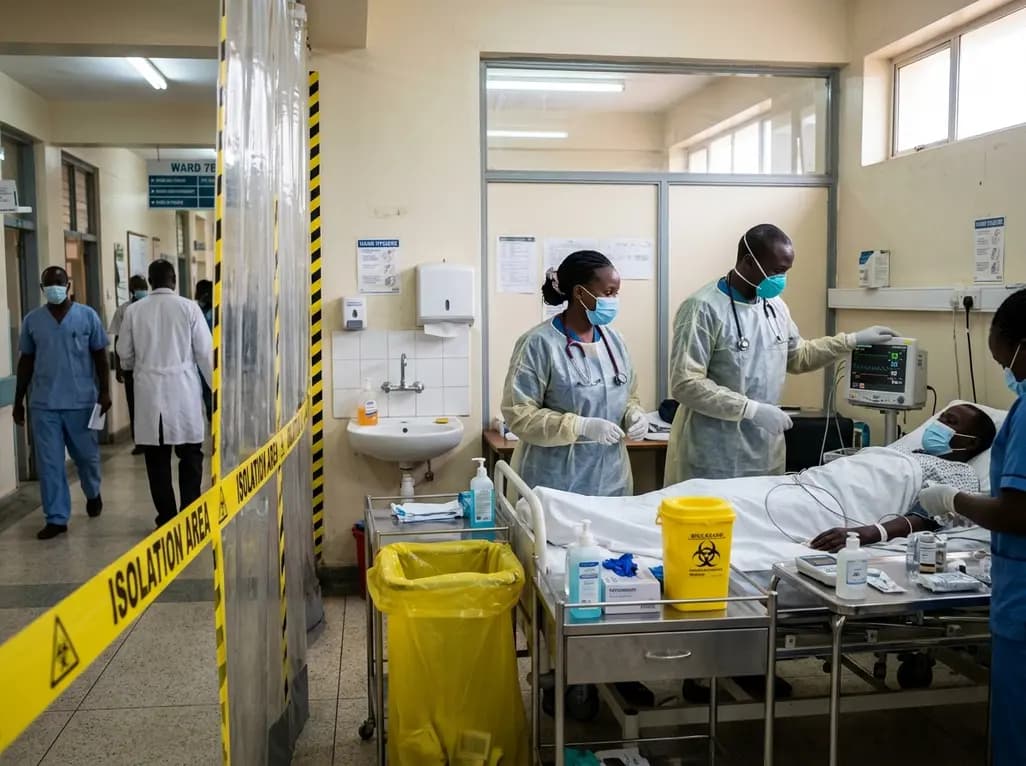
Kenya's confirmation of its eighth Ebola infection highlights the acute risk of secondary transmission in hospital environments. Clinicians must maintain high vigilance, enforce strict infection prevention protocols, and implement rapid triage mechanisms for viral hemorrhagic fevers across healthcare settings.
3 days back
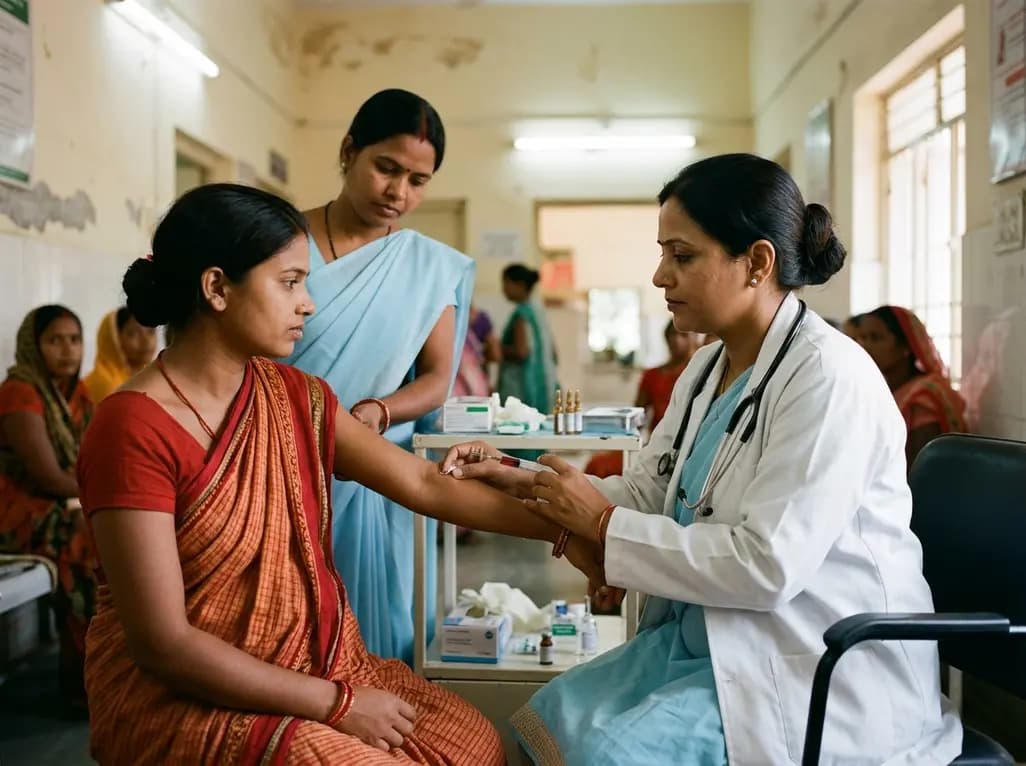
Maternal anaemia contributes to nearly half of pregnancy-related fatalities across India. To prevent complications, Uttar Pradesh has added single-dose parenteral iron to its essential medicines list. This clinical transition aims to restore haemoglobin rapidly and protect high-risk mothers across rural facilities.
Last week
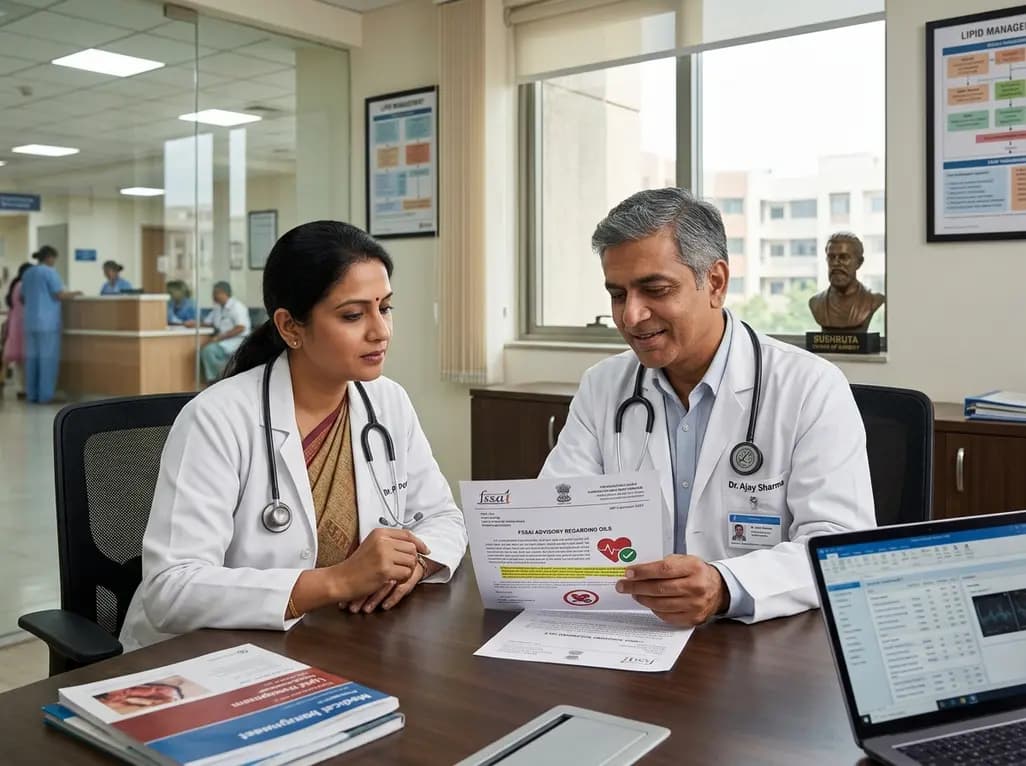
India's food safety authority FSSAI has issued show-cause notices to Gemini Edibles, BigBasket, and Flipkart for unpermitted cardiovascular claims regarding Freedom Rice Bran Oil. This regulatory move highlights the strict enforcement of advertising standards and the clinical necessity of evidence-based lipid care.
5 days back
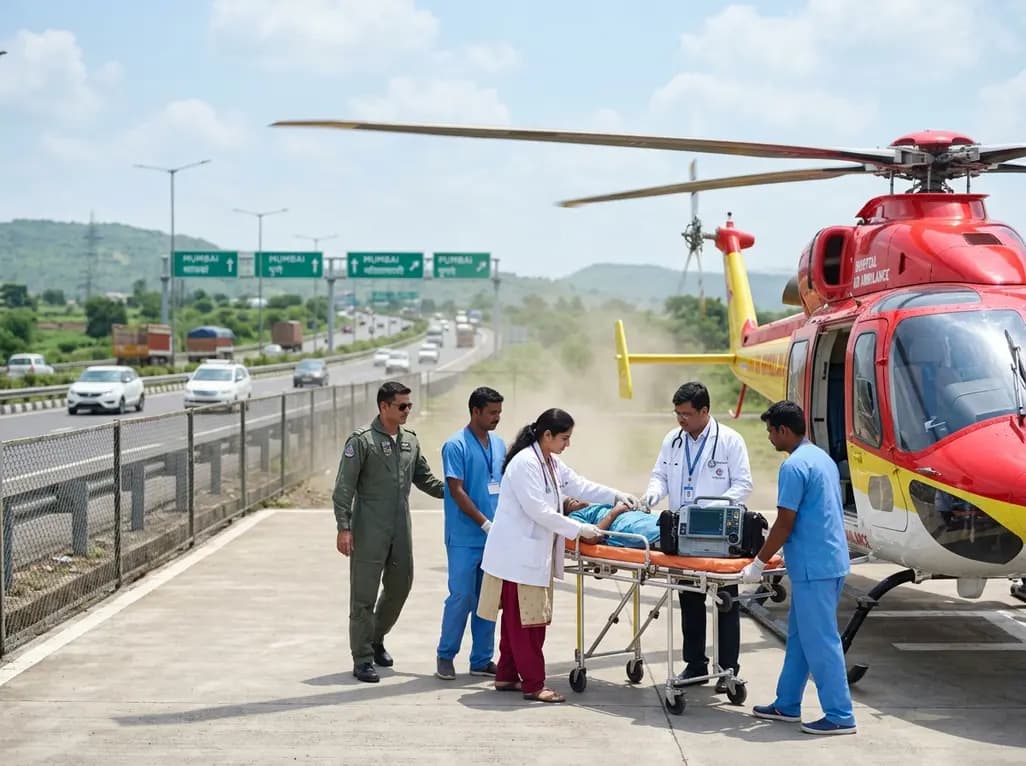
The state government is deploying helicopter emergency medical services across the Mumbai-Pune Expressway, Samruddhi Mahamarg, and Mumbai-Goa Highway. This initiative establishes unified standard operating procedures to enable rapid triage, advanced prehospital resuscitation, and seamless trauma care transfers.
Last week
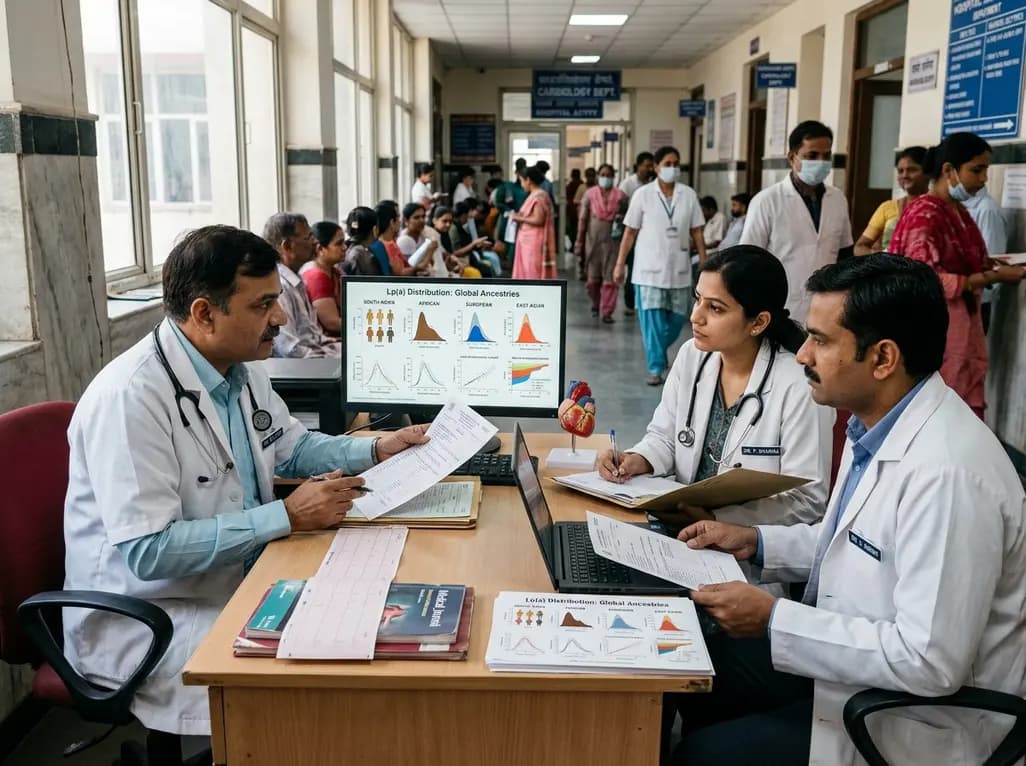
Atherosclerotic cardiovascular disease guidelines often rely on European-derived lipoprotein(a) cutoffs. However, baseline Lp(a) levels vary widely across ancestries, including South Asians and Africans. Clinicians must interpret Lp(a) values within overall absolute cardiovascular risk.
Last week
