.webp&w=384&q=75)

Loading, please wait...
Loading, please wait...
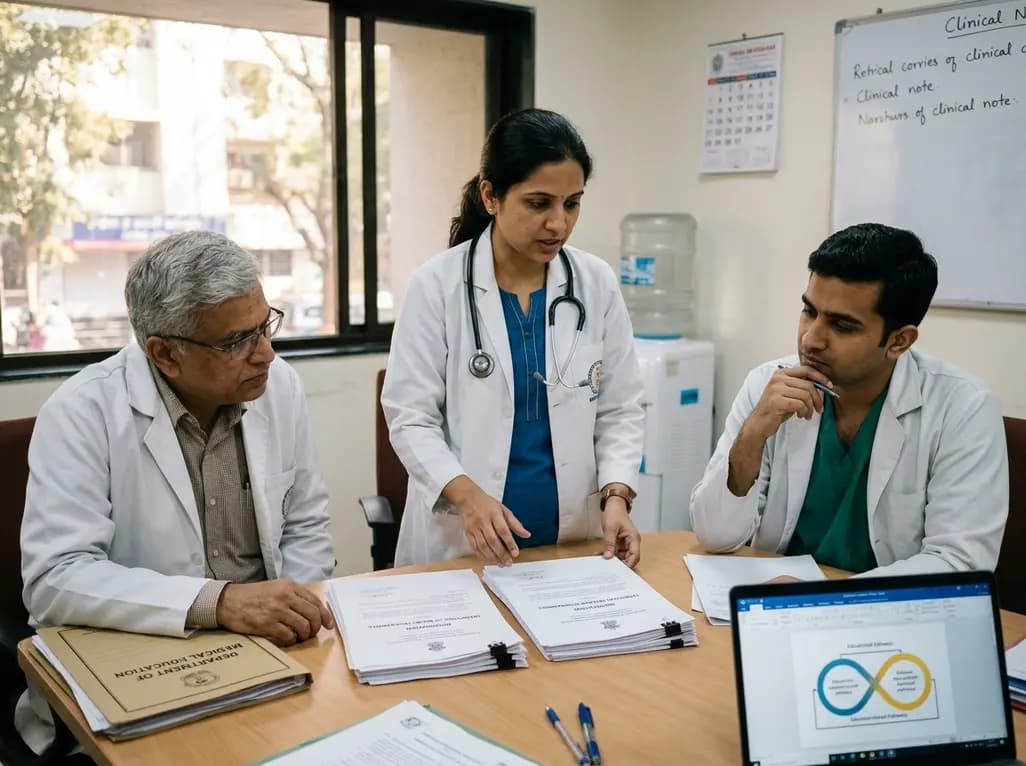
The National Medical Commission (NMC) has taken a decisive step to streamline medical training in India. Specifically, the regulatory body decided to discontinue all PG diploma medical courses after the 2026-27 academic session. This landmark reform aims to bring all postgraduate medical education under a uniform degree-based framework. Consequently, medical colleges must now transition their existing diploma seats into MD or MS programmes. In this article, we examine the implications of this shift for medical colleges, students, and the wider healthcare delivery system. Thus, medical practitioners and administrators must understand these regulatory changes as they prepare for a unified training system.
For many decades, Indian medical colleges offered both three-year postgraduate degree courses and two-year diploma courses in various specialties. However, this dual pathway created unnecessary fragmentation within the specialist workforce. The Postgraduate Medical Education Board (PGMEB) has therefore initiated this change to establish a singular, high-quality standard across the country. By eliminating the shorter diploma courses, the regulatory body seeks to align Indian medical qualifications with global benchmarks. Furthermore, this standardization ensures that every specialist enters the workforce with an equivalent level of comprehensive clinical training.
Moreover, the NMC observed that many medical colleges already possess the necessary academic environment to run full-fledged degree programmes. Specifically, these colleges have the required patient load, qualified faculty, and infrastructural facilities. Thus, continuing to run parallel, shorter diploma courses in the same specialties serves little logical purpose. Ultimately, this integration will strengthen the overall quality of healthcare delivery across both public and private sectors. Medical students across India will now benefit from standardized, robust curricula that prepare them more effectively for complex clinical environments. This ensures that clinical competency remains at the highest level.
The decision to phase out PG diploma medical courses stems from changing healthcare dynamics and professional disadvantages. Initially, these shorter courses aimed to train specialists quickly for rural, district, and sub-district healthcare facilities. However, the availability of degree-qualified specialists has increased significantly over the years. Consequently, the utility of diploma-holders at these levels has declined. Additionally, diploma holders face severe career limitations. For instance, they are generally ineligible for academic teaching positions in medical colleges. Furthermore, they encounter major hurdles during promotions and career advancement compared to their MD or MS peers.
Indeed, the parallel stream has increasingly become redundant. Currently, only about 400 diploma seats remain across a handful of specialties nationwide. Therefore, maintaining this complex dual system creates administrative and educational burdens with very little return. The PG Broad Specialty regulations now prohibit any new applications for starting or increasing diploma seats. Instead, the NMC is pushing institutions to upgrade their existing infrastructure. In this way, the commission can expand the pool of fully qualified specialists holding recognized degrees, thereby improving clinical services.
The transition from diploma seats to degree seats will follow a structured regulatory process. Specifically, the NMC has directed all medical colleges currently offering diploma courses to apply for seat conversion. The Medical Assessment and Rating Board (MARB) will manage this conversion process. To facilitate this, the MARB will open a dedicated online portal for colleges to submit their applications. Furthermore, the commission will release detailed guidelines and timelines separately to ensure institutional clarity. In addition, institutions must satisfy specific regulatory criteria regarding faculty strength, patient load, and clinical material before receiving approvals.
Subsequently, colleges will submit all necessary infrastructure details for validation. Because many of these colleges already possess the required resources to run degree programmes, they expect a straightforward transition. However, institutions must proactively complete the administrative paperwork to avoid any transition delay. The NMC will not permit fresh admissions to diploma courses starting from the 2027-28 academic session. Therefore, the 2026-27 session represents the absolute final window for diploma admissions. Consequently, colleges must utilize this period to upgrade their programs and align their academic staff with MD or MS curriculum standards.
This systemic upgrade will likely yield widespread positive effects, although it presents short-term logistical challenges. For instance, medical colleges must carefully recalibrate their training capacities to prevent any academic disruption. Academic administrations must ensure a smooth transition to avoid affecting critical clinical services. In addition, state governments and private college trusts must coordinate closely during this conversion phase. Meanwhile, smaller healthcare institutions and district hospitals, which traditionally relied on diploma holders, must adapt to hiring fully fledged degree specialists. Fortunately, the overall increase in MD and MS seats will eventually offset any temporary personnel shortages.
Consequently, this shift will ultimately lead to a more robust, highly qualified healthcare workforce in rural areas. While diploma holders filled critical gaps in the past, contemporary healthcare demands more comprehensive clinical competencies. Therefore, having doctors with deeper, three-year specialization training will elevate patient safety and outcomes. Furthermore, this policy will encourage medical colleges to continuously improve their laboratory and clinical infrastructure. By doing so, they can comfortably meet the rigorous requirements of postgraduate degree courses, ultimately raising the standard of medical education. This step is crucial for modernizing our medical infrastructure.
For medical candidates, the choice between a degree and a diploma has always carried major professional implications. Specifically, the two-year PG diploma offered a quicker path to practice but lacked the long-term career benefits of a degree. In contrast, the three-year MD or MS degrees offer extensive research exposure, deeper clinical training, and academic eligibility. Consequently, degree holders enjoy far better career growth, seamless eligibility for promotions, and the ability to teach. Furthermore, international healthcare systems and global fellowship programs widely recognize MD and MS degrees while often ignoring Indian PG diplomas.
Therefore, the discontinuation of diploma courses is a highly welcome move for the student community. Although it extends the training period by one year, the professional advantages are clear and substantial. In addition, the conversion of diploma seats directly expands the total number of available MD and MS seats. This expansion immediately provides more opportunities for ambitious MBBS graduates to secure highly sought-after degree slots in top-tier medical colleges. Ultimately, this change will elevate the professional status of Indian doctors on both national and international platforms, creating a highly competitive, globally recognized workforce that meets modern standards.
Q1: What is the timeline for the phase-out of PG diploma courses in India?
According to the National Medical Commission, the academic session 2026-27 is the final year for PG diploma admissions. Consequently, the NMC will not allow fresh admissions from the 2027-28 academic year onwards. Subsequently, these diploma courses will completely cease to function. Therefore, medical colleges must urgently apply to convert these seats into corresponding MD or MS programs.
Q2: How will medical colleges convert their existing PG diploma seats into MD or MS seats?
Medical colleges currently offering PG diploma courses must submit their conversion applications directly to the Medical Assessment and Rating Board. To facilitate this, the board is launching a dedicated online application portal with specific timelines. Additionally, institutions must satisfy essential regulatory standards regarding faculty, clinical materials, and infrastructure. Once approved, these colleges can officially offer standard MD or MS degrees instead of short-term diploma courses.
Q3: What are the primary career disadvantages of holding a PG diploma versus a post-graduate degree?
Historically, diploma holders have faced several professional limitations that restrict their career progression. For instance, they are generally ineligible for teaching positions and promotions within medical colleges. Furthermore, they encounter limited growth opportunities in competitive corporate hospitals compared to MD or MS graduates. Ultimately, transitioning to a single-degree framework eliminates these disadvantages. Consequently, this change ensures that all medical specialists enjoy equal career opportunities and international professional recognition.
Disclaimer: This content is for informational and educational purposes only. It does not constitute medical advice or replace professional judgment. Refer to the latest local and national guidelines for clinical practice.
References

Read summarized clinical updates, watch expert medical content, and earn CME certifications right from your smartphone.
Open your smartphone camera to scan and install.





The National Medical Commission (NMC) is phasing out postgraduate diploma medical courses, with the academic session 2026-27 serving as the final admission cycle. Medical institutions must transition existing diploma seats to full MD or MS degree programmes, bringing all specialist training under a single-degree framework.
3 months ago
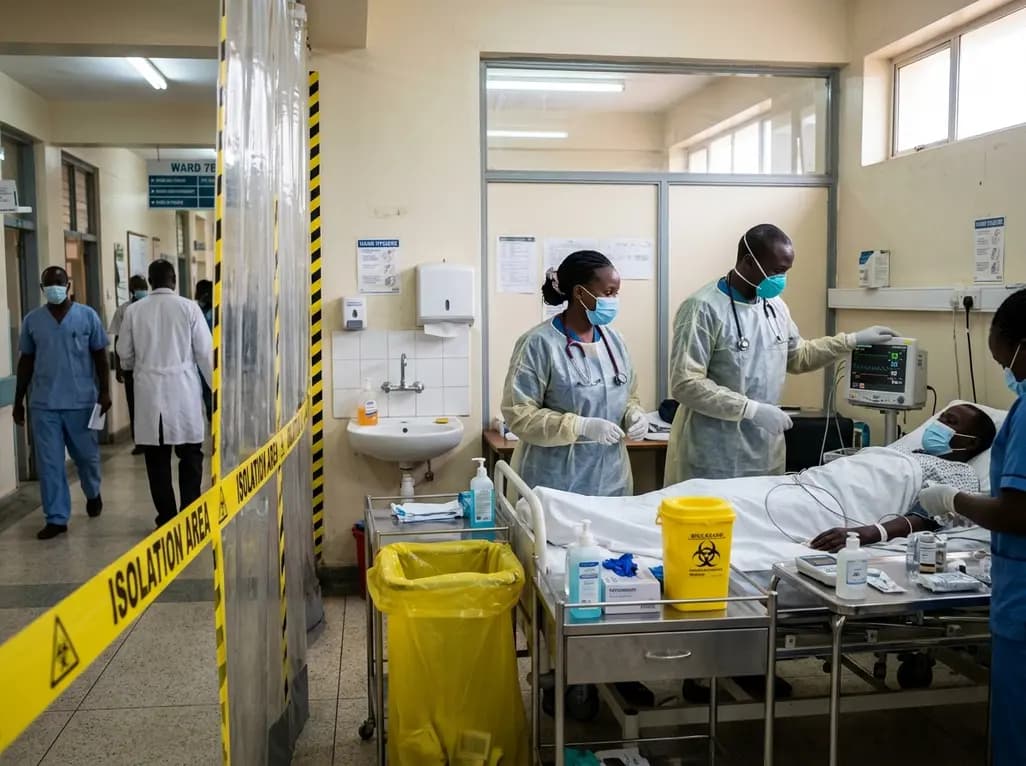
Kenya's confirmation of its eighth Ebola infection highlights the acute risk of secondary transmission in hospital environments. Clinicians must maintain high vigilance, enforce strict infection prevention protocols, and implement rapid triage mechanisms for viral hemorrhagic fevers across healthcare settings.
3 days back
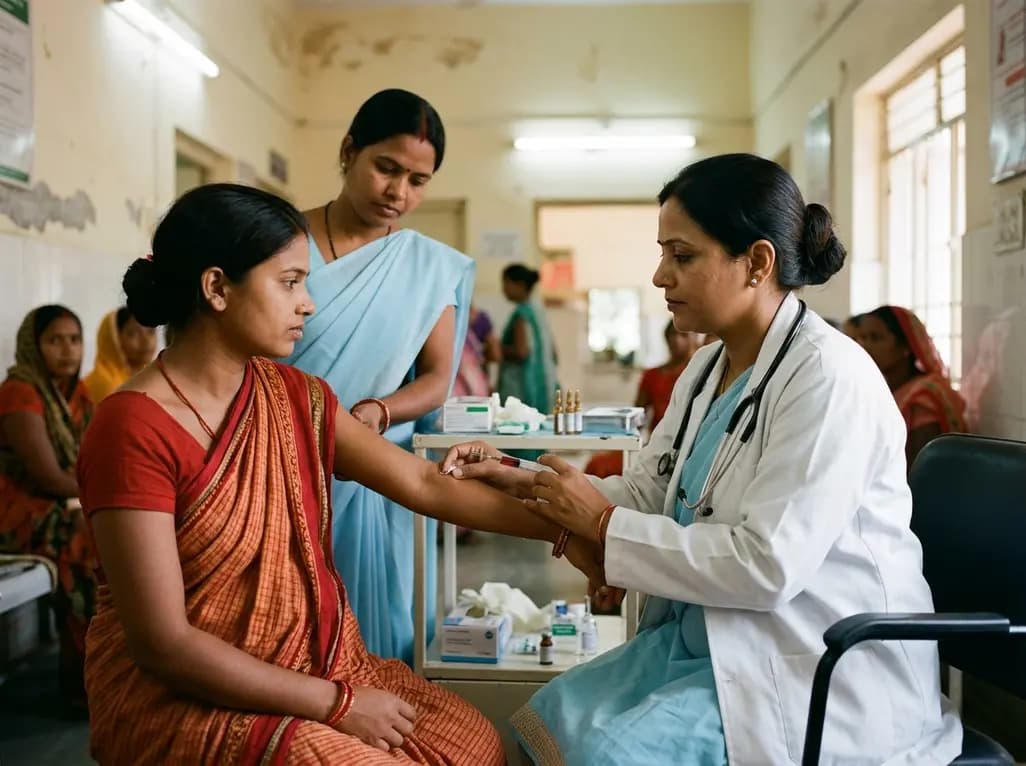
Maternal anaemia contributes to nearly half of pregnancy-related fatalities across India. To prevent complications, Uttar Pradesh has added single-dose parenteral iron to its essential medicines list. This clinical transition aims to restore haemoglobin rapidly and protect high-risk mothers across rural facilities.
Last week
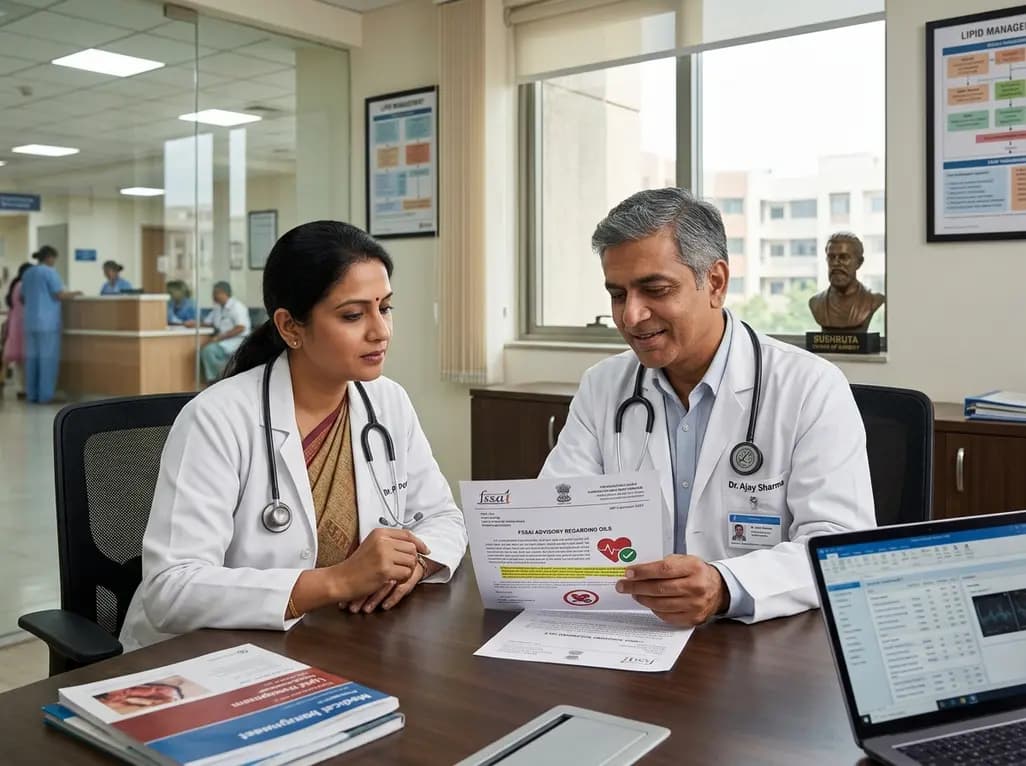
India's food safety authority FSSAI has issued show-cause notices to Gemini Edibles, BigBasket, and Flipkart for unpermitted cardiovascular claims regarding Freedom Rice Bran Oil. This regulatory move highlights the strict enforcement of advertising standards and the clinical necessity of evidence-based lipid care.
5 days back
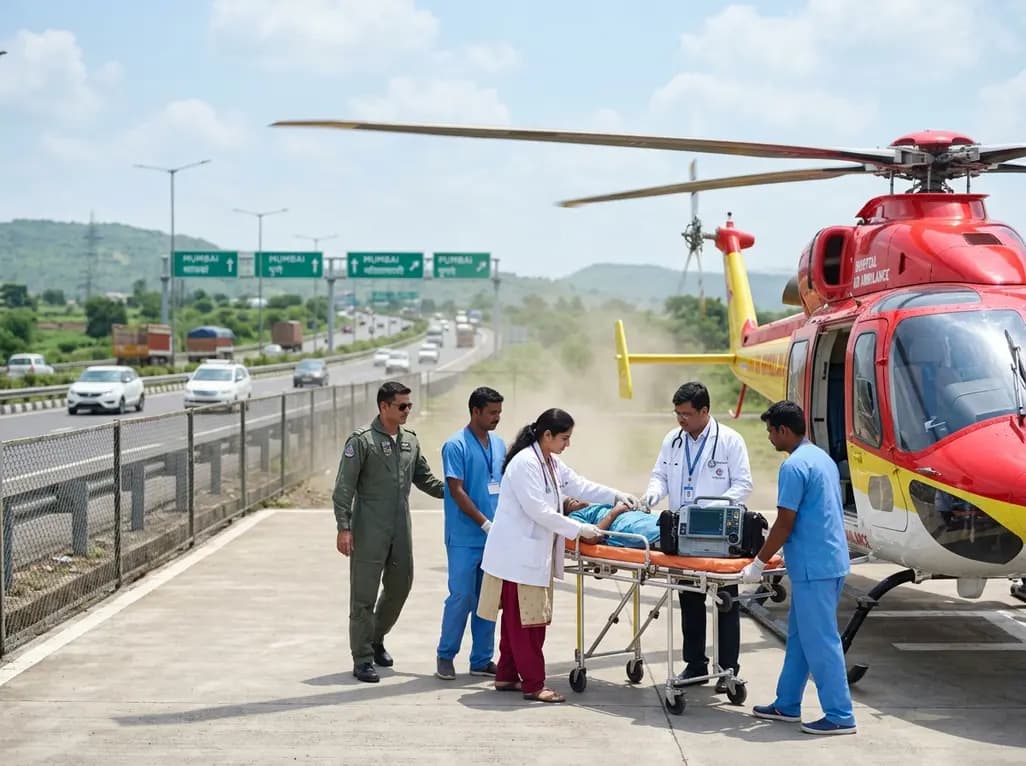
The state government is deploying helicopter emergency medical services across the Mumbai-Pune Expressway, Samruddhi Mahamarg, and Mumbai-Goa Highway. This initiative establishes unified standard operating procedures to enable rapid triage, advanced prehospital resuscitation, and seamless trauma care transfers.
Last week
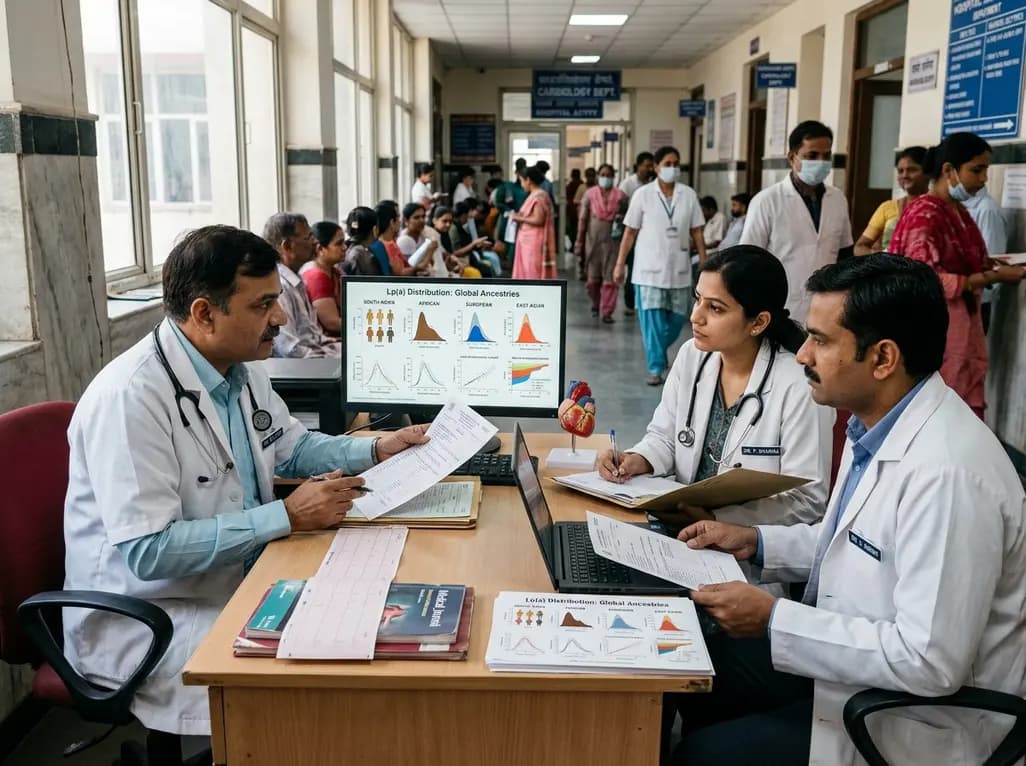
Atherosclerotic cardiovascular disease guidelines often rely on European-derived lipoprotein(a) cutoffs. However, baseline Lp(a) levels vary widely across ancestries, including South Asians and Africans. Clinicians must interpret Lp(a) values within overall absolute cardiovascular risk.
Last week
