.webp&w=384&q=75)

Loading, please wait...
Loading, please wait...
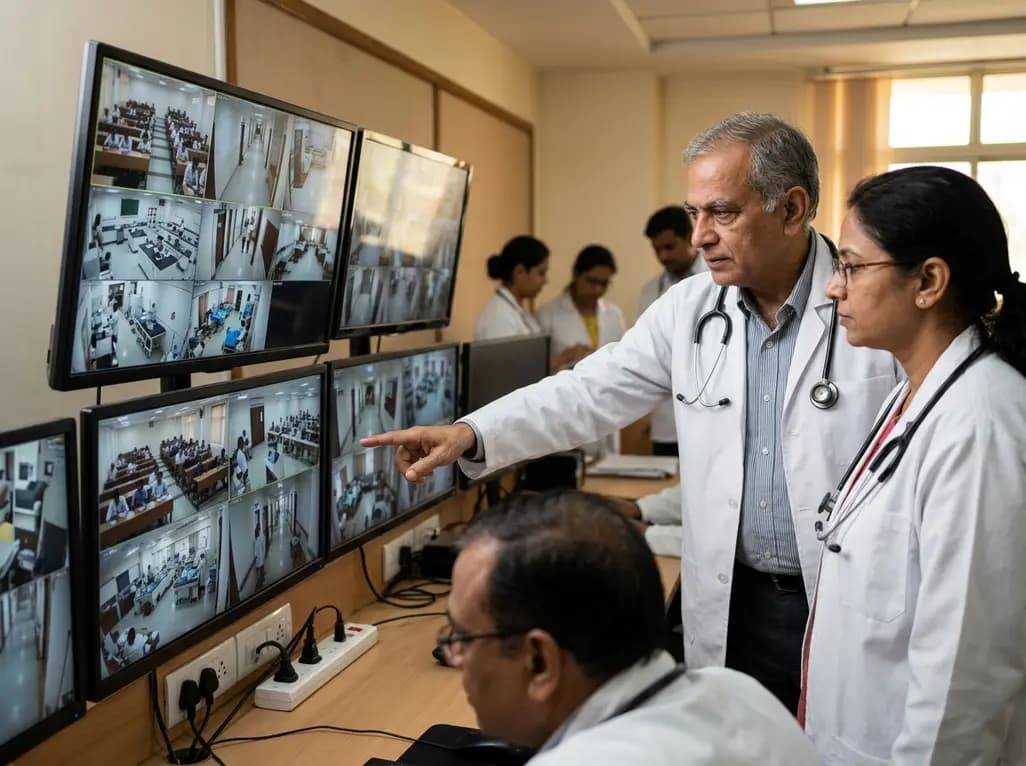
The National Medical Commission (NMC) recently issued a crucial public notice, dated July 6, 2026, underscoring the mandatory installation of CCTV systems in medical colleges. This directive, critical for ensuring NMC CCTV compliance, requires institutions to provide live feeds to the NMC Command & Control Center via Network Video Recorders (NVRs) and maintain a 30-day playback facility. This latest communication serves as a stern reminder for colleges that have yet to fully integrate their surveillance systems with the Commission's monitoring infrastructure. The NMC has consistently pushed for these measures to enhance transparency, accountability, and the overall quality of medical education and patient care across India.
The NMC's ongoing emphasis on robust CCTV infrastructure aligns with a broader digital mission to elevate the standards of medical education and institutional functioning. Therefore, these advisories are not new; they build upon previous communications, including those from 2022, 2023, and 2024, alongside various regulations like UGMSR-2023 and PGMSR-2023. These regulations make it explicit: medical colleges must install a minimum of 25 cameras at designated locations, set up NVRs, and ensure live feed access to the NMC. Additionally, maintaining a 30-day playback capacity is non-negotiable, providing a comprehensive audit trail for regulatory oversight. This systematic approach helps monitor faculty attendance, patient load, and overall adherence to prescribed academic and infrastructural norms.
The objective extends beyond mere surveillance. Primarily, the NMC aims to deter malpractices, ensure adequate clinical exposure for students, and verify the physical presence of teaching staff. Consequently, the live feeds allow for real-time assessment of patient registration counters, OPDs, lecture halls, and other critical areas, fostering an environment of accountability. The Commission's proactive stance in digital monitoring, including the Aadhaar-Enabled Biometric Attendance System (AEBAS) and centralized CCTV networks, has already exposed significant non-compliance in many institutions, highlighting issues like "ghost faculty" and manipulated patient data.
To achieve full NMC CCTV compliance, medical colleges must adhere to several key specifications. Firstly, institutions must install at least 25 cameras at prescribed locations, including the main entrance, patient registration counters, OPDs (Medicine, Surgical, Gynaecological, Pediatrics, Ortho), pre-anesthesia and recovery areas in operation theaters, faculty lounges, lecture theaters, anatomy dissection halls, various labs, patient attendant waiting areas, and emergency/casualty wards. Secondly, these cameras should ideally be 2K or 4K resolution, particularly 4K in lecture halls, ensuring clear visual data capture.
Furthermore, each college must possess a Network Video Recorder (NVR) with a minimum 30-day storage capacity for camera feeds. The NMC mandates sharing login credentials for these NVRs, granting the Commission playback and download privileges for any recording within this 30-day window. This access is crucial for the NMC's remote monitoring capabilities. Moreover, a dedicated internet connection of at least 100 Mbps (MPLS/ILL) is essential for reliable service and uninterrupted feed transmission. Colleges are also responsible for configuring their cameras with their own IP pools, as the NMC will not provide them. Ultimately, adherence to these technical specifications ensures that the monitoring system operates effectively and meets regulatory expectations.
The recent public notice specifically highlights that a significant number of medical colleges, encompassing both undergraduate (UG) and postgraduate (PG) programs, have not yet linked their NVRs with the Commission. This continued non-compliance poses a serious challenge to the NMC's regulatory framework. The Commission’s team has continuously followed up with these institutions, yet many remain delinquent. The notice explicitly states that a list of such non-compliant colleges is enclosed, signaling the NMC's readiness to take further action against these institutions.
Historically, the NMC has demonstrated its resolve against non-compliance. For instance, in 2023, approximately 40 medical colleges lost their recognition due to various deficiencies, including inadequate CCTV installations and failures in biometric attendance systems. More recently, over 100 medical colleges received show-cause notices for issues like staff shortages and low patient loads, which were primarily exposed through digital monitoring tools like CCTVs and AEBAS. Therefore, the current directive is not merely a suggestion but a mandatory order, requiring immediate rectification from all defaulting medical colleges to avoid severe consequences, potentially including restrictions on admissions or even de-recognition. This firm stance underlines the critical importance of adhering to the regulations.
Medical colleges must immediately address any identified gaps to ensure full NMC CCTV compliance. First and foremost, institutions should conduct a thorough audit of their existing CCTV infrastructure to verify that the mandated 25 cameras are installed at all specified locations and meet the required 2K/4K resolution standards. Subsequently, they must ensure their NVRs have the necessary 30-day storage capacity and are configured for remote access by the NMC, with login credentials duly shared. Furthermore, securing a dedicated 100 Mbps MPLS/ILL internet connection is paramount for seamless data transmission.
Colleges also need to configure their cameras with their own IP pools and clearly label camera locations for effective monitoring. Importantly, while the NMC provides broad guidelines, colleges have the flexibility to procure cameras and networking equipment (routers/switches) according to their own rules and in consultation with their internet service providers. For any technical clarification or support, the NMC has provided a dedicated email address: support.cctv@nmc.org.in. Prompt engagement with this support channel can facilitate a smoother compliance process. This systematic approach will ensure that all technical and operational requirements are met efficiently.
The widespread implementation of NMC guidelines for CCTV surveillance extends beyond regulatory compliance; it significantly impacts the safety and transparency of medical institutions. The NMC's initiatives, including this CCTV mandate, aim to create a safer environment for students, faculty, and patients. Following incidents of violence against healthcare workers, the NMC has also advised medical colleges to develop policies for a safe work environment, emphasizing well-lit corridors and CCTV coverage in all sensitive areas to ensure monitoring.
Additionally, the integration of digital monitoring systems like CCTVs with other initiatives, such as the Ayushman Bharat Digital Mission (ABDM), signifies a holistic move towards a digitized healthcare ecosystem. This digital shift promises greater accuracy in patient data, better verification of patient loads, and improved oversight of hospital activities, ultimately bolstering the quality of both medical education and healthcare delivery. Consequently, strict adherence to these directives is vital for the continued development and integrity of India's medical sector.
The National Medical Commission's public notice unequivocally reinforces the urgent need for medical colleges to ensure complete NMC CCTV compliance. This directive is a crucial component of the NMC's broader strategy to enhance transparency, improve accountability, and safeguard the quality of medical education and patient care across the nation. Therefore, all non-compliant institutions must take immediate and decisive action to install the mandated CCTV systems, integrate them with the NMC Command & Control Center via NVRs, and maintain the specified 30-day playback. Ignoring these instructions carries significant risks, including potential punitive actions such as de-recognition or restrictions on admissions. Adhering to these regulations is not merely a formality; it is a fundamental responsibility that contributes to the integrity and future excellence of medical practice in India. Prompt compliance benefits not only the institutions but also the wider medical fraternity and the patients they serve.
Disclaimer: This content is for informational and educational purposes only... Refer to the latest local and national guidelines for clinical practice.
References

Read summarized clinical updates, watch expert medical content, and earn CME certifications right from your smartphone.
Open your smartphone camera to scan and install.





The National Medical Commission (NMC) has issued a critical public notice emphasizing mandatory CCTV system installations and live feed access to its Command & Control Center for all medical colleges. This directive aims to enhance transparency, improve monitoring, and ensure adherence to regulatory standards across medical institutions in India.
3 months ago
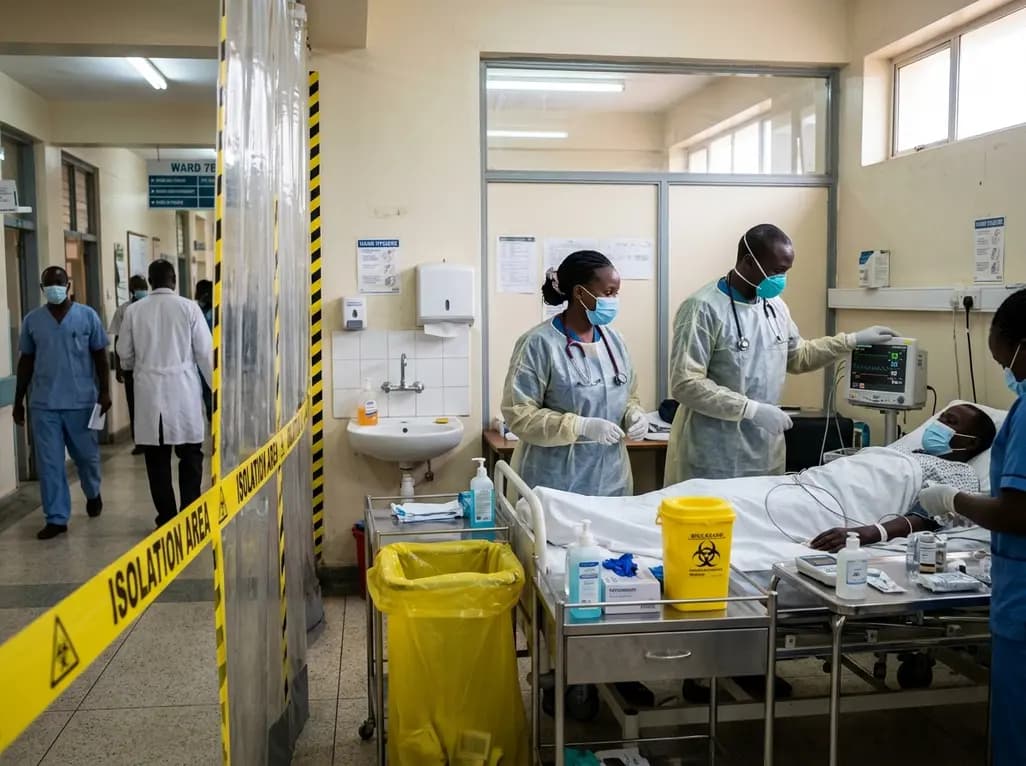
Kenya's confirmation of its eighth Ebola infection highlights the acute risk of secondary transmission in hospital environments. Clinicians must maintain high vigilance, enforce strict infection prevention protocols, and implement rapid triage mechanisms for viral hemorrhagic fevers across healthcare settings.
3 days back
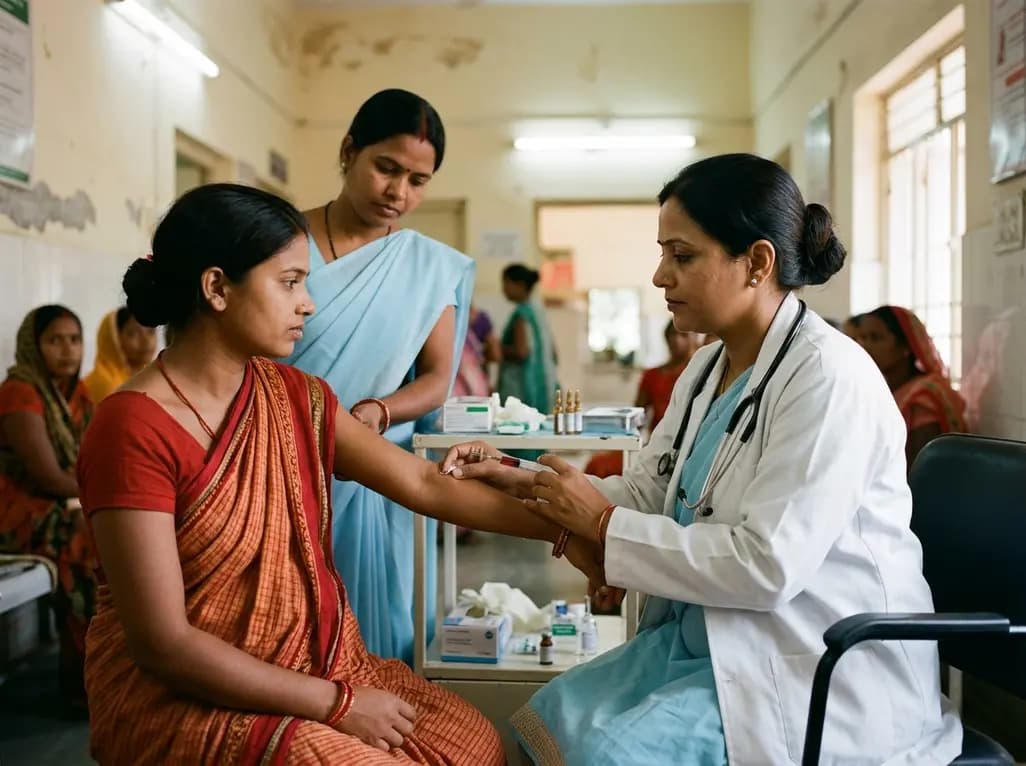
Maternal anaemia contributes to nearly half of pregnancy-related fatalities across India. To prevent complications, Uttar Pradesh has added single-dose parenteral iron to its essential medicines list. This clinical transition aims to restore haemoglobin rapidly and protect high-risk mothers across rural facilities.
Last week
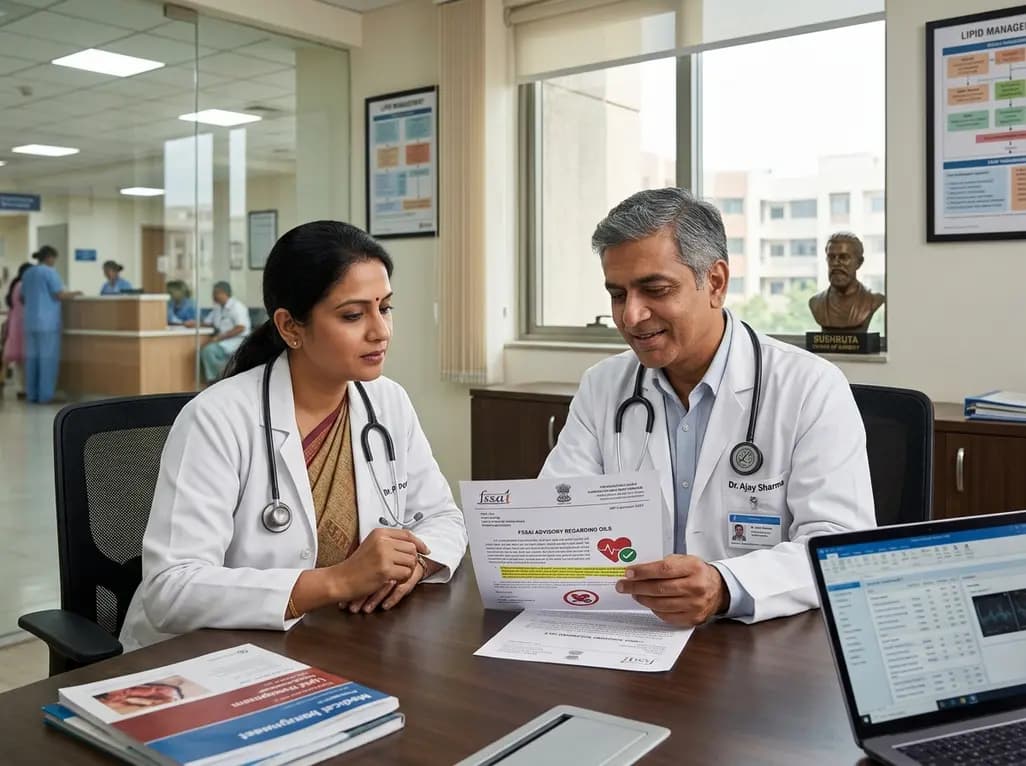
India's food safety authority FSSAI has issued show-cause notices to Gemini Edibles, BigBasket, and Flipkart for unpermitted cardiovascular claims regarding Freedom Rice Bran Oil. This regulatory move highlights the strict enforcement of advertising standards and the clinical necessity of evidence-based lipid care.
5 days back
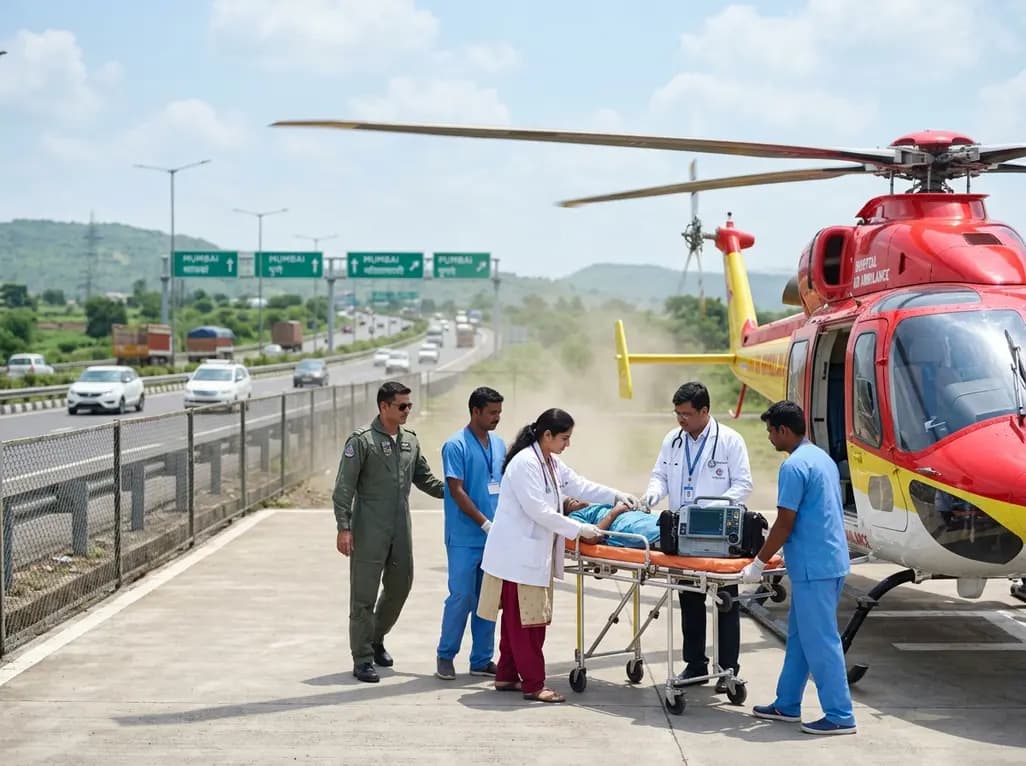
The state government is deploying helicopter emergency medical services across the Mumbai-Pune Expressway, Samruddhi Mahamarg, and Mumbai-Goa Highway. This initiative establishes unified standard operating procedures to enable rapid triage, advanced prehospital resuscitation, and seamless trauma care transfers.
Last week
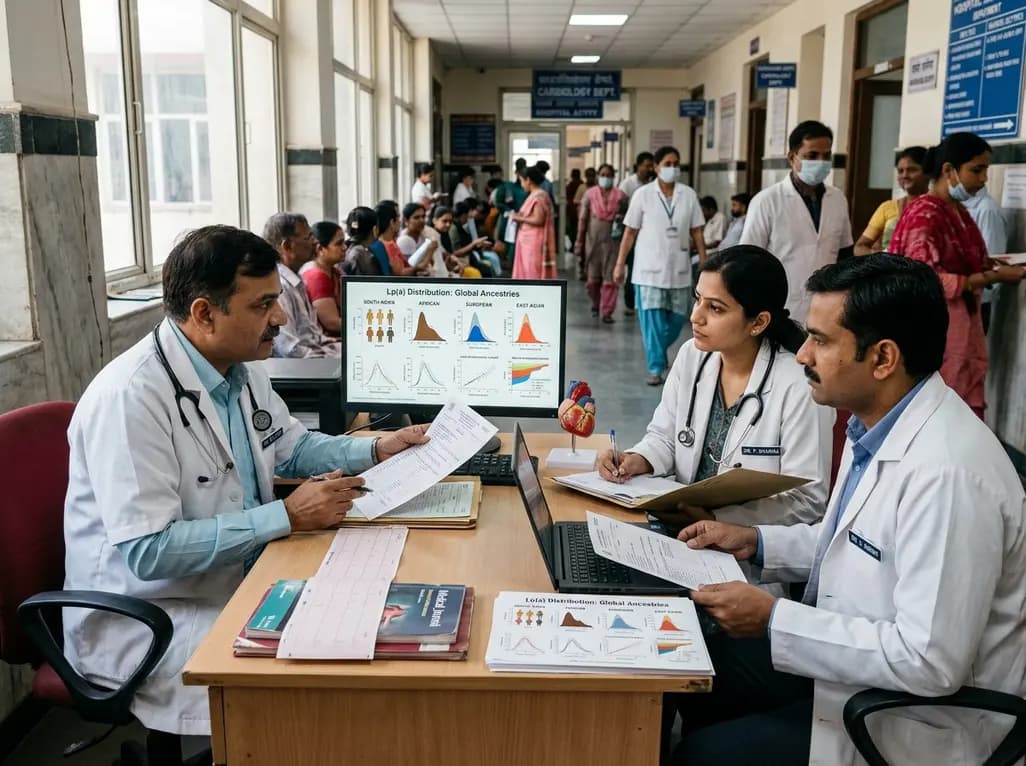
Atherosclerotic cardiovascular disease guidelines often rely on European-derived lipoprotein(a) cutoffs. However, baseline Lp(a) levels vary widely across ancestries, including South Asians and Africans. Clinicians must interpret Lp(a) values within overall absolute cardiovascular risk.
Last week
