.webp&w=384&q=75)

Loading, please wait...
Loading, please wait...
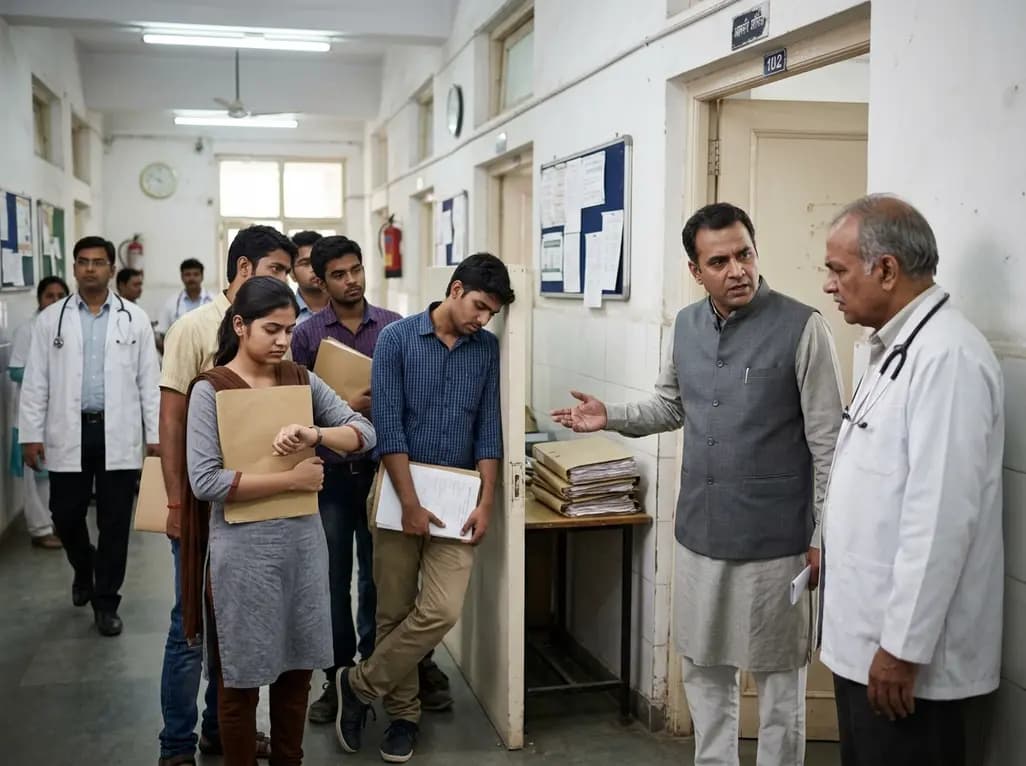
The Supreme Court-appointed amicus curiae recently highlighted how NMC admission delays are severely impacting medical students across India. Specifically, senior advocate Maninder Singh submitted a detailed report pointing out that the regulator has struggled to maintain its academic schedule. Consequently, undergraduate and postgraduate medical aspirants are bearing the brunt of these regulatory lapses.
According to the amicus report, admission schedules have stretched far past their traditional deadlines. For instance, postgraduate medical admissions for the 2025-26 session continued until February 2026. Similarly, undergraduate admissions dragged on until December 2025. As a result, these administrative lapses severely disrupted academic sessions. Additionally, several medical seats remained completely unfilled because permissions and counselling procedures did not conclude within the required timelines.
To address these issues, the amicus curiae linked the persistent scheduling delays directly to vacancies in key statutory posts. Indeed, although the NMC Act of 2019 has been in effect for six years, the government has failed to appoint regular office-bearers. Furthermore, multiple autonomous boards continue to function without their designated presidents and members. Consequently, the absence of a permanent secretary has further paralyzed administrative operations.
In addition to administrative delays, the report raised serious concerns regarding regulatory transparency. Previously, the commission regularly updated inspection reports and board decisions in the public domain. However, it no longer routinely discloses this statutory information. Consequently, this lack of openness has compromised the integrity of the medical education framework. Therefore, the amicus urged immediate government intervention to resolve these administrative issues.
Q1: Why are medical admissions getting delayed in India?
Medical admissions are delayed due to persistent vacancies in key statutory posts within the National Medical Commission (NMC) and its autonomous boards. These vacancies slow down approvals, inspections, and counselling schedules.
Q2: How does the administrative delay affect medical aspirants?
Because of these delays, academic sessions are disrupted, and admission timelines stretch months beyond the scheduled dates. Consequently, many seats remain vacant, and some appeals regarding seat increases become infructuous.
Disclaimer: This content is for informational and educational purposes only. It does not constitute medical advice or replace professional judgment. Refer to the latest local and national guidelines for clinical practice.
References

Read summarized clinical updates, watch expert medical content, and earn CME certifications right from your smartphone.
Open your smartphone camera to scan and install.





A Supreme Court-appointed amicus curiae report reveals that persistent vacancies at the National Medical Commission are delaying admissions and approvals....
4 months ago
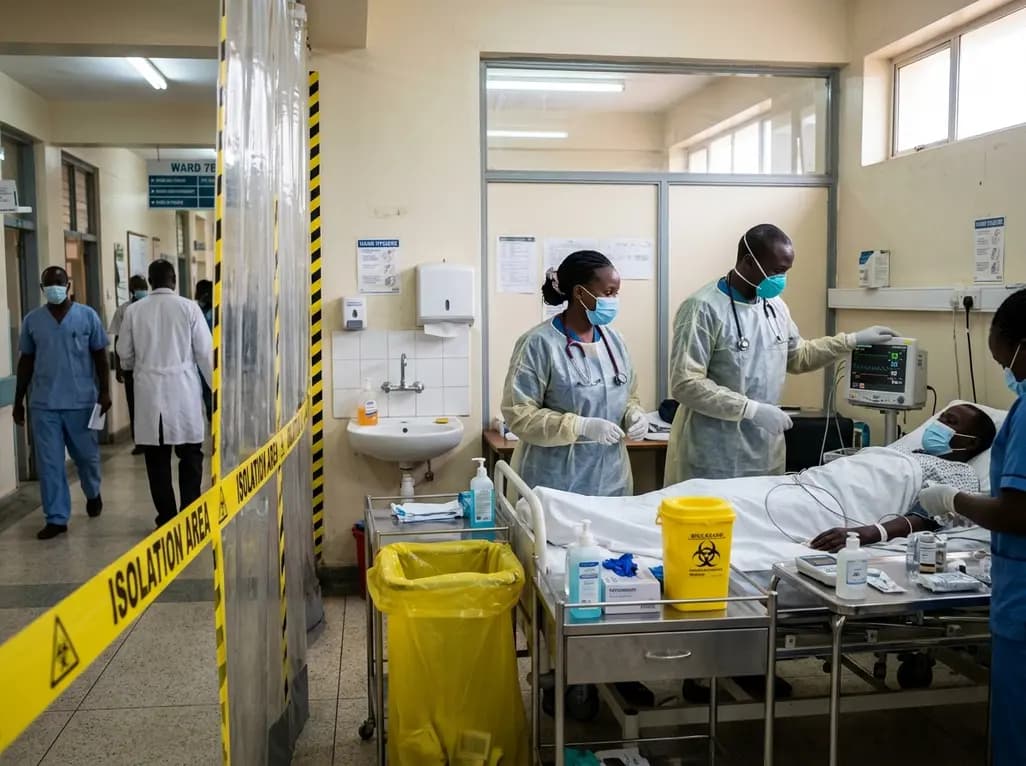
Kenya's confirmation of its eighth Ebola infection highlights the acute risk of secondary transmission in hospital environments. Clinicians must maintain high vigilance, enforce strict infection prevention protocols, and implement rapid triage mechanisms for viral hemorrhagic fevers across healthcare settings.
4 days back
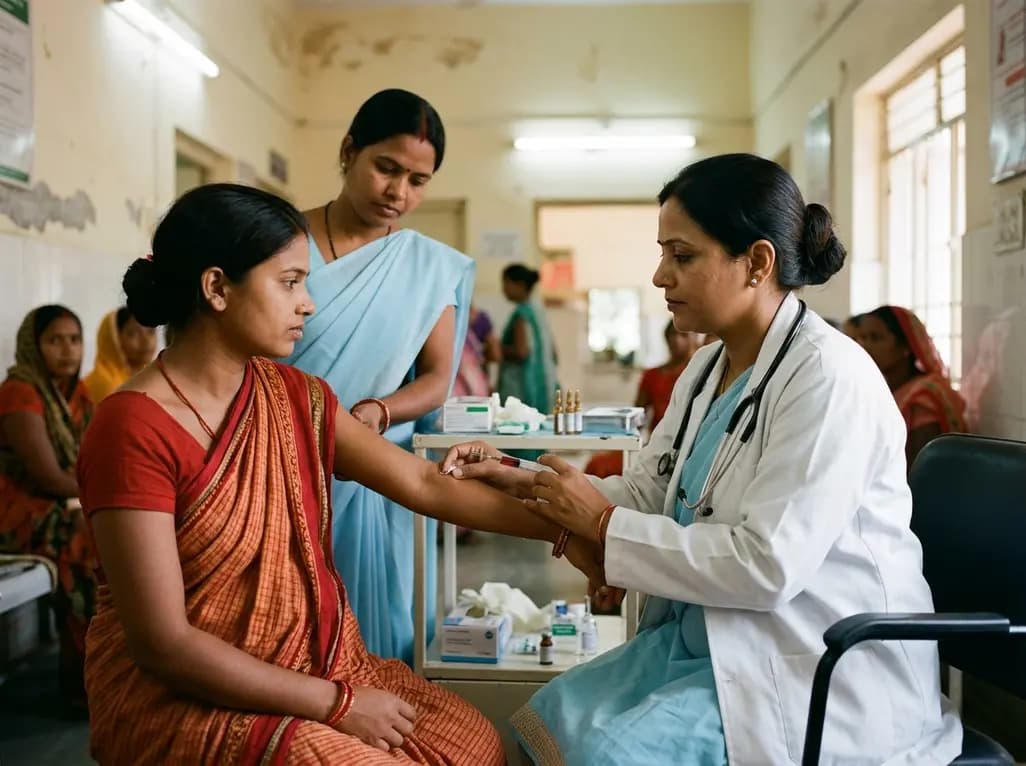
Maternal anaemia contributes to nearly half of pregnancy-related fatalities across India. To prevent complications, Uttar Pradesh has added single-dose parenteral iron to its essential medicines list. This clinical transition aims to restore haemoglobin rapidly and protect high-risk mothers across rural facilities.
Last week

India's food safety authority FSSAI has issued show-cause notices to Gemini Edibles, BigBasket, and Flipkart for unpermitted cardiovascular claims regarding Freedom Rice Bran Oil. This regulatory move highlights the strict enforcement of advertising standards and the clinical necessity of evidence-based lipid care.
6 days back
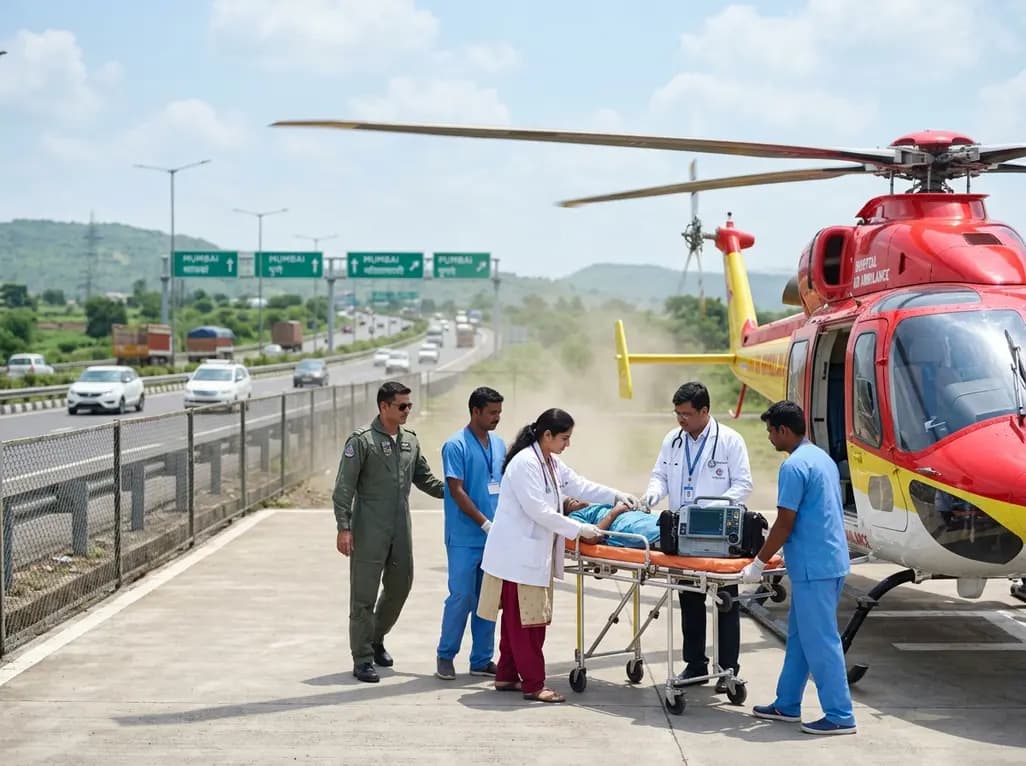
The state government is deploying helicopter emergency medical services across the Mumbai-Pune Expressway, Samruddhi Mahamarg, and Mumbai-Goa Highway. This initiative establishes unified standard operating procedures to enable rapid triage, advanced prehospital resuscitation, and seamless trauma care transfers.
Last week
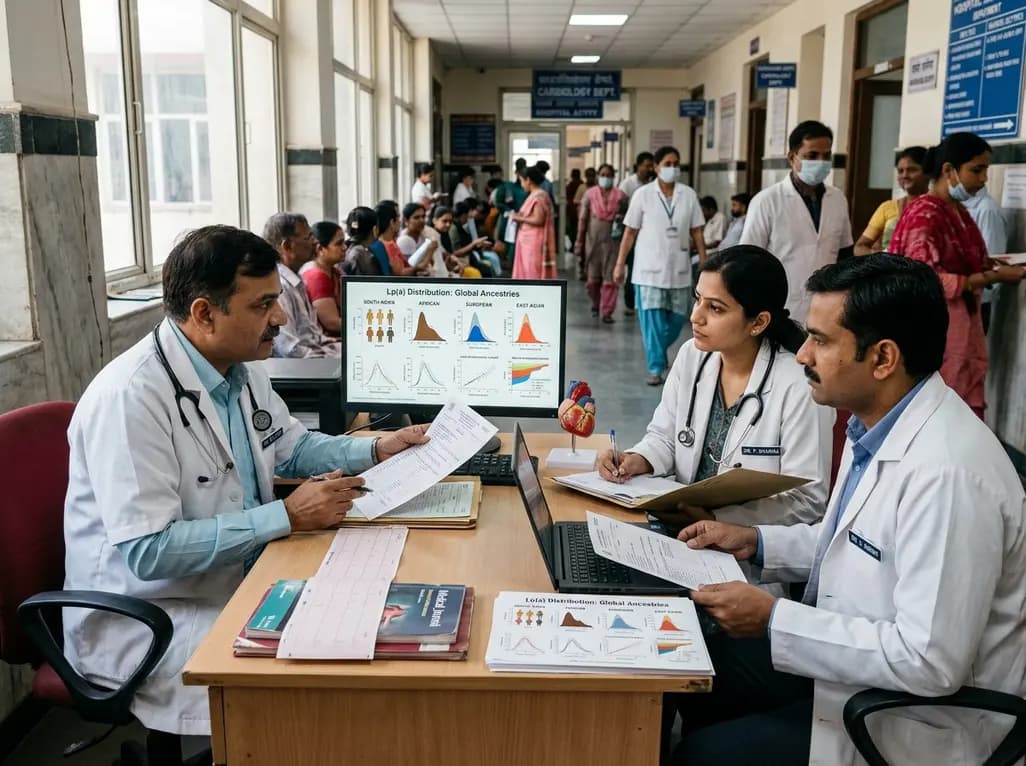
Atherosclerotic cardiovascular disease guidelines often rely on European-derived lipoprotein(a) cutoffs. However, baseline Lp(a) levels vary widely across ancestries, including South Asians and Africans. Clinicians must interpret Lp(a) values within overall absolute cardiovascular risk.
Last week
