.webp&w=384&q=75)

Loading, please wait...
Loading, please wait...
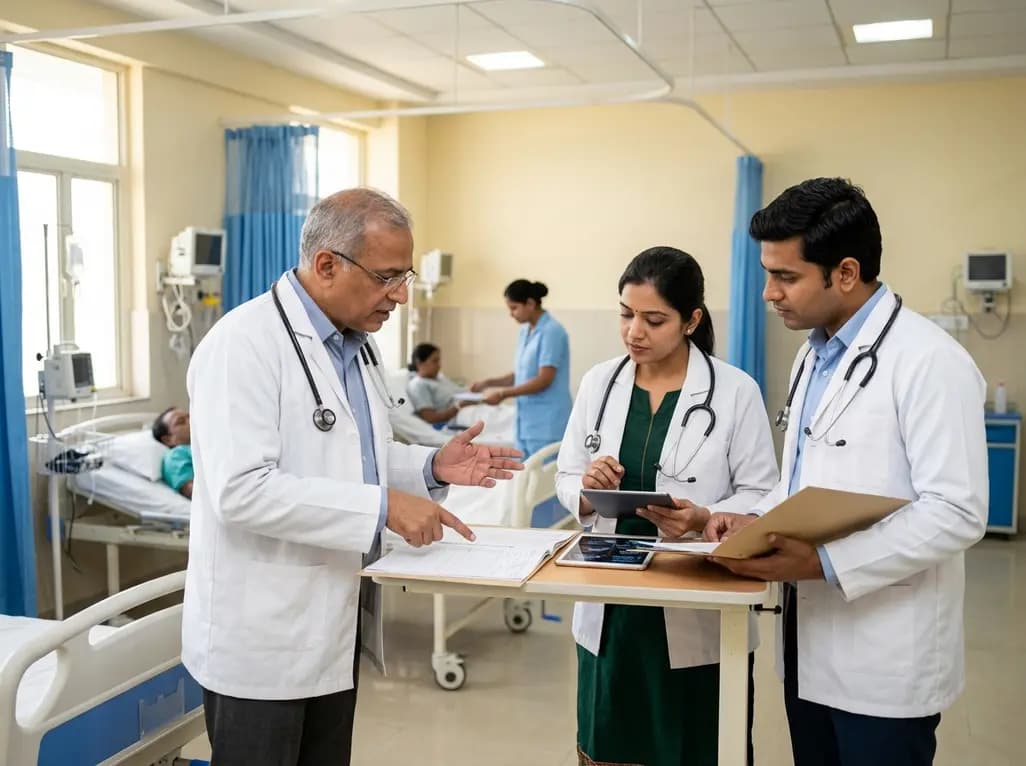
The apex policy think tank of India, NITI Aayog, recently released a landmark report proposing a comprehensive plan for globalizing Ayurveda. Prepared with PricewaterhouseCoopers, this blueprint outlines a strategic roadmap to establish Ayurveda as a global healthcare pillar by 2047. Currently, India maintains a strong domestic ecosystem with over 355,000 trained practitioners. However, international representation remains limited, with nearly 95% of these professionals based in India. Therefore, the newly proposed roadmap aims to address this imbalance. Ultimately, this policy shift will expand Ayurveda's global footprint and offer credible, evidence-based healthcare alternatives.
The newly released report organizes its strategic vision around three main structural pillars: availability, acceptability, and propagation. Consequently, each pillar targets specific operational challenges that have historically limited the international expansion of traditional Indian medicine. The availability pillar focuses on establishing global legal recognition and ensuring a well-trained workforce in various countries. Additionally, exports rose steadily from 1.09 billion dollars in 2014 to 2.16 billion dollars in 2023. Furthermore, the acceptability pillar addresses the critical need for compliance with international regulations and standardized guidelines. This aspect is vital because many countries still view traditional formulations with caution due to varying quality standards. Therefore, India must foster stronger international collaborations and secure insurance coverage for traditional therapies to improve global acceptance. Finally, the propagation pillar emphasizes strategic brand positioning and medical value travel. By leveraging India's rich cultural soft power, the government aims to increase visibility in international healthcare bodies. Consequently, these synchronized efforts will establish a unified narrative, positioning traditional Indian medicine as a safe, credible wellness solution.
To facilitate professional mobility, NITI Aayog has recommended several transformative policy interventions. Most notably, the report suggests creating a Global Ayurveda Register to provide internationally recognized digital credentials for practitioners. This register will align with World Health Organization standards to ensure the qualifications of Indian practitioners are verified globally. Consequently, this initiative will support professional mobility and help address the severe shortage of qualified practitioners outside India. Additionally, the report recommends establishing a dedicated world federation for Ayurveda and yoga. This body will serve as a global platform to promote unified educational and training standards across borders. Moreover, the report emphasizes the importance of introducing elective courses on traditional medicine in international medical schools. By integrating traditional principles into medical curricula, future global healthcare professionals will gain a better understanding of integrative treatment options. Subsequently, these steps will build a collaborative bridge between traditional and modern medicine. Furthermore, NITI Aayog suggests expanding the academic chairs in foreign universities to strengthen international academic exchanges. As a result, this comprehensive outreach will build a competent, globally mobile workforce.
Although exports of traditional medicine products have doubled over the last decade, significant trade barriers still persist. Currently, exporters sell most Ayurvedic products overseas as dietary supplements rather than registered medicines. Consequently, this categorization severely limits their therapeutic recognition and restricts their integration into formal healthcare systems. To overcome this critical challenge, NITI Aayog has recommended formulating a specialized Ayurvedic pharmacopoeia-export edition. This publication will establish internationally aligned quality standards and chemical fingerprinting to satisfy stringent global regulatory requirements. Additionally, the think tank recommended creating a real-time Ayurveda trade dashboard. This digital platform will provide valuable market intelligence, trade insights, and tracking mechanisms for exporters and policy planners. Furthermore, the report emphasizes upgrading Indian manufacturing facilities to match WHO Good Manufacturing Practices standards. Improving these standards will significantly reduce concerns regarding contaminants and heavy metals in exported formulations. Therefore, strengthening coordination between academic institutions and manufacturing industries is absolutely essential. By working together, researchers and manufacturers can develop high-value finished products that comply with international safety norms. Ultimately, these unified upgrades will pave the way for seamless international trade.
To achieve widespread global acceptance, Ayurveda must build a robust and scientifically credible clinical evidence base. Historically, the lack of large-scale, multi-centric clinical trials has been a major obstacle to mainstream integration. Therefore, NITI Aayog's strategic roadmap highlights the urgent need to conduct rigorous, multi-country clinical trials. These studies should specifically focus on conditions where traditional treatments offer proven therapeutic benefits. For instance, managing chronic low back pain, knee osteoarthritis, and metabolic syndrome can benefit immensely from systematic therapies. Additionally, the roadmap highly recommends establishing real-world data registries to track long-term safety and efficacy outcomes. These registries will collect standardized clinical data from diverse populations globally, demonstrating the practical benefits of integrative medicine. Furthermore, publishing annual global evidence and safety reports will help dispel misconceptions regarding traditional remedies. Consequently, this scientific validation will encourage insurance companies in foreign countries to cover Ayurvedic treatments under national health schemes. By demonstrating therapeutic efficacy through modern scientific methodologies, India can successfully elevate Ayurveda's status. Ultimately, this evidence-based approach will reassure hesitant global healthcare providers.
The roadmap proposes a phased implementation strategy extending up to 2047, aligned with the developmental vision of Viksit Bharat. This long-term strategy aims to transform Ayurveda into an integral component of national healthcare systems around the globe. Consequently, the globalization of Ayurveda goes far beyond merely expanding export markets or increasing commercial revenue. As emphasized by health policy experts, the core objective of this initiative is to improve global health outcomes. By offering additional, evidence-based healthcare options, patients worldwide can achieve healthier and more fulfilling lives. Furthermore, realizing this ambitious vision will require a cohesive, whole-of-government approach to ensure coordinated and timely execution. The Ministry of Ayush, the Ministry of External Affairs, and various international partners must work closely to implement these recommendations. Subsequently, India will solidify its position as a global leader in traditional medicine while unlocking substantial economic value. Ultimately, the successful propagation of this ancient healing science will reinforce India's cultural soft power. Through persistent diplomacy and evidence-based clinical validation, Ayurveda will successfully transition into a globalized pillar of holistic healthcare.
Q1: What is the main objective of the Global Ayurveda Register proposed by NITI Aayog?
The main objective of the proposed Global Ayurveda Register is to provide internationally recognized digital credentials for qualified Ayurvedic practitioners. Aligned with World Health Organization standards, this register will facilitate professional mobility across borders. Consequently, it aims to address the severe shortage of qualified practitioners outside India, ensuring that international clinical practices are led by verified, highly trained professionals.
Q2: Why do most Ayurvedic exports currently face regulatory barriers overseas?
Currently, most Ayurvedic exports face regulatory barriers because they are categorized as dietary supplements rather than recognized therapeutic medicines abroad. This limitation arises due to varying international quality standards and concerns regarding chemical consistency. Therefore, NITI Aayog recommends formulating a specialized export edition of the Ayurvedic pharmacopoeia to establish chemical fingerprinting, upgrade manufacturing standards, and achieve global therapeutic recognition.
Q3: How does the NITI Aayog roadmap propose to improve global clinical acceptance?
To improve global acceptance, the roadmap emphasizes the urgent need for robust, evidence-based scientific validation. Specifically, it recommends conducting rigorous multi-country clinical trials to demonstrate therapeutic efficacy for chronic conditions. Additionally, establishing real-world clinical data registries and publishing annual safety reports will build confidence among international healthcare systems, eventually enabling insurance coverage for Ayurvedic therapies in multiple countries.
Disclaimer: This content is for informational and educational purposes only. It does not constitute medical advice or replace professional judgment. Refer to the latest local and national guidelines for clinical practice.
References

Read summarized clinical updates, watch expert medical content, and earn CME certifications right from your smartphone.
Open your smartphone camera to scan and install.





NITI Aayog, in collaboration with PwC, has released a comprehensive roadmap to position Ayurveda as a globally recognized healthcare system by 2047. The strategy focuses on overcoming regulatory barriers, creating a Global Ayurveda Register, and aligning standards with global healthcare frameworks.
3 months ago

Kenya's confirmation of its eighth Ebola infection highlights the acute risk of secondary transmission in hospital environments. Clinicians must maintain high vigilance, enforce strict infection prevention protocols, and implement rapid triage mechanisms for viral hemorrhagic fevers across healthcare settings.
4 days back
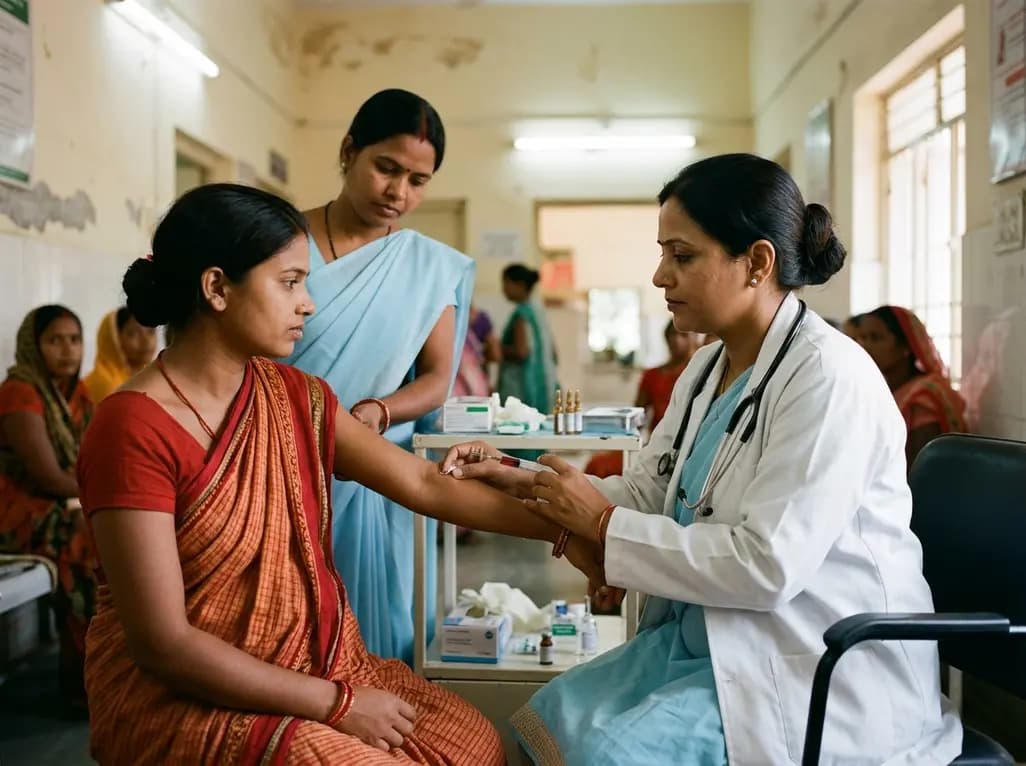
Maternal anaemia contributes to nearly half of pregnancy-related fatalities across India. To prevent complications, Uttar Pradesh has added single-dose parenteral iron to its essential medicines list. This clinical transition aims to restore haemoglobin rapidly and protect high-risk mothers across rural facilities.
Last week
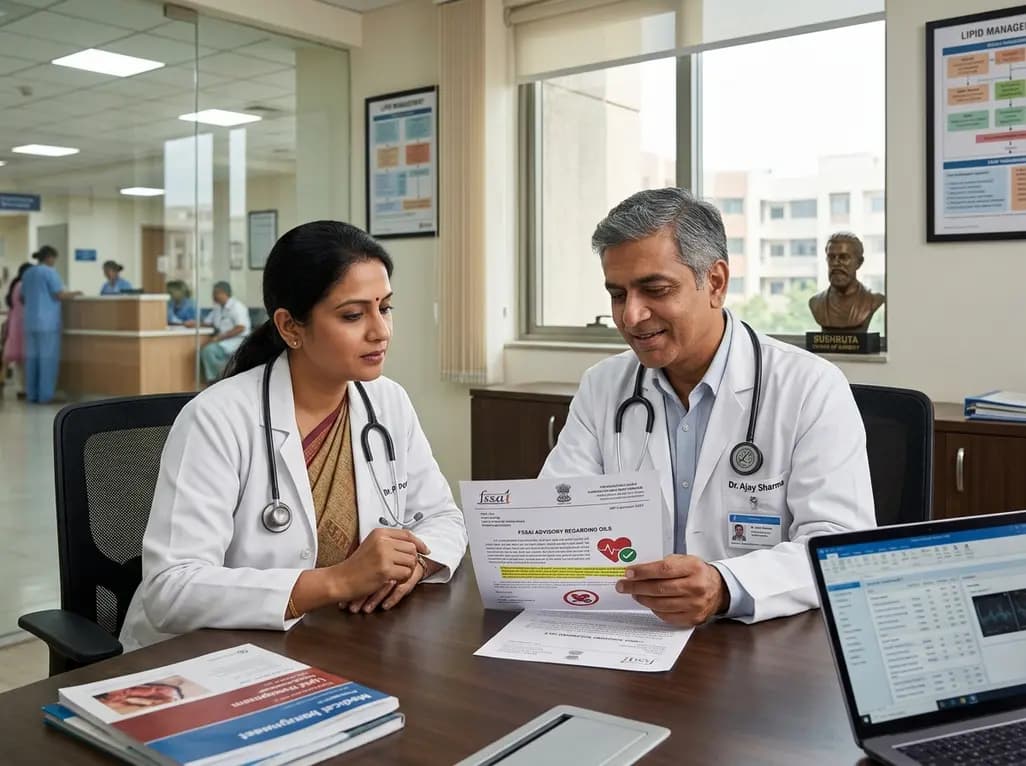
India's food safety authority FSSAI has issued show-cause notices to Gemini Edibles, BigBasket, and Flipkart for unpermitted cardiovascular claims regarding Freedom Rice Bran Oil. This regulatory move highlights the strict enforcement of advertising standards and the clinical necessity of evidence-based lipid care.
6 days back

The state government is deploying helicopter emergency medical services across the Mumbai-Pune Expressway, Samruddhi Mahamarg, and Mumbai-Goa Highway. This initiative establishes unified standard operating procedures to enable rapid triage, advanced prehospital resuscitation, and seamless trauma care transfers.
Last week
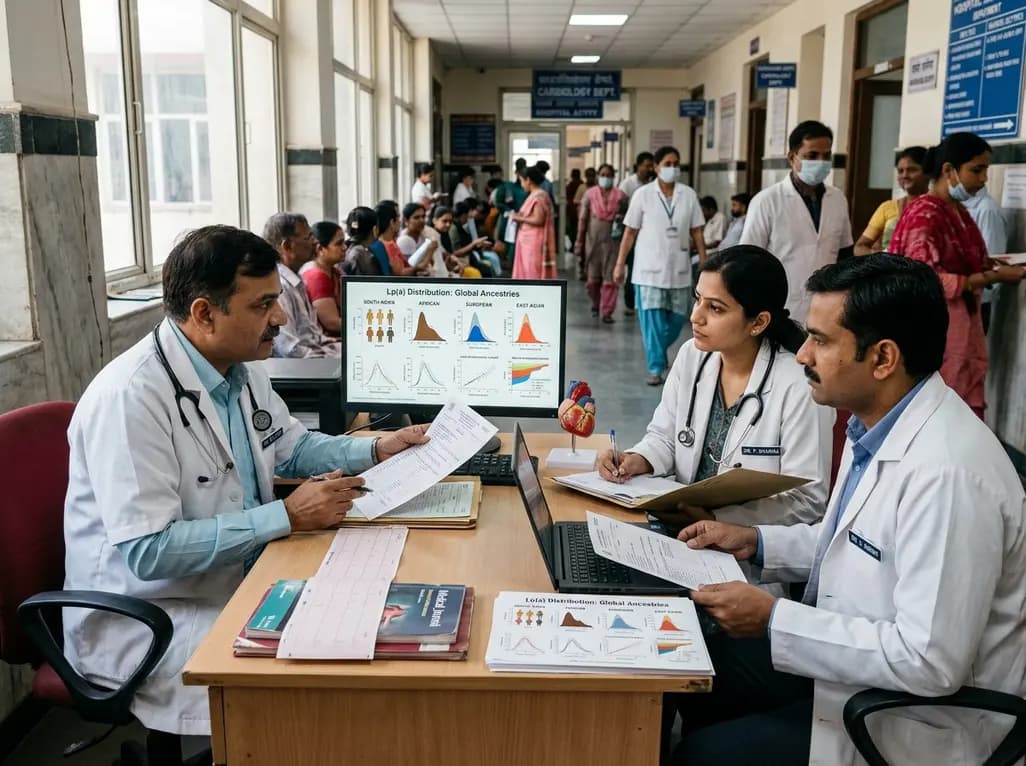
Atherosclerotic cardiovascular disease guidelines often rely on European-derived lipoprotein(a) cutoffs. However, baseline Lp(a) levels vary widely across ancestries, including South Asians and Africans. Clinicians must interpret Lp(a) values within overall absolute cardiovascular risk.
Last week
