.webp&w=384&q=75)

Loading, please wait...
Loading, please wait...
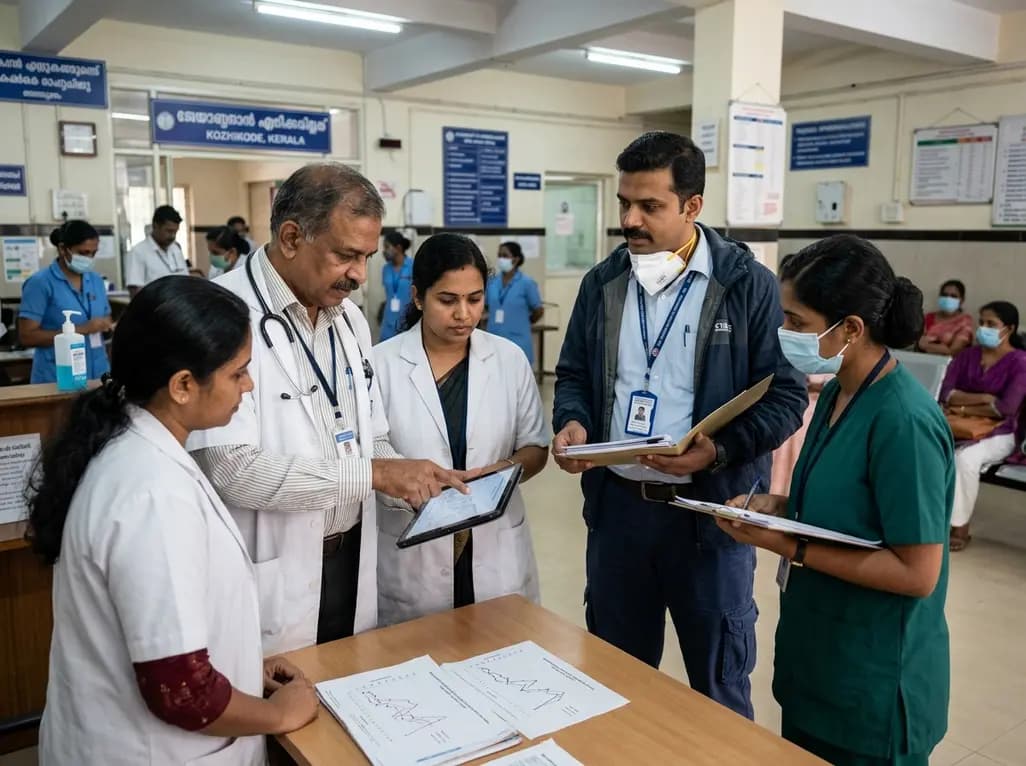
Following recent reports, the ICMR team arrived in Kerala after a confirmed Nipah virus Kozhikode case. Specifically, doctors identified the infection in a 43-year-old resident of Ramanattukara. Consequently, health authorities immediately initiated strict containment protocols and contact tracing. Additionally, tests performed on the patient's close relatives have fortunately returned negative. However, officials are maintaining high vigilance to prevent any further transmission.
The 43-year-old patient currently receives ventilator support at the Government Medical College Hospital. Crucially, the health department has identified and placed eighty-seven contact individuals under active surveillance. To ensure safety, local medical teams are actively conducting door-to-door surveillance in the affected neighborhood. Furthermore, experts categorize these contacts based on their exposure risk to streamline monitoring. Therefore, the district administration actively prepares to handle any symptomatic individuals immediately.
Additionally, a specialized team from the National Centre for Disease Control (NCDC) has joined the ICMR experts. Together, they are reviewing the local containment strategies and clinical management pathways. Indeed, officials held high-level meetings under the guidance of the district collector and the revenue minister. During these discussions, the minister directed the health staff to maintain adequate stocks of monoclonal antibodies and supportive medications. Consequently, healthcare facilities have fully activated their emergency isolation protocols to prevent hospital-acquired infections.
In particular, understanding the transmission dynamics of this zoonotic pathogen remains vital for clinicians in India. Typically, fruit bats of the Pteropodidae family serve as the natural reservoir. For example, humans can contract the infection through direct contact with infected bats or contaminated fruits. Moreover, secondary human-to-human transmission is a significant risk in hospital settings. Indeed, clinical presentation often starts with non-specific symptoms like fever, headache, and myalgia. However, it can rapidly progress to severe respiratory distress and acute encephalitis. Because the disease carries a very high mortality rate, early identification and strict isolation are paramount.
Q1: What is the current status of the patient in Kozhikode?
The 43-year-old patient is receiving ventilator support and has received monoclonal antibody therapy and antiviral treatment at the Government Medical College Hospital in Kozhikode.
Q2: Have any other contacts tested positive for the virus?
No, all tested contacts, including close family members and symptomatic individuals under surveillance, have tested negative for the Nipah virus.
Q3: What are the primary transmission routes of the Nipah virus?
Nipah virus is a zoonotic virus primarily transmitted from fruit bats to humans, though human-to-human transmission can also occur through direct contact.
Disclaimer: This content is for informational and educational purposes only. It does not constitute medical advice or replace professional judgment. Refer to the latest local and national guidelines for clinical practice.
References

Read summarized clinical updates, watch expert medical content, and earn CME certifications right from your smartphone.
Open your smartphone camera to scan and install.





Following a confirmed Nipah case in a 43-year-old resident of Kozhikode, a specialized ICMR team has arrived to review containment strategies. Three close relatives tested negative, while eighty-seven contacts are under strict surveillance. Health authorities are implementing active monitoring protocols.
4 months ago
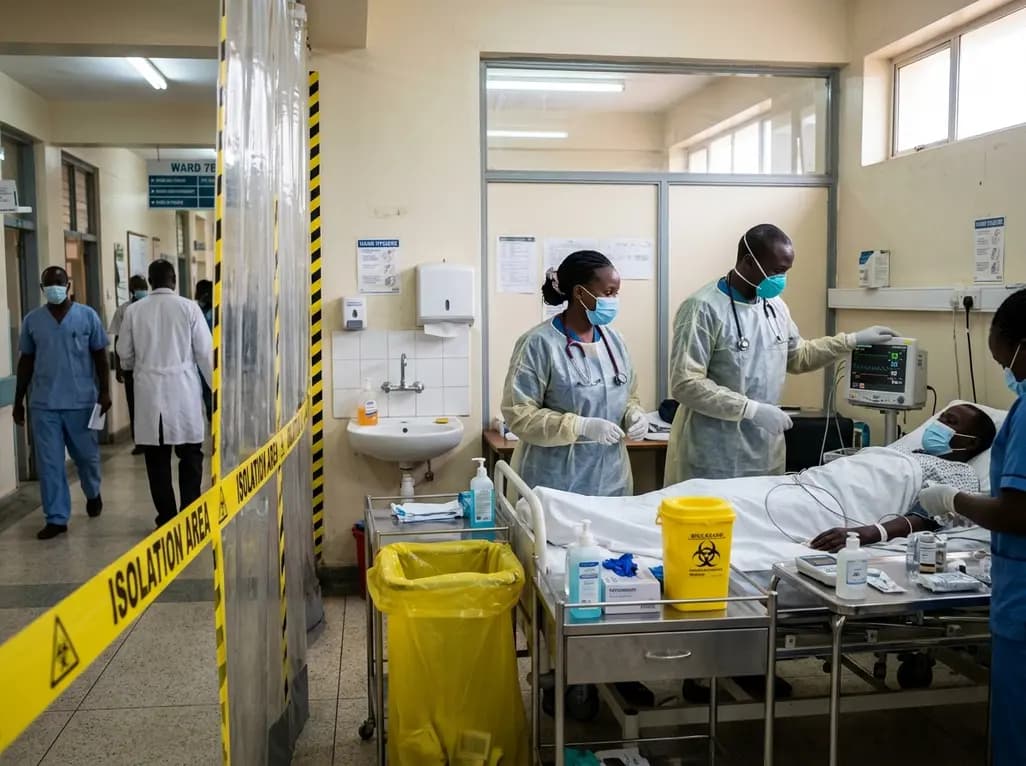
Kenya's confirmation of its eighth Ebola infection highlights the acute risk of secondary transmission in hospital environments. Clinicians must maintain high vigilance, enforce strict infection prevention protocols, and implement rapid triage mechanisms for viral hemorrhagic fevers across healthcare settings.
4 days back
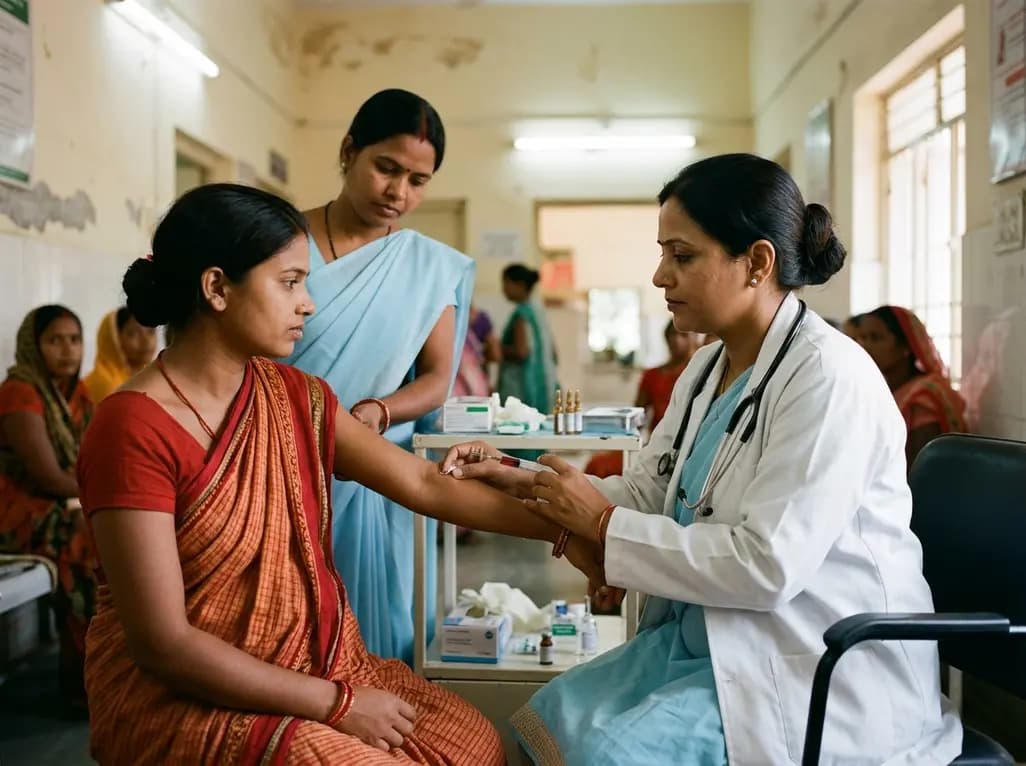
Maternal anaemia contributes to nearly half of pregnancy-related fatalities across India. To prevent complications, Uttar Pradesh has added single-dose parenteral iron to its essential medicines list. This clinical transition aims to restore haemoglobin rapidly and protect high-risk mothers across rural facilities.
Last week
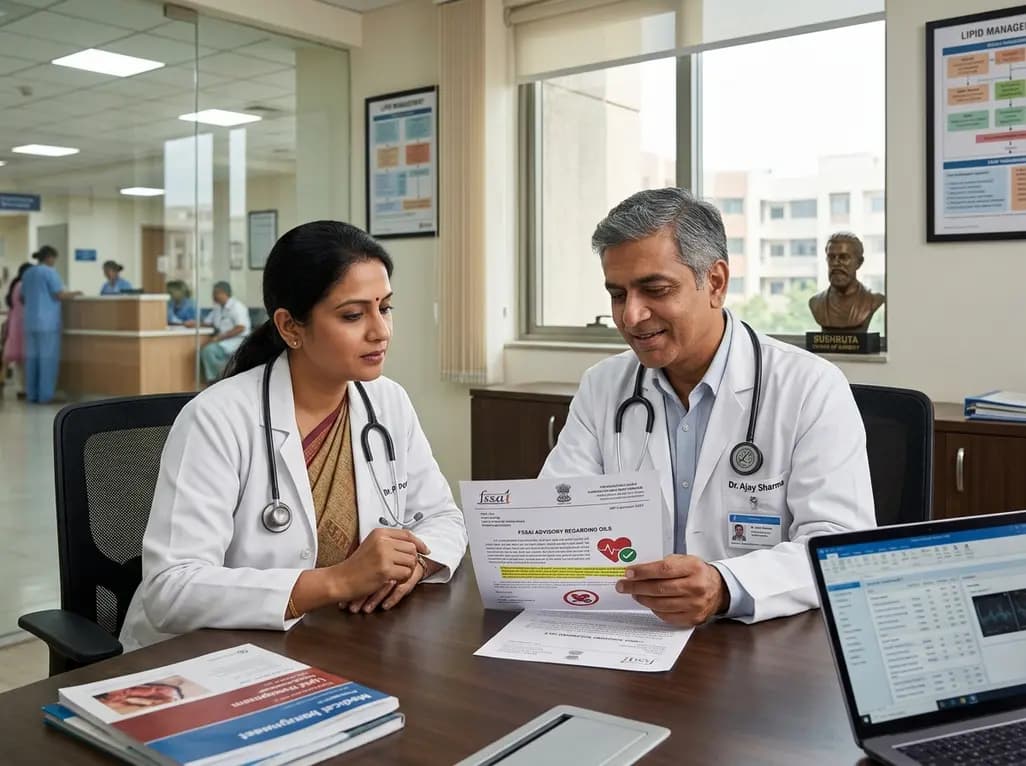
India's food safety authority FSSAI has issued show-cause notices to Gemini Edibles, BigBasket, and Flipkart for unpermitted cardiovascular claims regarding Freedom Rice Bran Oil. This regulatory move highlights the strict enforcement of advertising standards and the clinical necessity of evidence-based lipid care.
6 days back
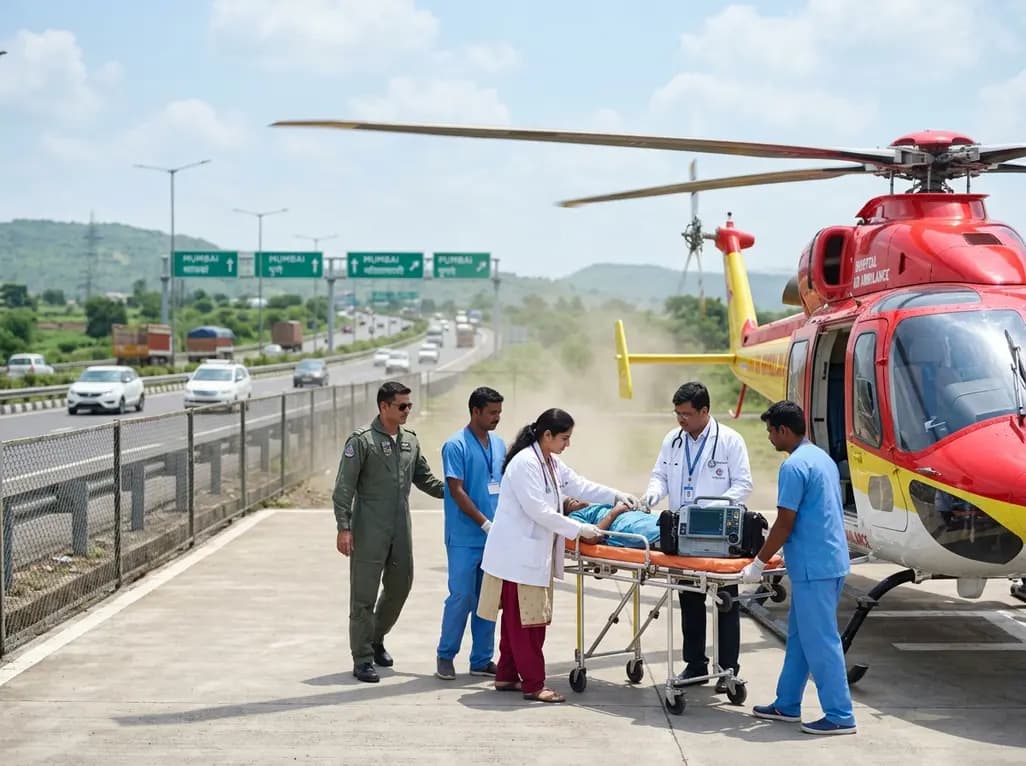
The state government is deploying helicopter emergency medical services across the Mumbai-Pune Expressway, Samruddhi Mahamarg, and Mumbai-Goa Highway. This initiative establishes unified standard operating procedures to enable rapid triage, advanced prehospital resuscitation, and seamless trauma care transfers.
Last week
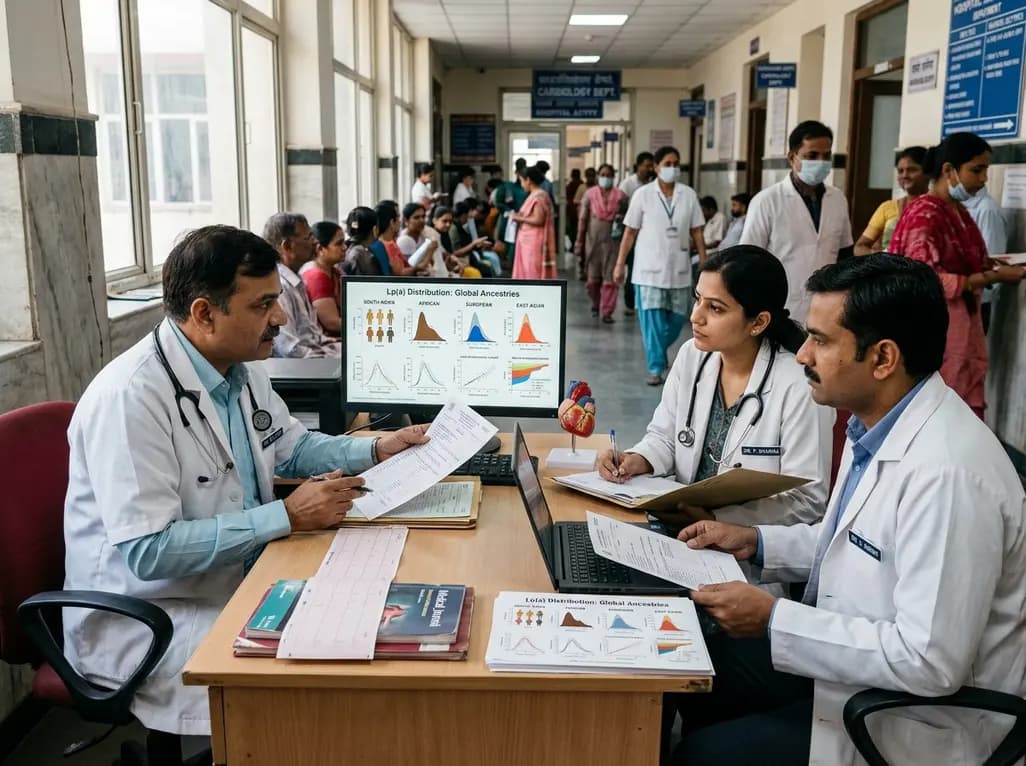
Atherosclerotic cardiovascular disease guidelines often rely on European-derived lipoprotein(a) cutoffs. However, baseline Lp(a) levels vary widely across ancestries, including South Asians and Africans. Clinicians must interpret Lp(a) values within overall absolute cardiovascular risk.
Last week
