.webp&w=384&q=75)

Loading, please wait...
Loading, please wait...
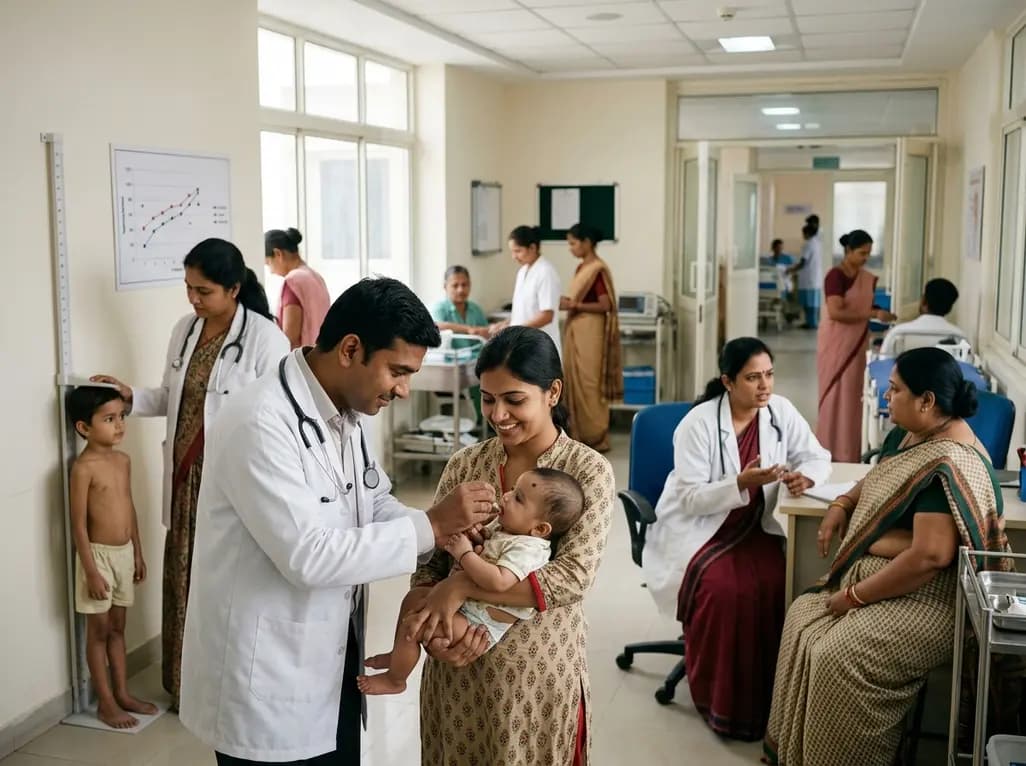
The recently released NFHS-6 survey findings reveal significant progress in maternal and child health indicators across India. Additionally, an analysis by SBI Research shows these shorter intervals allow for better, more accurate tracking. However, while some indicators are very promising, persistent nutritional challenges demand a more comprehensive and holistic approach.
The survey shows outstanding progress in reducing childhood stunting. Specifically, the proportion of stunted children under five fell to 29.3% in 2023-24, compared to 35.5% in 2019-21. Moreover, child immunization has registered a sharper gain. Furthermore, full vaccination coverage reached 82.6%, showing a strong rise from 76.6% in the previous cycle. Nevertheless, improvements in underweight and wasting rates remain relatively modest. Therefore, experts emphasize that public health interventions must go beyond narrow nutrition programs. We need strong public-private-community partnerships to ensure robust delivery.
Maternal care indicators have also improved dramatically across India. For instance, institutional births are now near-universal at 90.6%. Similarly, the share of mothers who received four or more antenatal visits climbed to 65.2%. This shows that access to essential obstetric services has strengthened nationwide. On the other hand, the data reveals a worrying trend regarding women's health. Specifically, obesity among women rose sharply to 30.7% in 2023-24 from 24% in the prior cycle. Consequently, healthcare providers must prepare for a rising risk of non-communicable diseases. At the same time, we must maintain the gains in basic maternal care.
Demographic indicators show that India's fertility transition is largely mature. In fact, the total fertility rate remained stable at 2.0. Additionally, the contraceptive prevalence rate increased to 69.1%. These figures reflect steady progress in family planning and reproductive health. In addition, women's financial inclusion has strengthened considerably. Currently, 89.0% of women use their own bank accounts, up from 78.6% previously. Ultimately, financial independence helps women make better health decisions for themselves and their families.
Q1: What are the key findings regarding childhood stunting in the NFHS-6 survey findings?
According to the survey, the proportion of stunted children under five years fell significantly to 29.3% in 2023-24 from 35.5% in 2019-21, indicating a major improvement in long-term child nutrition.
Q2: What worrying trend was observed among women's health indicators?
The survey highlighted a concerning rise in obesity among women, which increased to 30.7% in 2023-24 from 24.0% in the previous NFHS-5 survey cycle.
Q3: How have maternal care indicators improved in this survey?
Maternal healthcare has advanced, with institutional births reaching a near-universal 90.6% and the proportion of mothers receiving four or more antenatal visits climbing to 65.2%.
Disclaimer: This content is for informational and educational purposes only. It does not constitute medical advice or replace professional judgment. Refer to the latest local and national guidelines for clinical practice.
References

Read summarized clinical updates, watch expert medical content, and earn CME certifications right from your smartphone.
Open your smartphone camera to scan and install.





The latest National Family Health Survey (NFHS-6) shows outstanding gains in child vaccination rates and maternal care, alongside a substantial decline in stunting. However, challenges persist with stagnant child wasting rates and a significant increase in female obesity across several states.
4 months ago
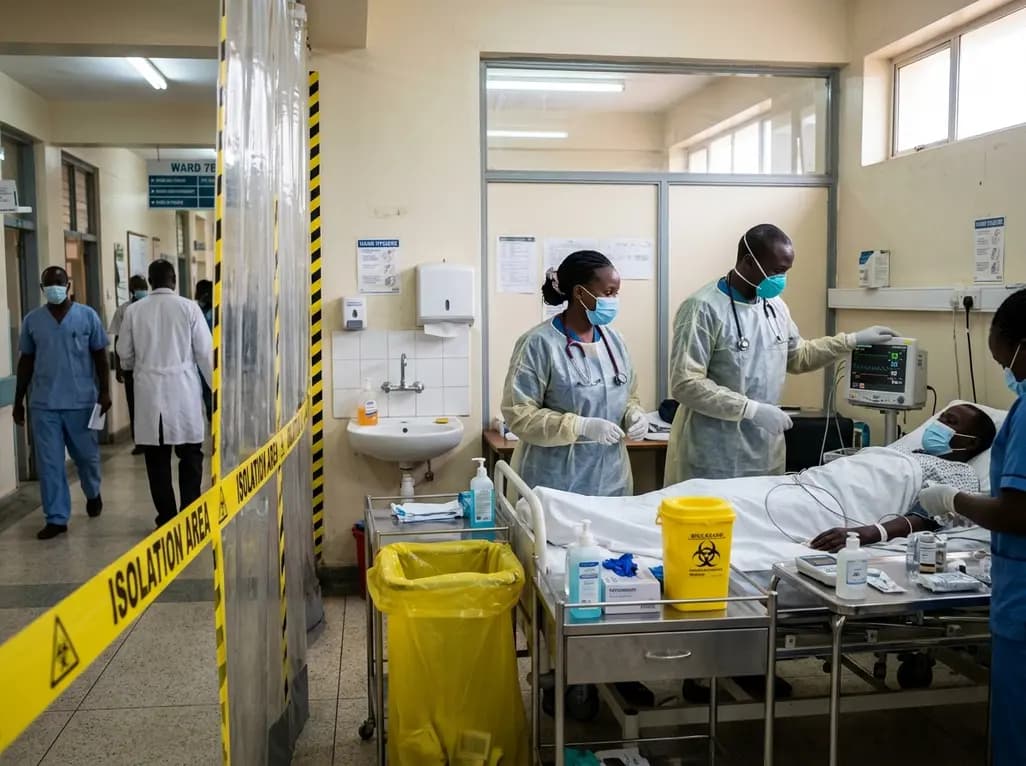
Kenya's confirmation of its eighth Ebola infection highlights the acute risk of secondary transmission in hospital environments. Clinicians must maintain high vigilance, enforce strict infection prevention protocols, and implement rapid triage mechanisms for viral hemorrhagic fevers across healthcare settings.
3 days back
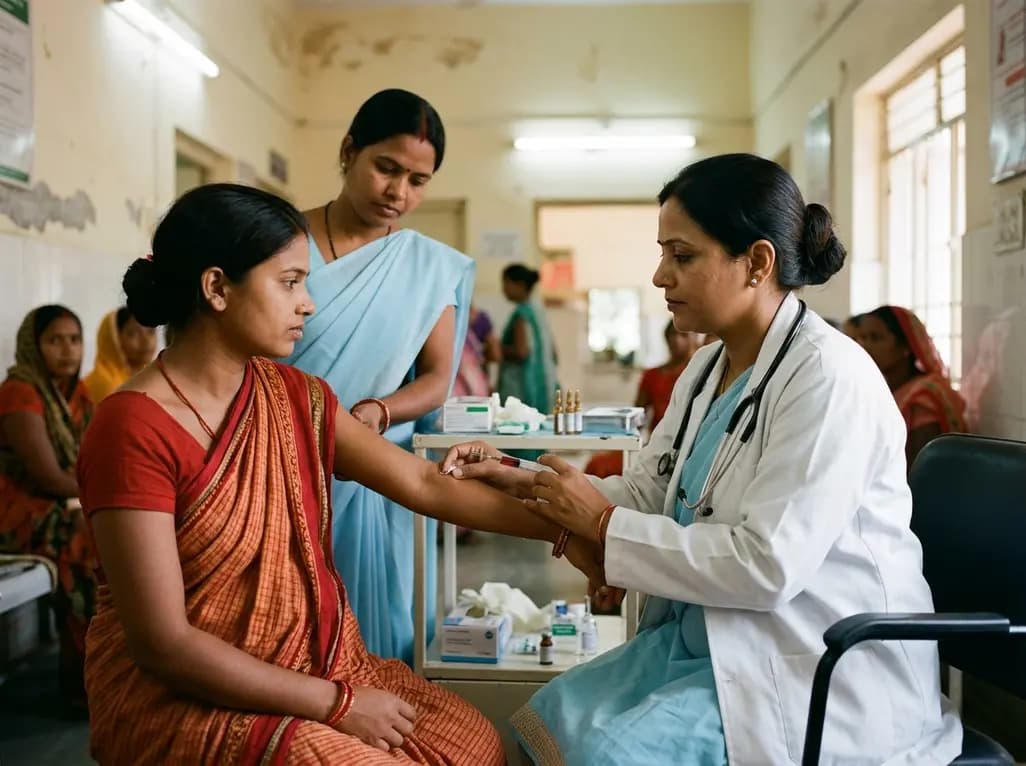
Maternal anaemia contributes to nearly half of pregnancy-related fatalities across India. To prevent complications, Uttar Pradesh has added single-dose parenteral iron to its essential medicines list. This clinical transition aims to restore haemoglobin rapidly and protect high-risk mothers across rural facilities.
Last week
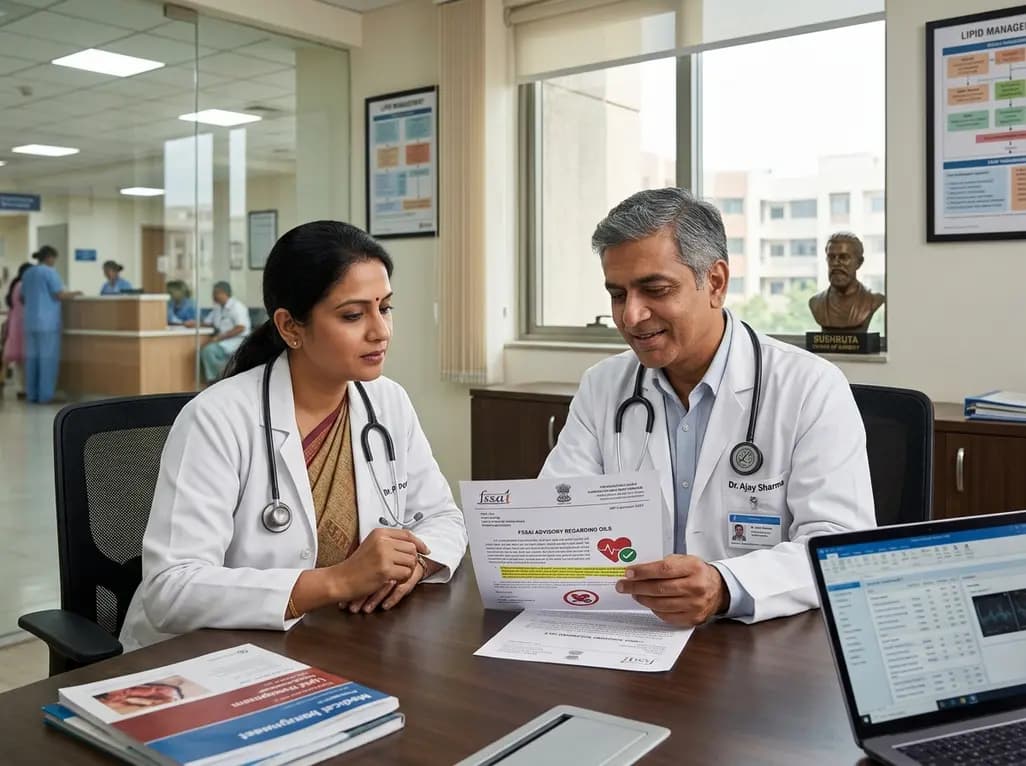
India's food safety authority FSSAI has issued show-cause notices to Gemini Edibles, BigBasket, and Flipkart for unpermitted cardiovascular claims regarding Freedom Rice Bran Oil. This regulatory move highlights the strict enforcement of advertising standards and the clinical necessity of evidence-based lipid care.
5 days back

The state government is deploying helicopter emergency medical services across the Mumbai-Pune Expressway, Samruddhi Mahamarg, and Mumbai-Goa Highway. This initiative establishes unified standard operating procedures to enable rapid triage, advanced prehospital resuscitation, and seamless trauma care transfers.
Last week
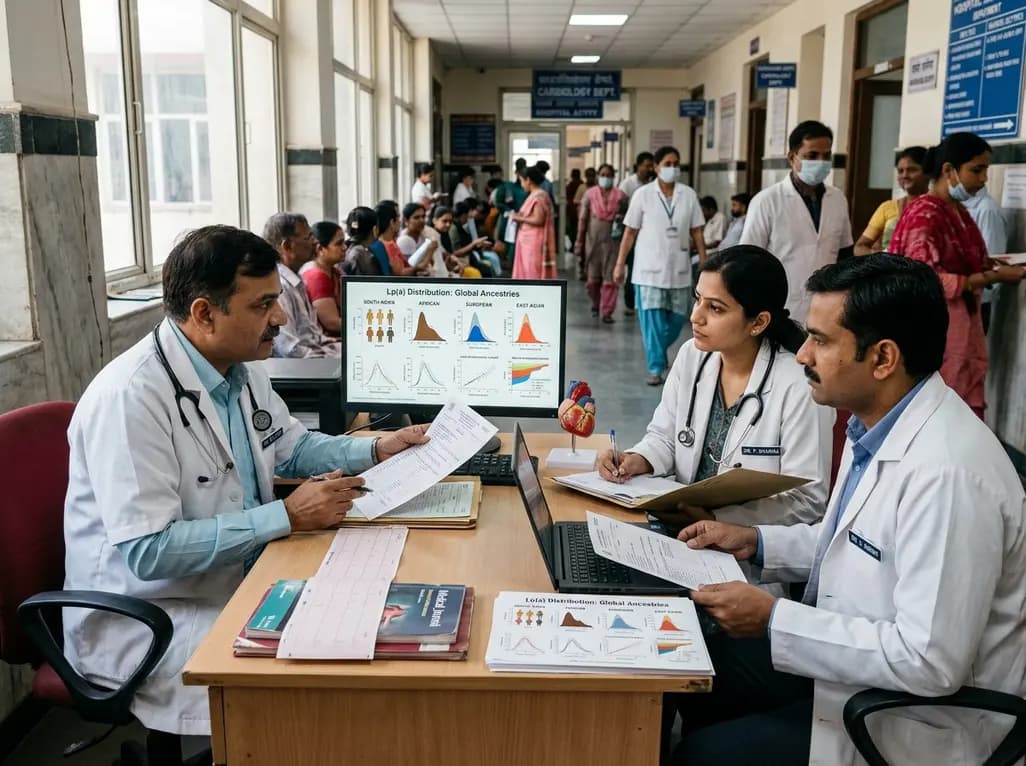
Atherosclerotic cardiovascular disease guidelines often rely on European-derived lipoprotein(a) cutoffs. However, baseline Lp(a) levels vary widely across ancestries, including South Asians and Africans. Clinicians must interpret Lp(a) values within overall absolute cardiovascular risk.
Last week
