.webp&w=384&q=75)

Loading, please wait...
Loading, please wait...
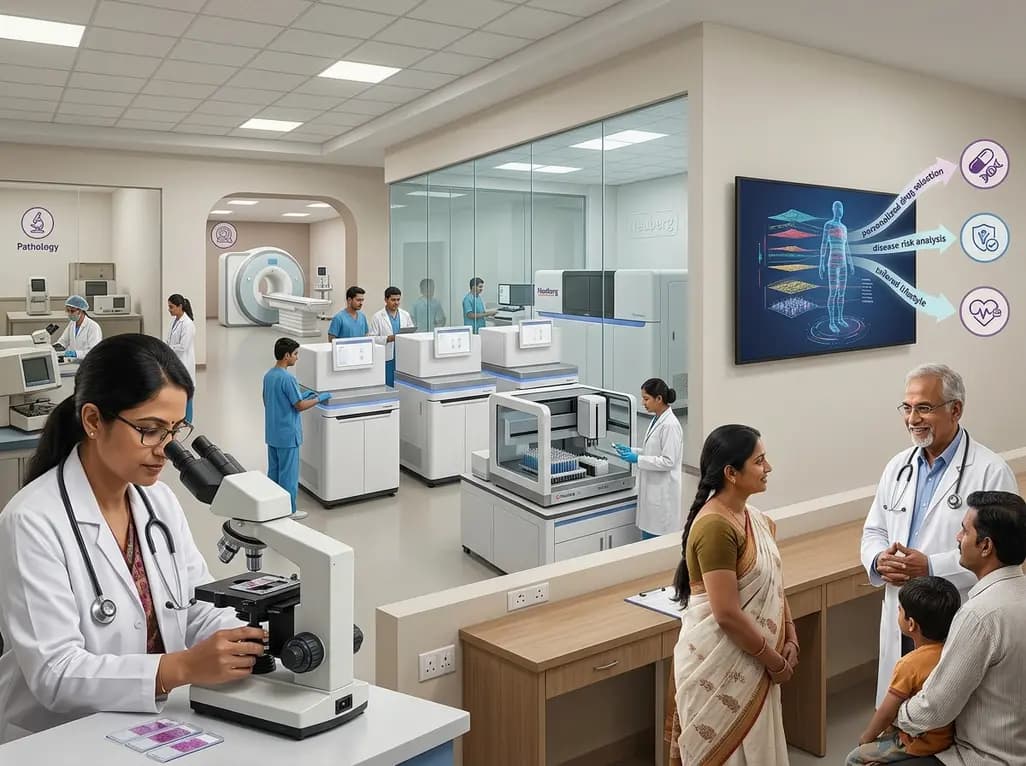
The landscape of medical diagnostics in India is undergoing a profound transformation. Clinicians are witnessing a shift from traditional pathology toward advanced diagnostic technologies. Among these innovations, genomics testing has emerged as a cornerstone of modern clinical decision-making. By analyzing genetic material, healthcare providers can now identify disease predispositions, tailor therapies, and predict treatment responses with unprecedented accuracy. Furthermore, large diagnostic chains are actively scaling up their capabilities to meet this growing demand. Currently, Neuberg Diagnostics, a major player in this space, is positioning itself at the forefront of this technological revolution. Consequently, the integration of genetic profiling into routine clinical practice is no longer a distant possibility. Instead, it is becoming an accessible reality for patients across the country. As a result, physicians must stay informed about these corporate and technological shifts. Indeed, understanding how these diagnostic networks expand allows doctors to leverage advanced testing tools more effectively. Therefore, the combination of clinical expertise and state-of-the-art genomics testing will redefine the future of healthcare delivery, offering highly precise interventions, robust clinical data, and improved patient outcomes nationwide. Ultimately, physicians who embrace these genetic tools can deliver superior preventative care to their patient populations.
To support its ambitious technological goals, Neuberg Diagnostics is preparing a robust financial roadmap. Specifically, the company plans to launch an initial public offering (IPO) in the financial year 2028 (FY28). Neuberg expects this public issue to raise between ₹3,500 crore and ₹4,000 crore, depending on market conditions. In the shorter term, the firm aims to secure ₹500 crore through pre-IPO funding over three to six months. This capital will primarily finance several critical acquisitions to strengthen its pan-India presence. Additionally, Neuberg expects to deploy ₹1,000 crore through fresh capital, internal accruals, and debt. Ultimately, these strategic investments will accelerate growth and help it secure the position of the second-largest domestic player. For medical practitioners, this financial expansion indicates a broader availability of advanced diagnostic infrastructure. As the company scales, it can offer more comprehensive reference testing services to clinics and hospitals. Consequently, robust financial backing ensures that the diagnostic chain can maintain high quality standards and deliver faster, more reliable results. Furthermore, this extensive capital injection enables the acquisition of specialized genetic testing laboratories across key regions. By doing so, the diagnostic group can seamlessly integrate advanced clinical research with daily diagnostic workflows.
Clearly, geographic expansion remains a key pillar of Neuberg's growth strategy, with a strong focus on western and northern India. As part of its western India foray, the company is launching a state-of-the-art preventive health center in Mumbai. This new facility will offer advanced testing services that integrate genetics, pathology, and radiology under one roof. Moreover, the group is prioritizing immediate expansion in Maharashtra, Delhi, and the National Capital Region (NCR). To achieve this footprint expansion, the company will utilize pre-IPO funding to complete four to five targeted acquisitions. By integrating regional laboratories, Neuberg aims to establish a seamless diagnostic network that spans the country. Consequently, this expansion is highly relevant to local healthcare providers who require timely access to specialized testing. For instance, a larger network reduces sample transit times. This ensures that clinicians in semi-urban areas can access the same advanced testing as those in metropolitan cities. Ultimately, these localized expansion efforts will bridge the gap between regional clinical practices and advanced diagnostic centers, enabling faster therapeutic decisions for complex cases. In addition, local clinics can now partner with this expanding network to offer specialized diagnostic screenings to their patients.
Currently, the medical industry is shifting rapidly toward a model that is preventive, predictive, and personalized. Neuberg Diagnostics is actively aligning its service portfolio with this evolution by heavily investing in longevity programs and wellness initiatives. Indeed, these programs rely on a synergistic combination of advanced pathology and radiology to assess patient health comprehensively. As a result, the company expects these new-generation tests to contribute 25% of its total revenue within three years. This financial shift reflects a growing clinical demand for early detection and lifestyle-based interventions. By focusing on preventive health, clinicians can identify risk factors before chronic conditions manifest. Furthermore, personalized medicine, guided by genomic insights, allows for highly customized therapeutic strategies that minimize adverse drug reactions and improve treatment efficacy. Therefore, this paradigm shift empowers physicians to move away from reactive disease management toward proactive health preservation. Consequently, as diagnostic providers offer more sophisticated screening panels, medical practitioners can develop highly targeted wellness plans. Ultimately, this approach improves long-term outcomes and fosters a healthier society. Specifically, integrating detailed genetic markers into annual check-ups enables clinicians to catch metabolic changes early, providing a solid foundation for preventative medical advice.
While rapid expansion offers significant clinical benefits, it also presents substantial integration challenges in a highly fragmented market. Specifically, intense competition from standalone laboratories and hospital-based centers characterizes the Indian diagnostic industry. Consequently, executing multiple mergers and acquisitions requires careful operational and clinical alignment. Therefore, Neuberg must ensure that newly acquired regional laboratories maintain identical quality control protocols and standardized reporting formats. Otherwise, any discrepancy in test results can compromise patient care and damage the brand's reputation. Furthermore, integrating diverse digital platforms and laboratory information management systems demands significant technological investment. To overcome these hurdles, the company plans to utilize a structured growth framework backed by seasoned industry leadership. For referring physicians, standardizing these laboratory processes is critical for clinical continuity. In addition, when diagnostic chains successfully integrate their systems, doctors can rely on consistent reference ranges. This allows seamless digital access to patient reports across different regions. Ultimately, addressing these integration challenges effectively will determine whether large-scale diagnostic consolidations can truly elevate the standard of healthcare delivery. Without strict compliance and clinical standards, the unified benefits of a nationwide network cannot translate into reliable diagnosis.
Q1: What are the clinical benefits of genomics testing in routine practice?
Genomics testing allows clinicians to transition from generalized treatment models to highly personalized care plans. By analyzing specific genetic variations, physicians can accurately assess hereditary risks for conditions like cardiovascular diseases and oncology. Additionally, these insights help predict how patients metabolize specific medications, which minimizes adverse drug reactions and significantly improves therapeutic outcomes across various medical specialties.
Q2: How does Neuberg Diagnostics plan to integrate pathology and radiology services?
Neuberg plans to launch specialized preventive health centers, starting in Mumbai, that integrate testing capabilities across genetics, pathology, and radiology. This comprehensive approach combines cellular, chemical, and anatomical insights to assess patient health. Consequently, physicians receive more cohesive diagnostic reports, which facilitates earlier and more accurate clinical decisions while streamlining the referral process for complex medical evaluations.
Q3: Why are diagnostic chains focusing heavily on preventive health and longevity programs?
Diagnostic chains are focusing on preventive health because modern medicine increasingly emphasizes proactive health management over reactive disease treatment. Longevity programs leverage advanced diagnostics to identify metabolic and genetic risk factors before symptoms appear. This focus allows healthcare providers to implement early lifestyle interventions and personalized therapies, which reduces the chronic disease burden and improves patient quality of life.
Disclaimer: This content is for informational and educational purposes only. It does not constitute medical advice or replace professional judgment. Refer to the latest local and national guidelines for clinical practice.
References

Read summarized clinical updates, watch expert medical content, and earn CME certifications right from your smartphone.
Open your smartphone camera to scan and install.





Neuberg Diagnostics is gearing up for a ₹4,000 crore IPO in FY28. Backed by pre-IPO acquisitions and a strong focus on advanced genomics testing, pathology, and radiology, the company aims to establish itself as a leader in India’s rapidly growing preventive and personalized healthcare landscape.
3 months ago

Kenya's confirmation of its eighth Ebola infection highlights the acute risk of secondary transmission in hospital environments. Clinicians must maintain high vigilance, enforce strict infection prevention protocols, and implement rapid triage mechanisms for viral hemorrhagic fevers across healthcare settings.
4 days back
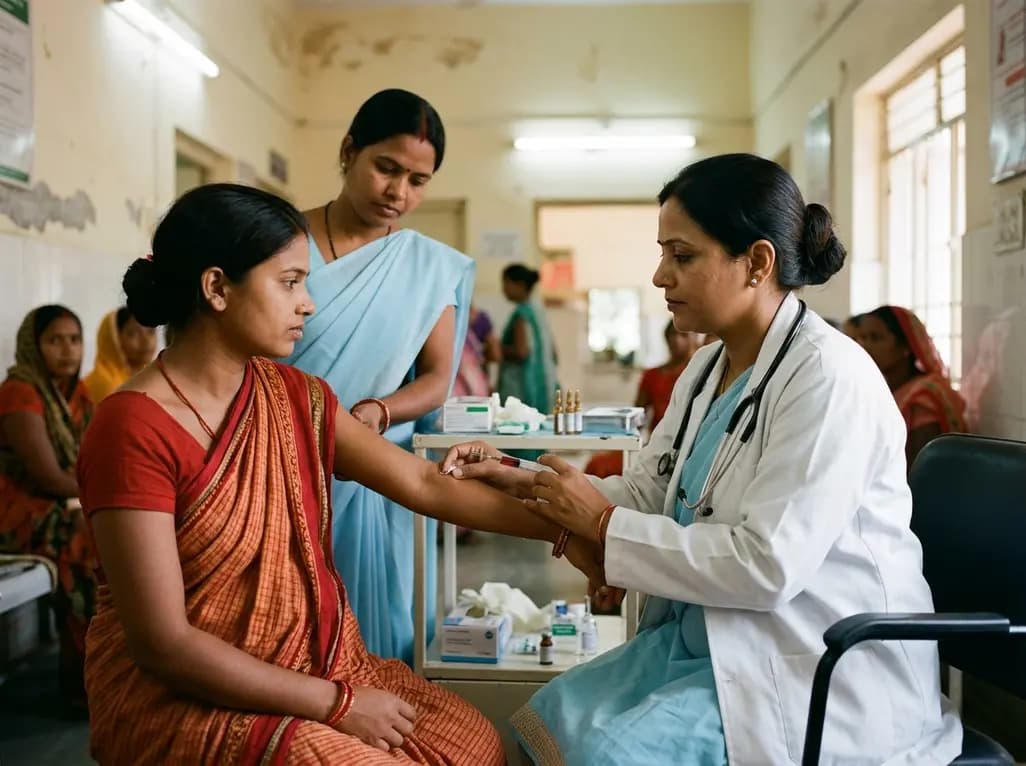
Maternal anaemia contributes to nearly half of pregnancy-related fatalities across India. To prevent complications, Uttar Pradesh has added single-dose parenteral iron to its essential medicines list. This clinical transition aims to restore haemoglobin rapidly and protect high-risk mothers across rural facilities.
Last week
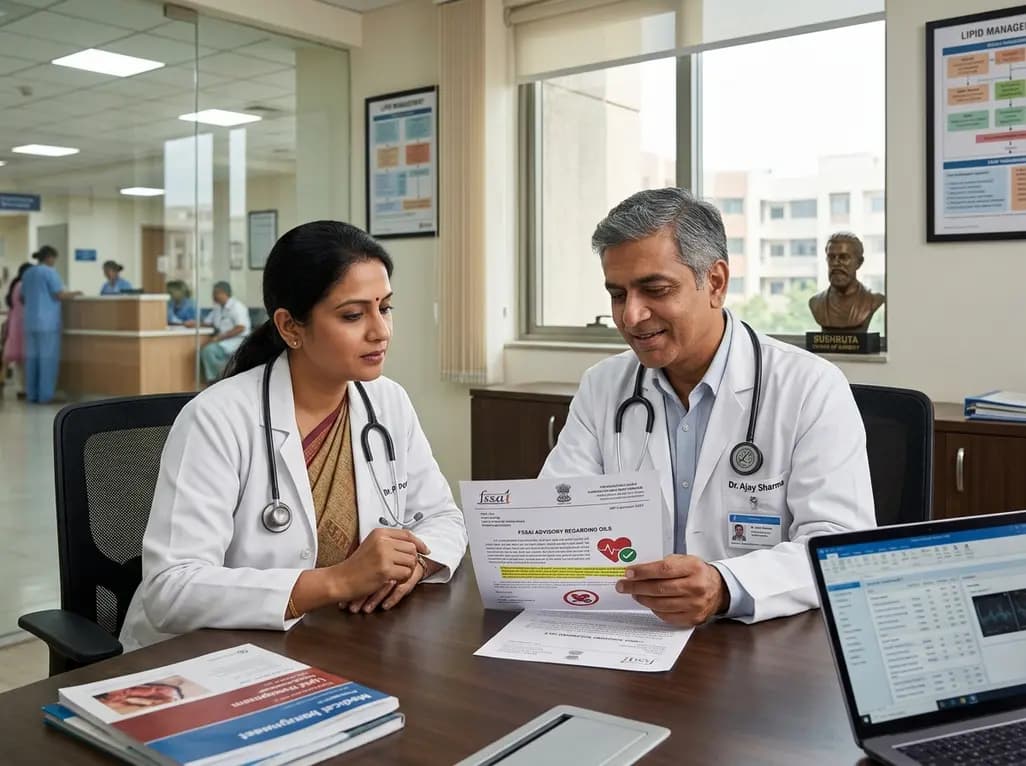
India's food safety authority FSSAI has issued show-cause notices to Gemini Edibles, BigBasket, and Flipkart for unpermitted cardiovascular claims regarding Freedom Rice Bran Oil. This regulatory move highlights the strict enforcement of advertising standards and the clinical necessity of evidence-based lipid care.
6 days back

The state government is deploying helicopter emergency medical services across the Mumbai-Pune Expressway, Samruddhi Mahamarg, and Mumbai-Goa Highway. This initiative establishes unified standard operating procedures to enable rapid triage, advanced prehospital resuscitation, and seamless trauma care transfers.
Last week
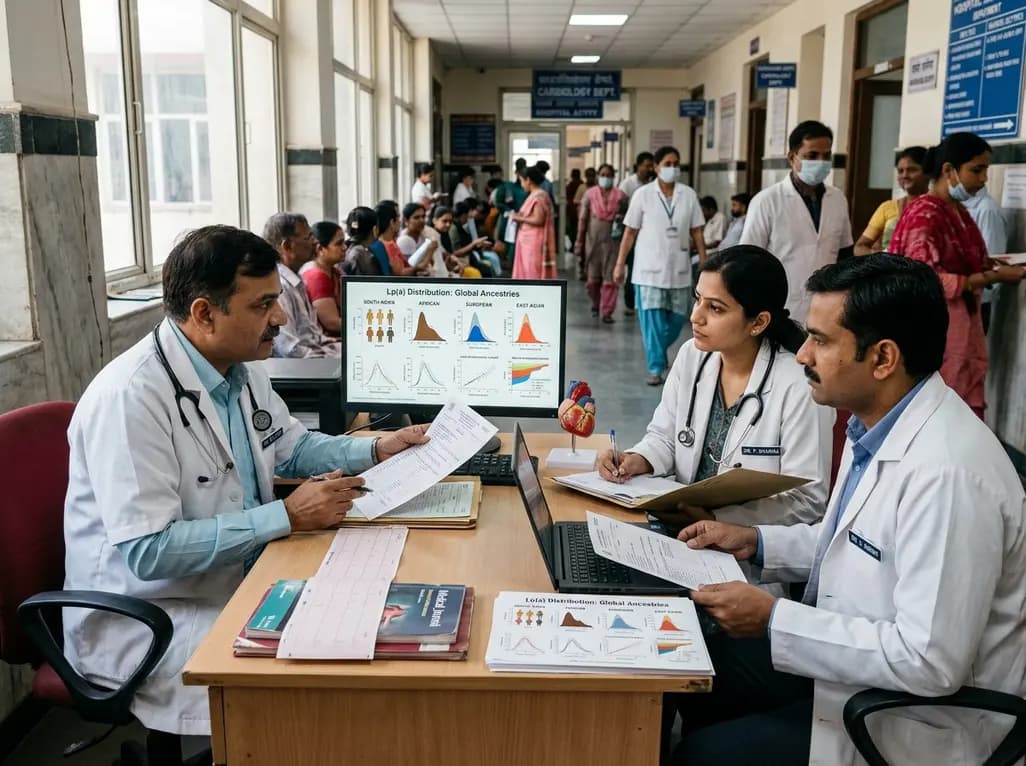
Atherosclerotic cardiovascular disease guidelines often rely on European-derived lipoprotein(a) cutoffs. However, baseline Lp(a) levels vary widely across ancestries, including South Asians and Africans. Clinicians must interpret Lp(a) values within overall absolute cardiovascular risk.
Last week
