.webp&w=384&q=75)

Loading, please wait...
Loading, please wait...

The Parliamentary Standing Committee on Health and Family Welfare recently proposed a crucial shift in medical education. Specifically, members suggested conducting NEET-UG multiple times a year to relieve the intense pressure on young medical aspirants. Consequently, this change would prevent students from losing an entire academic year due to external mishaps.
Additionally, the panel met to discuss the structural efficiency of health regulatory bodies. During the session, officials briefed the committee about recent paper leaks and the subsequent security measures. However, the recurring nature of these compromises remains a massive worry for lawmakers and educators alike.
First, holding the examination once a year puts immense psychological pressure on students. If a student performs poorly on that single day, they must wait a full year to try again. Therefore, offering the exam two or three times annually provides multiple fair chances. Moreover, this approach ensures that candidates do not suffer from systemic failures like paper leaks.
Second, multiple exam sessions can accommodate students who face sudden personal or health crises on the test day. Consequently, this model mimics globally successful testing structures. However, executing this transition requires careful planning and robust digital infrastructure.
Furthermore, government officials revealed that they are actively considering Computer-Based Testing (CBT) for future exam cycles. Transitioning to digital exams would eliminate physical vulnerabilities like paper transportation leaks. Nevertheless, MPs heavily emphasized the need for a smooth and inclusive transition.
Specifically, students from rural areas might face severe digital access issues. Therefore, the government must ensure adequate infrastructure and regional language question papers. Ultimately, the National Testing Agency (NTA) must balance security improvements with equitable student access.
Q1: Why did the parliamentary panel suggest holding NEET-UG multiple times a year?
The panel suggested this reform to reduce intense mental pressure on medical aspirants and prevent them from losing an entire academic year due to paper leaks or other issues beyond their control.
Q2: Is the government planning to shift NEET-UG to a digital mode?
Yes, officials are considering transitioning to Computer-Based Testing (CBT) to eliminate physical paper leaks. However, they must address digital infrastructure limitations in rural areas first.
Disclaimer: This content is for informational and educational purposes only. It does not constitute medical advice or replace professional judgment. Refer to the latest local and national guidelines for clinical practice.
References

Read summarized clinical updates, watch expert medical content, and earn CME certifications right from your smartphone.
Open your smartphone camera to scan and install.





The Parliamentary Standing Committee on Health and Family Welfare recommends holding NEET-UG multiple times a year. This proposal aims to relieve immense stress on medical aspirants and prevent the loss of a full academic year due to unfortunate events like paper leaks, ensuring a fairer assessment process.
4 months ago
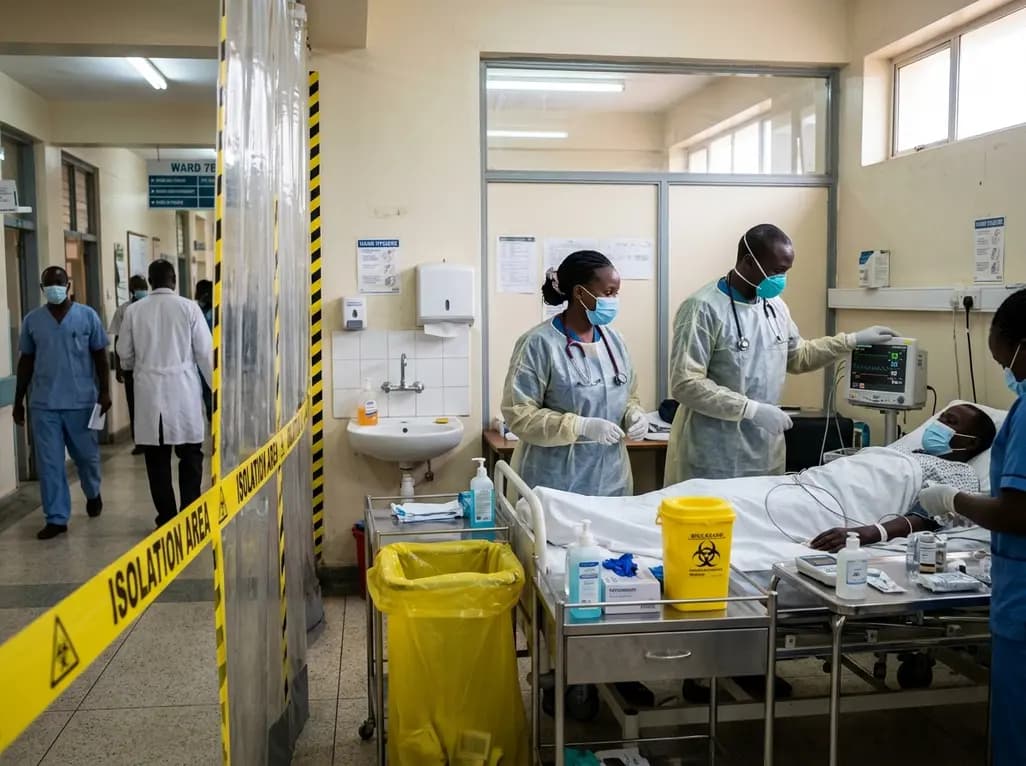
Kenya's confirmation of its eighth Ebola infection highlights the acute risk of secondary transmission in hospital environments. Clinicians must maintain high vigilance, enforce strict infection prevention protocols, and implement rapid triage mechanisms for viral hemorrhagic fevers across healthcare settings.
4 days back
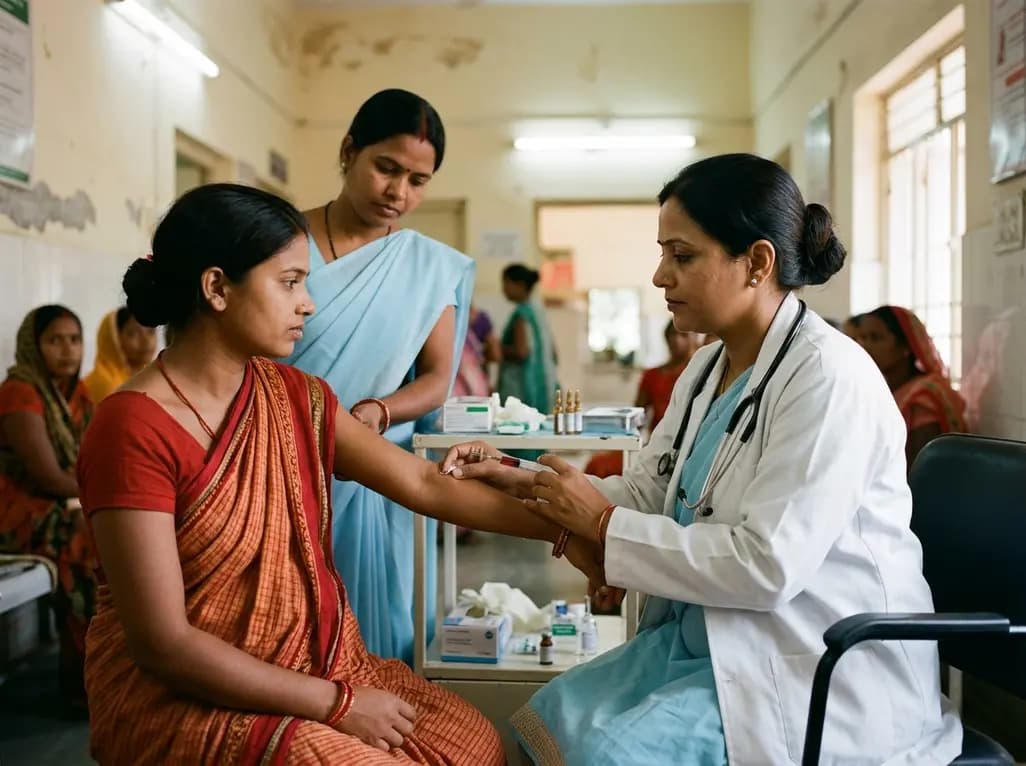
Maternal anaemia contributes to nearly half of pregnancy-related fatalities across India. To prevent complications, Uttar Pradesh has added single-dose parenteral iron to its essential medicines list. This clinical transition aims to restore haemoglobin rapidly and protect high-risk mothers across rural facilities.
Last week
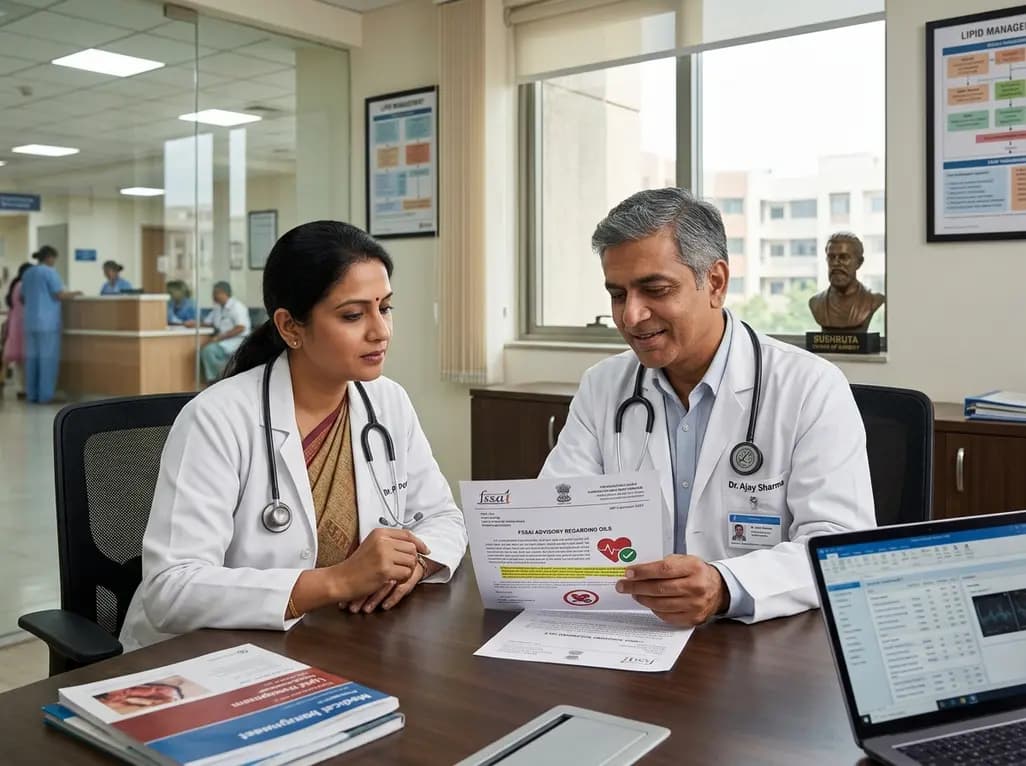
India's food safety authority FSSAI has issued show-cause notices to Gemini Edibles, BigBasket, and Flipkart for unpermitted cardiovascular claims regarding Freedom Rice Bran Oil. This regulatory move highlights the strict enforcement of advertising standards and the clinical necessity of evidence-based lipid care.
6 days back
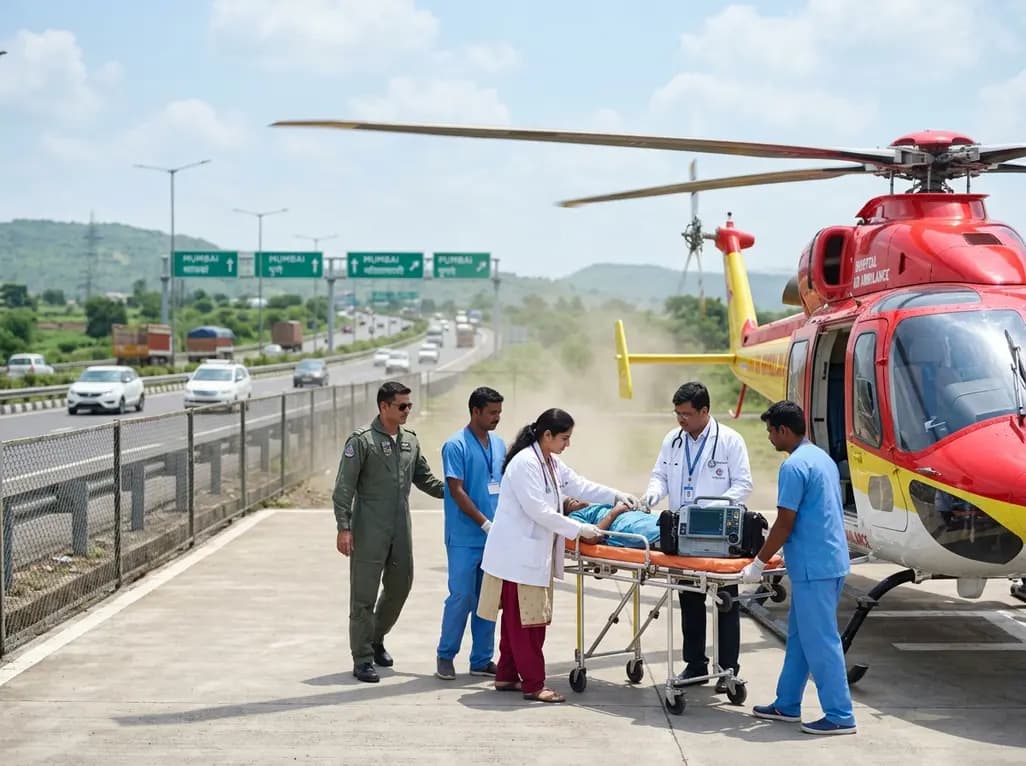
The state government is deploying helicopter emergency medical services across the Mumbai-Pune Expressway, Samruddhi Mahamarg, and Mumbai-Goa Highway. This initiative establishes unified standard operating procedures to enable rapid triage, advanced prehospital resuscitation, and seamless trauma care transfers.
Last week
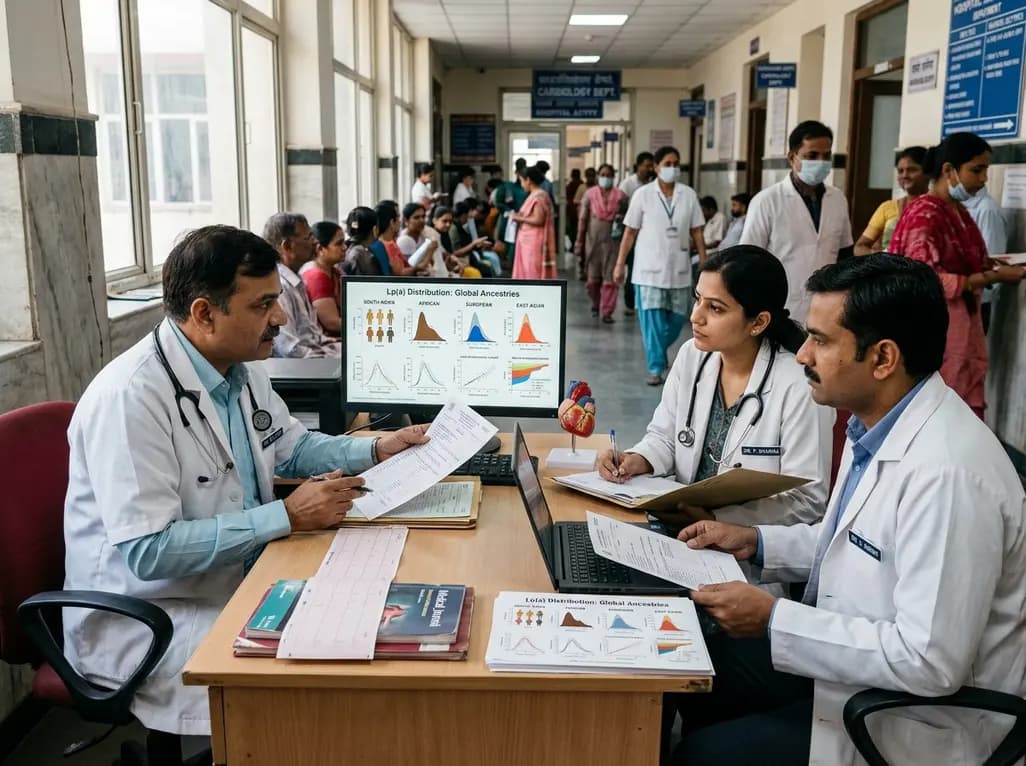
Atherosclerotic cardiovascular disease guidelines often rely on European-derived lipoprotein(a) cutoffs. However, baseline Lp(a) levels vary widely across ancestries, including South Asians and Africans. Clinicians must interpret Lp(a) values within overall absolute cardiovascular risk.
Last week
