

Loading, please wait...
Loading, please wait...

The National Testing Agency successfully held the NEET-UG 2026 re-exam on June 21 across India and abroad. Consequently, over 20 lakh medical aspirants took the test under heightened administrative surveillance.
To ensure smooth operations, the NTA arranged 5,440 centres across India and 14 centres abroad. Furthermore, the authorities conducted the exam in 13 languages to accommodate diverse candidates. Similarly, the agency provided special arrangements for candidates with medical conditions. For instance, a child recovering from a road accident and another undergoing chemotherapy received dedicated support. In addition, more than 10,000 Persons with Disabilities easily accessed the exam halls. Therefore, the coordinated effort facilitated an inclusive testing environment.
To boost transparency, the state police and NTA implemented biometric verification at all venues. Moreover, the administration deployed CCTV cameras and signal jammers to prevent malpractice. Meanwhile, officials established dedicated command centres at the Ministry of Education and NTA headquarters. Specifically, multiple ministries and banking partners supported this massive operation. For example, the Indian Air Force and the Ministry of Health coordinated logistics. Additionally, state governments provided basic amenities like water, shade, and standby ambulances. Consequently, the team mobilised nearly seven lakh officials to conclude the process within 37 days.
Q1: How many candidates appeared for the NEET-UG 2026 re-exam?
More than 20 lakh candidates appeared for the re-examination on June 21, 2026, across various domestic and overseas centres.
Q2: What security measures were in place during the re-examination?
To prevent malpractices, the NTA implemented Aadhaar-based biometric verification, facial authentication, extensive CCTV monitoring, signal jammers, and two-layer frisking with help from the State Police.
Q3: How many official personnel were mobilised for the examination?
Nearly seven lakh officials, including observers, police personnel, and examination staff, were mobilised to successfully conduct the exam.
Disclaimer: This content is for informational and educational purposes only. It does not constitute medical advice or replace professional judgment. Refer to the latest local and national guidelines for clinical practice.
References

Read summarized clinical updates, watch expert medical content, and earn CME certifications right from your smartphone.
Open your smartphone camera to scan and install.





The NTA successfully held the NEET-UG re-test on June 21, 2026. Over 20 lakh candidates appeared across 5,440 domestic and 14 international centres. The administration deployed extensive security measures, including biometric and facial authentication, alongside coordination with multiple ministries.
4 months ago
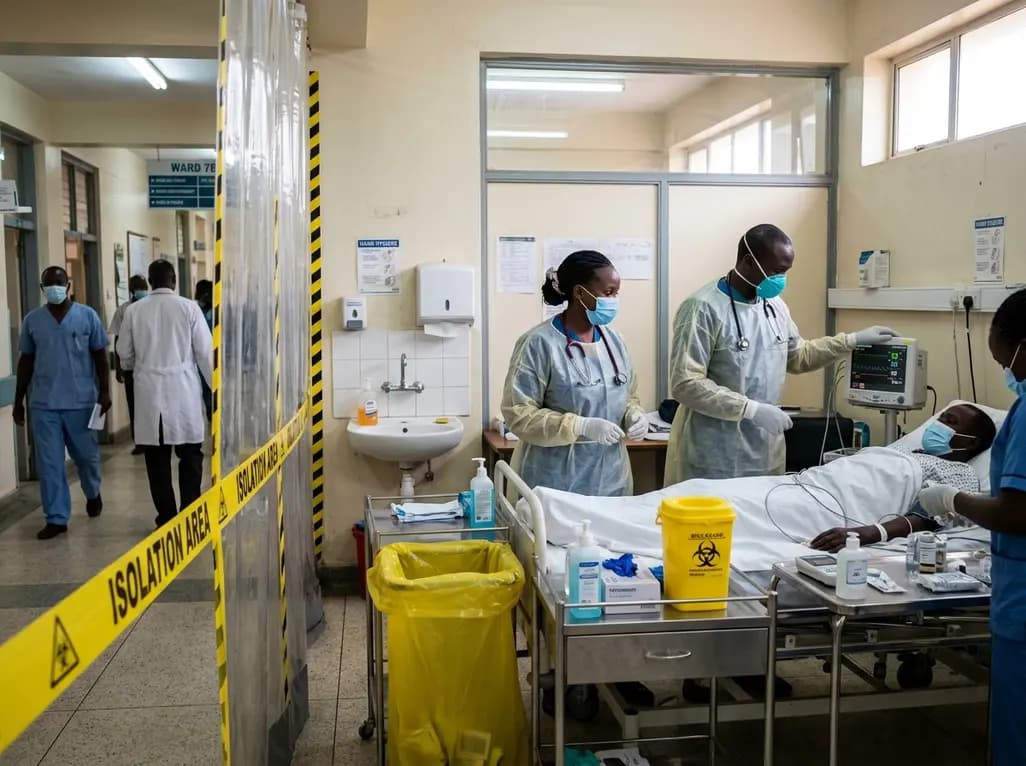
Kenya's confirmation of its eighth Ebola infection highlights the acute risk of secondary transmission in hospital environments. Clinicians must maintain high vigilance, enforce strict infection prevention protocols, and implement rapid triage mechanisms for viral hemorrhagic fevers across healthcare settings.
4 days back
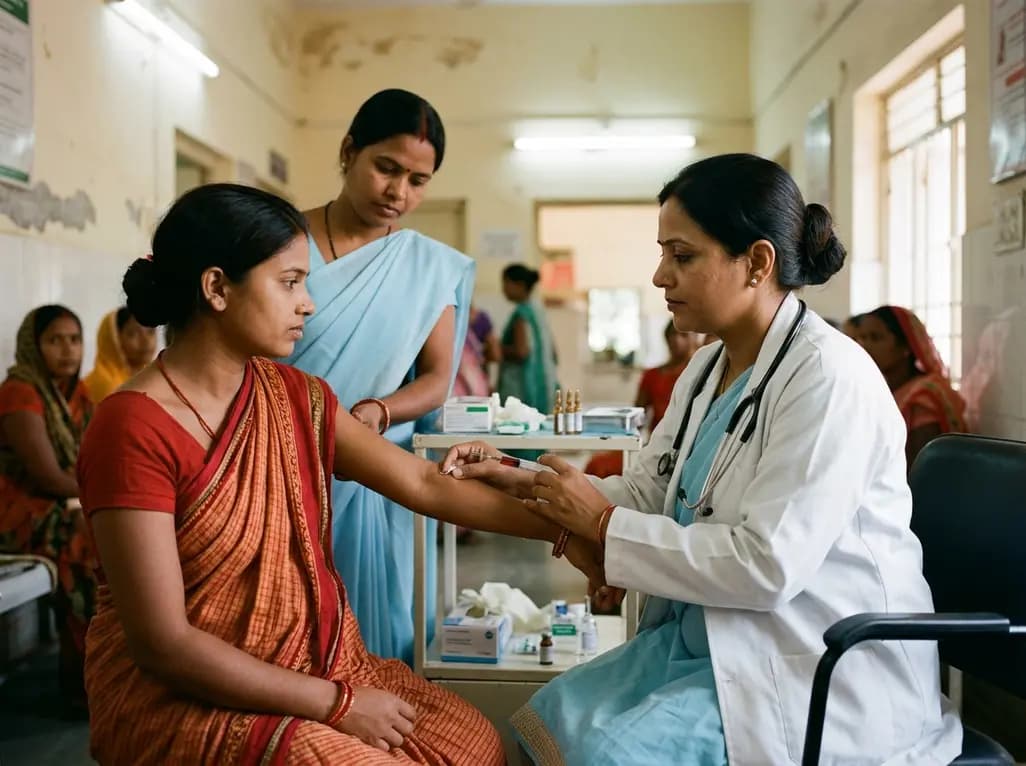
Maternal anaemia contributes to nearly half of pregnancy-related fatalities across India. To prevent complications, Uttar Pradesh has added single-dose parenteral iron to its essential medicines list. This clinical transition aims to restore haemoglobin rapidly and protect high-risk mothers across rural facilities.
Last week
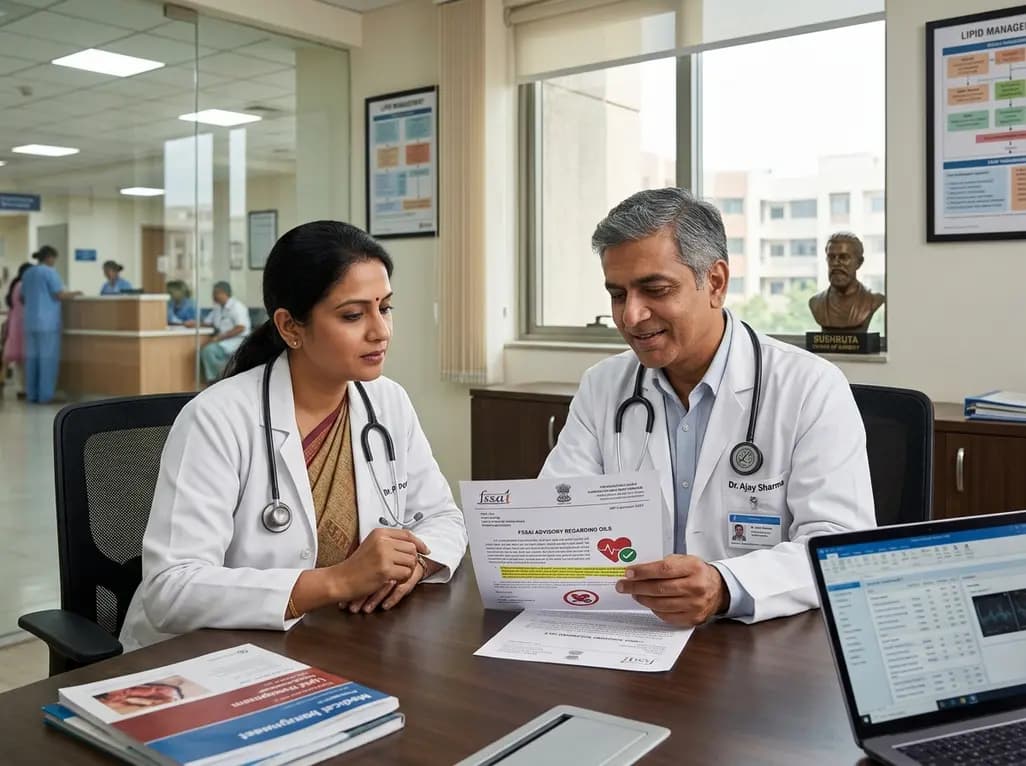
India's food safety authority FSSAI has issued show-cause notices to Gemini Edibles, BigBasket, and Flipkart for unpermitted cardiovascular claims regarding Freedom Rice Bran Oil. This regulatory move highlights the strict enforcement of advertising standards and the clinical necessity of evidence-based lipid care.
6 days back
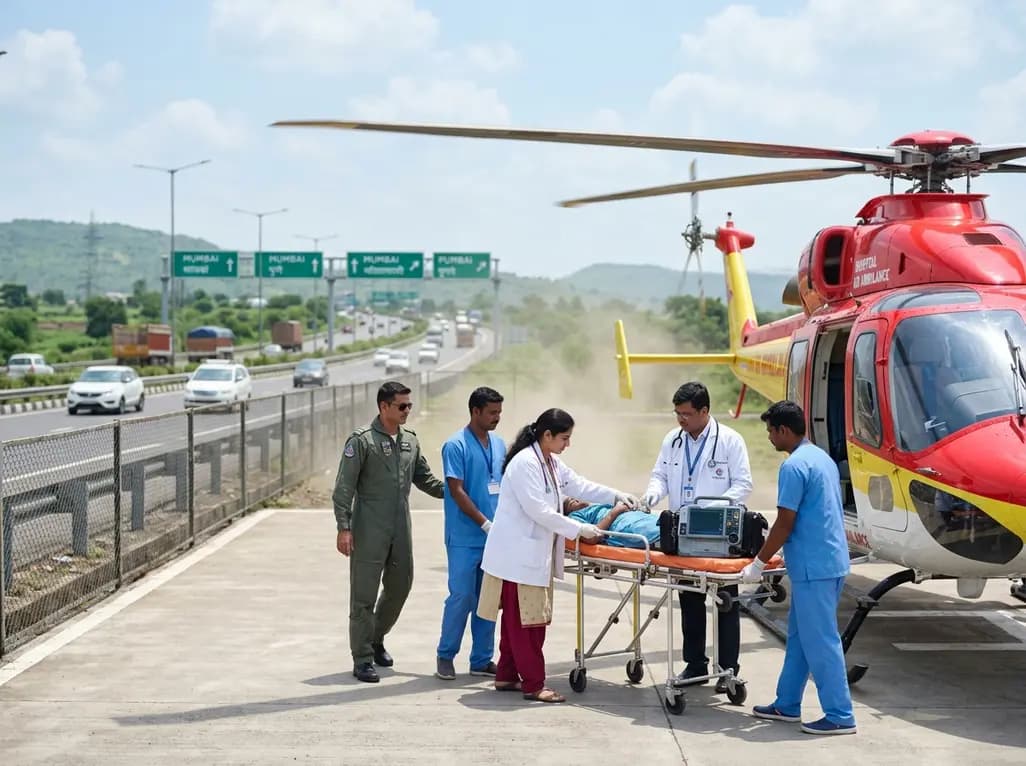
The state government is deploying helicopter emergency medical services across the Mumbai-Pune Expressway, Samruddhi Mahamarg, and Mumbai-Goa Highway. This initiative establishes unified standard operating procedures to enable rapid triage, advanced prehospital resuscitation, and seamless trauma care transfers.
Last week
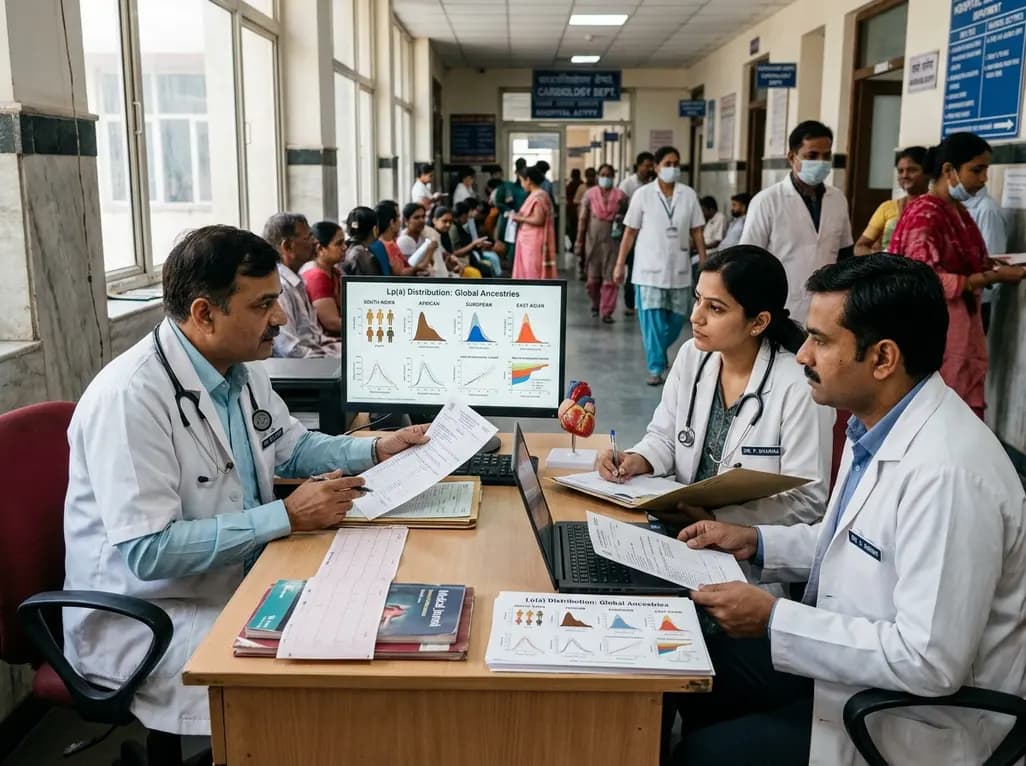
Atherosclerotic cardiovascular disease guidelines often rely on European-derived lipoprotein(a) cutoffs. However, baseline Lp(a) levels vary widely across ancestries, including South Asians and Africans. Clinicians must interpret Lp(a) values within overall absolute cardiovascular risk.
Last week
