.webp&w=384&q=75)

Loading, please wait...
Loading, please wait...
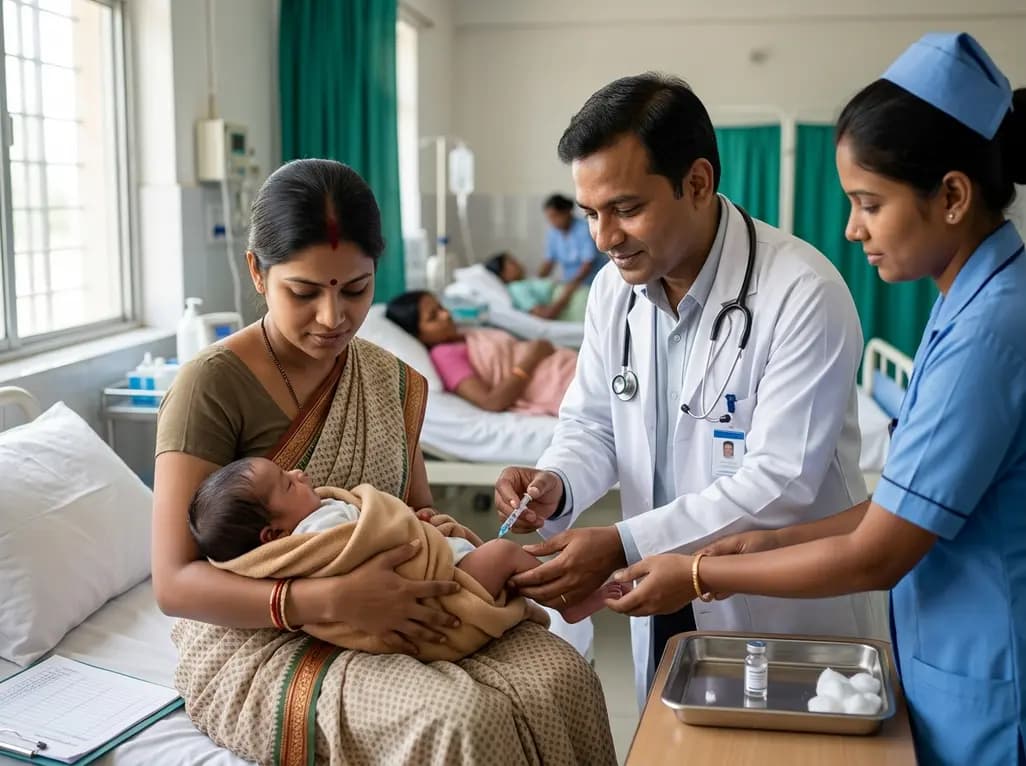
India has achieved remarkable milestones in its fight against viral hepatitis through the National Viral Hepatitis Control Programme (NVHCP). Over eight years, the country screened more than 21 crore individuals and provided free care to over six lakh patients. In addition, routine universal Hepatitis B screening during antenatal checkups remains a cornerstone of the national strategy to prevent perinatal transmission. Health officials recently highlighted that while birth-dose vaccination coverage has crossed 92%, scaling up antenatal screening to 100% is essential for eliminating mother-to-child transmission.
The National Viral Hepatitis Control Programme (NVHCP) was launched on World Hepatitis Day in July 2018 under the National Health Mission. Initially, the programme aimed to establish at least one specialized treatment center in every district across the country. Today, the network has expanded beyond expectations, establishing 1,153 treatment centers nationwide, including over 70 specialized advanced care centers. Consequently, patients in remote regions can access free diagnostic testing, antiviral medications, and specialized management without suffering severe financial hardship.
Furthermore, this rapid infrastructure scaling reflects a health systems approach that links primary healthcare centers with district hospitals. The integration of digital tracking through dedicated health portals ensures seamless monitoring of patient outcomes and treatment adherence. Patients diagnosed with chronic Hepatitis B or Hepatitis C receive standard first-line therapies free of charge. By eliminating out-of-pocket costs for essential diagnostic tests and direct-acting antivirals, India has significantly reduced liver disease morbidity. Furthermore, this centralized framework allows public health authorities to analyze epidemiological trends effectively. As a result, decentralized treatment sites empower local healthcare providers to manage viral hepatitis efficiently within primary communities.
Preventing mother-to-child transmission represents one of the most effective strategies for reducing the global burden of chronic Hepatitis B infection. Under the NVHCP, health authorities have screened over 7.64 crore pregnant women across public healthcare facilities. However, current data indicates that approximately 65% of expectant mothers in India undergo routine screening for Hepatitis B surface antigen. To eliminate perinatal transmission completely, health leaders urge all states to achieve 100% screening coverage during antenatal care visits.
When an expectant mother tests positive for Hepatitis B, timely interventions prevent transmission to her newborn during delivery. In addition, routine universal antenatal screening enables clinicians to identify high-risk pregnancies and prepare immediate post-exposure prophylaxis. Integrating maternal screening services with the Reproductive and Child Health programme has streamlined clinical workflows in maternal wards. Expanding screening to rural populations requires community mobilization, trained staff, and uninterrupted supply chains for rapid diagnostic kits. Furthermore, early detection allows healthcare teams to counsel mothers regarding infant feeding, post-exposure prophylaxis, and maternal liver health monitoring. Universal screening therefore serves as the primary barrier against persistent endemic viral transmission.
Administering the Hepatitis B birth-dose vaccine within 24 hours of delivery is critical for protecting newborns from lifelong chronic infection. When infants contract the virus at birth, nearly 90% develop chronic Hepatitis B, which significantly increases their lifetime risk of liver cirrhosis and hepatocellular carcinoma. India introduced the Hepatitis B vaccine into the Universal Immunization Programme in 2011. Since then, the country has achieved impressive progress, reaching over 92% birth-dose coverage across institutional deliveries nationwide.
However, for infants born to Hepatitis B-positive mothers, active immunization alone may not offer complete protection against infection. These high-risk infants require both the monovalent Hepatitis B vaccine and Hepatitis B Immunoglobulin (HBIG) administered at separate anatomical sites within 12 to 24 hours of birth. Through coordinated efforts between national programmes, over 2.24 lakh newborns born to infected mothers have received HBIG. This combined immunoprophylaxis regimen reduces vertical transmission rates to under 5%. Consequently, ensuring that every healthcare delivery facility maintains adequate stocks of HBIG and birth-dose vaccines remains a vital public health priority across all Indian states.
Ending viral hepatitis as a public health threat by 2030 aligns directly with United Nations Sustainable Development Goal target 3.3. To achieve this ambitious vision, India employs a multi-pronged approach that integrates viral hepatitis interventions with existing national health programs. For example, joint efforts between the National AIDS Control Programme and maternal health initiatives have strengthened laboratory networks, blood safety protocols, and infection control measures. Furthermore, public health campaigns focus on raising community awareness regarding safe injection practices, blood transfusions, and early screening.
In addition to preventive measures, expanding treatment regimens for Hepatitis C has yielded remarkable success across the country. Direct-acting antiviral drugs, provided free under the NVHCP, achieve cure rates exceeding 95% within 12 to 24 weeks of therapy. Similarly, long-term antiviral suppression for chronic Hepatitis B prevents disease progression, reducing liver failure and liver cancer rates. By standardizing clinical protocols and cascading training programs to primary care doctors, the government has demystified hepatitis management, bringing care closer to marginalized communities.
Healthcare providers operating in primary and secondary care settings play a pivotal role in eliminating viral hepatitis. Clinicians must routinely order Hepatitis B surface antigen screening for every pregnant woman during her first antenatal visit. If a pregnant mother tests positive, the healthcare team must immediately record her status and notify the labor delivery team. This step guarantees that HBIG and the birth-dose vaccine are ready in the delivery room prior to labor.
Additionally, physicians should encourage opportunistic screening for adult patients, particularly those in high-risk categories such as healthcare workers, hemodialysis patients, and blood recipients. Primary care doctors must ensure that all newborns receive their birth-dose Hepatitis B vaccine within 24 hours, followed by primary pentavalent vaccine doses at 6, 10, and 14 weeks. Furthermore, counseling patients about lifestyle modifications, alcohol avoidance, and regular monitoring for chronic viral hepatitis fosters long-term clinical well-being. By integrating national guidelines into daily clinical practice, healthcare professionals directly contribute to preventing liver complications and saving lives across the country.
Q1: Why is administering the Hepatitis B vaccine birth dose within 24 hours crucial for newborns?
Administering the birth dose within 24 hours provides immediate protection against mother-to-child transmission during delivery. Newborns infected at birth face a 90% risk of developing chronic Hepatitis B, which leads to liver cirrhosis and hepatocellular carcinoma later in life. Prompt vaccination triggers rapid antibody production, creating an effective biological barrier against chronic infection before the virus can establish itself within neonatal liver cells.
Q2: What clinical protocol should clinicians follow when a pregnant mother tests positive for Hepatitis B?
When an expectant mother tests positive for Hepatitis B surface antigen, clinicians must immediately notify the delivery team to prepare post-exposure immunoprophylaxis. Within 12 to 24 hours of delivery, the infant must receive both the Hepatitis B birth-dose vaccine and Hepatitis B Immunoglobulin at separate anatomical sites. Clinicians should also assess maternal liver function and HBV DNA levels to evaluate indications for maternal antiviral therapy.
Q3: How does the National Viral Hepatitis Control Programme support free diagnosis and treatment in India?
The National Viral Hepatitis Control Programme establishes dedicated treatment centers across all districts to provide free diagnostic screening, viral load testing, and antiviral medications. For Hepatitis C, the programme provides curative direct-acting antiviral therapies over 12 to 24 weeks. For Hepatitis B, it supplies lifelong suppressive antiviral treatments and immunoprophylaxis for exposed newborns, completely eliminating out-of-pocket medical costs for affected families nationwide.
Disclaimer: This content is for informational and educational purposes only. It does not constitute medical advice or replace professional judgment. Refer to the latest local and national guidelines for clinical practice.
References

Read summarized clinical updates, watch expert medical content, and earn CME certifications right from your smartphone.
Open your smartphone camera to scan and install.





India has screened over 21 crore people and treated 6 lakh patients under the National Viral Hepatitis Control Programme. Health authorities emphasize reaching 100% maternal Hepatitis B screening to ensure timely birth-dose vaccination and immunoprophylaxis for newborns nationwide.
2 months ago
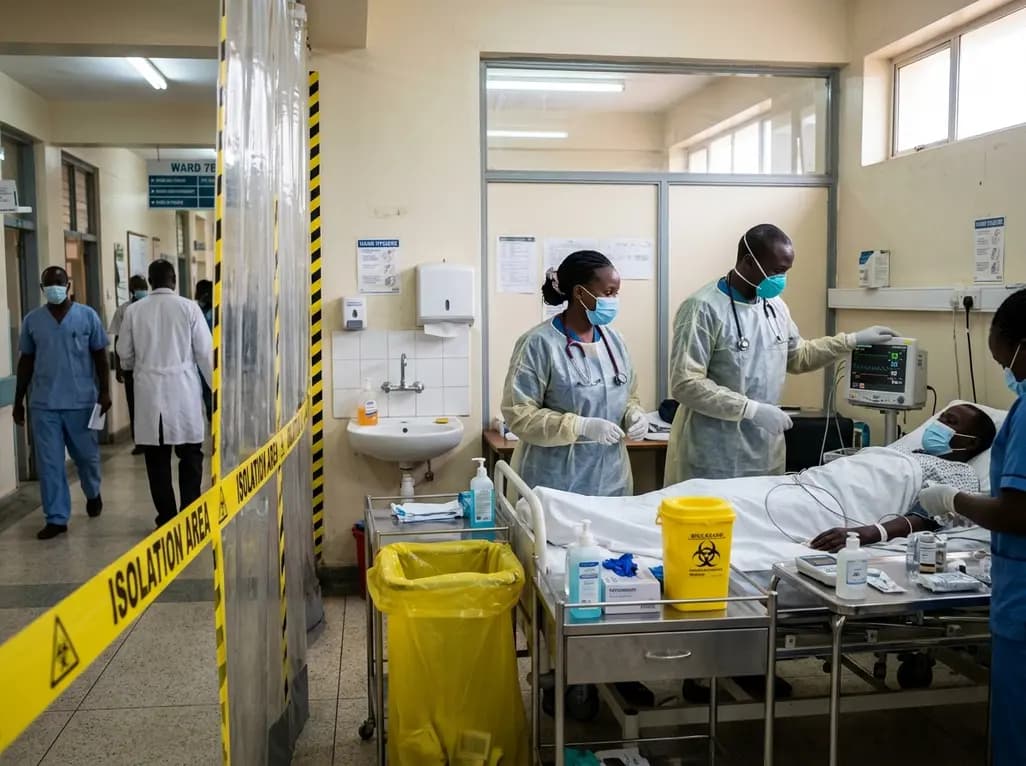
Kenya's confirmation of its eighth Ebola infection highlights the acute risk of secondary transmission in hospital environments. Clinicians must maintain high vigilance, enforce strict infection prevention protocols, and implement rapid triage mechanisms for viral hemorrhagic fevers across healthcare settings.
3 days back
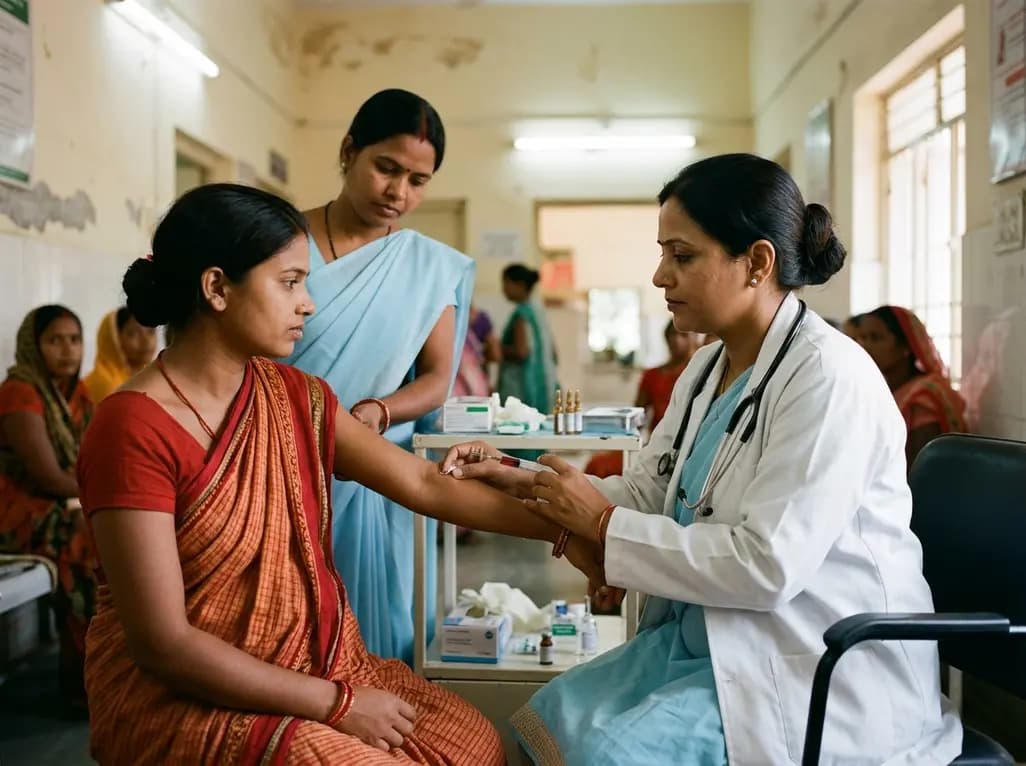
Maternal anaemia contributes to nearly half of pregnancy-related fatalities across India. To prevent complications, Uttar Pradesh has added single-dose parenteral iron to its essential medicines list. This clinical transition aims to restore haemoglobin rapidly and protect high-risk mothers across rural facilities.
Last week
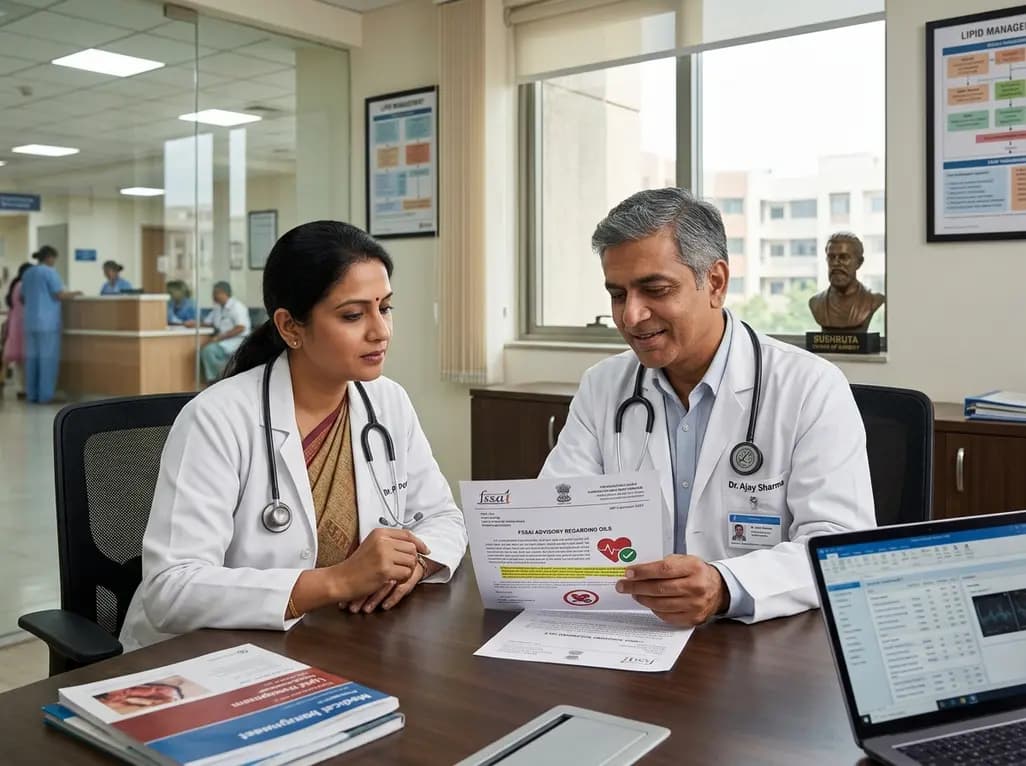
India's food safety authority FSSAI has issued show-cause notices to Gemini Edibles, BigBasket, and Flipkart for unpermitted cardiovascular claims regarding Freedom Rice Bran Oil. This regulatory move highlights the strict enforcement of advertising standards and the clinical necessity of evidence-based lipid care.
5 days back
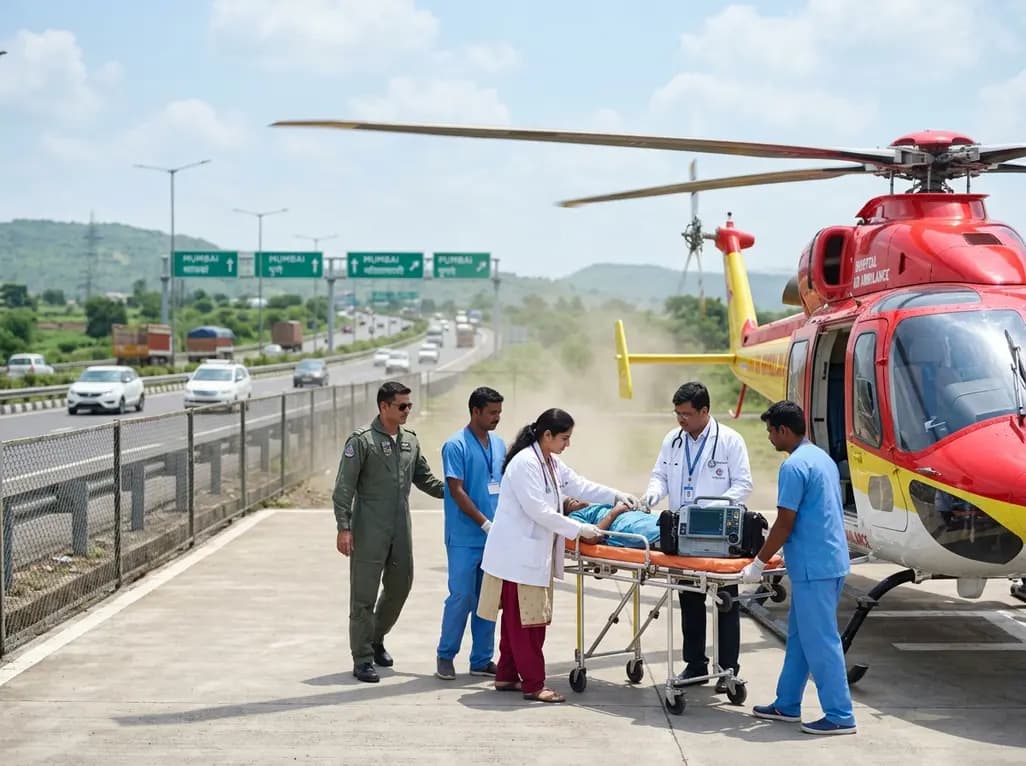
The state government is deploying helicopter emergency medical services across the Mumbai-Pune Expressway, Samruddhi Mahamarg, and Mumbai-Goa Highway. This initiative establishes unified standard operating procedures to enable rapid triage, advanced prehospital resuscitation, and seamless trauma care transfers.
Last week
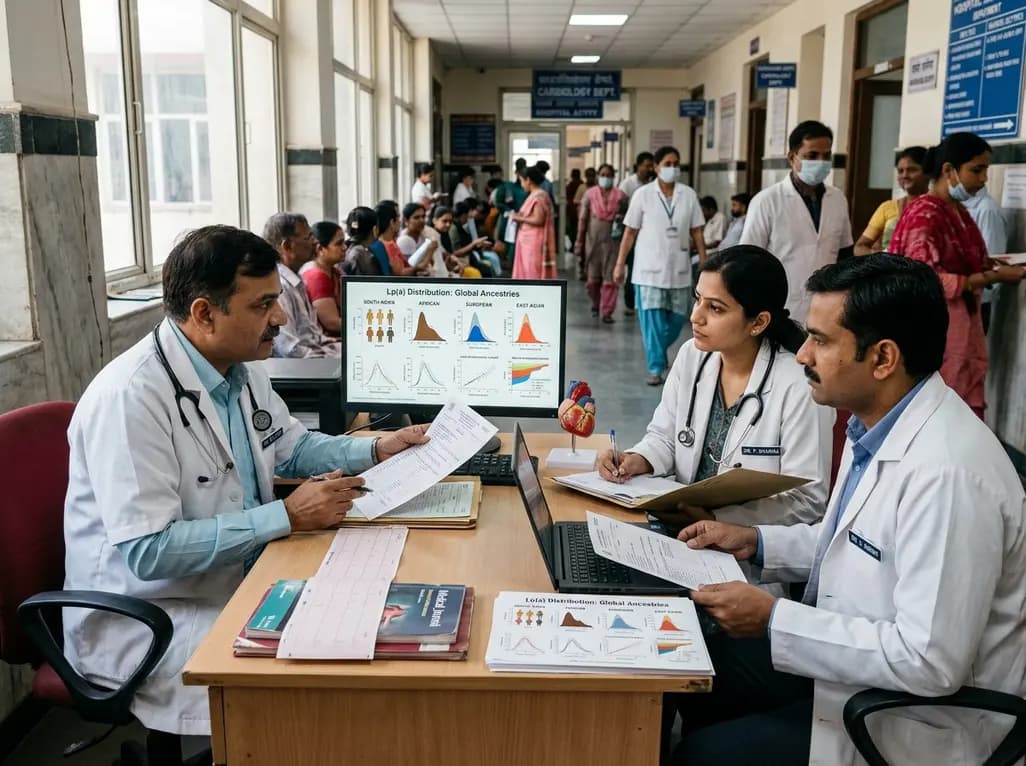
Atherosclerotic cardiovascular disease guidelines often rely on European-derived lipoprotein(a) cutoffs. However, baseline Lp(a) levels vary widely across ancestries, including South Asians and Africans. Clinicians must interpret Lp(a) values within overall absolute cardiovascular risk.
Last week
