.webp&w=384&q=75)

Loading, please wait...
Loading, please wait...
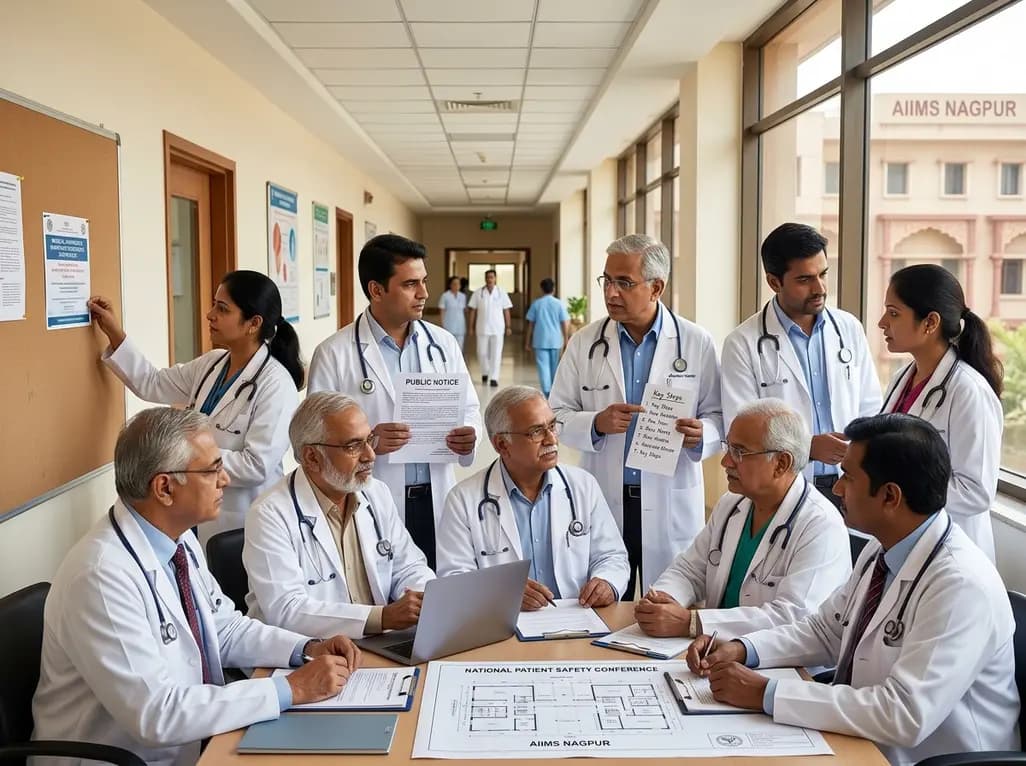
The National Medical Commission has recently issued a pivotal public notice encouraging all medical colleges across India to participate in the national patient safety conference. Organised by the National Patient Safety Secretariat under the Directorate General of Health Services in collaboration with AIIMS Nagpur, this event marks a significant step toward elevating clinical care standards. Scheduled for September 11 and 12, 2026, the two-day summit coincides with World Patient Safety Day observances across the globe. Consequently, medical institutions must take proactive steps to send faculty members, clinical educators, and healthcare managers to this vital national event. Furthermore, the directive highlights the urgent need to align daily institutional clinical workflows with modern quality and safety benchmarks. Currently, healthcare facilities face increasing challenges regarding patient harm, medication errors, and hospital-acquired infections. Therefore, national initiatives like this conference provide an essential platform for exchanging evidence-based practices and clinical risk management strategies. In addition, the notice targets both established and newly established government and private medical institutions nationwide. Through active participation, faculty members can acquire critical insights into updating Standard Operating Procedures and hospital safety protocols. Ultimately, this national patient safety conference serves as a catalyst for establishing a robust, transparent, and resilient healthcare infrastructure throughout India.
The National Patient Safety Secretariat plays a central role in shaping national health policies aimed at reducing avoidable healthcare-associated harm. Operating under the Directorate General of Health Services within the Ministry of Health and Family Welfare, the secretariat drafts strategic roadmaps like the National Patient Safety Implementation Framework. Furthermore, the secretariat actively collaborates with premier academic institutions like AIIMS Nagpur to bridge the gap between policy guidelines and bedside implementation. During the upcoming summit, experts will present updated guidelines on clinical governance, patient identification, and infection control. Consequently, attending faculty members will gain a thorough understanding of federal quality standards and regulatory expectations. In addition, the secretariat emphasizes the systematic reporting of adverse events without fear of punishment or administrative retribution. Therefore, creating a non-punitive culture of reporting remains a core objective for healthcare systems across all Indian states. Additionally, medical educators who participate in these deliberations can effectively translate policy directives into practical teaching modules for undergraduate and postgraduate medical trainees. As a result, academic institutions can ensure that safety concepts are embedded into daily clinical training. By strengthening the partnership between policymakers and clinical faculty, the secretariat aims to build sustainable safety networks across public and private hospitals. For further technical resources, clinicians can review the National Health Systems Resource Centre Patient Safety Guidelines.
Medical colleges serve as the foundation for healthcare delivery and medical training throughout the country. Consequently, the National Medical Commission emphasizes that academic faculty must take the lead in refining Standard Operating Procedures and clinical protocols. During the upcoming national patient safety conference, experts will share evidence-based tools designed to standardize high-risk clinical procedures across departments. Furthermore, structured SOPs significantly reduce clinical errors during surgical procedures, blood transfusions, and critical care management. Additionally, newly established medical colleges often face operational hurdles in standardizing emergency protocols and bedside care. Therefore, participation in national knowledge-sharing sessions allows emerging institutions to learn directly from experienced tertiary centers and accreditation experts. In addition, updating clinical protocols ensures that medical colleges align their operational workflows with National Quality Assurance Standards and NABH benchmarks. Medical educators must also integrate these revised protocols into daily clinical teaching rounds and nursing supervision routines. As a result, students and resident doctors internalize patient safety principles from the beginning of their professional careers. Ultimately, robust standard operating procedures protect patients from preventable harm while safeguarding healthcare institutions from liability and procedural failures.
Achieving comprehensive patient safety requires targeted action across several critical domains of clinical practice. Specifically, medication safety represents a primary concern, as drug administration errors continue to cause significant inpatient morbidity. Furthermore, conference sessions will focus on reducing diagnostic errors through improved laboratory protocols, diagnostic imaging checks, and clinical communication systems. Additionally, healthcare-associated infections pose severe risks to vulnerable patients in intensive care units and surgical wards. Therefore, strict adherence to hand hygiene, sterilization techniques, and environmental sanitation remains non-negotiable for modern hospital administration. Moreover, effective handoff communication during shift changes and patient transfers dramatically reduces diagnostic delays and treatment oversights. In addition, surgical safety checklists must become routine practice across all operating theaters in private and government medical colleges. To support these objectives, the conference will highlight digital reporting systems, clinical audit tools, and root cause analysis methodologies. Consequently, medical teams can identify system weaknesses before adverse events occur rather than reacting after harm happens. By focusing on these high-priority areas, medical colleges can establish reliable systems that safeguard patient well-being while improving overall clinical outcomes. You can learn more about global priorities at the WHO World Patient Safety Day Initiative.
Medical educators and institutional leaders bear the responsibility of shaping the future healthcare workforce. Consequently, attending specialized conferences on clinical safety offers immense strategic value to department heads, medical superintendents, and senior faculty. Furthermore, participants will gain access to standardized training modules that can be seamlessly incorporated into medical college curricula. Additionally, faculty members can network with leading experts in quality assurance, patient advocacy, and health management. Therefore, these interactions foster collaborative research projects focusing on patient safety outcomes and clinical quality metrics. In addition, institutional leaders can use the knowledge gained to establish dedicated patient safety committees within their respective colleges. These committees play a vital role in investigating clinical incidents, monitoring compliance, and conducting regular safety audits across departments. Moreover, demonstrating active engagement in national safety initiatives enhances institutional prestige and supports national accreditation evaluations. As a result, medical colleges can position themselves as exemplary centers for clinical excellence and patient-centered care. Ultimately, empowering faculty members through continuous education ensures that safety remains an enduring institutional priority.
To maximize the benefits of the national patient safety conference, medical college administrators should take immediate administrative action. First, college deans and principals must widely disseminate the NMC public notice among all clinical departments. Furthermore, institutions should establish a fair nomination process to select representational faculty members from surgery, medicine, pediatrics, anesthesiology, and nursing departments. Additionally, nominated delegates should prepare institutional reports highlighting current safety challenges and successful quality improvement projects within their facilities. Therefore, faculty members can actively contribute to interactive panel discussions and workshop sessions during the summit. Following the event, participating faculty members should conduct internal cascade training workshops for resident doctors, staff nurses, and administrative personnel. In addition, institutions must review and update existing clinical SOPs based on the actionable takeaways provided at the conference. Implementation guidelines and clinical audit schedules should also be updated to reflect national recommendations. Consequently, medical colleges can create a continuous cycle of quality monitoring, feedback, and institutional growth. By implementing these structured steps, medical colleges will actively support the vision of providing safe, high-quality healthcare to every patient across India.
Disclaimer: This content is for informational and educational purposes only. It does not constitute medical advice, clinical diagnosis, or legal instruction. Healthcare professionals should refer to official National Medical Commission notices and official government health portals for formal guidelines. Refer to the latest local and national guidelines for clinical practice.
References

Read summarized clinical updates, watch expert medical content, and earn CME certifications right from your smartphone.
Open your smartphone camera to scan and install.





The National Medical Commission has me issued a public notice encouraging all medical colleges to nominate faculty for the National Patient Safety Conference on September 11-12, 2026, at AIIMS Nagpur. Organized by NPSS and DGHS, the event aims to strengthen clinical SOPs and elevate healthcare quality.
last month
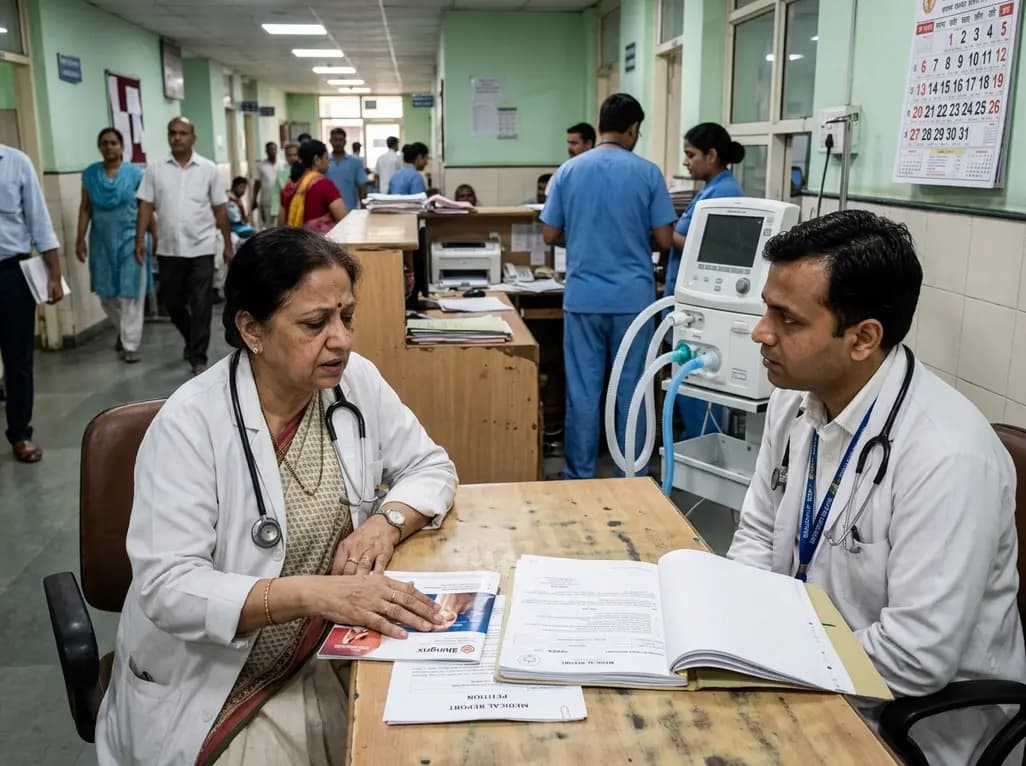
A special Delhi court has directed former DGHS Dr. Vatsala Aggarwal to surrender after refusing her relief plea. Despite clinical submissions citing immunocompromised status, scheduled Shingrix immunization, and adaptive servo-ventilation needs, the court held that jail authorities can manage these medical requirements.
Last week
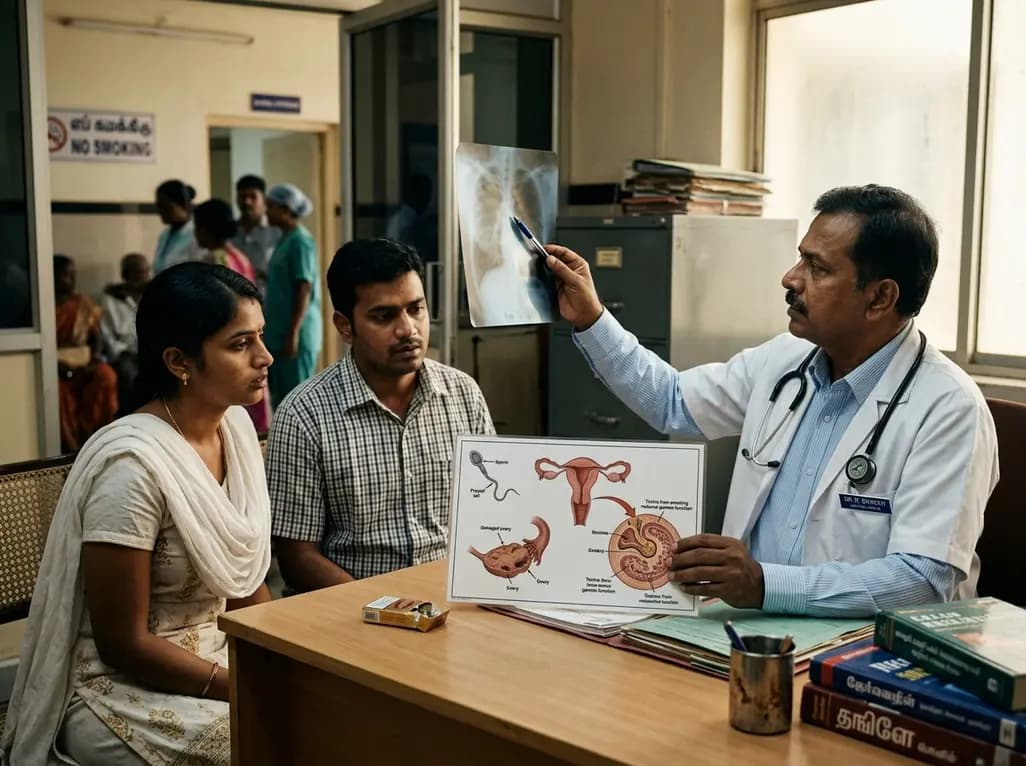
A global knowledge summary from the World Health Organization warns that tobacco smoking significantly increases infertility risks in women and causes substantial sperm and erectile dysfunction in men. Fortunately, quitting smoking substantially lowers these risks, providing clear reproductive benefits.
Last week
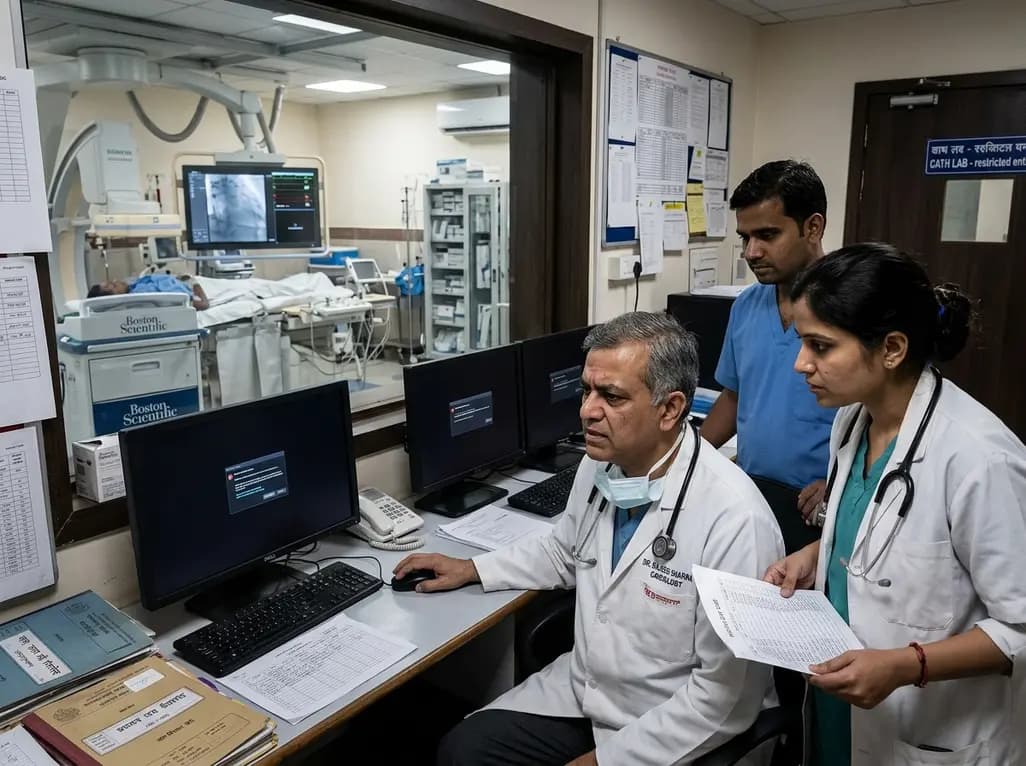
A major cybersecurity breach disrupted global operations at Boston Scientific, delaying device distribution and remote cardiac monitoring activations. This analysis examines the immediate consequences for clinical catheterization suites, electrophysiology teams, hospital inventory systems, and patient care safety.
2 weeks back
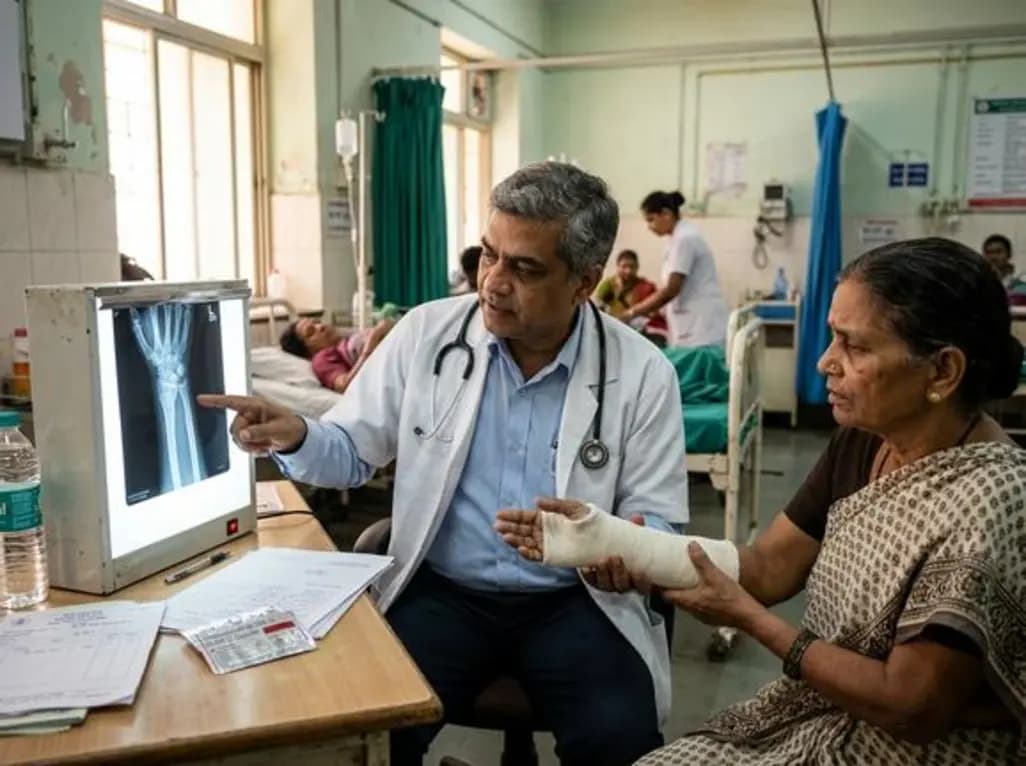
Nearly 80% of Indians suffer from inadequate Vitamin D, causing silent bone weakening and sudden fractures. This expert guide reviews why mega-dose therapy is critical for high-risk patients, the key factors driving widespread deficiency, and the mandatory medical evaluations needed to protect skeletal health.
3 months ago
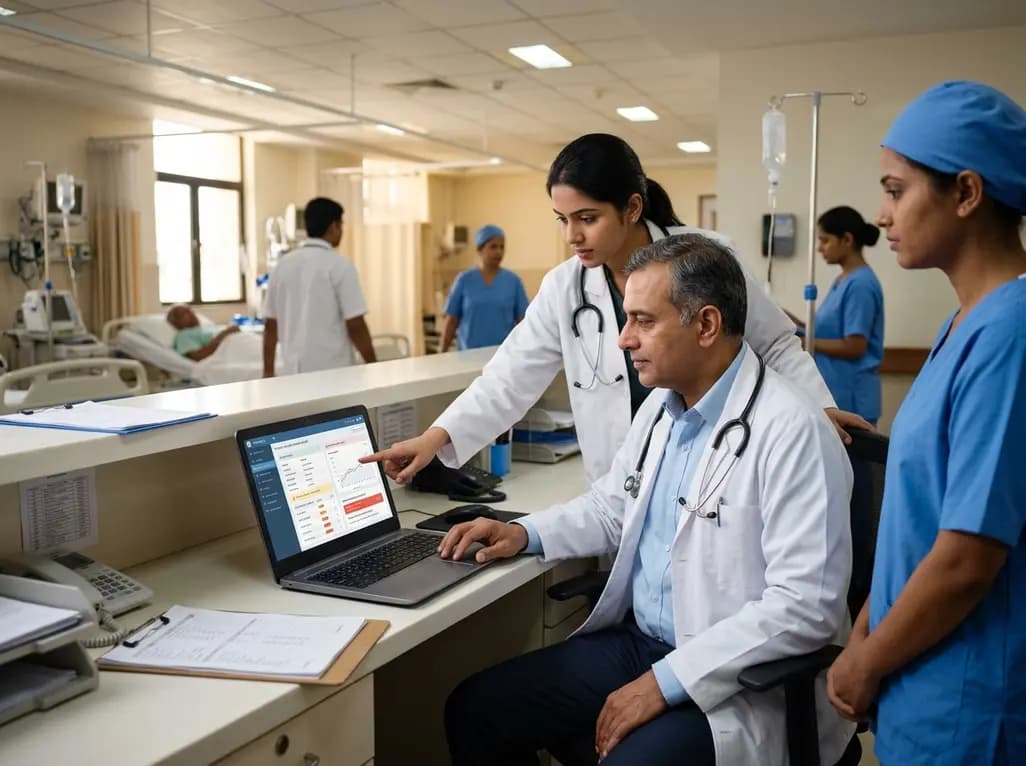
A nationwide mixed-methods study evaluated hospital glycemic management systems across 265 hospitals. While real-time alerts and automatic data sync are highly valued, significant disparities in digital maturity and low satisfaction with decision support highlight the need for standardized implementation.
3 weeks back
