.webp&w=384&q=75)

Loading, please wait...
Loading, please wait...

The National Medical Commission (NMC) has notified pivotal draft amendments to streamline medical licensure across India. These newly proposed National Medical Register regulations establish a centralized digital ecosystem that grants every registered physician a Unique Identification (UID) number. Furthermore, this landmark reform fundamentally transforms how healthcare professionals maintain their state and national registrations. In addition, the notification officially withdraws the previous April 2026 draft and invites public comments on the revised framework. Consequently, understanding these statutory shifts is crucial for every clinician practicing medicine in India.
Under the revised framework, the Ethics and Medical Registration Board (EMRB) maintains the electronic National Medical Register (NMR) under Section 31 of the NMC Act, 2019. When a physician completes registration with their State Medical Council (SMC), the EMRB centrally generates a Unique Identification (UID) number. Consequently, this UID embeds both the respective State or Union Territory code and the assigned State Medical Register (SMR) number.
Importantly, the EMRB must ensure real-time electronic synchronization between national and state registries. Therefore, any qualification addition, status update, or administrative entry made in one register automatically reflects in the other. Furthermore, medical practitioners already enrolled in the Indian Medical Register (IMR) or an SMR must update their credentials on the unified portal. The Commission has made this mandatory UID transition entirely free of charge for existing practitioners. Clinicians can also review our relevant internal content on statutory compliance and digital health documentation for more clinical practice resources.
Historically, doctors wishing to practice across state borders faced burdensome administrative hurdles and duplicate state registrations. However, the amended Regulation 6 completely eliminates these redundant barriers. Once an SMC grants registration and the EMRB allots an NMR UID number, the doctor receives immediate eligibility to practice anywhere in India.
Consequently, physicians no longer require fresh registration or a separate license when relocating or consulting in another state or Union Territory. Moreover, the draft rules delete the earlier cumbersome provision that required doctors to manually select multiple target states during application. Instead, practitioners apply directly through the EMRB unified registration portal to their primary state council. The concerned SMC must verify all documents and decide on the grant of registration within 30 days of receiving appropriate fees. Thus, this single national licensing framework establishes genuine interstate mobility for healthcare specialists across the country.
The revised notification introduces vital clarifications for Foreign Medical Graduates (FMGs) and Overseas Citizens of India (OCIs). Specifically, the regulation broadens the definition of an FMG to include OCIs who completed allopathic medical training abroad. Furthermore, the amendment updates the examination prerequisites for provisional and permanent registrations.
Previously, regulations strictly cited the upcoming National Exit Test (NExT). However, the new draft recognizes both the Foreign Medical Graduate Examination (FMGE) and the future NExT. Therefore, candidates qualifying the FMGE can immediately receive provisional registration from their respective SMC to begin mandatory internship training. Similarly, clearing either the FMGE or NExT entitles foreign graduates to permanent NMR enrollment upon meeting the Foreign Medical Graduate Licentiate Regulations. Additionally, foreign nationals sponsored by competent authorities now receive explicit statutory recognition under the expanded definition of an eligible person.
The draft notification introduces Regulation 9A to provide definitive clarity on professional misconduct and medical negligence cases. Under these rules, the specific State Medical Council where the incident or cause of action occurred holds clear territorial jurisdiction to investigate and decide the complaint. Therefore, a visiting consultant remains accountable to the local SMC of the practicing location.
Additionally, the investigating SMC has the full authority to implement its decision and reflect disciplinary outcomes directly against the physician's online credentials. If an external SMC takes disciplinary action against a practitioner registered primarily in another state, the system automatically updates the central NMR. Subsequently, this disciplinary record syncs directly into the primary SMR. Furthermore, the NMR functions as a permanent central repository for all orders regarding suspensions, removals, or credential restorations issued across India.
Under Regulation 8, every license issued to a registered medical practitioner remains valid for a standard period of five years. Consequently, doctors must apply for license renewal to their primary State Medical Council before this validity term expires. Practitioners must complete this renewal process through the standardized electronic portal.
However, if a practitioner fails to apply within three months of license expiration, the system automatically converts their registration status to 'inactive'. A doctor marked inactive loses the statutory right to practice medicine in India until formal reactivation occurs. Additionally, the SMR immediately transmits this inactive entry to the central NMR. Moreover, the NMR public database will display the active or inactive status alongside any recorded disciplinary penalties, ensuring complete public transparency.
The amendment establishes a robust grievance redressal mechanism under Regulation 12. If an SMC rejects an application for registration, licensing, or renewal, the applicant may appeal to the EMRB within thirty days. Applicants must submit the appeal along with the original application, rejection order copy, grounds of appeal, and prescribed processing fee. Subsequently, the EMRB must examine the appeal and render a binding decision within thirty days.
If the EMRB upholds the appeal, the concerned SMC must grant registration within fifteen days of receiving the order. Furthermore, the notification extends the maximum temporary registration tenure for foreign postgraduate trainees and observers from 12 months to 24 months. These visiting doctors must provide a valid Good Standing Certificate from their home licensing authority. Interested stakeholders can submit feedback on these proposed draft regulations to the NMC via email within the stipulated 30-day public consultation window.
Disclaimer: This content is for informational and educational purposes only and does not constitute formal legal or medical advice. Refer to the latest local and national guidelines for clinical practice.
References

Read summarized clinical updates, watch expert medical content, and earn CME certifications right from your smartphone.
Open your smartphone camera to scan and install.





Discover crucial updates in the NMC draft amendment regulations on National Medical Register UID licensing, FMG eligibility, and cross-state practice in India.
last month

India's apex food regulator has launched legal proceedings against top digital retail platforms for distributing hazardous botanical substances and misbranded consumer goods. Discover the regulatory breaches, clinical toxicity risks, and key implications for healthcare providers across the country.
2 days back
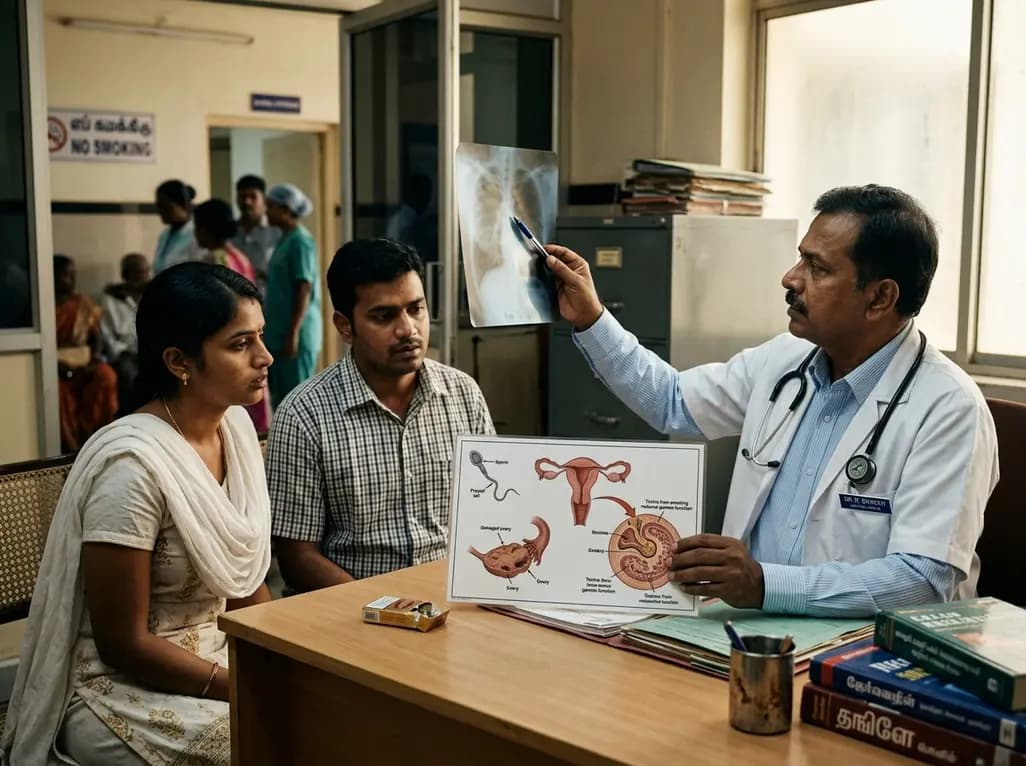
A global knowledge summary from the World Health Organization warns that tobacco smoking significantly increases infertility risks in women and causes substantial sperm and erectile dysfunction in men. Fortunately, quitting smoking substantially lowers these risks, providing clear reproductive benefits.
Last week
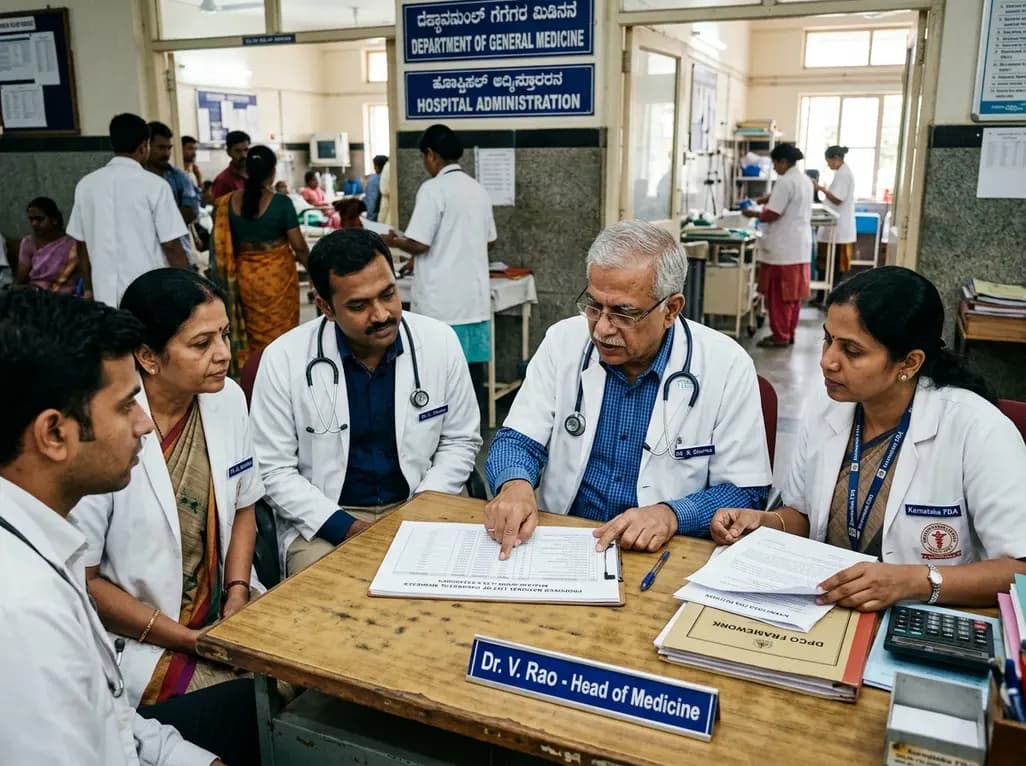
To curb crushing healthcare expenses, Karnataka's Food Safety and Drugs Administration has formally petitioned central authorities to institute a dedicated National List of Essential Medical Devices under the DPCO framework, establishing uniform price ceilings across twenty-four vital clinical categories.
2 days back
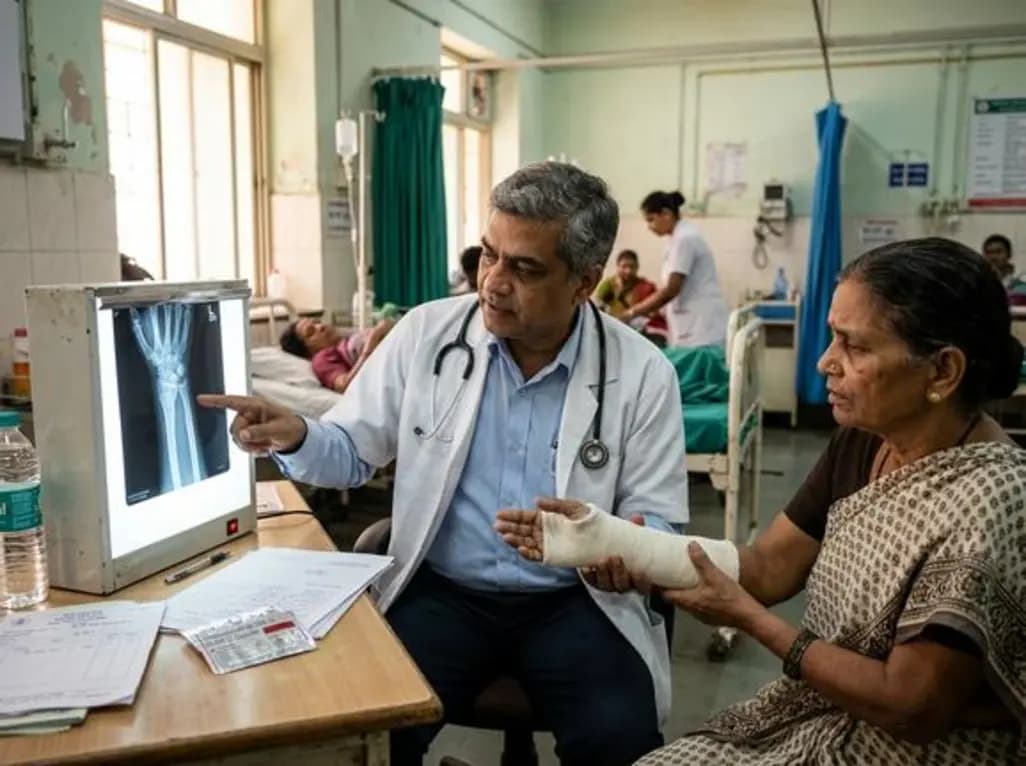
Nearly 80% of Indians suffer from inadequate Vitamin D, causing silent bone weakening and sudden fractures. This expert guide reviews why mega-dose therapy is critical for high-risk patients, the key factors driving widespread deficiency, and the mandatory medical evaluations needed to protect skeletal health.
3 months ago

A nationwide mixed-methods study evaluated hospital glycemic management systems across 265 hospitals. While real-time alerts and automatic data sync are highly valued, significant disparities in digital maturity and low satisfaction with decision support highlight the need for standardized implementation.
4 weeks back
