.webp&w=384&q=75)

Loading, please wait...
Loading, please wait...
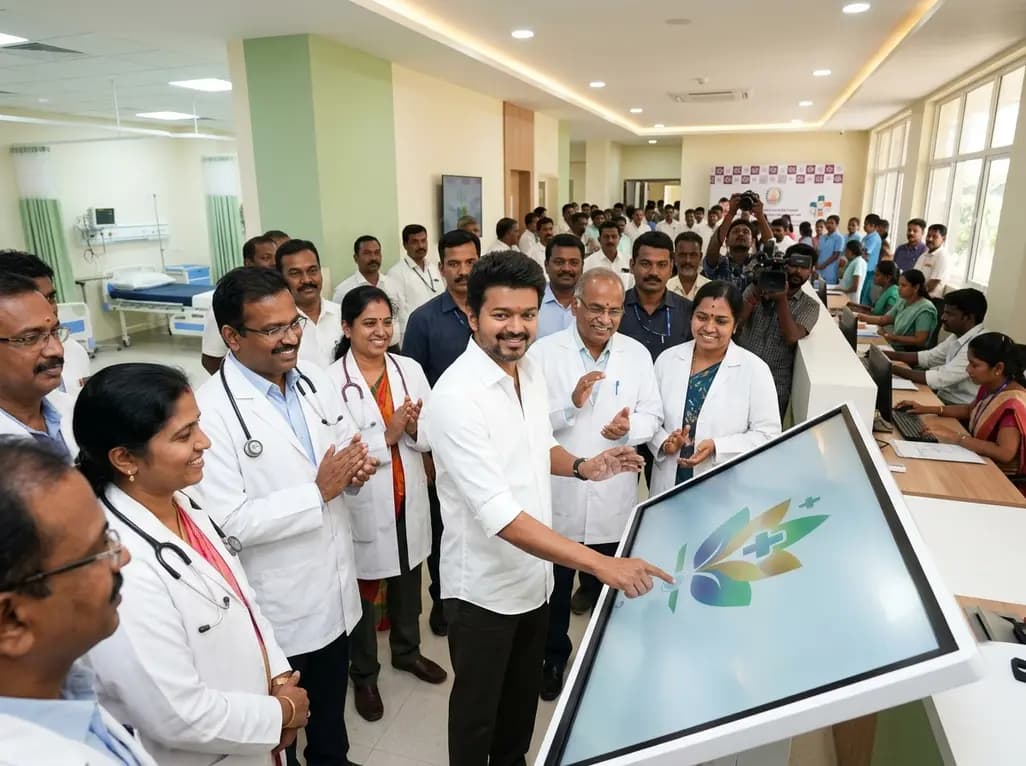
Tamil Nadu has recently taken a monumental stride in public healthcare management. Specifically, Chief Minister C. Joseph Vijay launched the Nalam Tamil Nadu online portal to mobilize philanthropic resources. This new non-profit foundation seeks to bridge critical gaps in medical equipment and physical infrastructure across the state. Consequently, the government aims to elevate the standard of care in every single district hospital. Furthermore, this runs parallel to recruitment drives and digital health services. Ultimately, these measures will benefit the lakhs of patients relying on government facilities daily.
The Nalam Tamil Nadu initiative provides an innovative model for public healthcare financing in India. Specifically, the foundation allows corporate companies, medical college alumni, charitable trusts, and individual citizens to make direct donations. Consequently, these contributions will fund specific infrastructure projects and procure advanced medical machinery. For instance, many government institutions desperately need basic amenities like clean toilets, secure boundary walls, and residential quarters for clinical staff. Additionally, hospitals require high-end equipment, such as dialysis machines and linear accelerators. Fortunately, the platform guarantees absolute transparency and security for all contributors. Donors retain full control over where and how their funds are deployed. Therefore, a company can target a specific rural primary health center or support a major tertiary care hospital. Already, organizations like Apollo Hospitals and Caplin Point Laboratories have contributed substantial sums. To ensure absolute trust, the portal lists verified hospital needs. Thus, donors can browse local clinics and track the impact of their contributions easily. Ultimately, this transparency ensures that every rupee directly improves patient care.
Tamil Nadu possesses one of the most robust public health networks in the country. To begin with, the state operates 36 government medical college hospitals, 37 district headquarters hospitals, and 286 secondary care facilities. Moreover, there are 2,336 primary health centers functioning across rural and urban communities. Together, these institutions serve an astonishing 8.09 lakh outpatients and 74,591 inpatients on a daily basis. Additionally, public facilities manage approximately 1,089 safe deliveries every day. Consequently, the physical strain on the existing infrastructure remains immense. To address this, the government recently inaugurated buildings and equipment worth 139 crores. Furthermore, the state provides advanced, high-cost procedures at no charge. For instance, patients receive liver transplants, bone marrow transplants, and cochlear implants through the Chief Minister’s Comprehensive Health Insurance Scheme. However, the demand for primary and secondary care continues to grow rapidly. Therefore, the new foundation plays a vital role by extending uniform quality care to every district. This strategic approach ensures that no patient must travel to major cities for basic medical needs.
To support this vast infrastructure, the government has simultaneously executed massive clinical recruitment drives. Specifically, the Chief Minister handed over official appointment orders to 751 doctors and 1,393 health inspectors. Consequently, these new recruitments will directly address vacancy issues across the state’s healthcare network. Furthermore, the state is introducing cutting-edge digital health tools to streamline workflows. For instance, they launched a WhatsApp-based service called Nalam AI to simplify the patient journey. As a result, patients can now easily generate outpatient tickets, schedule appointments, and access digital laboratory reports. Thus, the system effectively reduces long queues and decreases administrative burdens at busy government hospitals. Indeed, a fully staffed and digitally enabled hospital remains absolutely essential for delivering modern clinical services. Moreover, health inspectors will significantly boost public health surveillance and disease control. Therefore, these staffing and technological upgrades represent a holistic effort to improve patient outcomes. Ultimately, integrating technology with staffing upgrades ensures that modern medical equipment is managed by qualified, dedicated professionals.
The success of the donation platform relies heavily on its unique governance framework. To begin with, the system is designed to eliminate bureaucratic delays. Additionally, corporate donors can utilize their Corporate Social Responsibility funds directly for designated hospital upgrades. Moreover, the platform allows medical college alumni to give back to their alma maters. This localized giving creates a strong sense of community ownership and responsibility. For instance, engineering firms can fund civil works while pharmaceutical companies can donate diagnostic equipment. Subsequently, the foundation provides regular updates and progress reports to all contributors. This transparency builds lasting trust and encourages continuous collaboration. Furthermore, the platform utilizes secure transaction pathways, including quick-response codes for minor contributions. Consequently, individuals can donate small amounts to support maternal wards or children's clinics. This inclusive approach proves that every contribution makes a tangible difference. Therefore, public-private partnerships can thrive when built on transparency and mutual trust. Ultimately, this collaborative model paves the way for a healthier and more resilient society.
Ultimately, this initiative sets a powerful precedent for other states across India. Specifically, it demonstrates how governments can mobilize private wealth to support public medical systems without losing clinical autonomy. Indeed, the combined force of philanthropy, robust staffing, and modern digital technology creates an unparalleled healthcare model. Consequently, vulnerable populations will receive high-end medical care closer to home. In addition, this initiative reduces the financial burden on low-income families who face high out-of-pocket health expenses. Healthcare providers will also benefit from better working environments. Therefore, this project represents a major milestone in achieving universal health coverage. Furthermore, this model strengthens the relationship between public hospitals and local communities. By allowing citizens to invest in their local clinics, a shared responsibility for health outcomes is established. Moreover, clinical researchers can leverage upgraded facilities to conduct vital clinical trials. Consequently, public hospitals will not only treat patients but also drive medical innovation. Thus, this framework successfully addresses immediate needs while preparing for future challenges.
Q1: What is the primary purpose of Nalam Tamil Nadu?
Nalam Tamil Nadu is a non-profit foundation and online portal launched by the state government. Specifically, it aims to channel corporate, charitable, and individual donations into the public hospital network. This initiative helps close infrastructure and equipment gaps in government hospitals. Consequently, donors can choose which facility to support, ensuring complete transparency and control over their contributions.
Q2: Who is eligible to contribute to this foundation?
A broad cross-section of society can donate to this initiative. Specifically, corporate companies using CSR funds, charitable trusts, medical college alumni, and individual citizens can participate. For instance, major corporations like Apollo Hospitals and Caplin Point Laboratories have already donated substantial funds. Additionally, patients can make small contributions to express gratitude for the clinical care they received.
Q3: How are the donated funds utilized?
The funds are utilized directly for upgrading healthcare infrastructure and procuring medical equipment. For instance, contributions help build basic facilities like clean toilets, boundary walls, and residential quarters for staff. Additionally, funds are used to purchase advanced medical equipment like dialysis machines and linear accelerators. Consequently, these improvements extend high-quality care to all district hospitals.
Disclaimer: This content is for informational and educational purposes only. It does not constitute medical advice or replace professional judgment. Refer to the latest local and national guidelines for clinical practice.
References

Read summarized clinical updates, watch expert medical content, and earn CME certifications right from your smartphone.
Open your smartphone camera to scan and install.





Tamil Nadu has launched Nalam TN, a nonprofit foundation and digital portal to draw corporate and individual donations into public hospitals. Chief Minister C. Joseph Vijay inaugurated the platform alongside major recruitment drives and digital health projects to bridge critical infrastructure and staffing gaps.
3 months ago
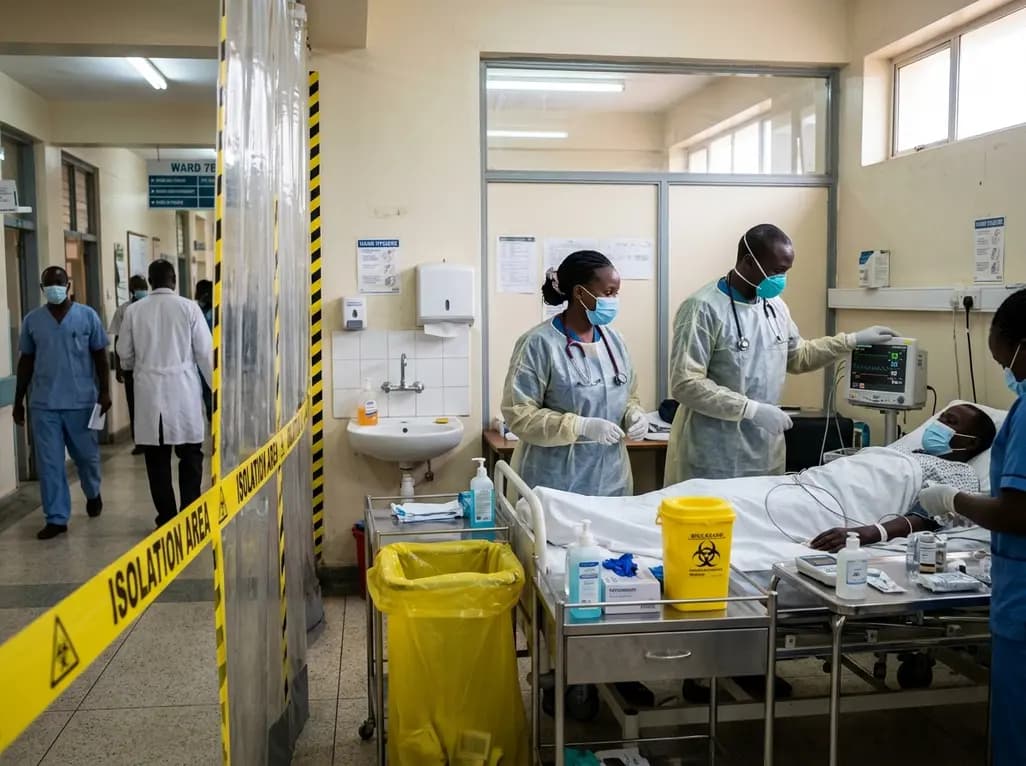
Kenya's confirmation of its eighth Ebola infection highlights the acute risk of secondary transmission in hospital environments. Clinicians must maintain high vigilance, enforce strict infection prevention protocols, and implement rapid triage mechanisms for viral hemorrhagic fevers across healthcare settings.
4 days back
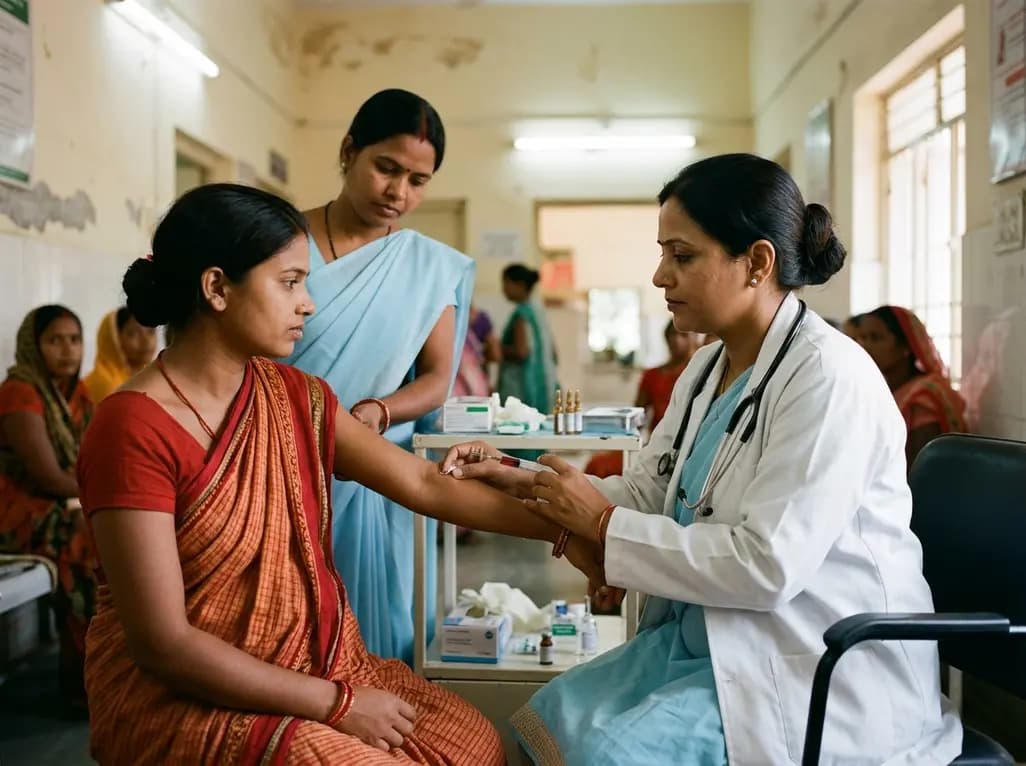
Maternal anaemia contributes to nearly half of pregnancy-related fatalities across India. To prevent complications, Uttar Pradesh has added single-dose parenteral iron to its essential medicines list. This clinical transition aims to restore haemoglobin rapidly and protect high-risk mothers across rural facilities.
Last week
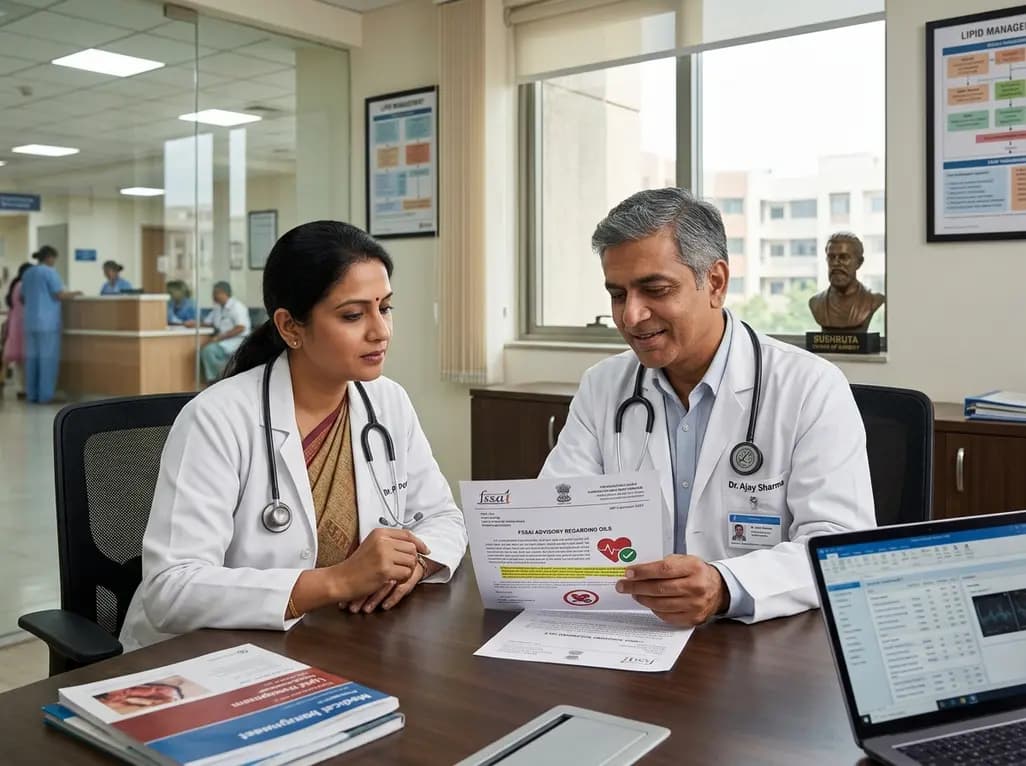
India's food safety authority FSSAI has issued show-cause notices to Gemini Edibles, BigBasket, and Flipkart for unpermitted cardiovascular claims regarding Freedom Rice Bran Oil. This regulatory move highlights the strict enforcement of advertising standards and the clinical necessity of evidence-based lipid care.
6 days back
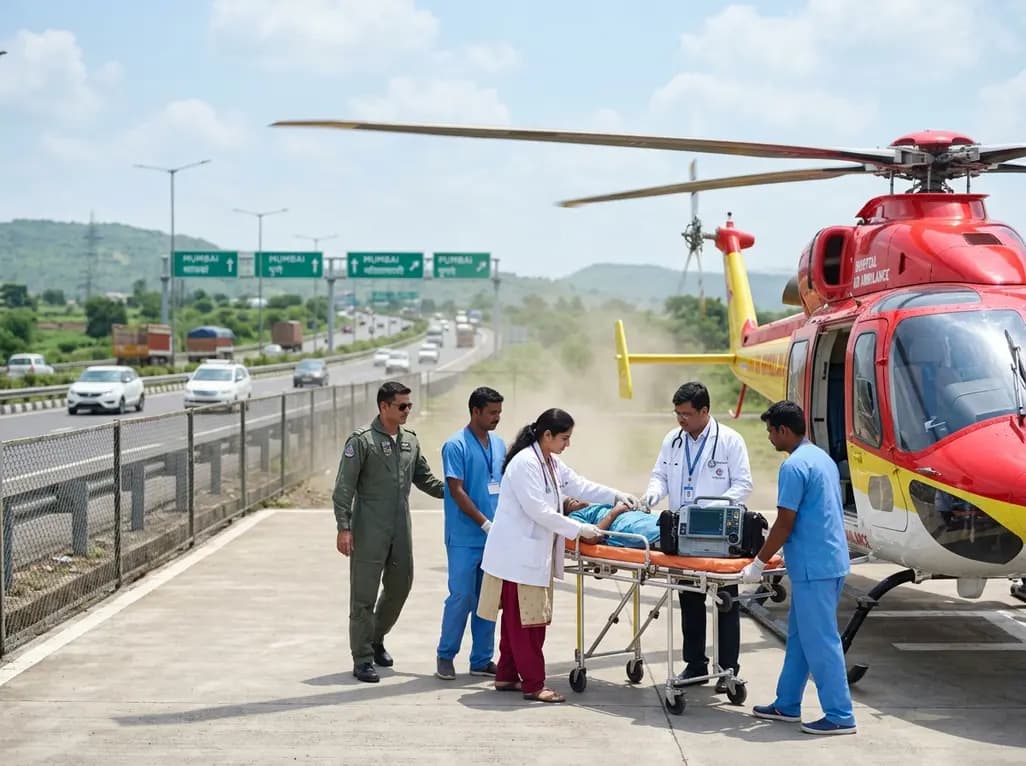
The state government is deploying helicopter emergency medical services across the Mumbai-Pune Expressway, Samruddhi Mahamarg, and Mumbai-Goa Highway. This initiative establishes unified standard operating procedures to enable rapid triage, advanced prehospital resuscitation, and seamless trauma care transfers.
Last week
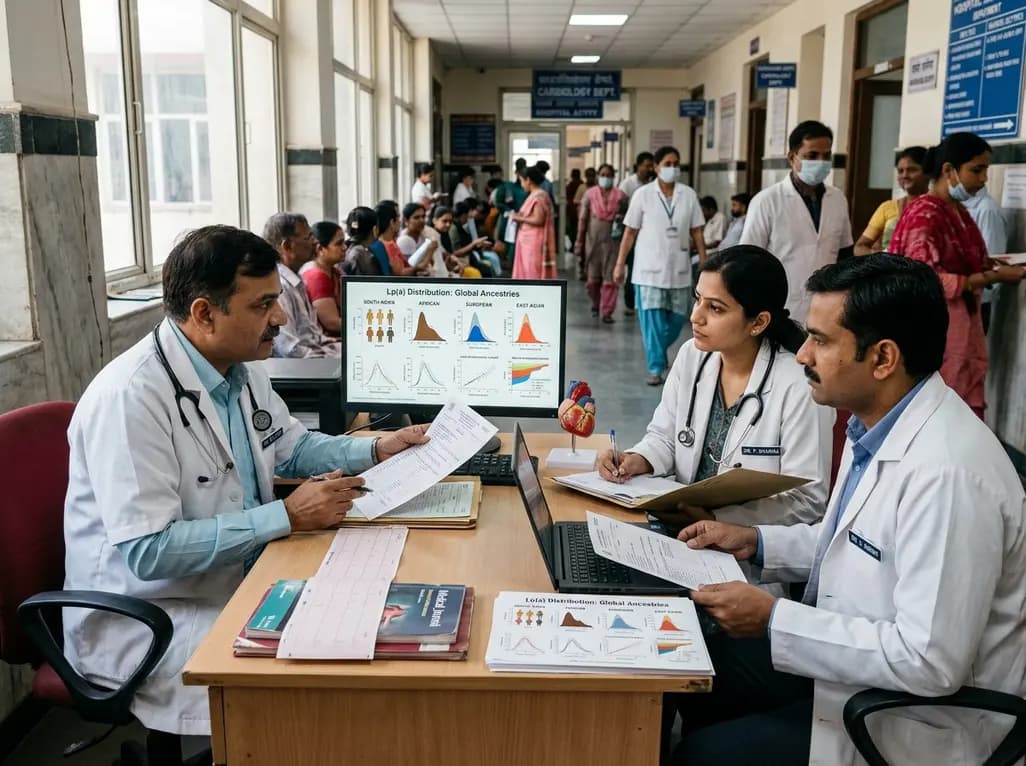
Atherosclerotic cardiovascular disease guidelines often rely on European-derived lipoprotein(a) cutoffs. However, baseline Lp(a) levels vary widely across ancestries, including South Asians and Africans. Clinicians must interpret Lp(a) values within overall absolute cardiovascular risk.
Last week
