.webp&w=384&q=75)

Loading, please wait...
Loading, please wait...

In a bid to reduce academic pressure, a parliamentary panel has suggested holding multiple NEET-UG exams every year. Specifically, the Parliamentary Standing Committee on Health and Family Welfare recommended this reform on Wednesday. Consequently, this change would prevent medical aspirants from losing an entire academic year due to unexpected exam cancellations or disruptions.
Currently, the National Testing Agency (NTA) conducts the massive national medical entrance test only once a year. However, a major paper leak controversy disrupted the May 3 exam, leading to its cancellation and a rescheduled re-test on June 21. Therefore, committee members emphasized that a single-sitting exam puts immense and unfair burden on students. Furthermore, when an administrative lapse occurs, students suffer through no fault of their own. Under the leadership of Samajwadi Party MP Ram Gopal Yadav, the panel discussed fixing accountability for these repeated breaches. Indeed, similar controversies erupted in both 2024 and 2026, prompting serious concerns about current security systems.
To address security concerns, government officials briefed the panel on several proposed measures. For instance, the government is considering transitioning the test to a Computer-Based Test (CBT) format. However, several members of parliament raised concerns regarding digital access and infrastructure, particularly for students residing in rural areas. Additionally, they emphasized that exam papers must remain available in regional languages to ensure fair access. Previously, the National Medical Commission (NMC) in 2023 deemed multiple annual sessions unfeasible due to a single, unified counselling process. Nevertheless, officials have assured the panel that they will thoroughly examine the new recommendations to protect student welfare.
Q1: Why is the parliamentary panel recommending multiple NEET-UG exams?
The panel suggests this reform to reduce immense academic pressure on students and to ensure they do not lose a full year due to administrative lapses or paper leaks.
Q2: What other reforms are being considered for future NEET-UG cycles?
The government is currently evaluating a transition to a Computer-Based Testing (CBT) format to enhance security and prevent leaks.
Q3: When is the rescheduled NEET-UG exam taking place?
The cancelled exam has been officially rescheduled to take place on June 21 in a pen-and-paper format under enhanced security protocols.
Disclaimer: This content is for informational and educational purposes only. It does not constitute medical advice or replace professional judgment. Refer to the latest local and national guidelines for clinical practice.
References

Read summarized clinical updates, watch expert medical content, and earn CME certifications right from your smartphone.
Open your smartphone camera to scan and install.





A parliamentary standing committee has recommended conducting the NEET-UG medical entrance examination multiple times a year. This proposal aims to relieve immense student pressure, prevent the loss of academic years due to paper leaks, and streamline the transition toward computer-based testing.
4 months ago
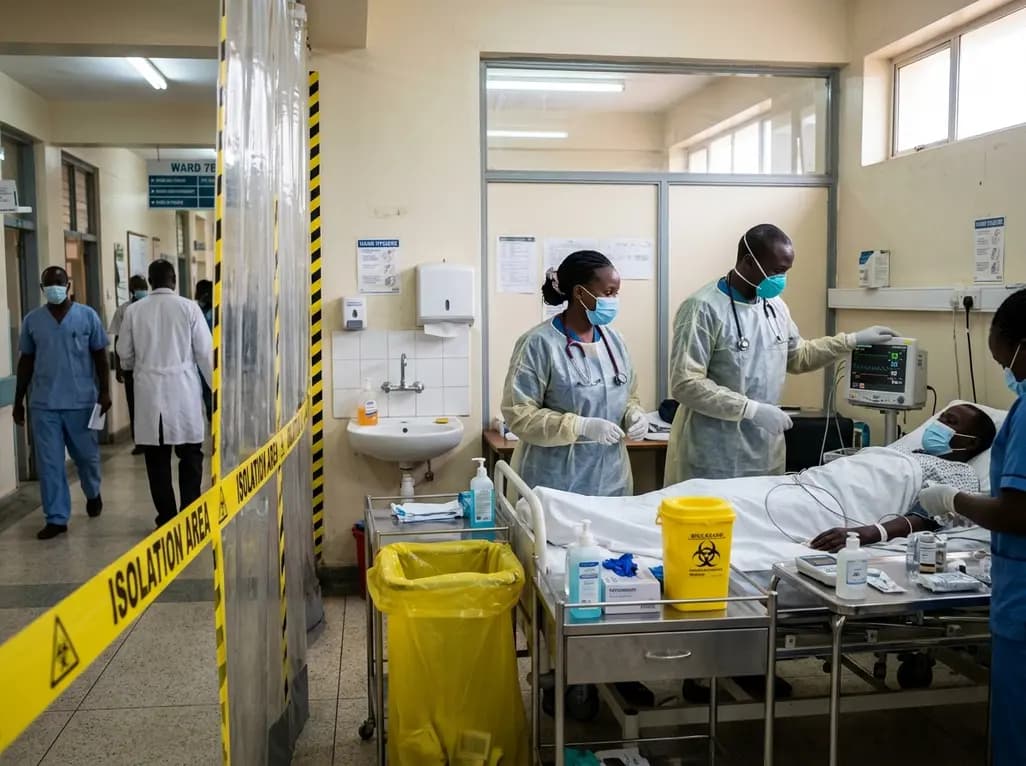
Kenya's confirmation of its eighth Ebola infection highlights the acute risk of secondary transmission in hospital environments. Clinicians must maintain high vigilance, enforce strict infection prevention protocols, and implement rapid triage mechanisms for viral hemorrhagic fevers across healthcare settings.
4 days back
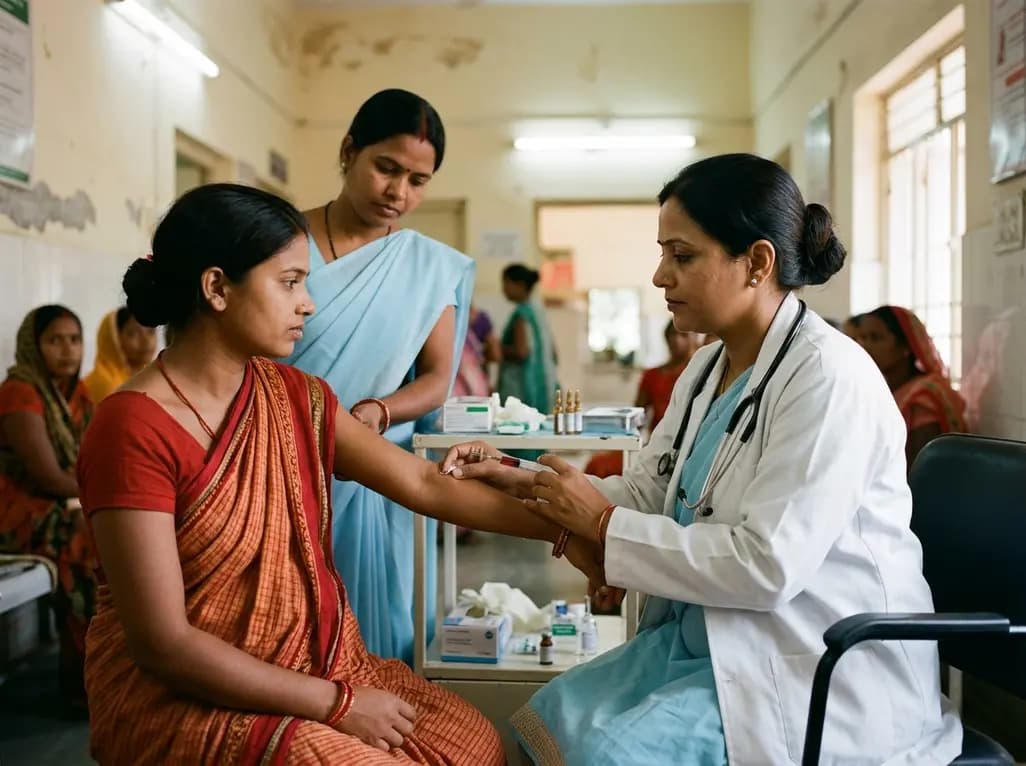
Maternal anaemia contributes to nearly half of pregnancy-related fatalities across India. To prevent complications, Uttar Pradesh has added single-dose parenteral iron to its essential medicines list. This clinical transition aims to restore haemoglobin rapidly and protect high-risk mothers across rural facilities.
Last week
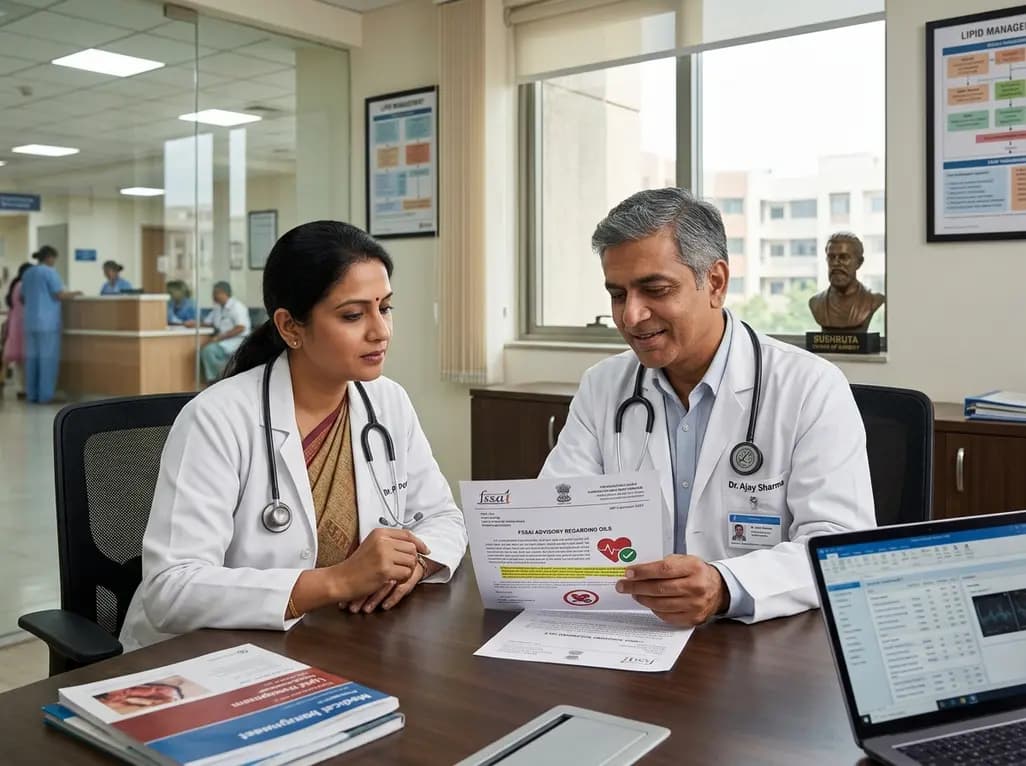
India's food safety authority FSSAI has issued show-cause notices to Gemini Edibles, BigBasket, and Flipkart for unpermitted cardiovascular claims regarding Freedom Rice Bran Oil. This regulatory move highlights the strict enforcement of advertising standards and the clinical necessity of evidence-based lipid care.
6 days back
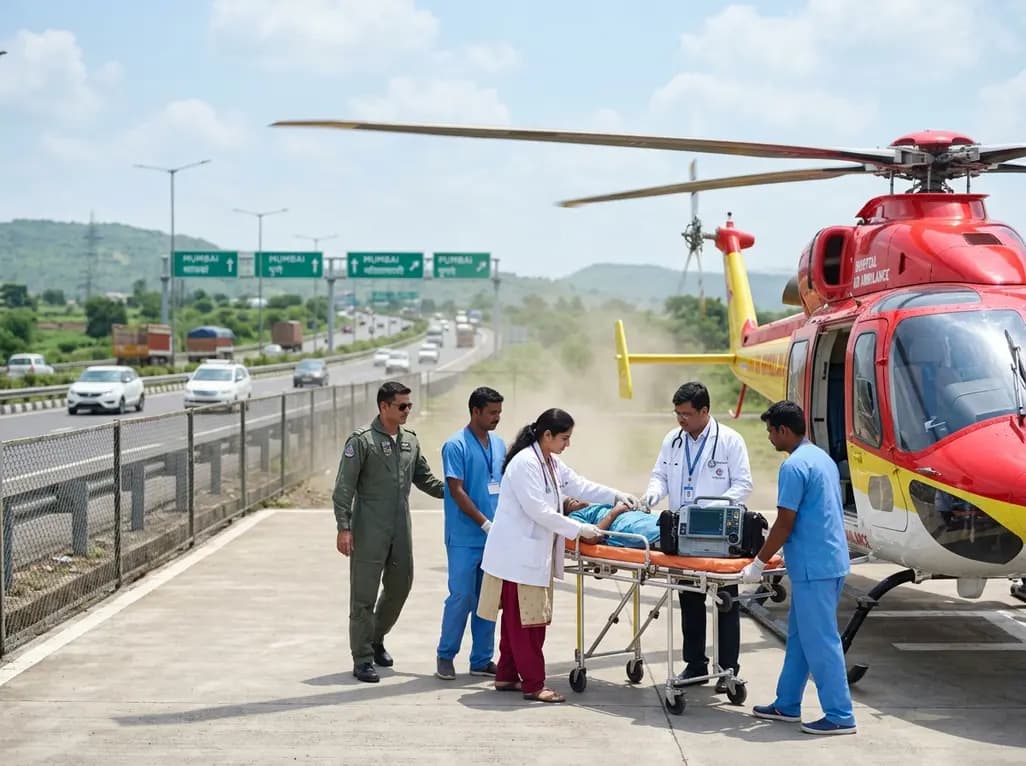
The state government is deploying helicopter emergency medical services across the Mumbai-Pune Expressway, Samruddhi Mahamarg, and Mumbai-Goa Highway. This initiative establishes unified standard operating procedures to enable rapid triage, advanced prehospital resuscitation, and seamless trauma care transfers.
Last week
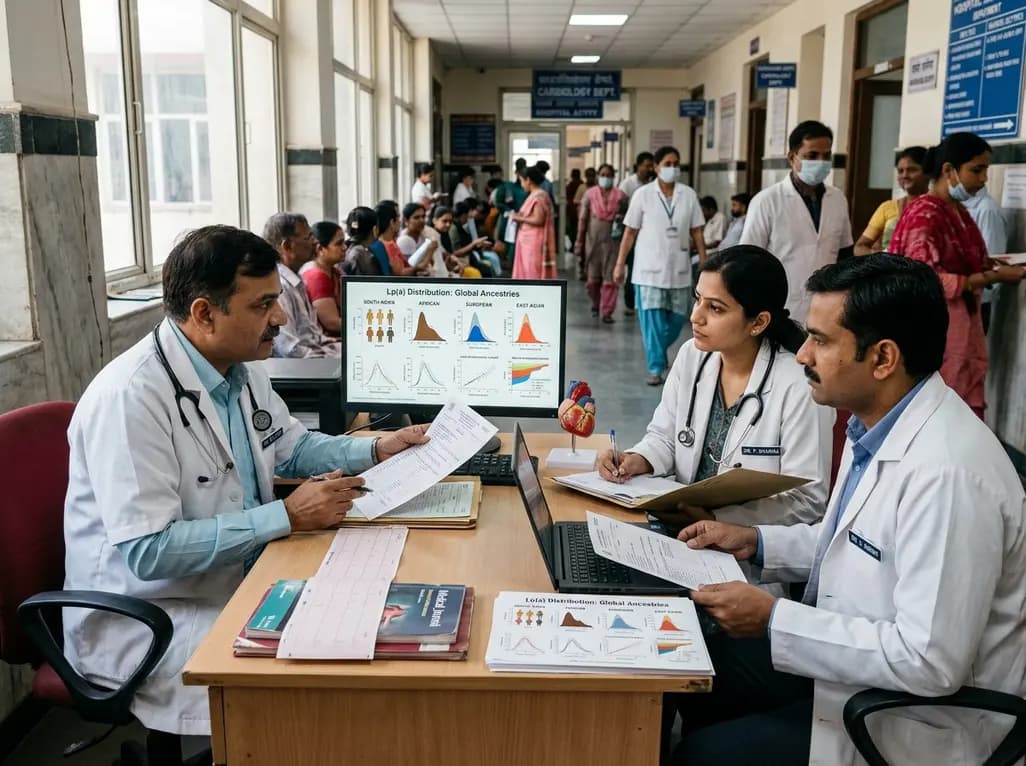
Atherosclerotic cardiovascular disease guidelines often rely on European-derived lipoprotein(a) cutoffs. However, baseline Lp(a) levels vary widely across ancestries, including South Asians and Africans. Clinicians must interpret Lp(a) values within overall absolute cardiovascular risk.
Last week
