.webp&w=384&q=75)

Loading, please wait...
Loading, please wait...
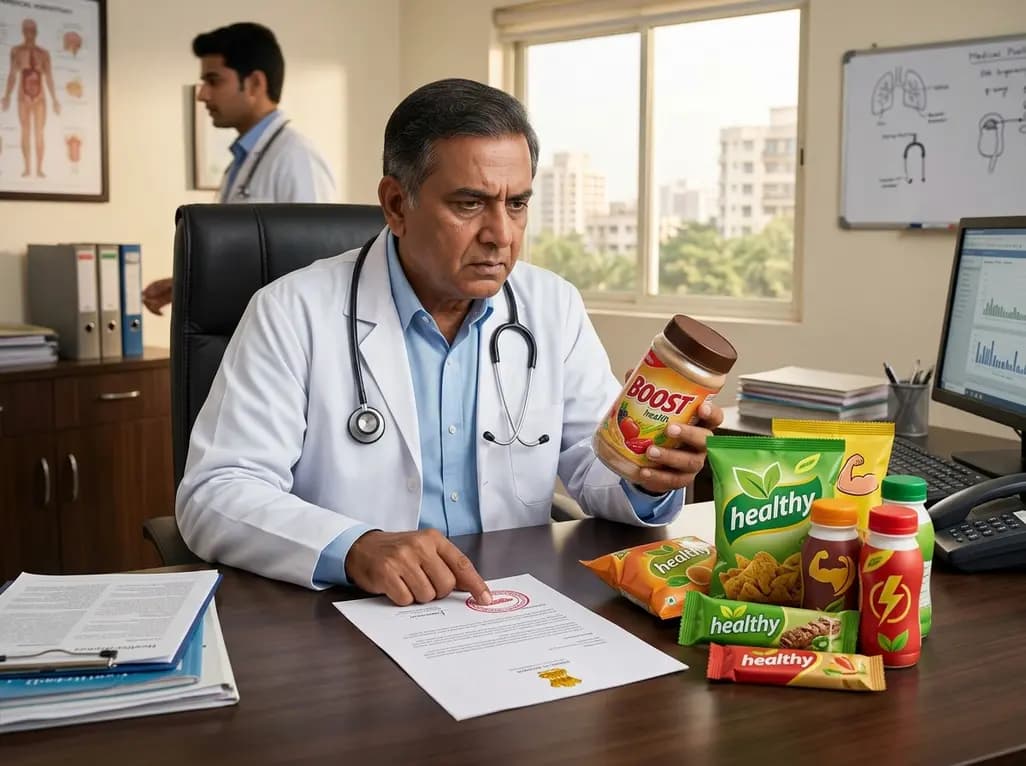
The Food Safety and Standards Authority of India (FSSAI) has cracked down on misleading food labels. Specifically, the regulator issued strict notices to eight major companies for using deceptive brand names and health claims. Additionally, this critical action highlights growing regulatory scrutiny over how nutritional products are marketed to Indian consumers.
The regulator flagged several popular brands, including Emami Healthy & Tasty, Troovy, and Neuherbs, for non-compliance. For instance, some companies used words like 'healthy' or 'organic' without meeting the necessary statutory criteria. Furthermore, others marketed items as 'vegan' without obtaining prior approval or endorsement on their official FSSAI license. Consequently, these deceptive practices can easily confuse consumers who are trying to make informed, healthy dietary decisions.
The regulator highlighted several major infractions. First, The Healthy Factory faced scrutiny for its 'Zero Maida' whole wheat bread and pizza base products. FSSAI noted these products contained ingredients like wheat gluten, which contradicts the 'zero-maida' claim. Second, Neuherbs received a notice because its 'True Vitamin' product name is unrecognized under standard regulations. Finally, Troovy was flagged for asserting healthy claims on chips that contain various non-standard ingredients. Therefore, manufacturers must immediately ensure their packaging aligns fully with the Food Safety and Standards Act.
Q1: Why did FSSAI issue notices to these food companies?
FSSAI issued notices because these companies used misleading brand names, trade names, and claims that violate the Food Safety and Standards Act, 2006. Consequently, the regulator aims to protect consumers from deceptive marketing practices.
Q2: What specific violations were identified regarding vegan products?
Specifically, brands like Plan B marketed products as plant-based vegan without obtaining prior vegan food endorsement. Therefore, they violated official licensing requirements.
Q3: How can consumers identify deceptive labeling?
Indeed, consumers should always inspect nutrition panels and ingredient lists carefully. Do not rely solely on front-of-package marketing claims.
Disclaimer: This content is for informational and educational purposes only. It does not constitute medical advice or replace professional judgment. Refer to the latest local and national guidelines for clinical practice.
References

Read summarized clinical updates, watch expert medical content, and earn CME certifications right from your smartphone.
Open your smartphone camera to scan and install.





The Food Safety and Standards Authority of India (FSSAI) has issued notices to eight major food brands, including Emami and Neuherbs, over misleading packaging claims and unauthorized health labels. This move highlights heightened regulatory oversight on food products.
4 months ago

Kenya's confirmation of its eighth Ebola infection highlights the acute risk of secondary transmission in hospital environments. Clinicians must maintain high vigilance, enforce strict infection prevention protocols, and implement rapid triage mechanisms for viral hemorrhagic fevers across healthcare settings.
4 days back
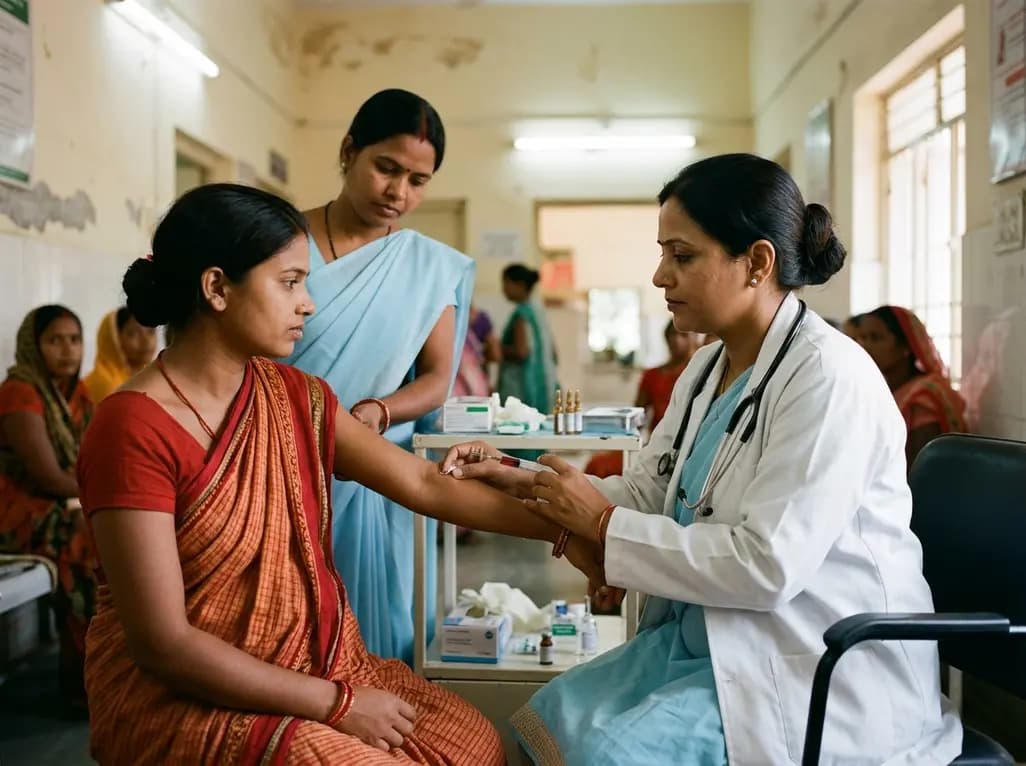
Maternal anaemia contributes to nearly half of pregnancy-related fatalities across India. To prevent complications, Uttar Pradesh has added single-dose parenteral iron to its essential medicines list. This clinical transition aims to restore haemoglobin rapidly and protect high-risk mothers across rural facilities.
Last week

India's food safety authority FSSAI has issued show-cause notices to Gemini Edibles, BigBasket, and Flipkart for unpermitted cardiovascular claims regarding Freedom Rice Bran Oil. This regulatory move highlights the strict enforcement of advertising standards and the clinical necessity of evidence-based lipid care.
6 days back

The state government is deploying helicopter emergency medical services across the Mumbai-Pune Expressway, Samruddhi Mahamarg, and Mumbai-Goa Highway. This initiative establishes unified standard operating procedures to enable rapid triage, advanced prehospital resuscitation, and seamless trauma care transfers.
Last week

Atherosclerotic cardiovascular disease guidelines often rely on European-derived lipoprotein(a) cutoffs. However, baseline Lp(a) levels vary widely across ancestries, including South Asians and Africans. Clinicians must interpret Lp(a) values within overall absolute cardiovascular risk.
Last week
