.webp&w=384&q=75)

Loading, please wait...
Loading, please wait...
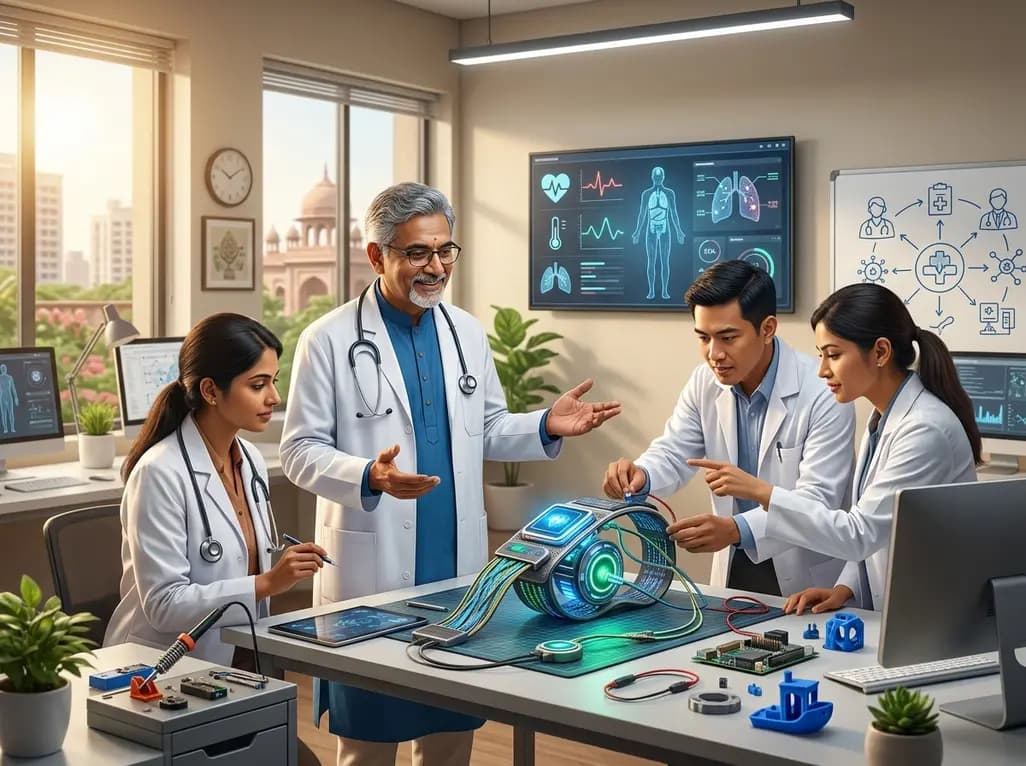
To address critical healthcare needs, Murata Electronics Singapore partnered with open innovation platform Tribe. Consequently, they launched the KUMIHIMO Tech Camp Singapore. This MedTech innovation programme invites advanced healthcare startups from ASEAN and India. Furthermore, participants will co-develop purpose-built medical technologies tailored to the region's challenges.
Currently, ASEAN and India collectively represent over two billion people. However, this vast population faces complex healthcare burdens. These difficulties include rapid population ageing and a rising burden of chronic illnesses. Additionally, maternal and child healthcare gaps remain a major issue across these countries.
Specifically, the initiative targets deep-tech and MedTech startups operating in India or eligible ASEAN nations. Eligible companies must have a Technology Readiness Level (TRL) of 3 or higher. Therefore, early-stage concepts with initial proof-of-concept validation are highly encouraged to apply. Selected teams will subsequently join a structured program. In this camp, they will receive technical onboarding, hands-on mentorship, and direct support. Murata's engineering and business development teams will work closely with them. As a result, this collaboration will accelerate the commercialisation of locally relevant healthcare products.
Ultimately, this program aims to foster technologies that address the unique needs of local healthcare systems. By strengthening collaboration between innovators and industry leaders, the initiative hopes to bridge existing gaps. Meanwhile, startups can leverage Murata's global expertise to refine their clinical solutions. This synergy will eventually empower healthcare providers in India and ASEAN. Consequently, patients will gain access to more affordable and precise diagnostics and treatments.
Q1: What is the focus of the KUMIHIMO Tech Camp Singapore?
A1: The initiative is an open innovation programme that brings together ASEAN and India startups. Specifically, they aim to develop purpose-built healthcare technologies addressing regional medical challenges.
Q2: Which startups are eligible to apply for this MedTech innovation programme?
A2: Deep-tech and MedTech startups operating or headquartered in India and eligible ASEAN countries are eligible. However, they must have reached Technology Readiness Level (TRL) 3 or above.
Q3: How does the programme support selected teams?
A3: Selected teams participate in a structured programme. Additionally, they receive technical onboarding, direct mentorship, and engineering collaboration with Murata's specialized teams.
Disclaimer: This content is for informational and educational purposes only. It does not constitute medical advice or replace professional judgment. Refer to the latest local and national guidelines for clinical practice.
References

Read summarized clinical updates, watch expert medical content, and earn CME certifications right from your smartphone.
Open your smartphone camera to scan and install.





Singapore hosts the KUMIHIMO Tech Camp, a collaborative initiative by Murata Electronics and Tribe. This MedTech innovation programme invites startups from ASEAN and India to address regional healthcare gaps like ageing populations and chronic diseases by co-developing purpose-built healthcare technologies.
4 months ago
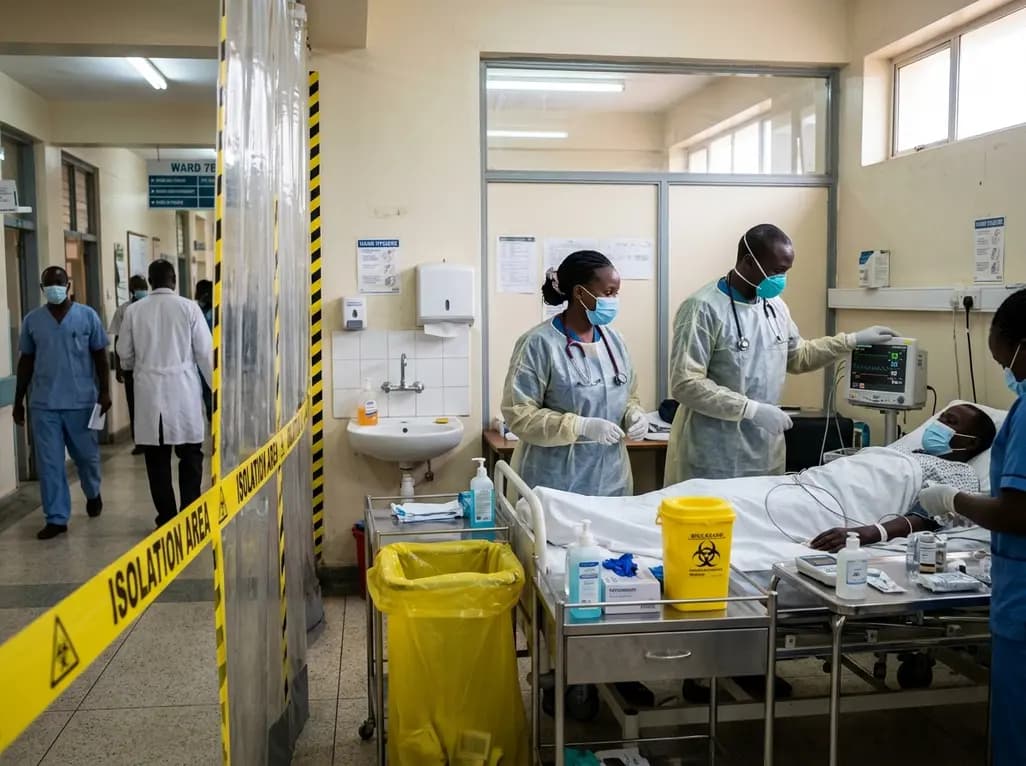
Kenya's confirmation of its eighth Ebola infection highlights the acute risk of secondary transmission in hospital environments. Clinicians must maintain high vigilance, enforce strict infection prevention protocols, and implement rapid triage mechanisms for viral hemorrhagic fevers across healthcare settings.
4 days back
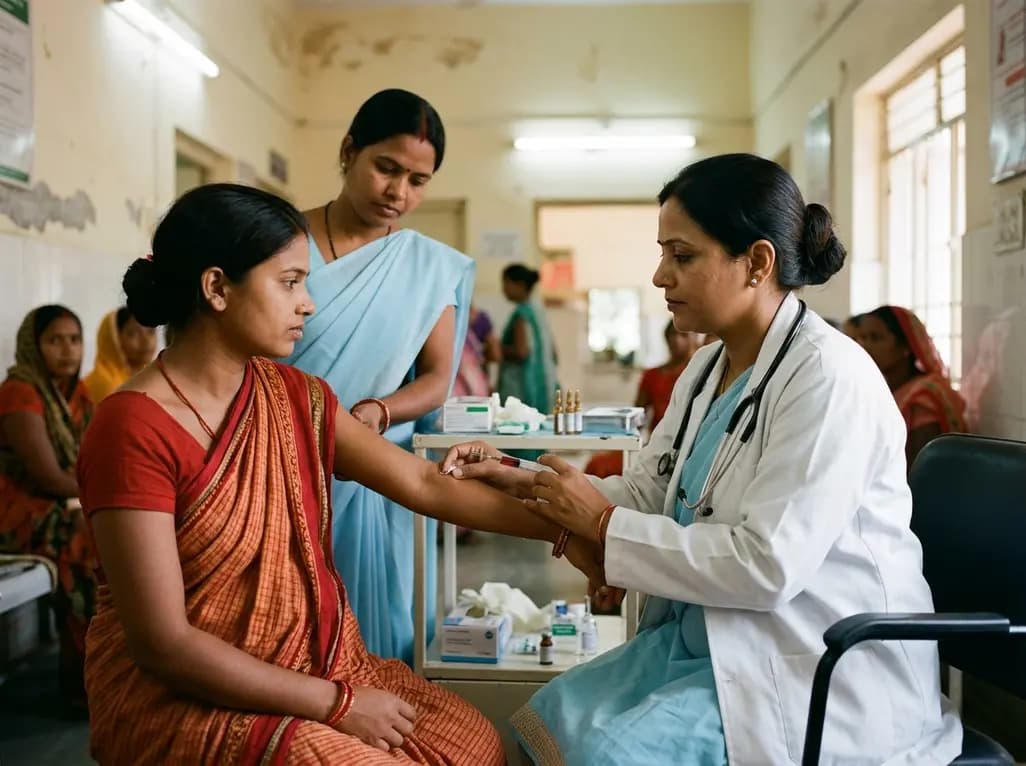
Maternal anaemia contributes to nearly half of pregnancy-related fatalities across India. To prevent complications, Uttar Pradesh has added single-dose parenteral iron to its essential medicines list. This clinical transition aims to restore haemoglobin rapidly and protect high-risk mothers across rural facilities.
Last week
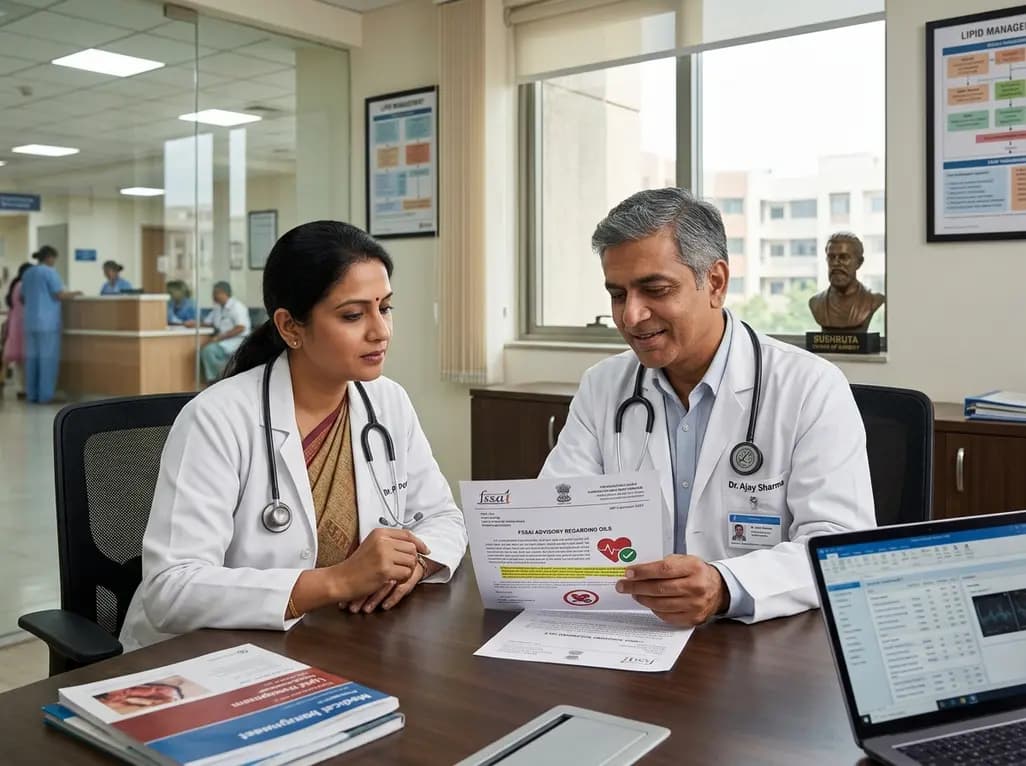
India's food safety authority FSSAI has issued show-cause notices to Gemini Edibles, BigBasket, and Flipkart for unpermitted cardiovascular claims regarding Freedom Rice Bran Oil. This regulatory move highlights the strict enforcement of advertising standards and the clinical necessity of evidence-based lipid care.
6 days back
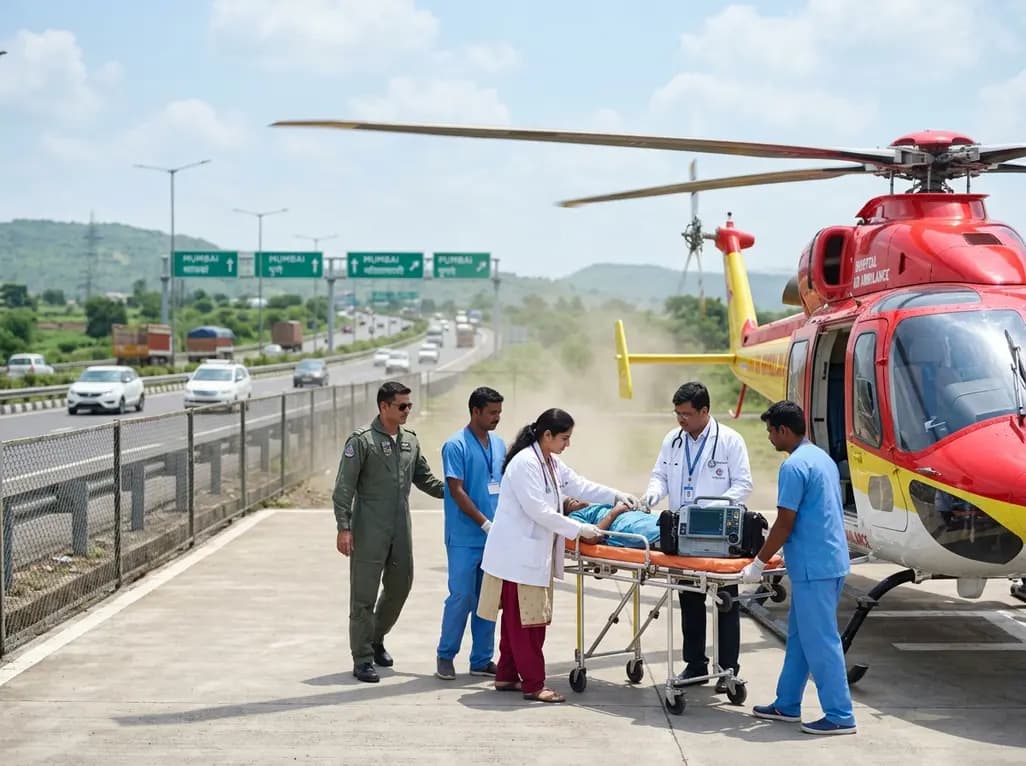
The state government is deploying helicopter emergency medical services across the Mumbai-Pune Expressway, Samruddhi Mahamarg, and Mumbai-Goa Highway. This initiative establishes unified standard operating procedures to enable rapid triage, advanced prehospital resuscitation, and seamless trauma care transfers.
Last week
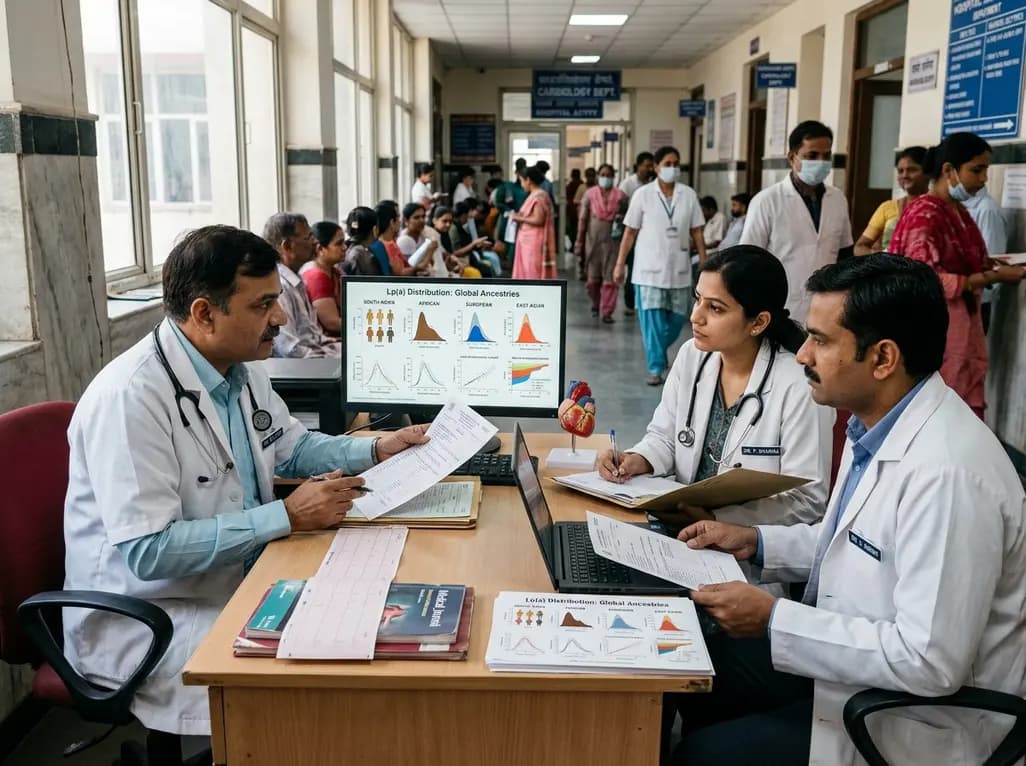
Atherosclerotic cardiovascular disease guidelines often rely on European-derived lipoprotein(a) cutoffs. However, baseline Lp(a) levels vary widely across ancestries, including South Asians and Africans. Clinicians must interpret Lp(a) values within overall absolute cardiovascular risk.
Last week
