

Loading, please wait...
Loading, please wait...

Creating a transparent healthcare culture requires clinicians to acknowledge clinical adverse events promptly. However, establishing reliable medical error reporting practices remains a multifaceted challenge across graduate medical education programs. Novice doctors frequently enter residency carrying distinct attitudes and communication norms formed during medical school. Recent evidence demonstrates that undergraduate training experiences directly shape how trainees respond when clinical mistakes happen. When students train in punitive environments, they often develop silence. Conversely, when institutions cultivate psychological safety, learners feel empowered to disclose near misses and medication missteps. Therefore, healthcare leaders must evaluate the profound educational foundation established during medical school. Understanding these early influences helps educators design interventions that improve transparency and safety.
Psychological safety represents a shared conviction that team members will not experience humiliation, punishment, or ostracism for speaking candidly. In clinical environments, this construct determines whether trainees voice critical concerns or conceal preventable mistakes. When incoming trainees perceive high psychological safety from prior training, their willingness to disclose personal blunders increases substantially. Furthermore, this positive outlook transcends routine clinical hierarchies and persists across multiple reporting levels. Trainees comfortably approach peers, attendings, and program directors. Consequently, psychological safety serves as a foundational pillar for comprehensive incident logging and constructive debriefing. In addition, transparent communication mitigates moral distress among novice clinicians. When faculty encourage dialogue without assigning blame, trainees view complications as learning opportunities. Thus, fostering interpersonal safety during undergraduate years equips young physicians with resilience and ethical integrity. Ultimately, academic medical institutions protect patient outcomes when they normalize constructive vulnerability and remove punitive barriers to transparent communication.
While formal lectures emphasize rigorous ethical standards, the informal clinical environment often imparts contradictory lessons. Medical educators designate these implicit behaviors, cultural attitudes, and unspoken institutional rituals as the hidden curriculum. Unfortunately, exposure to a harmful hidden curriculum routinely undermines student development and compromises safety culture. When clinicians mock trainees or dismiss protocol deviations, learners adopt self-protective silence. Consequently, medical students absorb tacit expectations that perfection is required and errors indicate professional weakness. When these individuals transition into residency roles, such negative lessons hinder transparent medical error reporting. Trainees frequently hesitate to report near-misses and minor oversights because they fear damaging supervisory evaluations. Furthermore, learners worry that disclosing small discrepancies to program directors will invite harsh institutional scrutiny. Therefore, the hidden curriculum generates an insidious culture of concealment that shields systemic vulnerabilities from necessary corrective action. To reverse this phenomenon, clinical faculty must model intellectual humility and transparent evaluation during rounds.
Resident physicians consistently evaluate the severity of clinical events before deciding whether to notify their institutional superiors. Evidence indicates that willingness to disclose mistakes varies significantly depending on event severity and the designated supervisory target. For instance, incoming residents demonstrate strong intentions to discuss self-performed major blunders because severe consequences demand immediate intervention. Conversely, reporting near-misses and minor events to senior figures like program directors often encounters noticeable resistance. Trainees worry that reporting non-injurious events might portray them as incompetent. In addition, witnessing a peer make an error introduces complex interpersonal loyalty dilemmas that frequently suppress formal documentation. When trainees observe a colleague stumble, they often choose informal peer conversations rather than institutional alerts. However, near-misses provide the most valuable diagnostic data for identifying latent operational hazards before patient harm occurs. Therefore, residency programs must demystify administrative reporting pathways and decouple adverse event tracking from resident performance appraisals. When academic hospitals establish frictionless, blame-free reporting systems, trainees report all categories of clinical variance with equal confidence.
Modern healthcare delivery involves complex environments where systemic oversights precipitate human error. Historically, medical education embraced a culture of individual infallibility that penalized clinicians for inevitable lapses in vigilance. Nevertheless, progressive healthcare organizations now recognize that individual blaming fails to rectify root institutional causes. Systems-based practice shifts the analytical focus from individual guilt toward faulty workflows, poor handoffs, and defective equipment. Furthermore, this systemic philosophy aligns directly with contemporary accreditation standards and clinical governance mandates worldwide. When faculty members reframe adverse incidents as system malfunctions, incoming residents feel psychologically unburdened and eager to collaborate. Moreover, teaching hospitals must replace intimidating morbidity and mortality conferences with constructive quality improvement forums. In these spaces, faculty and trainees collaboratively dissect process vulnerabilities without personal blame. Consequently, junior physicians realize that incident reporting helps administrators build safer clinical workflows. In addition, active participation in root cause analyses enhances diagnostic precision and clinical maturity among junior doctors. Thus, embracing modern human factors engineering dismantles punitive dogmas and reinforces a sustainable safety ethos.
Medical educators occupy a pivotal position in reshaping learner attitudes toward clinical transparency. Because incoming trainees carry behavioral impressions from medical school, residency programs must reset cultural norms during onboarding. For example, orientation programs should include interactive workshops that explicitly teach error disclosure, closed-loop communication, and team debriefing. Furthermore, supervising consultants must demonstrate vulnerability by openly discussing their own historical oversights. When junior trainees witness senior mentors discussing mistakes constructively, fear of professional judgment rapidly dissipates. In addition, institutions should establish anonymous or peer-supported reporting mechanisms that safeguard trainees from retaliatory evaluation penalties. Faculty development must train supervisors to respond to learner disclosures with curiosity rather than anger. Consequently, residents will perceive clinical leaders as trustworthy allies who prioritize patient wellbeing above institutional reputation. Therefore, clinical departments must regularly audit learner sentiment and psychological safety scores across all clinical rotations. Through intentional mentoring and robust structural protections, academic medical centers can establish an enduring culture of safety and excellence.
Psychological safety eliminates the pervasive fear of punitive retribution, public humiliation, or professional damage when medical trainees encounter unexpected clinical complications. Consequently, incoming residents who experience high psychological safety demonstrate significantly higher willingness to disclose personal mistakes and witnessed errors. This open dynamic enables prompt supervisory intervention, facilitates constructive root cause analyses, and prevents secondary patient harm while fostering emotional well-being and professional resilience throughout residency training.
The hidden curriculum conveys unspoken institutional expectations that mistake-making represents clinical incompetence or personal failure. When medical students witness senior clinicians dismiss protocol deviations or disparage colleagues who make mistakes, they learn to conceal minor discrepancies and near-misses. Consequently, incoming residents avoid reporting non-injurious events to supervising attendings and program directors, fearing adverse academic evaluations. This harmful dynamic leaves latent systemic vulnerabilities unaddressed, thereby increasing the risk of subsequent major medical errors.
Incoming residents frequently hesitate to report witnessed peer mistakes due to perceived peer loyalty, fear of social alienation, and ambiguous institutional reporting pathways. Trainees often worry that formal incident reporting will damage their colleagues' professional reputations or career trajectories. Therefore, junior doctors typically prefer informal, direct peer conversations rather than official institutional notification. Establishing non-punitive, blameless reporting protocols helps residents view reporting as an essential collaborative tool for system improvement rather than peer betrayal.
Disclaimer: This content is for informational and educational purposes only... Refer to the latest local and national guidelines for clinical practice.
References

Read summarized clinical updates, watch expert medical content, and earn CME certifications right from your smartphone.
Open your smartphone camera to scan and install.





A cross-sectional study of 738 incoming residents reveals that psychological safety and hidden curriculum experiences in medical school significantly influence error-reporting intentions during residency, highlighting the profound impact of undergraduate training culture on patient safety.
Yesterday
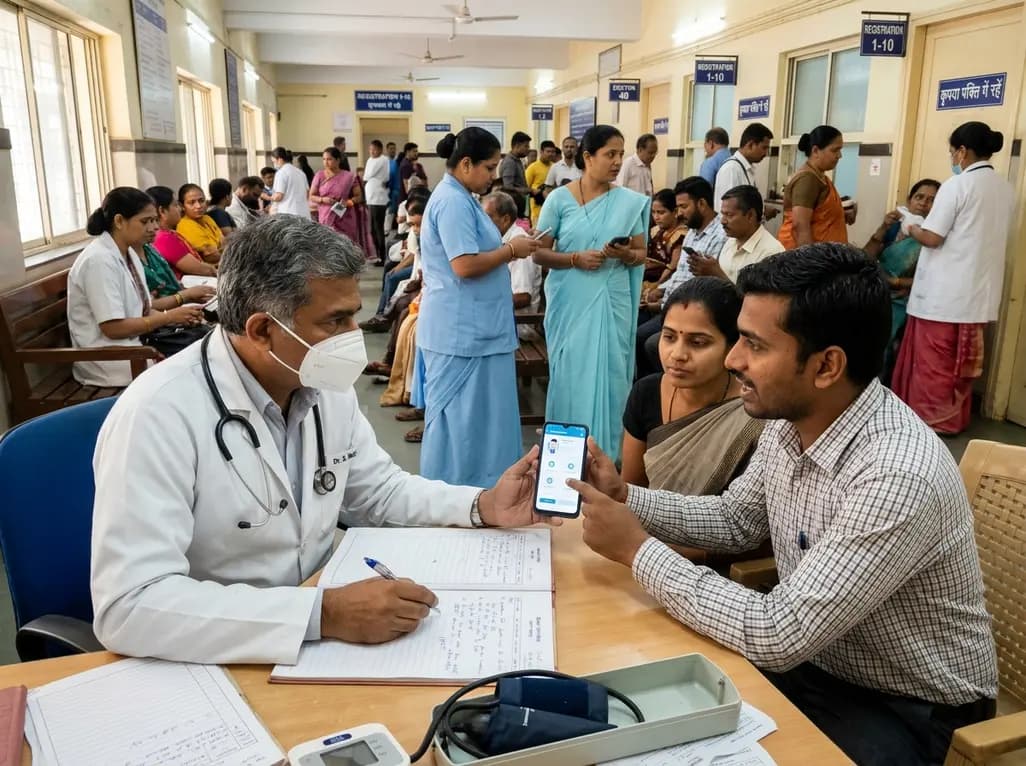
A recent Boston Consulting Group report shows 60 percent of Indian patients view digital sources as equivalent to doctor consultations. Clinicians must adapt to changing patient expectations regarding diagnostic clarity, price transparency, and rapid digital communication across clinical care pathways.
Yesterday
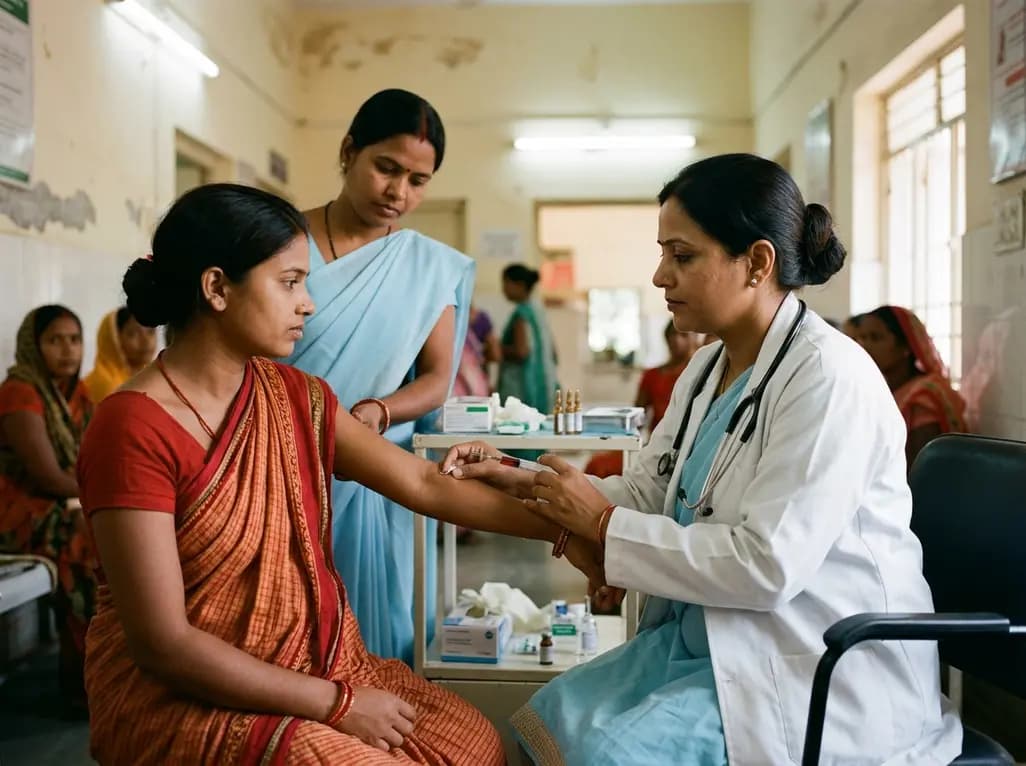
Maternal anaemia contributes to nearly half of pregnancy-related fatalities across India. To prevent complications, Uttar Pradesh has added single-dose parenteral iron to its essential medicines list. This clinical transition aims to restore haemoglobin rapidly and protect high-risk mothers across rural facilities.
last month
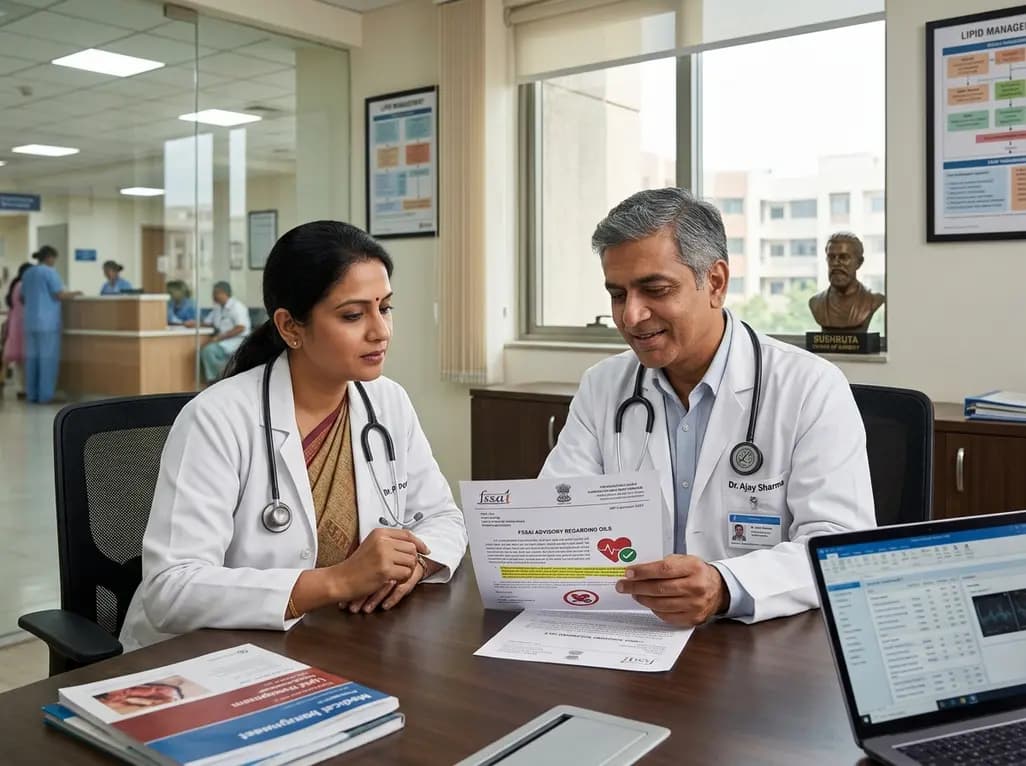
India's food safety authority FSSAI has issued show-cause notices to Gemini Edibles, BigBasket, and Flipkart for unpermitted cardiovascular claims regarding Freedom Rice Bran Oil. This regulatory move highlights the strict enforcement of advertising standards and the clinical necessity of evidence-based lipid care.
4 weeks back
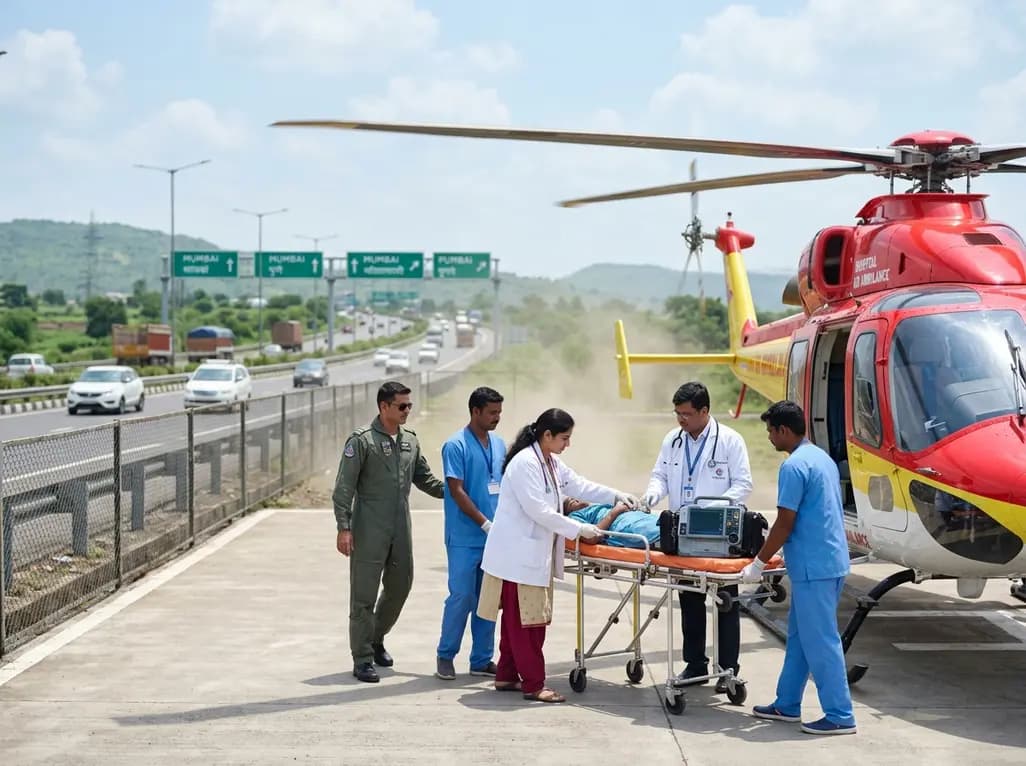
The state government is deploying helicopter emergency medical services across the Mumbai-Pune Expressway, Samruddhi Mahamarg, and Mumbai-Goa Highway. This initiative establishes unified standard operating procedures to enable rapid triage, advanced prehospital resuscitation, and seamless trauma care transfers.
4 weeks back
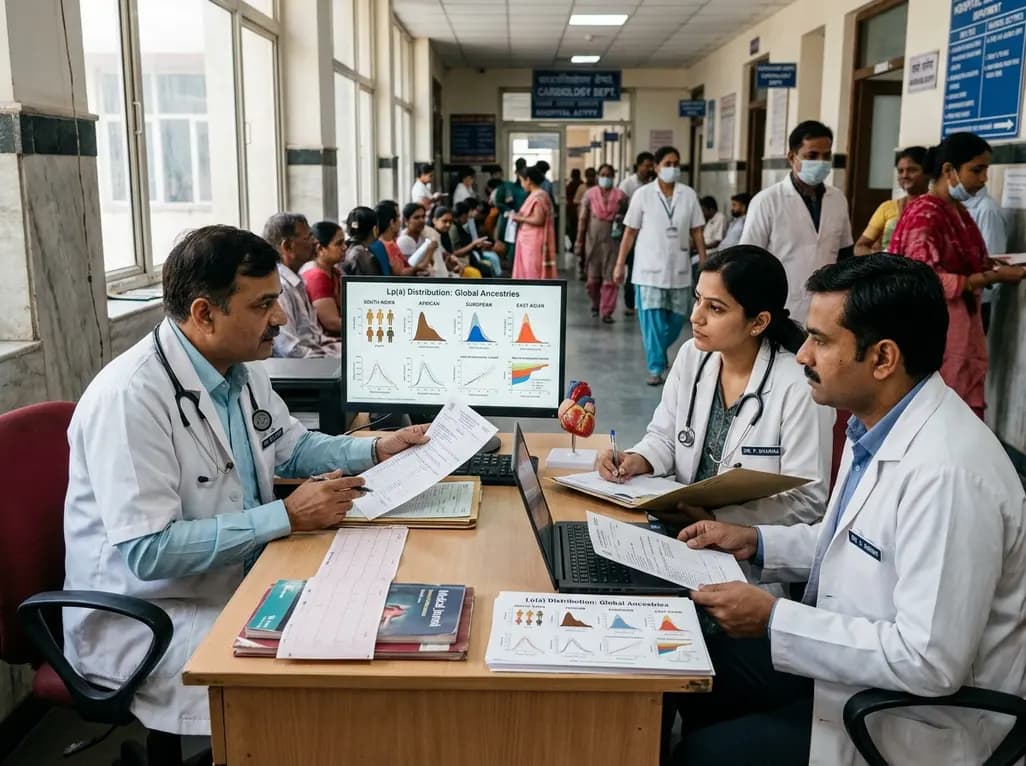
Atherosclerotic cardiovascular disease guidelines often rely on European-derived lipoprotein(a) cutoffs. However, baseline Lp(a) levels vary widely across ancestries, including South Asians and Africans. Clinicians must interpret Lp(a) values within overall absolute cardiovascular risk.
last month
