.webp&w=384&q=75)

Loading, please wait...
Loading, please wait...
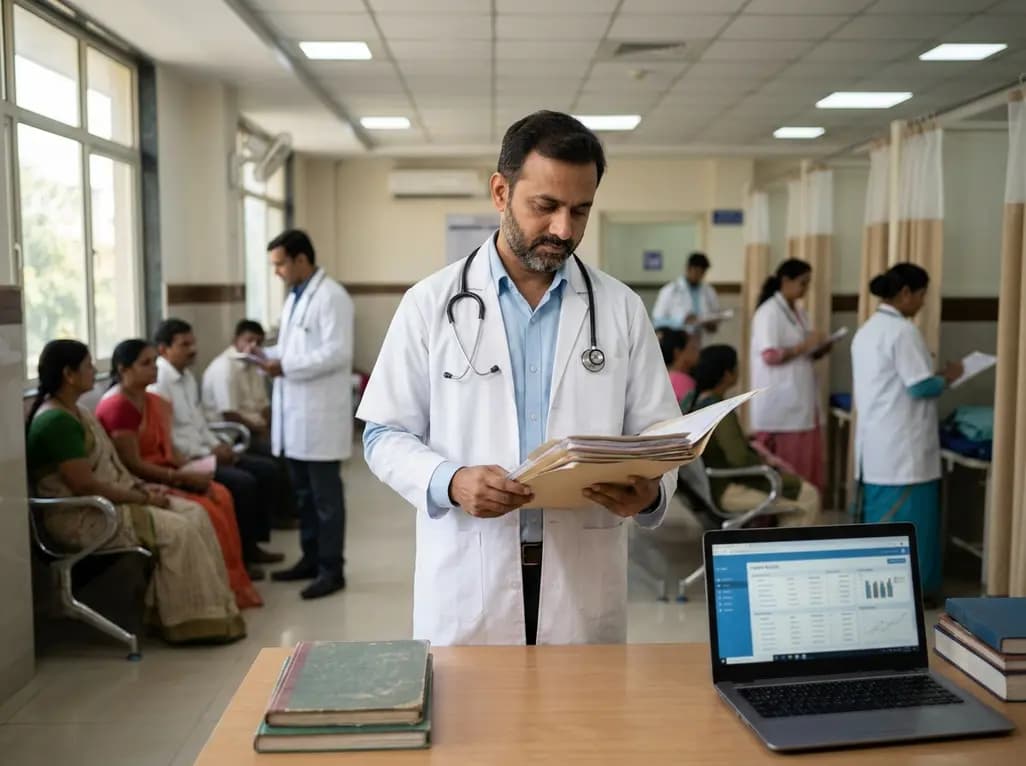
A recent study highlights a stark disparity in medical research in India, showing that private healthcare facilities publish very little. Despite handling over sixty percent of the country's patient load, these institutions contribute minimally to scientific literature. Consequently, researchers neglect vast amounts of clinical data from Indian patients instead of using them to advance medical science.
The study analyzed publication data across five years from Scopus, PubMed, and Google Scholar databases. Therefore, it provides a comprehensive overview of research output. Non-academic private hospitals produced fewer than ten publications annually on average. However, institutions attached to medical colleges performed significantly better. For instance, the top fifty medical college hospitals averaged over fifteen hundred publications, led by AIIMS Delhi and CMC Vellore. Meanwhile, the top fifty private hospitals without medical colleges averaged only 242 papers.
To improve medical research in India, we must address the root causes of this neglect. Currently, global peers significantly outperform Indian institutions. For example, top medical centers in China, the US, and the UK publish over ten thousand papers annually. Corporate priorities in Indian private healthcare focus heavily on shareholder profits. As a result, research and education receive very little funding or attention. Additionally, a lack of electronic hardware and research incentives further discourages doctors from publishing.
Q1: Why is research output low in private Indian hospitals?
Many private hospitals are run by corporate entities focused on commercial profitability. Thus, they do not prioritize research or provide incentives and infrastructure for doctors to publish.
Q2: How does India compare globally in medical research?
India ranks fourth globally in research quantity but drops to ninth in quality. This indicates that Indian papers have lower global impact and citations compared to those from the US, China, or the UK.
Disclaimer: This content is for informational and educational purposes only. It does not constitute medical advice or replace professional judgment. Refer to the latest local and national guidelines for clinical practice.
References

Read summarized clinical updates, watch expert medical content, and earn CME certifications right from your smartphone.
Open your smartphone camera to scan and install.





A five-year study reveals a severe lack of research in India's private hospitals, which handle 60% of patients. While top medical colleges publish thousands of papers, corporate hospitals fall behind due to profit priorities and a lack of research incentives, neglecting vast clinical data.
4 months ago
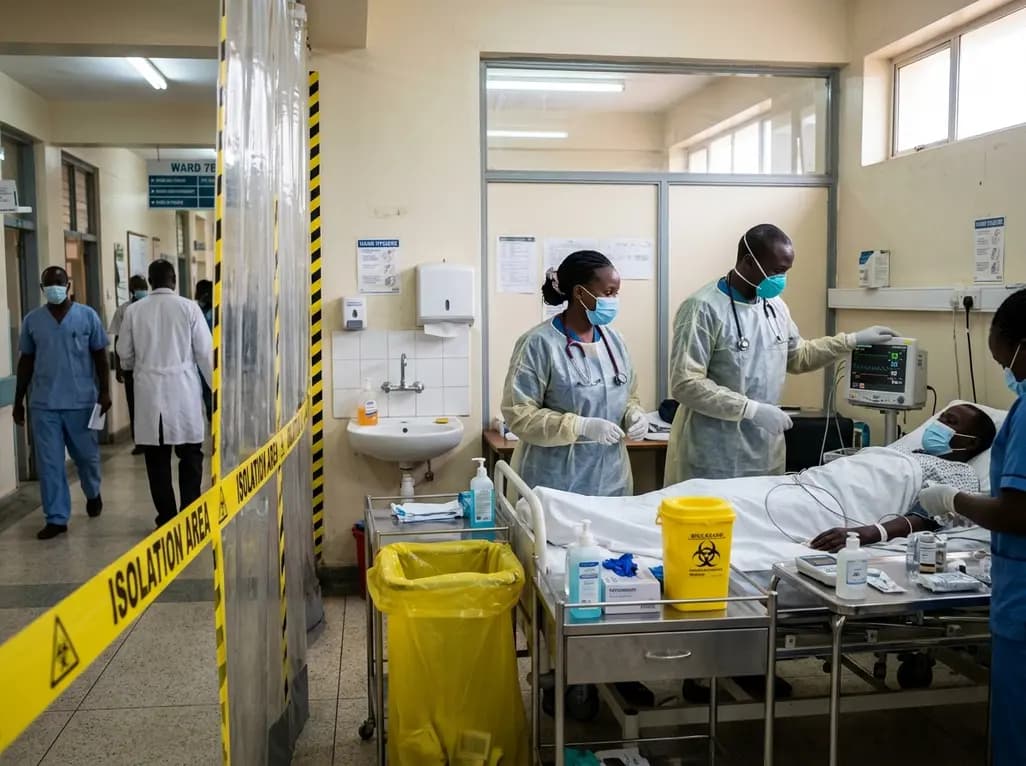
Kenya's confirmation of its eighth Ebola infection highlights the acute risk of secondary transmission in hospital environments. Clinicians must maintain high vigilance, enforce strict infection prevention protocols, and implement rapid triage mechanisms for viral hemorrhagic fevers across healthcare settings.
4 days back
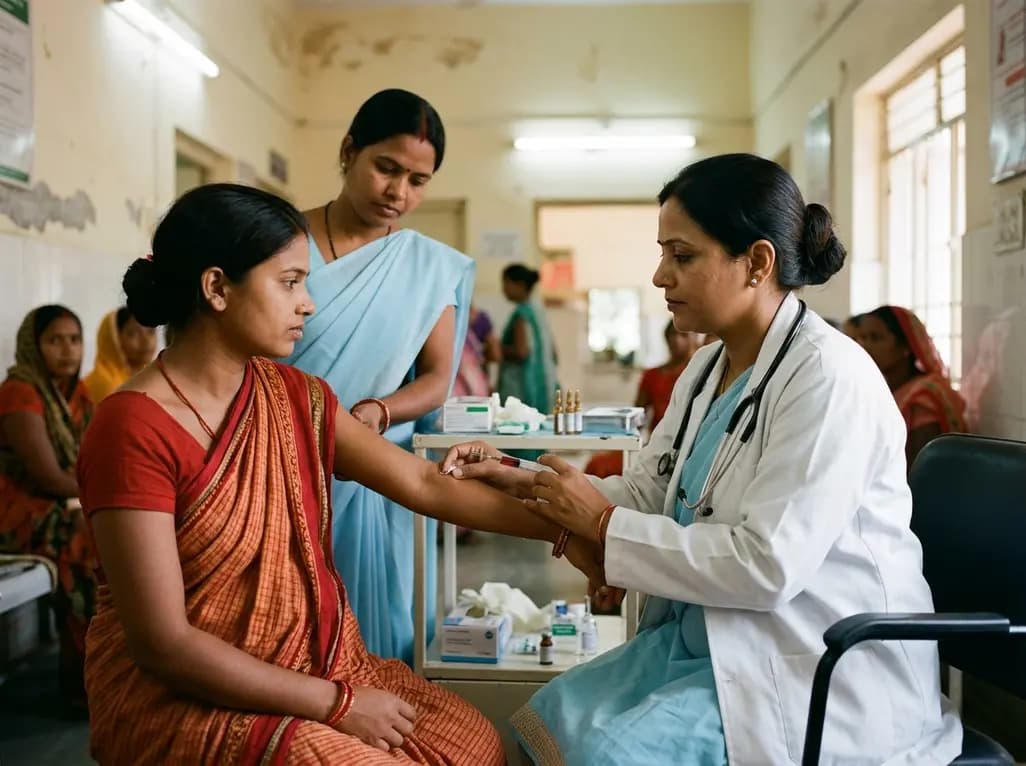
Maternal anaemia contributes to nearly half of pregnancy-related fatalities across India. To prevent complications, Uttar Pradesh has added single-dose parenteral iron to its essential medicines list. This clinical transition aims to restore haemoglobin rapidly and protect high-risk mothers across rural facilities.
Last week
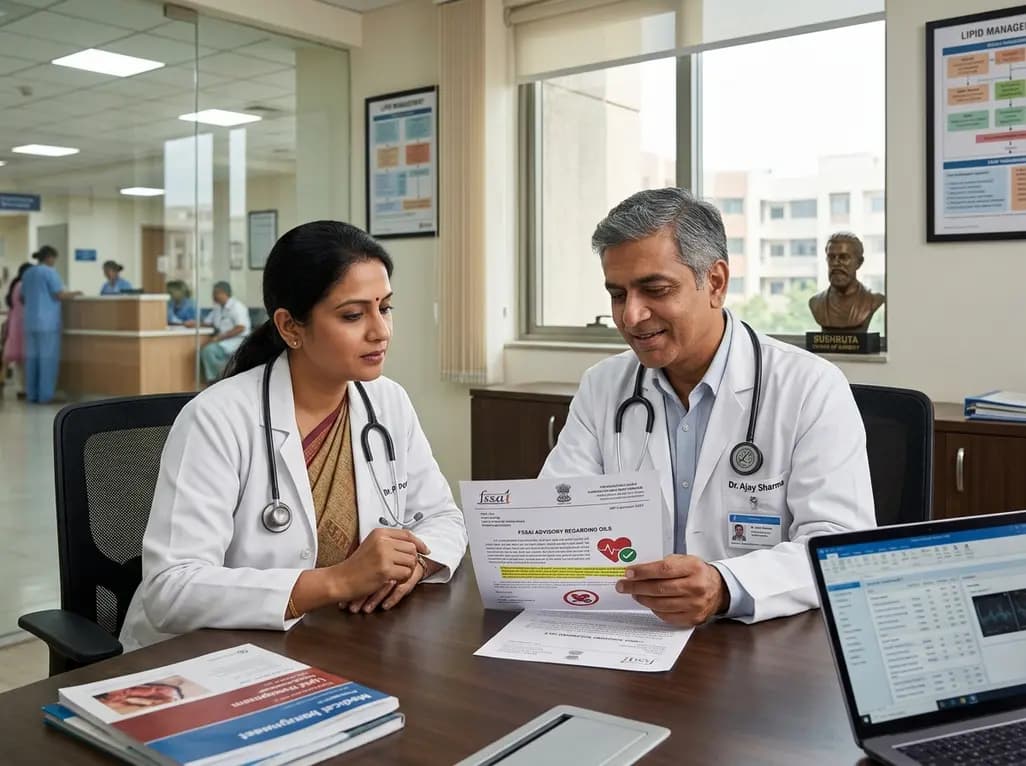
India's food safety authority FSSAI has issued show-cause notices to Gemini Edibles, BigBasket, and Flipkart for unpermitted cardiovascular claims regarding Freedom Rice Bran Oil. This regulatory move highlights the strict enforcement of advertising standards and the clinical necessity of evidence-based lipid care.
6 days back

The state government is deploying helicopter emergency medical services across the Mumbai-Pune Expressway, Samruddhi Mahamarg, and Mumbai-Goa Highway. This initiative establishes unified standard operating procedures to enable rapid triage, advanced prehospital resuscitation, and seamless trauma care transfers.
Last week
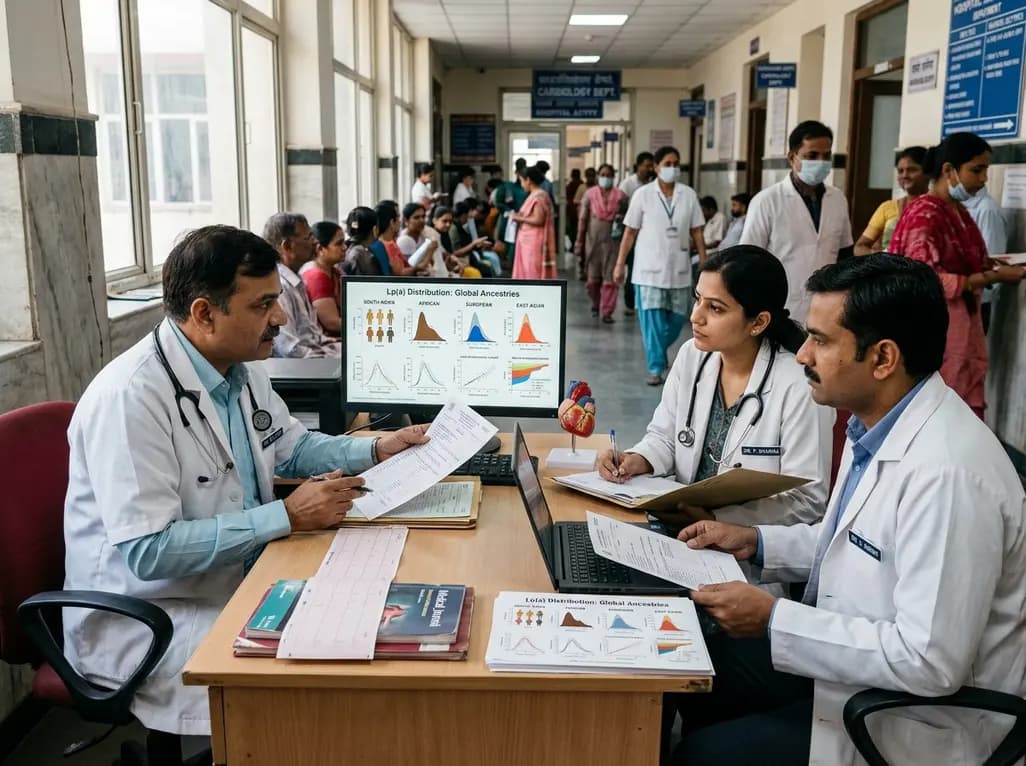
Atherosclerotic cardiovascular disease guidelines often rely on European-derived lipoprotein(a) cutoffs. However, baseline Lp(a) levels vary widely across ancestries, including South Asians and Africans. Clinicians must interpret Lp(a) values within overall absolute cardiovascular risk.
Last week
