.webp&w=384&q=75)

Loading, please wait...
Loading, please wait...

The healthcare landscape in South India is witnessing rapid growth. Specifically, the latest Manipal Health expansion in Bengaluru highlights how top operators are scaling up clinical infrastructure. Under a new long-term lease agreement, the hospital group has secured a prime standalone building. Consequently, this move will enhance local tertiary care capabilities.
The new building covers an impressive 240,000 square feet. Consequently, this facility will accommodate advanced medical departments and diagnostics. The company will pay an initial monthly rent of Rs 1.37 crore. Additionally, they provided a security deposit of Rs 16.42 crore to lock in this prime healthcare real estate. The developer built this structure according to customized hospital specifications. Therefore, Manipal Health can begin immediate operations after installing its specialized equipment. This setup avoids the lengthy timelines of new construction projects.
Historically, Indian hospital chains preferred owning their properties. However, intense competition for prime urban locations has changed this trend. Today, top providers utilize long-term leases to expand their footprints. This approach allows companies to deploy capital into medical technology instead of real estate. Furthermore, leasing reduces the heavy debt burden associated with land acquisition. Meanwhile, the strategy ensures long-term business certainty for operators. Ultimately, clinicians benefit because they receive access to state-of-the-art facilities much faster. Patients also gain easier access to high-quality tertiary care nearby.
Q1: What are the core details of the Bengaluru hospital lease?
The lease spans nearly 30 years with an initial monthly rent of Rs 1.37 crore. Additionally, the company provided a security deposit of Rs 16.42 crore for the Konankunte facility.
Q2: Why do modern healthcare operators prefer leasing over buying properties?
Leasing allows companies to deploy capital directly into advanced medical equipment. Consequently, they can enter key markets rapidly without taking on heavy real estate debt.
Disclaimer: This content is for informational and educational purposes only. It does not constitute medical advice or replace professional judgment. Refer to the latest local and national guidelines for clinical practice.
References

Read summarized clinical updates, watch expert medical content, and earn CME certifications right from your smartphone.
Open your smartphone camera to scan and install.





Manipal Health Enterprises has leased a 240,000 sq ft building in Bengaluru for nearly 30 years. This strategic transaction highlights an industry shift toward asset-light expansion models to meet rising regional tertiary healthcare demands.
4 months ago
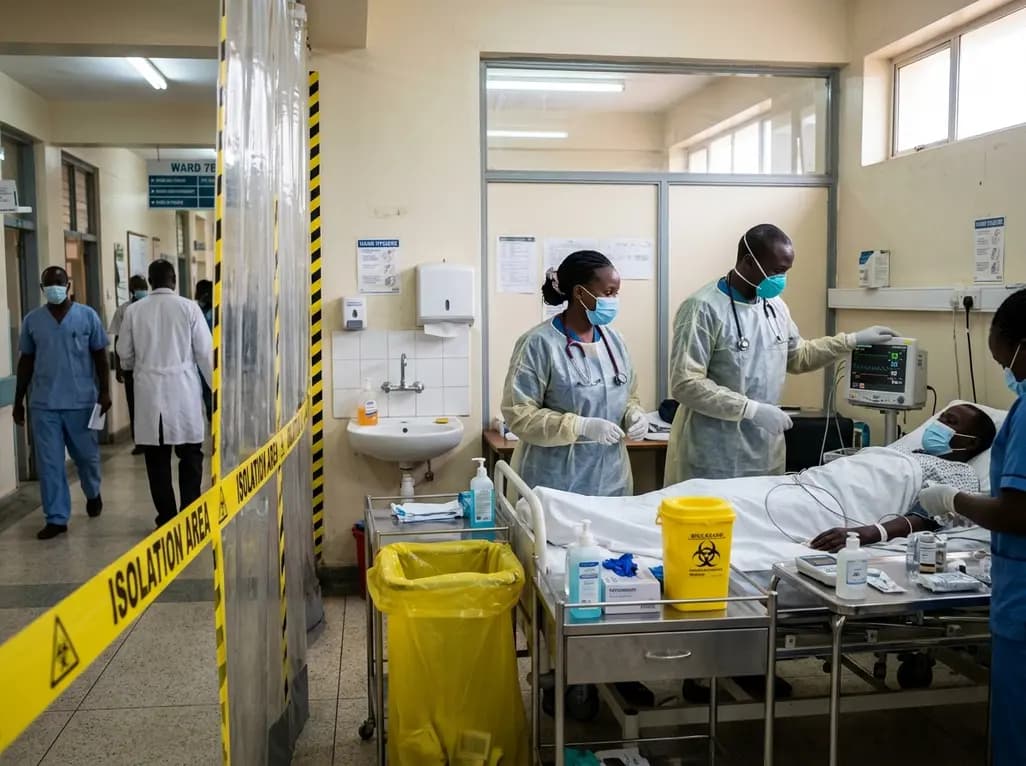
Kenya's confirmation of its eighth Ebola infection highlights the acute risk of secondary transmission in hospital environments. Clinicians must maintain high vigilance, enforce strict infection prevention protocols, and implement rapid triage mechanisms for viral hemorrhagic fevers across healthcare settings.
4 days back
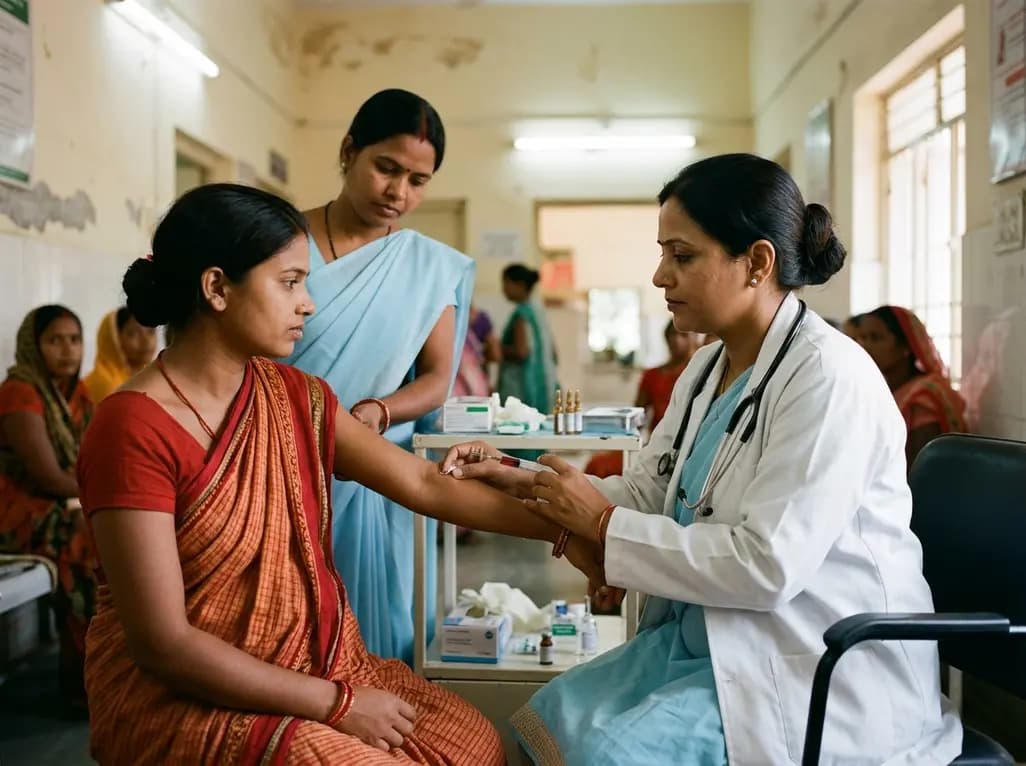
Maternal anaemia contributes to nearly half of pregnancy-related fatalities across India. To prevent complications, Uttar Pradesh has added single-dose parenteral iron to its essential medicines list. This clinical transition aims to restore haemoglobin rapidly and protect high-risk mothers across rural facilities.
Last week
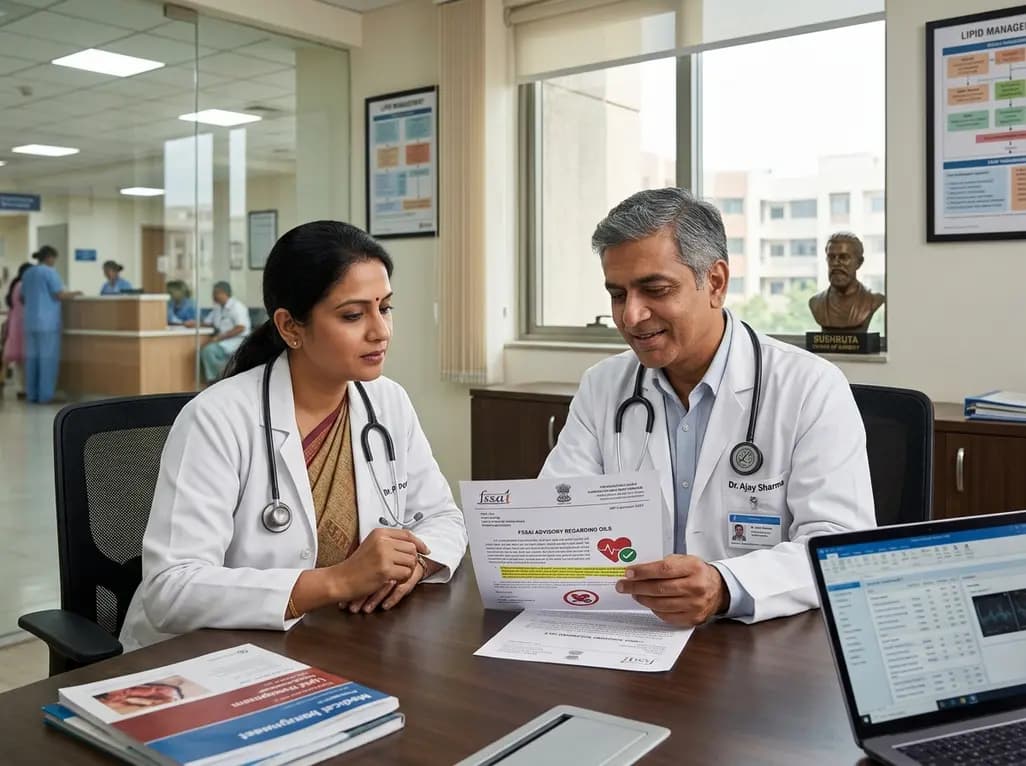
India's food safety authority FSSAI has issued show-cause notices to Gemini Edibles, BigBasket, and Flipkart for unpermitted cardiovascular claims regarding Freedom Rice Bran Oil. This regulatory move highlights the strict enforcement of advertising standards and the clinical necessity of evidence-based lipid care.
6 days back
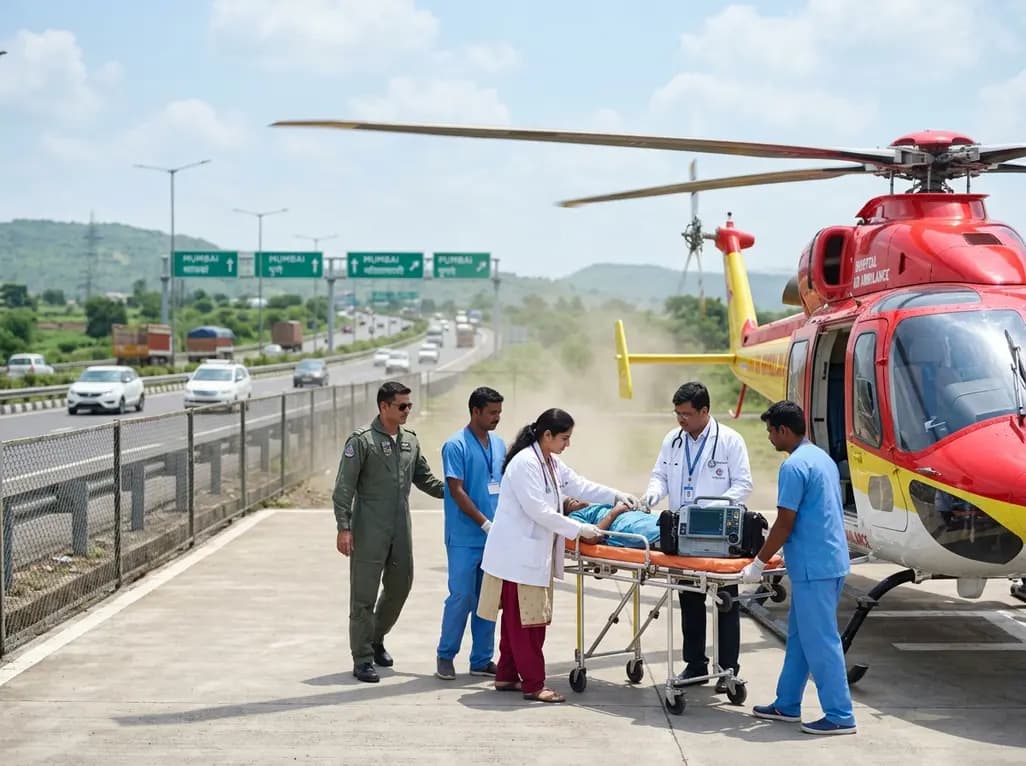
The state government is deploying helicopter emergency medical services across the Mumbai-Pune Expressway, Samruddhi Mahamarg, and Mumbai-Goa Highway. This initiative establishes unified standard operating procedures to enable rapid triage, advanced prehospital resuscitation, and seamless trauma care transfers.
Last week
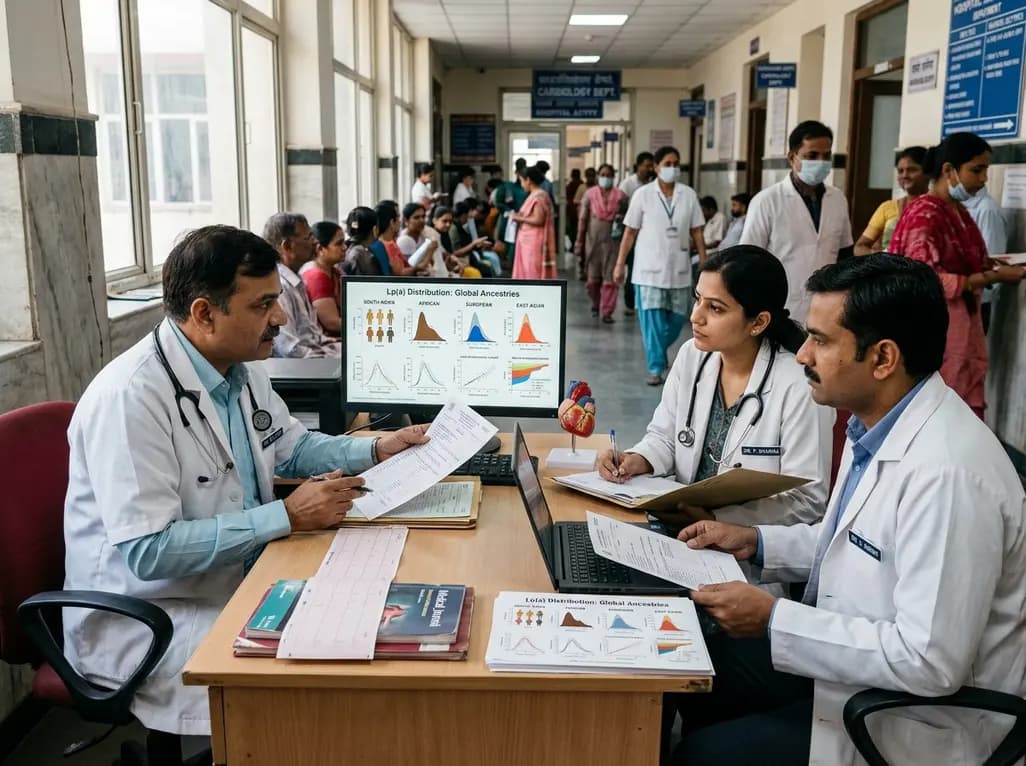
Atherosclerotic cardiovascular disease guidelines often rely on European-derived lipoprotein(a) cutoffs. However, baseline Lp(a) levels vary widely across ancestries, including South Asians and Africans. Clinicians must interpret Lp(a) values within overall absolute cardiovascular risk.
Last week
