.webp&w=384&q=75)

Loading, please wait...
Loading, please wait...

India's healthcare sector is currently experiencing a massive shift in how services are delivered and funded. Consequently, traditional health insurance systems often treat medical claims as low-probability events, leading to severe friction. Specifically, Narayana Health is actively betting on a pioneering managed care model to resolve this conflict. Ultimately, by aligning hospital services directly with insurance coverage, this approach prioritizes proactive patient care over claim rejections.
Traditionally, insurers and hospitals operate as entirely separate entities with conflicting motivations. For example, insurance companies look to minimize claim payouts to protect their profit margins. Conversely, healthcare providers focus entirely on delivering necessary clinical care to their patients. Consequently, this disconnect peaked significantly in 2025, leaving many patients caught in bureaucratic disputes.
However, the integrated care model that Narayana Health proposes completely shifts this dynamic. Specifically, under this system, a single healthcare institution controls both the payer and the provider. Therefore, the hospital has no incentive to argue with its own insurance division over treatment costs. Furthermore, this structural alignment ensures that patients experience seamless, cashless hospital discharges without administrative delays.
Indeed, to maintain financial viability under low premiums, the model focuses heavily on preventive healthcare. For instance, the program actively encourages policyholders to undergo regular diagnostic check-ups at no additional cost. Moreover, by identifying clinical issues early, doctors can provide timely consultations before conditions worsen. Consequently, early intervention prevents expensive, high-risk surgical procedures that drive up overall claims.
However, this frictionless experience relies heavily on the patient staying within the designated hospital network. For example, if a policyholder seeks out-of-network care while traveling, standard industry rules will apply. Thus, strictly centralizing care optimizes the primary value of this model. Additionally, the company is leveraging artificial intelligence to build patient-facing bots that explain complex policy conditions.
Currently, a major challenge in the insurance sector is the slow adoption of the National Health Claims Exchange. Indeed, while organized hospital chains are signing up, most unorganized facilities lack the necessary technology. Specifically, small nursing homes and rural clinics rarely possess advanced hospital information systems or billing software.
Consequently, expecting the entire healthcare sector to instantly transition into a highly digitized financial ecosystem is highly unrealistic. Furthermore, digital platforms do not automatically resolve hospital-insurer disputes; they merely shift those arguments to online channels. Therefore, industry leaders argue that structural alignment, rather than pure technology, is the key to minimizing operational friction.
Q1: What is a managed care model in health insurance?
A1: A managed care model integrates both the healthcare provider and the insurance payer under a single organization. Therefore, it eliminates the traditional friction and conflicting motivations between hospitals and insurers, leading to smoother claim approvals.
Q2: How does Narayana Health encourage preventive healthcare under its model?
A2: Specifically, the insurer offers complimentary diagnostics and primary consultations to policyholders. Consequently, detecting health issues early allows doctors to intervene proactively, reducing the need for expensive, late-stage procedures.
Q3: Why are many Indian hospitals slow to adopt the National Health Claims Exchange (NHCX)?
A3: Currently, the unorganized sector makes up over 90% of healthcare facilities in India, and many lack standard billing software. Thus, these smaller clinics face major technological gaps that hinder digital integration.
Disclaimer: This content is for informational and educational purposes only. It does not constitute medical advice or replace professional judgment. Refer to the latest local and national guidelines for clinical practice.
References

Read summarized clinical updates, watch expert medical content, and earn CME certifications right from your smartphone.
Open your smartphone camera to scan and install.





Narayana Health's Viren Prasad Shetty explains how transitioning from a traditional health insurance system to a managed care model can resolve hospital-insurer friction, improve clinical coordination, and ensure transparent, proactive patient care across India.
4 months ago
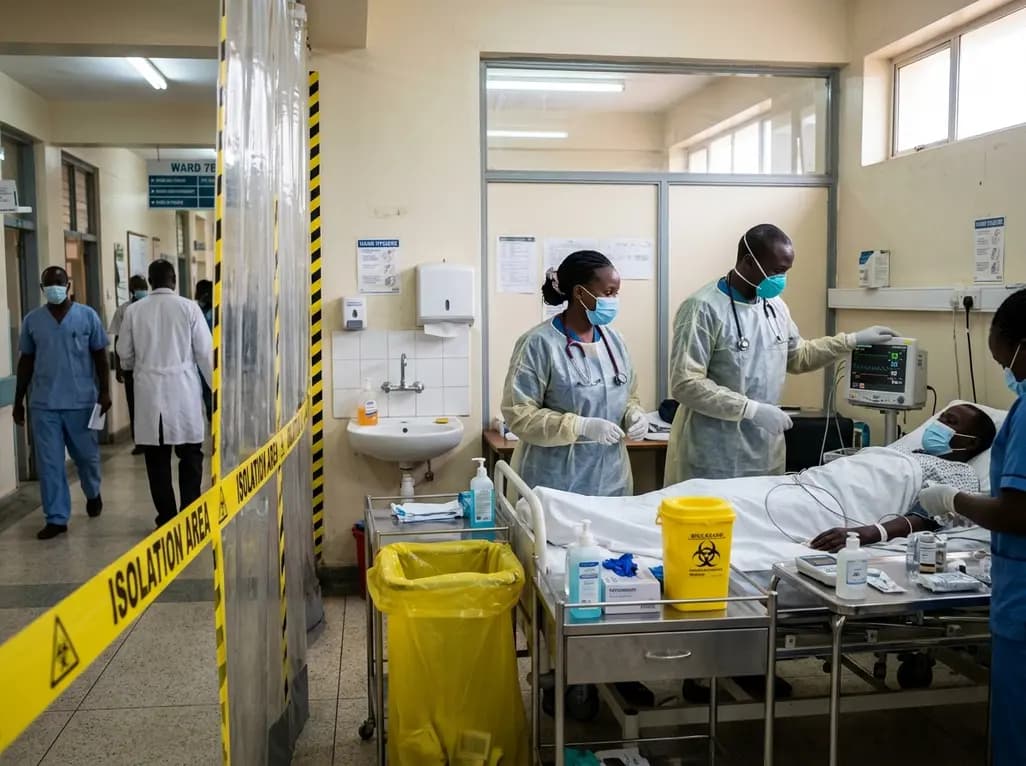
Kenya's confirmation of its eighth Ebola infection highlights the acute risk of secondary transmission in hospital environments. Clinicians must maintain high vigilance, enforce strict infection prevention protocols, and implement rapid triage mechanisms for viral hemorrhagic fevers across healthcare settings.
4 days back
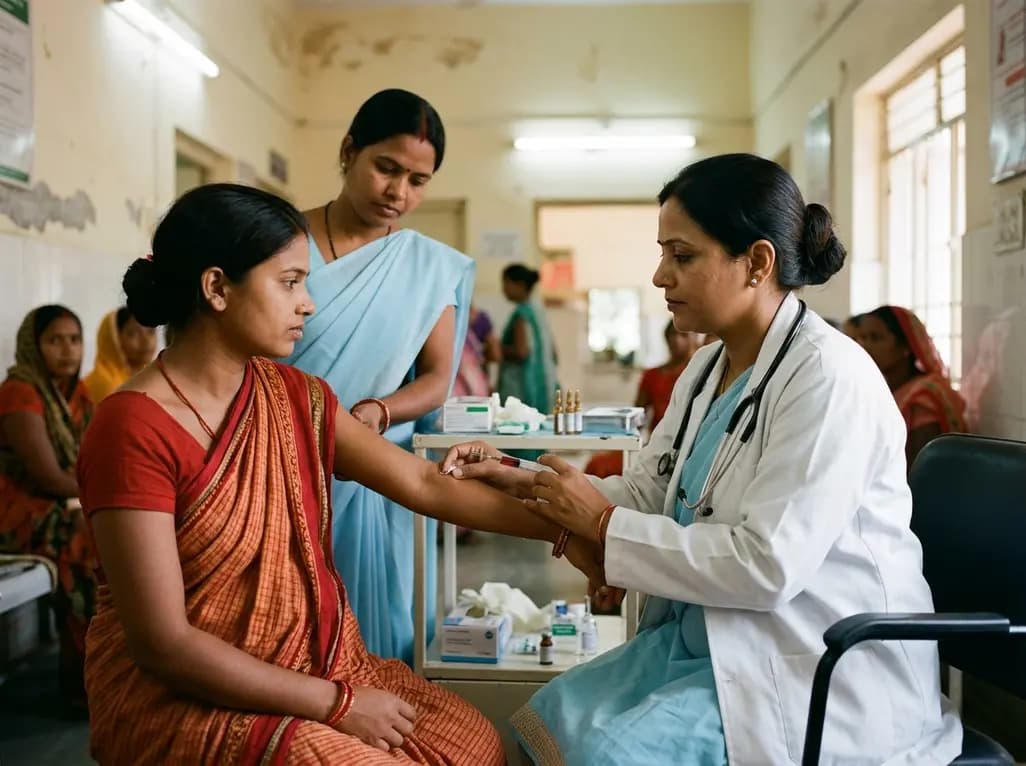
Maternal anaemia contributes to nearly half of pregnancy-related fatalities across India. To prevent complications, Uttar Pradesh has added single-dose parenteral iron to its essential medicines list. This clinical transition aims to restore haemoglobin rapidly and protect high-risk mothers across rural facilities.
Last week
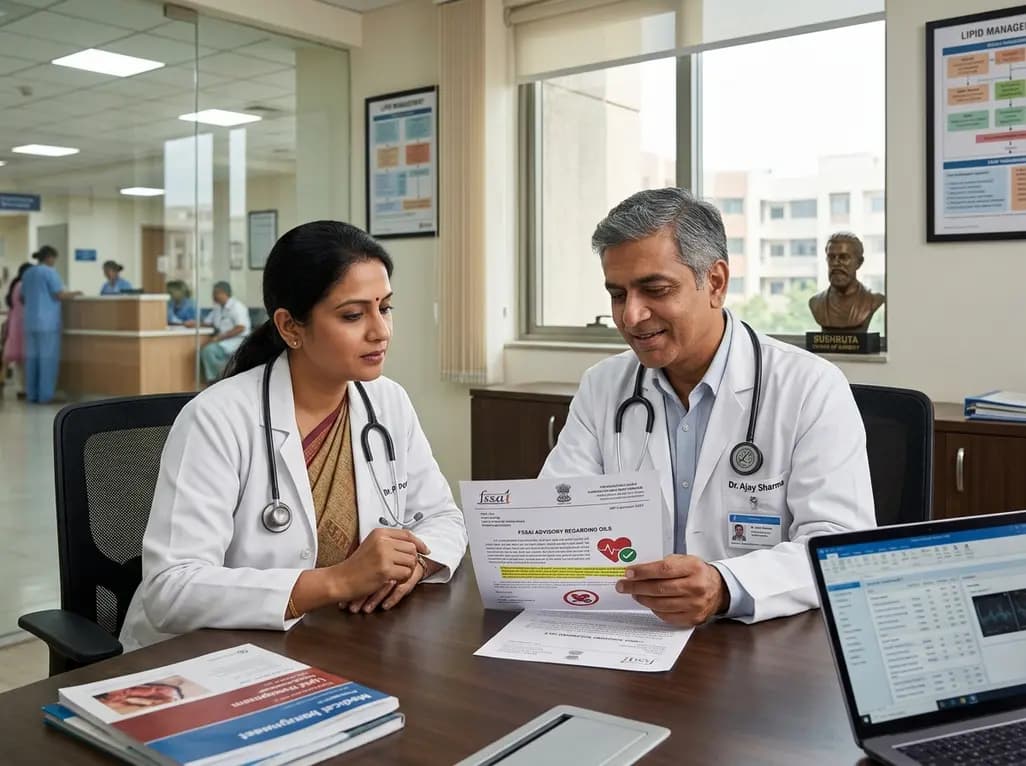
India's food safety authority FSSAI has issued show-cause notices to Gemini Edibles, BigBasket, and Flipkart for unpermitted cardiovascular claims regarding Freedom Rice Bran Oil. This regulatory move highlights the strict enforcement of advertising standards and the clinical necessity of evidence-based lipid care.
6 days back
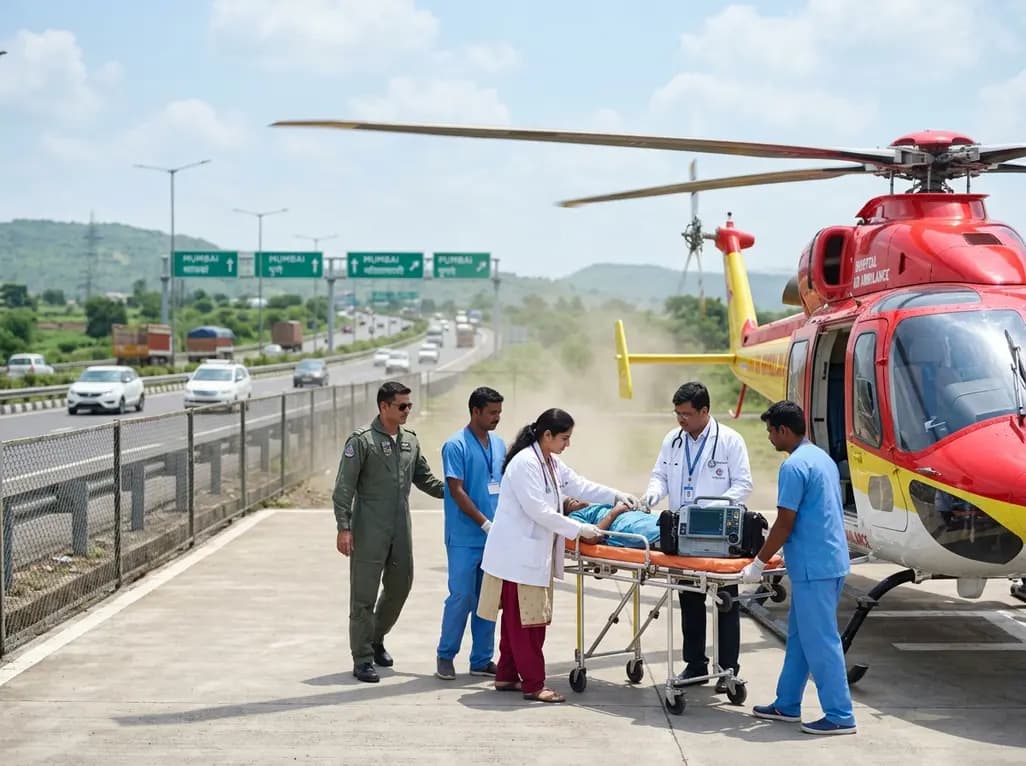
The state government is deploying helicopter emergency medical services across the Mumbai-Pune Expressway, Samruddhi Mahamarg, and Mumbai-Goa Highway. This initiative establishes unified standard operating procedures to enable rapid triage, advanced prehospital resuscitation, and seamless trauma care transfers.
Last week
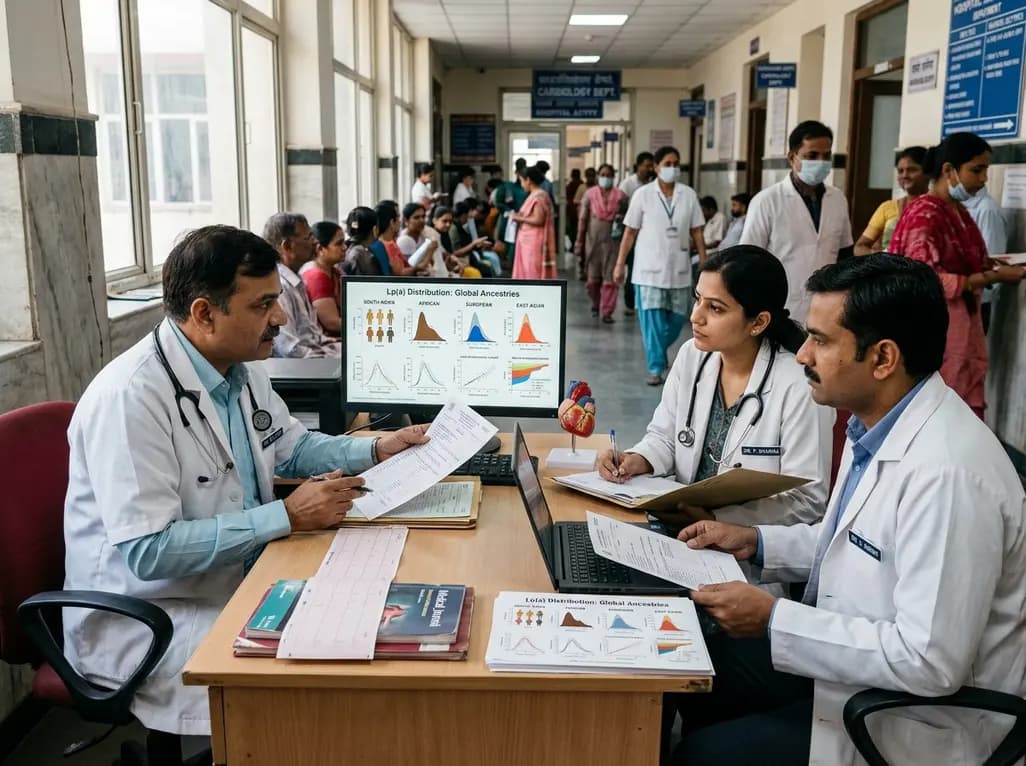
Atherosclerotic cardiovascular disease guidelines often rely on European-derived lipoprotein(a) cutoffs. However, baseline Lp(a) levels vary widely across ancestries, including South Asians and Africans. Clinicians must interpret Lp(a) values within overall absolute cardiovascular risk.
Last week
