.webp&w=384&q=75)

Loading, please wait...
Loading, please wait...
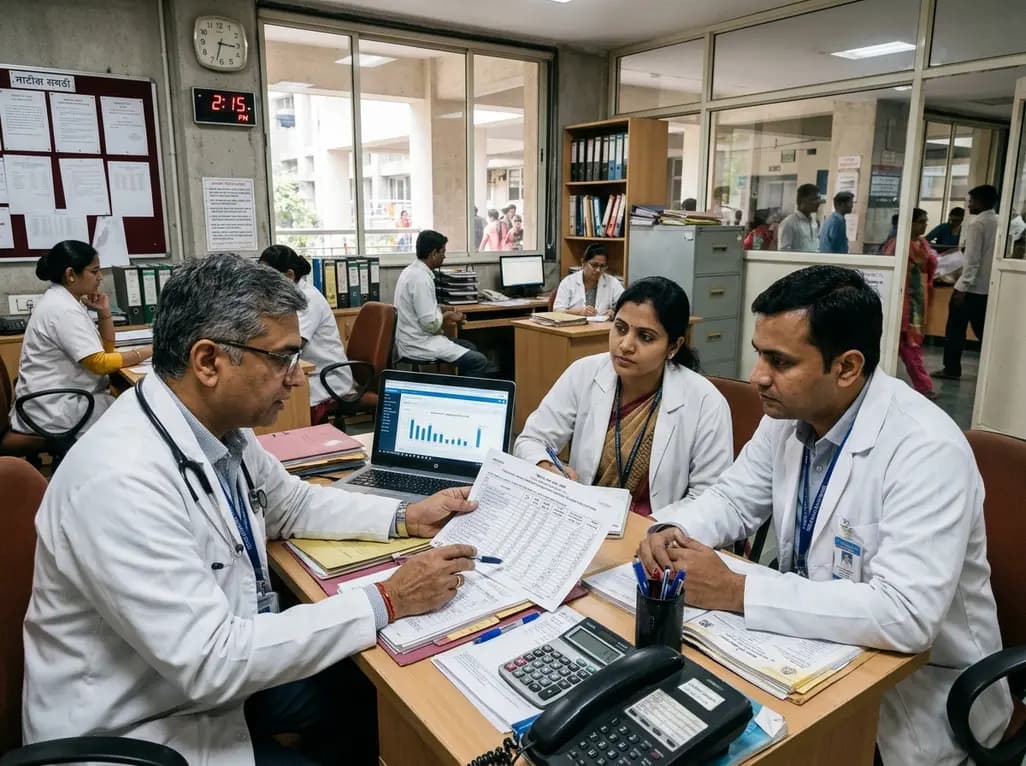
The Maharashtra state government recently ordered a high-level probe into public healthcare schemes after discovering widespread irregularities. Officials identified over 15,400 suspicious health insurance claims processed between 2024 and 2026 under state-sponsored programs. Consequently, Chief Minister Devendra Fadnavis directed the creation of a Special Investigation Team to inspect these claims. The state health administration initially instructed local civil surgeons to perform physical verifications. However, regional authorities soon discovered that the fraudulent practices extended across multiple administrative districts. Therefore, a centralized state committee became necessary to conduct a thorough financial and clinical investigation.
The state government flagged 15,407 suspicious health insurance claims during preliminary administrative reviews. Specifically, these questionable transactions originated under the Ayushman Bharat-Pradhan Mantri Jan Arogya Yojana and Mahatma Jyotirao Phule Jan Arogya Yojana. Initial inspections revealed that irregularities spanned several districts across Maharashtra. Consequently, state officials realized that district-level teams could not handle such a broad investigation alone. Nashik Divisional Commissioner Pravin Gedam will lead the newly formed Special Investigation Team. Furthermore, the committee includes key administrative officers, medical specialists, and law enforcement personnel. The Public Health Department deputy secretary will serve as member secretary for the team. Meanwhile, expert doctors from the Medical Education Department will evaluate clinical records during audits. The primary goal remains to uncover deliberate financial malpractices while preserving system integrity. In addition, the panel will identify operational weaknesses within the claim submission pipeline. Thus, the administration aims to hold dishonest medical providers accountable while protecting genuine patients who rely on government healthcare support.
The Special Investigation Team holds a broad mandate to examine diverse types of healthcare fraud. Specifically, investigators will scrutinize fake billing, medically unnecessary surgical procedures, and inflated treatment claims. Furthermore, the panel will review irregularities during hospital empanelment and renewal processes. Dishonest actors often manipulate empanelment guidelines to gain unauthorized access to public funds. Additionally, investigators will look into unauthorized middlemen who register patients using fake credentials. In many instances, brokers created multiple patient registrations linked to a single mobile number or identity document. Consequently, the team will evaluate potential collusion among district coordinators, third-party administrative agencies, and empanelled facilities. High-value claims will undergo detailed clinical verification by medical specialists. Moreover, investigators will cross-check electronic records with physical hospital logs to confirm actual patient admissions. Thus, the government seeks to eliminate fraudulent reimbursement requests across all empanelled private and public hospitals.
To enhance the audit process, the state government plans to leverage modern technology. Chief Minister Devendra Fadnavis announced that authorities will analyze nearly 1.3 million historical claims using artificial intelligence and advanced data science. Consequently, algorithmic systems will identify unusual billing patterns, sudden surges in specific surgeries, and duplicate claims. Furthermore, the Maharashtra Cyber Police will join the investigation to tackle digital health insurance fraud. Cyber officers will inspect server logs, payment portals, and electronic document submissions. Additionally, dedicated fraud prevention units will operate in every district to track real-time claim data. Thus, technology will complement physical audits conducted by civil surgeons and medical inspectors. By linking district monitoring dashboards to a central database, the state can flag suspicious transactions immediately. Therefore, early detection algorithms will stop fraudulent payouts before money leaves public coffers. In addition, digital oversight will create a permanent audit trail for future judicial proceedings against offenders.
The Ayushman Bharat-Pradhan Mantri Jan Arogya Yojana and Mahatma Jyotirao Phule Jan Arogya Yojana form the cornerstone of Maharashtra's public health safety net. Together, these integrated schemes offer cashless coverage up to five lakh rupees per family annually for secondary and tertiary treatments. Consequently, millions of low-income families depend heavily on these welfare programs during medical emergencies. However, fraudulent health insurance claims divert critical public funds away from vulnerable patients. When unscrupulous facilities submit fake billing claims, they drain resources meant for life-saving treatments. Therefore, eliminating systemic leakages remains essential to maintain financial sustainability. Furthermore, the state government emphasized that genuine beneficiaries should experience no disruption in accessing medical care during the ongoing probe. Empanelled hospitals that maintain transparent clinical practices will continue receiving reimbursement smoothly. However, facilities engaging in malpractice face immediate cancellation of empanelment and strict legal action. Ultimately, preserving public trust in state-funded health insurance schemes remains the government's primary objective.
The state government instructed the Special Investigation Team to complete its inquiry quickly. Specifically, the panel must submit its final report to authorities within thirty days of formation. Furthermore, the State Health Assurance Society will supply full administrative support, technical infrastructure, and operational funding. Besides identifying guilty parties, the committee must recommend comprehensive administrative reforms to plug systemic loopholes. Consequently, the government plans to update empanelment protocols, claim pre-authorization workflows, and field verification routines. Moreover, officials will establish stricter credentials verification for third-party administrators and district coordinators. The state administration assured the public that misappropriated funds would be recovered through legal asset seizures. In addition, law enforcement agencies have already registered formal criminal cases against several non-compliant healthcare facilities. Thus, Maharashtra aims to build an airtight healthcare governance system that deters future financial misconduct. By enforcing rigorous accountability measures, the state reinforces its commitment to transparent public healthcare delivery.
Q1: What prompted the formation of the SIT in Maharashtra?
A preliminary administrative audit uncovered over 15,400 suspicious health insurance claims under state healthcare schemes between 2024 and 2026. Initial local reviews showed that potential fraud spanned multiple districts across Maharashtra. Consequently, Chief Minister Devendra Fadnavis ordered the creation of a multi-departmental Special Investigation Team led by Nashik Divisional Commissioner Pravin Gedam. This panel will conduct a centralized inquiry into clinical and financial irregularities within thirty days.
Q2: What specific irregularities will the investigation panel examine?
The panel will investigate fake medical claims, unnecessary surgical procedures, and artificially inflated treatment bills. Furthermore, investigators will examine improper hospital empanelment, illegal middlemen involvement, and multiple registrations using duplicate contact details or identity proofs. The committee will also analyze potential insider collusion involving district coordinators and third-party administrative agencies to ensure complete accountability across empanelled healthcare facilities.
Q3: How will technology assist in detecting health insurance claims fraud?
The Maharashtra government is deploying artificial intelligence and data analytics tools to screen approximately 1.3 million historical treatment claims. Consequently, automated algorithms will detect unusual billing spikes, suspicious diagnostic patterns, and repeated claims. Additionally, the Maharashtra Cyber Police will investigate digital portal vulnerabilities, while real-time district monitoring dashboards will flag suspicious healthcare transactions instantly to prevent ongoing financial leakages.
Disclaimer: This content is for informational and educational purposes only. It does not constitute medical advice or replace professional judgment. Refer to the latest local and national guidelines for clinical practice.
References

Read summarized clinical updates, watch expert medical content, and earn CME certifications right from your smartphone.
Open your smartphone camera to scan and install.





The Maharashtra government has constituted a Special Investigation Team to probe over 15,400 suspicious health insurance claims under AB-PMJAY and MJPJAY schemes between 2024 and 2026. Headed by Pravin Gedam, the SIT will investigate hospital irregularities, unnecessary treatments, and fraud across districts.
last month

As India's geriatric demographic prepares to double to 346 million by 2050, national health initiatives are expanding. From universal PM-JAY insurance for individuals aged 70 and above to institutional care homes and dedicated digital caregiver dashboards, proactive public healthcare models are reshaping eldercare.
3 days back
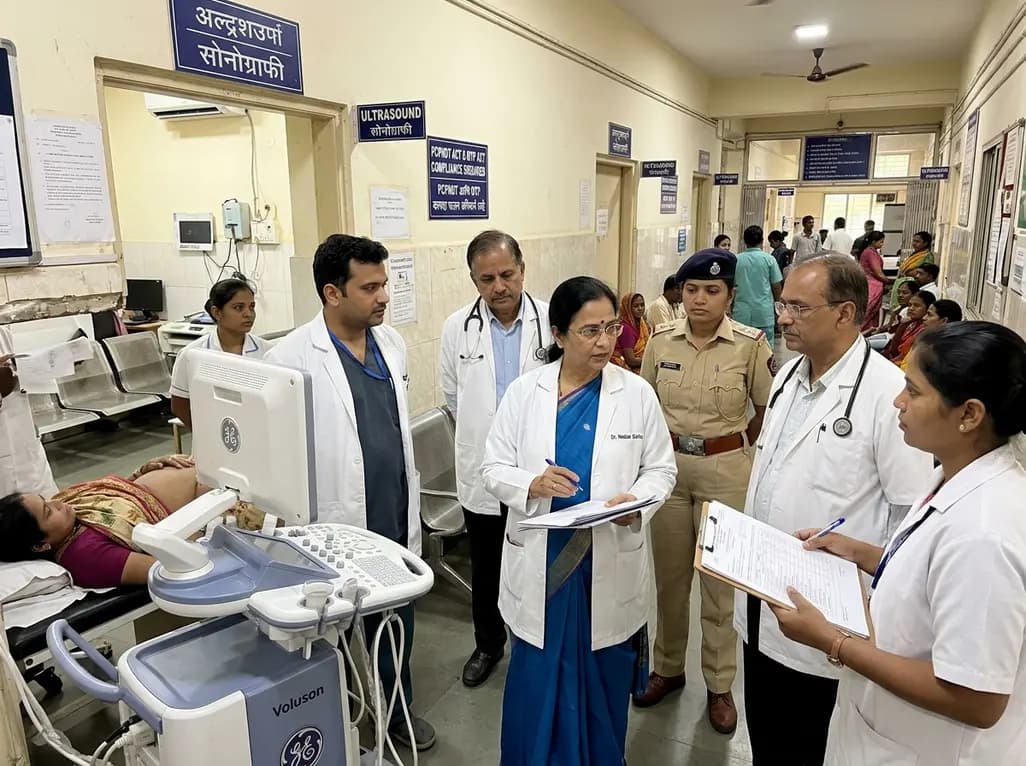
The Maharashtra public health department has established a specialized task force headed by Dr. Neelam Gorhe to eliminate illegal sex determination and unauthorized abortions. The team will execute surprise inspections of ultrasound facilities, audit medical documentation, and enforce strict statutory standards.
4 days back
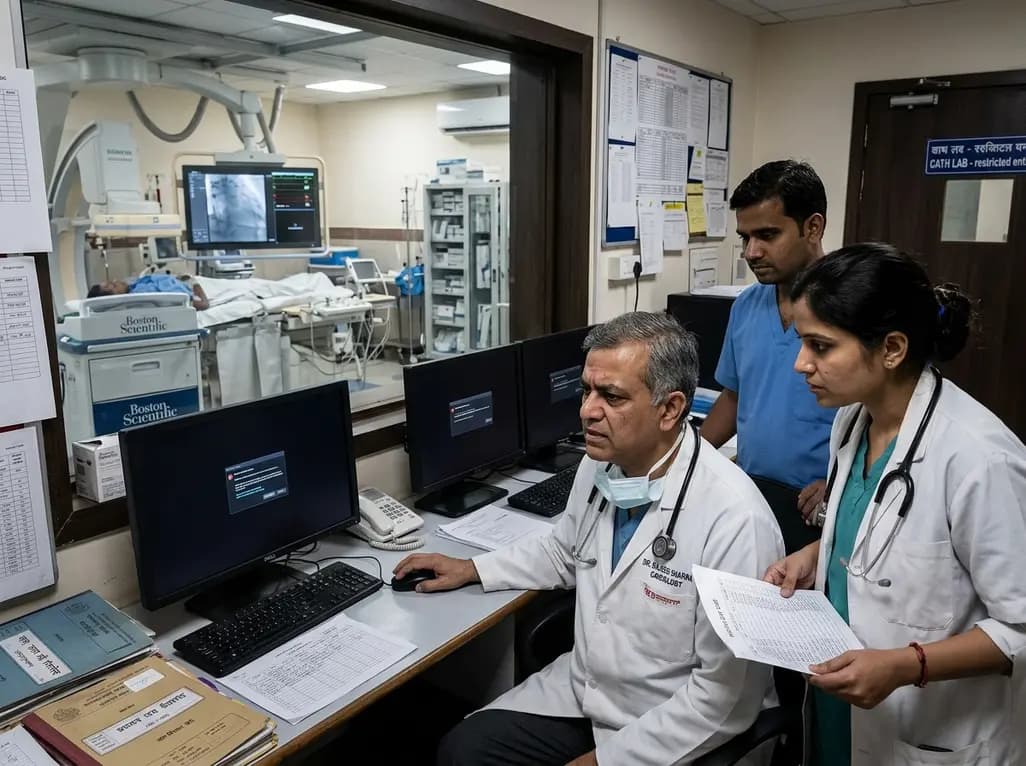
A major cybersecurity breach disrupted global operations at Boston Scientific, delaying device distribution and remote cardiac monitoring activations. This analysis examines the immediate consequences for clinical catheterization suites, electrophysiology teams, hospital inventory systems, and patient care safety.
3 days back
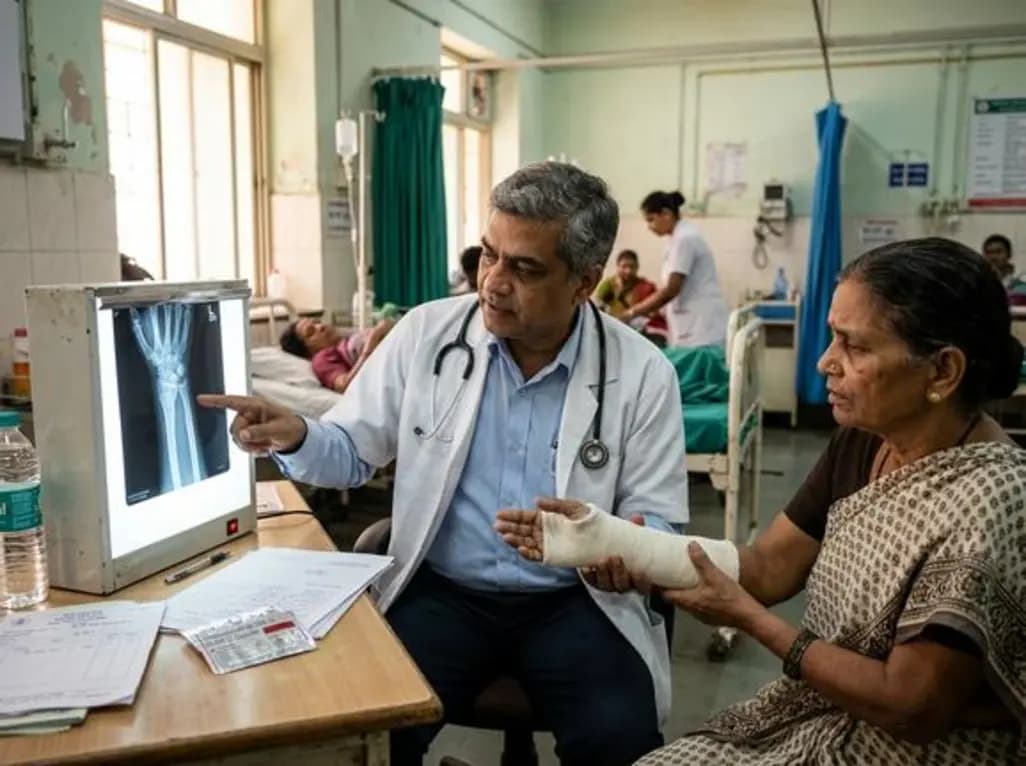
Nearly 80% of Indians suffer from inadequate Vitamin D, causing silent bone weakening and sudden fractures. This expert guide reviews why mega-dose therapy is critical for high-risk patients, the key factors driving widespread deficiency, and the mandatory medical evaluations needed to protect skeletal health.
2 months ago

A nationwide mixed-methods study evaluated hospital glycemic management systems across 265 hospitals. While real-time alerts and automatic data sync are highly valued, significant disparities in digital maturity and low satisfaction with decision support highlight the need for standardized implementation.
2 weeks back
