.webp&w=384&q=75)

Loading, please wait...
Loading, please wait...

The Maharashtra government has made a landmark decision by abolishing the compulsory MBBS bond service requirement for medical graduates across the state. Previously, every student graduating from government, municipal, aided, or private medical institutions had to undergo a mandatory one-year social responsibility service. Consequently, this policy often served as a bottleneck for medical practitioners aiming to pursue higher studies immediately after graduation. While the mandate remains active for postgraduate levels, undergraduate graduates now enjoy immediate relief from this obligation, streamlining their career progression across the healthcare sector.
Historically, the state of Maharashtra implemented the compulsory service framework in 2006 to address acute healthcare shortages in rural regions. During that period, public health infrastructure faced persistent deficits of qualified medical officers. Therefore, the government established a social contract where subsidized public medical education was exchanged for mandatory rural service. Interestingly, the underlying concept originated during national security crises when military institutions required immediate medical support from civil medical colleges. Consequently, Maharashtra became the pioneer in formalizing rural service bonds for medical graduates across India.
However, the medical education landscape in Maharashtra has transformed dramatically over the past two decades. The total intake of undergraduate medical seats expanded nearly threefold, rising from 4,555 seats in 2006 to over 11,795 seats by 2025. In addition, the state successfully established new government medical colleges in almost every district. As a direct result of this massive expansion, the deficit of medical officers in rural health centers gradually vanished. Therefore, the original premise of forcing every new graduate into compulsory public service gradually lost its initial policy justification.
Over recent years, the rapid growth in medical graduate numbers created severe administrative operational bottlenecks for the Directorate of Medical Education and Research. The available public sector medical officer postings could not keep pace with the thousands of newly qualified doctors entering the workforce each year. Consequently, thousands of willing medical graduates found themselves stuck in long waiting lists for official allotment orders. Furthermore, completion of this service was legally mandatory for appearing in postgraduate medical admissions. Therefore, an administrative allocation delay rapidly morphed into a major academic bottleneck for aspiring specialists.
Additionally, government evaluations revealed that newly graduated doctors often lacked sufficient clinical preparedness to handle emergency medical services independently in underserved rural centers. Many graduates accepted bond postings merely as an administrative hurdle to clear before postgraduate entrance examinations. As a result, their professional engagement and productivity at rural primary health centers remained suboptimal. Recognizing these systemic inefficiencies, the Chief Minister chaired a policy review meeting in July 2025. Subsequently, the Public Health Department formally recommended the complete discontinuation of the undergraduate service obligation to untangle administrative hurdles.
The new Government Resolution introduces clear rules regarding exemption and eligibility for current and prospective doctors. Firstly, all eligible MBBS graduates who have not yet received official bond postings are completely exempted from serving. Furthermore, candidates who were previously allotted postings but had not yet formally joined their assigned medical centers will receive full exemption. Additionally, young doctors who initiated their service bond but could not complete the full twelve-month duration due to administrative issues will not have to serve the remaining period.
However, specific conditions apply to doctors who are currently serving in government or municipal hospitals. Practitioners actively serving their allotted postings must complete their remaining tenure without disruption. Furthermore, the state government confirmed that candidates who previously paid financial penalties to secure exemption will not receive monetary refunds. To implement this reform immediately, the government closed the online allotment portal operated by the Directorate of Medical Education and Research. Consequently, no fresh service bond allotments will take place for undergraduate MBBS cohorts moving forward.
This policy shift delivers immediate structural benefits to medical graduates planning to pursue postgraduate specialization. Under the previous framework, young doctors frequently lost one or two academic years waiting for allotment orders or completing mandatory rural rotations. Now, medical graduates can transition directly from internship to postgraduate entrance preparation and residency training. Consequently, this change aligns Maharashtra with global standards where medical education pathways maintain continuous academic momentum without artificial administrative halts.
Furthermore, medical faculty and professional associations, including the Indian Medical Association, have enthusiastically welcomed the government decision. They emphasize that eliminating redundant administrative delays will allow young medical professionals to specialize faster. As a result, the healthcare system will benefit from a faster pipeline of qualified specialists in critical disciplines like cardiology, oncology, and emergency care. Therefore, this policy reform directly enhances the long-term efficiency and specialized care capacity of the entire healthcare ecosystem in the region.
While medical students celebrate this landmark decision, health policy analysts and parent organizations express mixed perspectives regarding public health outcomes. Some stakeholders worry that removing mandatory postings might eventually cause doctor shortages in peripheral government hospitals and primary health centers. Furthermore, critics question whether this policy shift might inadvertently accelerate the privatization of public healthcare services in rural belts. Additionally, public health experts raise concerns about emergency preparedness during potential health crises or epidemics.
Nevertheless, public health officials assure that district medical colleges now produce a steady, robust supply of medical personnel. The state health department can recruit qualified medical officers directly through regular employment channels rather than relying on temporary bond candidates. Furthermore, retaining mandatory service bonds for postgraduate and super-specialty doctors ensures that rural secondary and tertiary health centers maintain experienced clinical talent. Moving forward, the state aims to strengthen healthcare delivery through structured recruitment, competitive compensation, and modernized rural health facilities rather than compulsory service mandates.
Q1: Does the bond exemption apply to postgraduate and super-specialty medical courses in Maharashtra?
No, the state government has abolished the one-year service bond exclusively for undergraduate MBBS graduates. Postgraduates and super-specialty doctors must still complete their mandatory service obligations as prescribed by state regulations. This ensures that government secondary and tertiary hospitals continue to receive specialized clinical expertise.
Q2: What happens to MBBS graduates who are currently serving their mandatory bond period?
Graduates who have already joined their assigned institutions must complete their full designated tenure. However, candidates who received allotment orders but have not yet joined, as well as those waiting for postings, are completely exempted from further service obligations.
Q3: Will doctors who previously paid penalties to seek bond exemption receive refunds from the government?
No, the state government explicitly clarified in its official resolution that candidates who previously paid financial penalties to obtain exemption from the service bond will not receive any financial refunds. The new policy applies prospectively from the date of the resolution.
Disclaimer: This content is for informational and educational purposes only. It does not constitute medical advice or replace professional judgment. Refer to the latest local and national guidelines for clinical practice.
References

Read summarized clinical updates, watch expert medical content, and earn CME certifications right from your smartphone.
Open your smartphone camera to scan and install.





Maharashtra has officially abolished the mandatory one-year service bond requirement for MBBS graduates across government, municipal, and private medical colleges. This historic decision alleviates administrative delays in postgraduate admissions while addressing state medical officer seat surpluses.
2 months ago
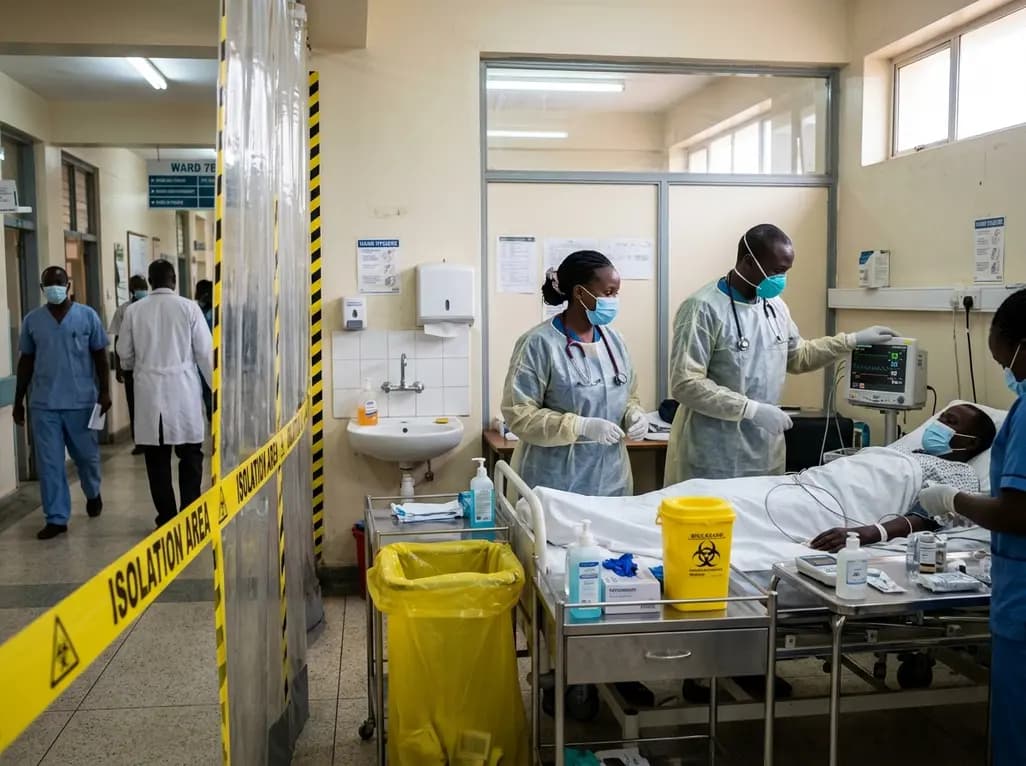
Kenya's confirmation of its eighth Ebola infection highlights the acute risk of secondary transmission in hospital environments. Clinicians must maintain high vigilance, enforce strict infection prevention protocols, and implement rapid triage mechanisms for viral hemorrhagic fevers across healthcare settings.
3 days back
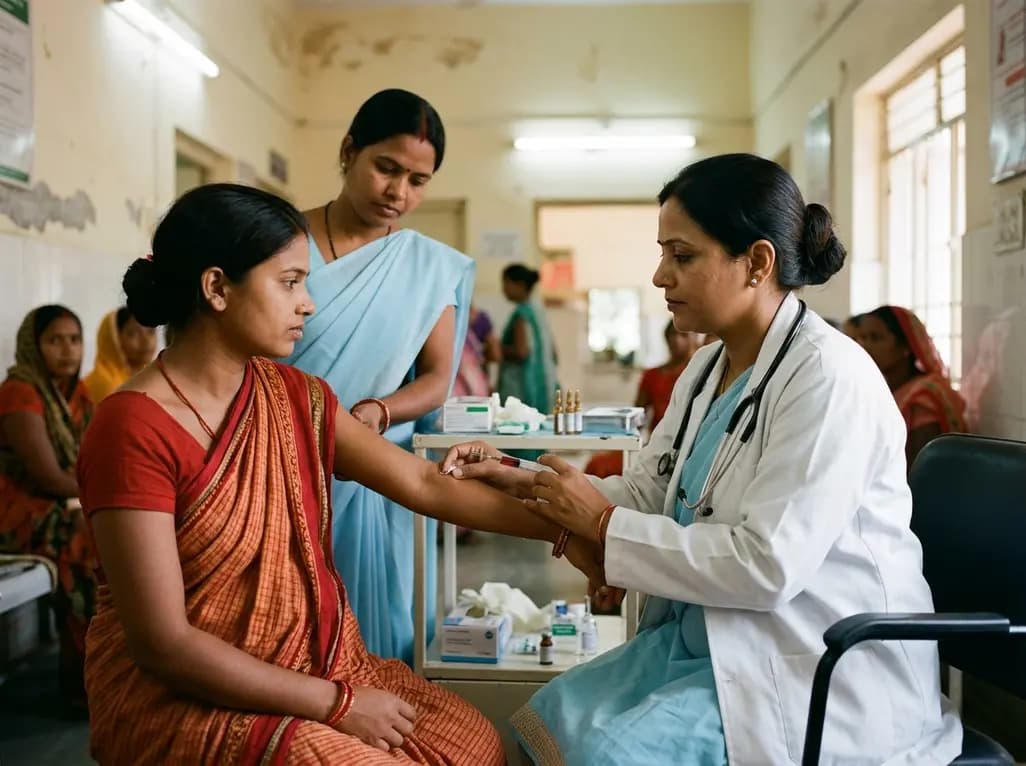
Maternal anaemia contributes to nearly half of pregnancy-related fatalities across India. To prevent complications, Uttar Pradesh has added single-dose parenteral iron to its essential medicines list. This clinical transition aims to restore haemoglobin rapidly and protect high-risk mothers across rural facilities.
Last week

India's food safety authority FSSAI has issued show-cause notices to Gemini Edibles, BigBasket, and Flipkart for unpermitted cardiovascular claims regarding Freedom Rice Bran Oil. This regulatory move highlights the strict enforcement of advertising standards and the clinical necessity of evidence-based lipid care.
5 days back
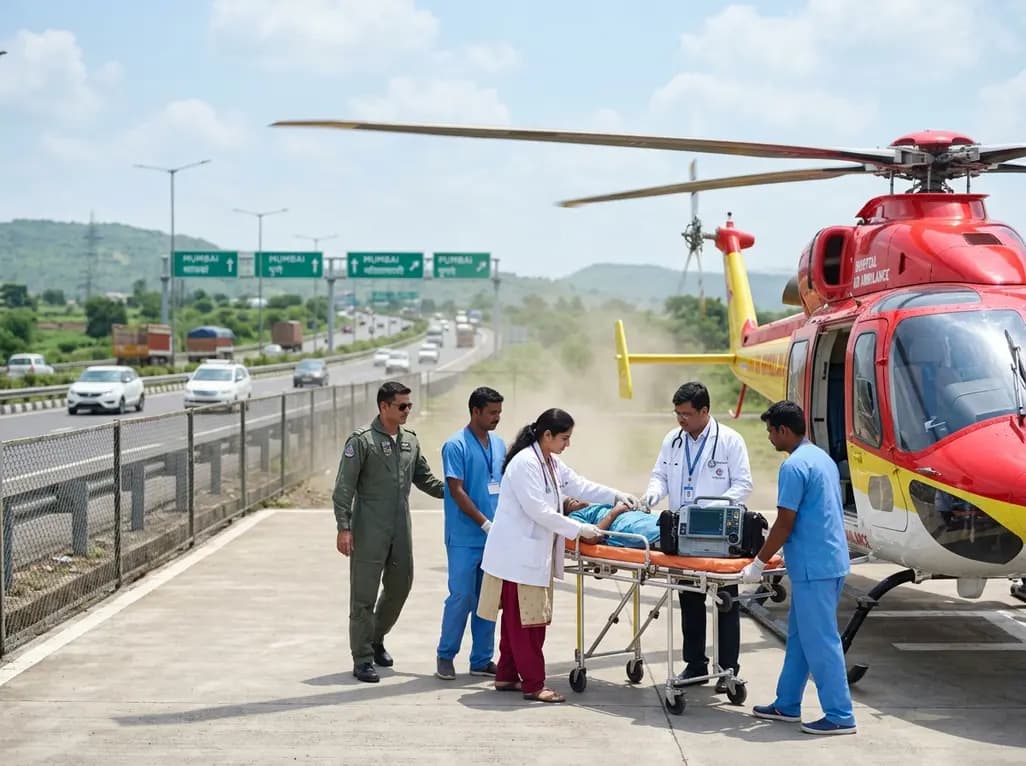
The state government is deploying helicopter emergency medical services across the Mumbai-Pune Expressway, Samruddhi Mahamarg, and Mumbai-Goa Highway. This initiative establishes unified standard operating procedures to enable rapid triage, advanced prehospital resuscitation, and seamless trauma care transfers.
Last week
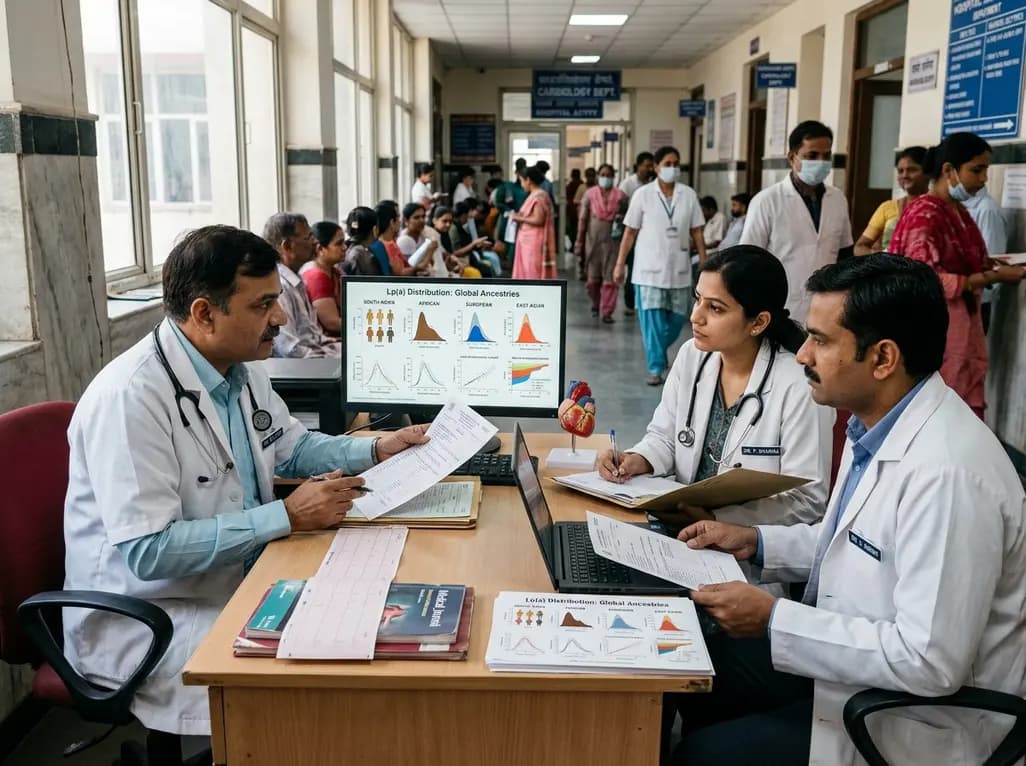
Atherosclerotic cardiovascular disease guidelines often rely on European-derived lipoprotein(a) cutoffs. However, baseline Lp(a) levels vary widely across ancestries, including South Asians and Africans. Clinicians must interpret Lp(a) values within overall absolute cardiovascular risk.
Last week
