.webp&w=384&q=75)

Loading, please wait...
Loading, please wait...
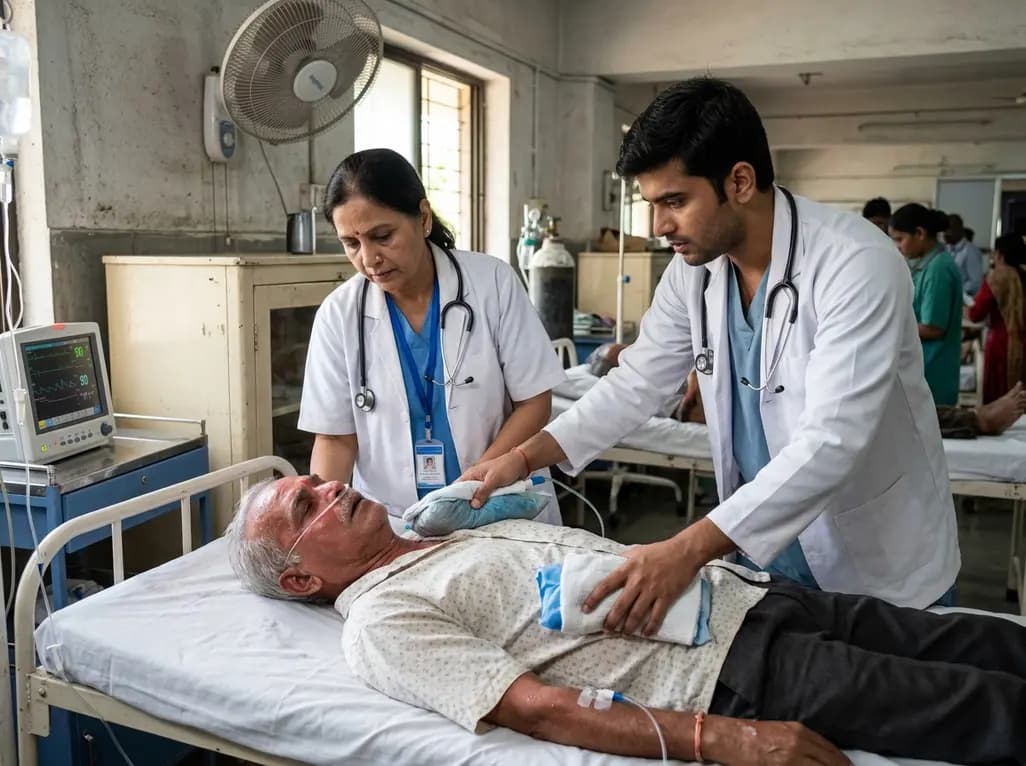
Between March 1 and June 14, 2026, Maharashtra heatstroke cases reached 306, resulting in ten confirmed and nineteen suspected deaths. Consequently, healthcare professionals must remain highly vigilant. Chhatrapati Sambhajinagar registered the highest volume at 49 cases. Furthermore, other severely affected districts include Nandurbar, Gadchiroli, and Amravati. This prolonged heatwave poses a serious challenge for rural and urban clinics alike. Therefore, prompt clinical recognition is critical to saving lives during this public health emergency.
Dr. Sandeep Sangale, joint director of health services in Maharashtra, emphasizes that heatstroke remains a clinical diagnosis. Clinicians should diagnose it when the body temperature exceeds 104°F (40°C). Additionally, key diagnostic symptoms include a throbbing headache, dizziness, nausea, and a lack of sweating despite extreme environmental heat. Patients may also exhibit red, dry skin, muscle weakness, and rapid heartbeat. In severe cases, mental confusion or seizures can occur. Thus, rapid triage is vital.
Before medical transport arrives, immediate cooling is the primary objective. Specifically, healthcare workers should move the patient to a shaded, well-ventilated area. After that, remove excess clothing to facilitate heat loss. Dr. Sangale recommends sponging the skin with water or utilizing a fan. Moreover, you should apply ice packs to the armpits, groin, neck, and back. However, avoid using ice baths or ice packs on newborns and infants. This intervention is dangerous because it can trigger life-threatening hypothermia.
Q1: What is the primary diagnostic temperature threshold for heatstroke?
A1: A core body temperature exceeding 104°F (40°C) is the key clinical diagnostic threshold for heatstroke.
Q2: Why must clinicians avoid cold-water ice baths for infants?
A2: Using ice baths or ice packs on newborns and infants is dangerous because it can trigger sudden, life-threatening hypothermia.
Disclaimer: This content is for informational and educational purposes only. It does not constitute medical advice or replace professional judgment. Refer to the latest local and national guidelines for clinical practice.
References

Read summarized clinical updates, watch expert medical content, and earn CME certifications right from your smartphone.
Open your smartphone camera to scan and install.





With 306 heatstroke cases and multiple deaths reported in Maharashtra, clinical vigilance is critical. Learn the exact diagnostic thresholds, common symptoms, and cooling techniques to safely manage affected patients.
4 months ago
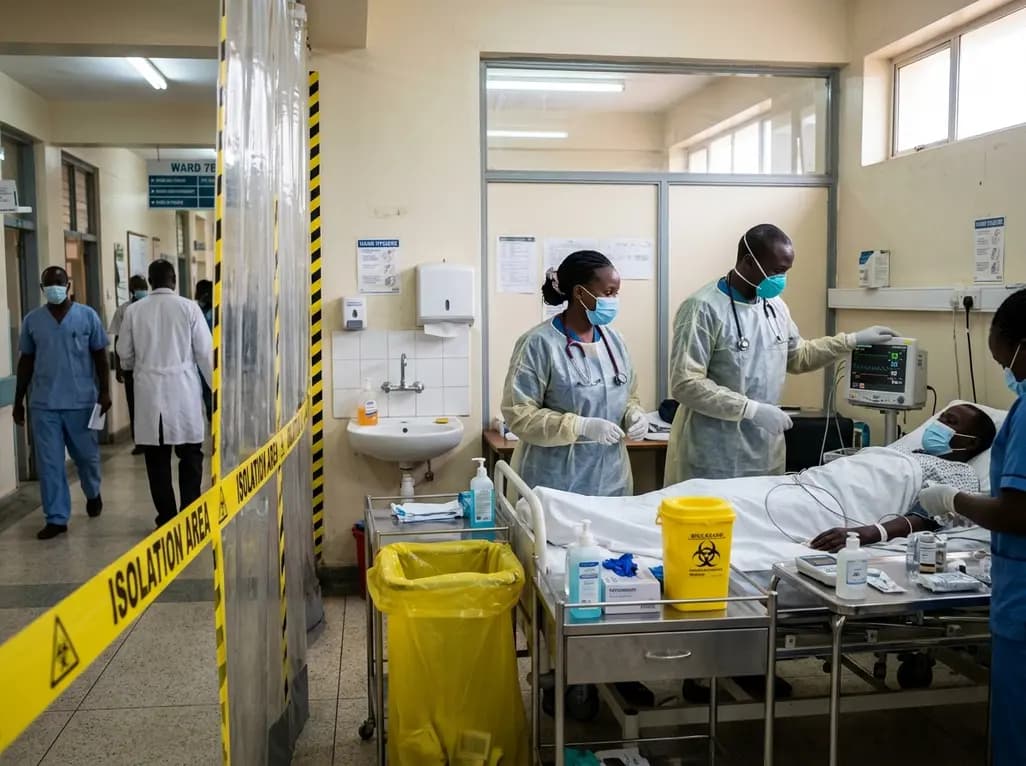
Kenya's confirmation of its eighth Ebola infection highlights the acute risk of secondary transmission in hospital environments. Clinicians must maintain high vigilance, enforce strict infection prevention protocols, and implement rapid triage mechanisms for viral hemorrhagic fevers across healthcare settings.
3 days back
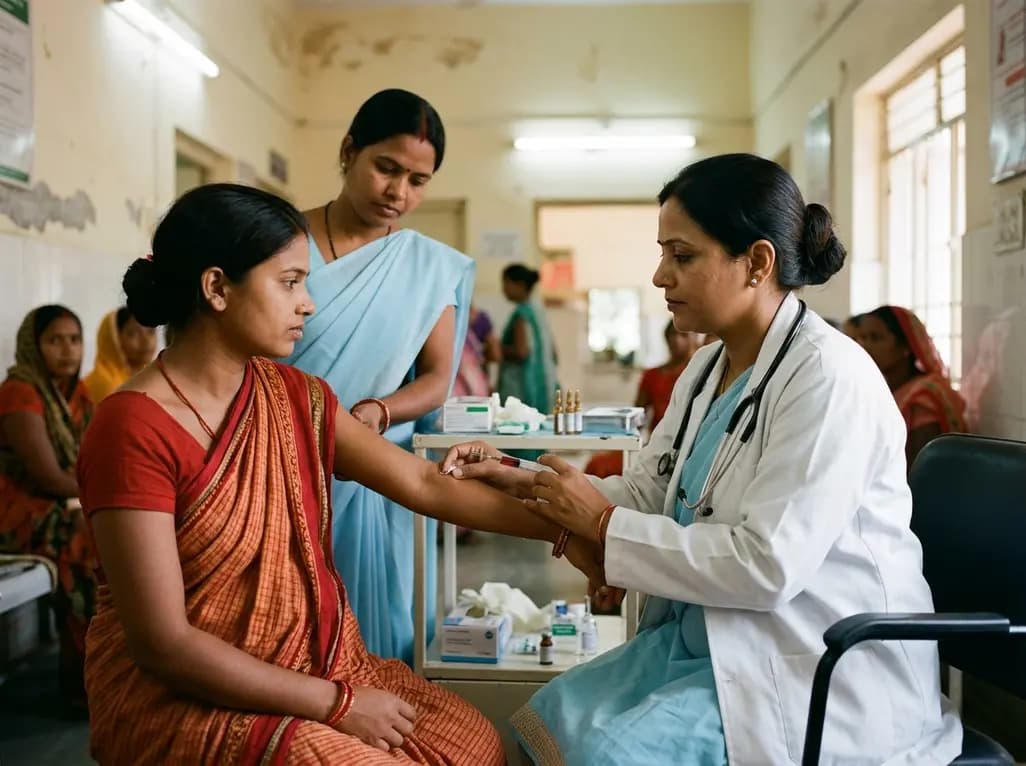
Maternal anaemia contributes to nearly half of pregnancy-related fatalities across India. To prevent complications, Uttar Pradesh has added single-dose parenteral iron to its essential medicines list. This clinical transition aims to restore haemoglobin rapidly and protect high-risk mothers across rural facilities.
Last week
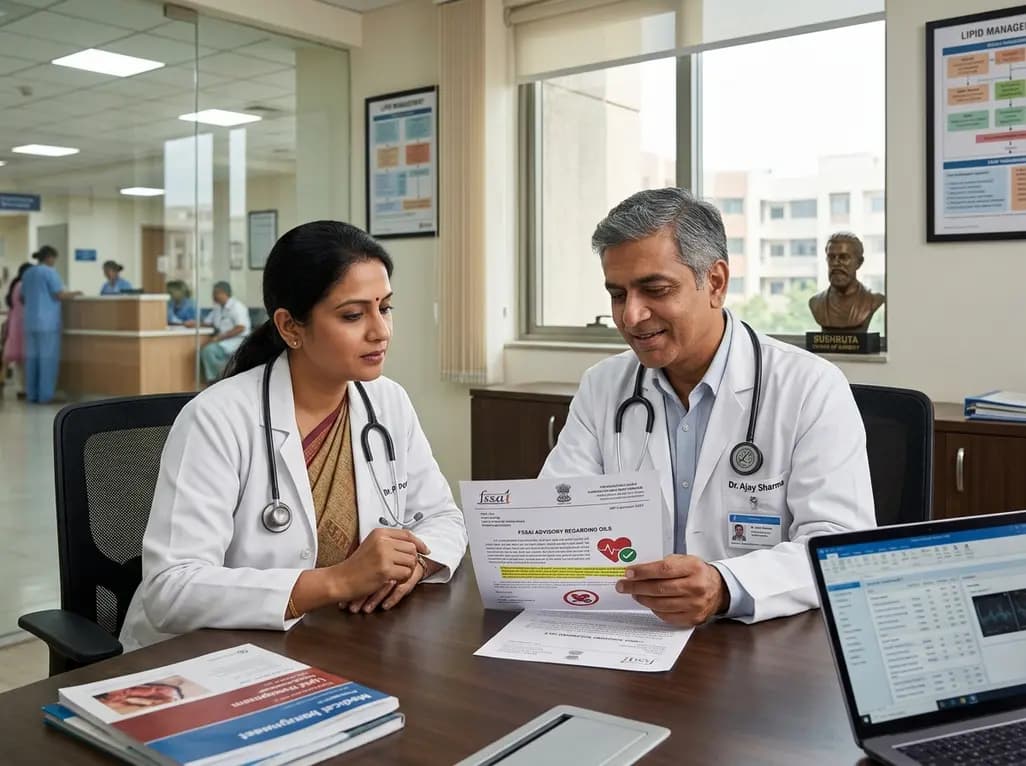
India's food safety authority FSSAI has issued show-cause notices to Gemini Edibles, BigBasket, and Flipkart for unpermitted cardiovascular claims regarding Freedom Rice Bran Oil. This regulatory move highlights the strict enforcement of advertising standards and the clinical necessity of evidence-based lipid care.
5 days back
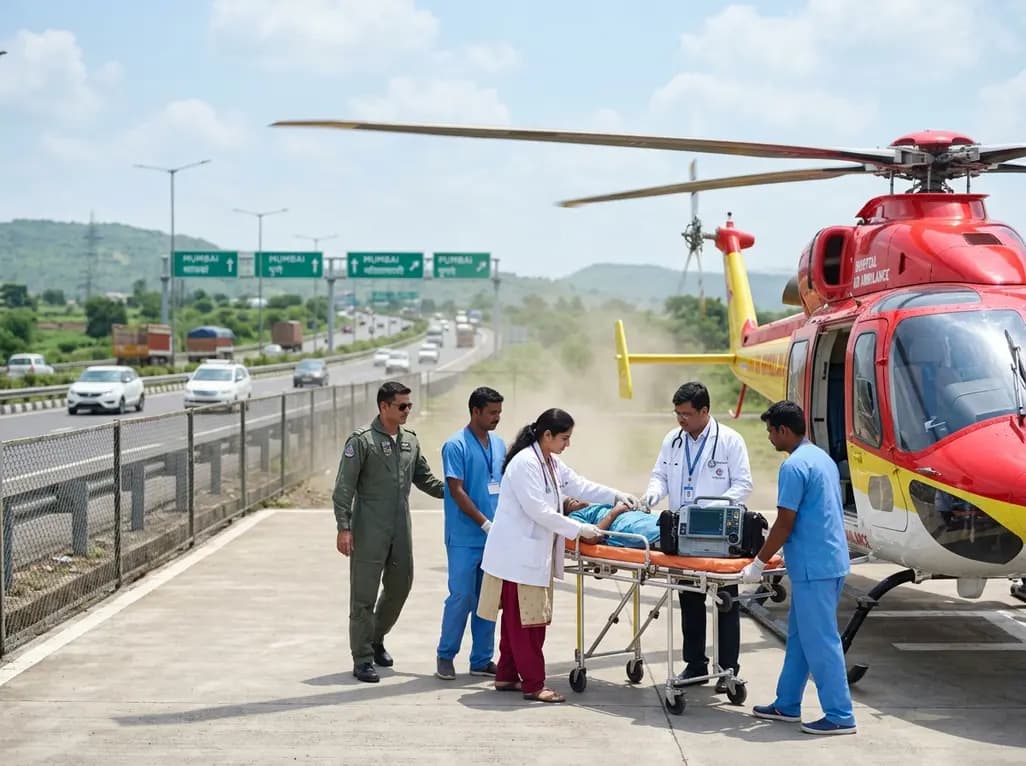
The state government is deploying helicopter emergency medical services across the Mumbai-Pune Expressway, Samruddhi Mahamarg, and Mumbai-Goa Highway. This initiative establishes unified standard operating procedures to enable rapid triage, advanced prehospital resuscitation, and seamless trauma care transfers.
Last week
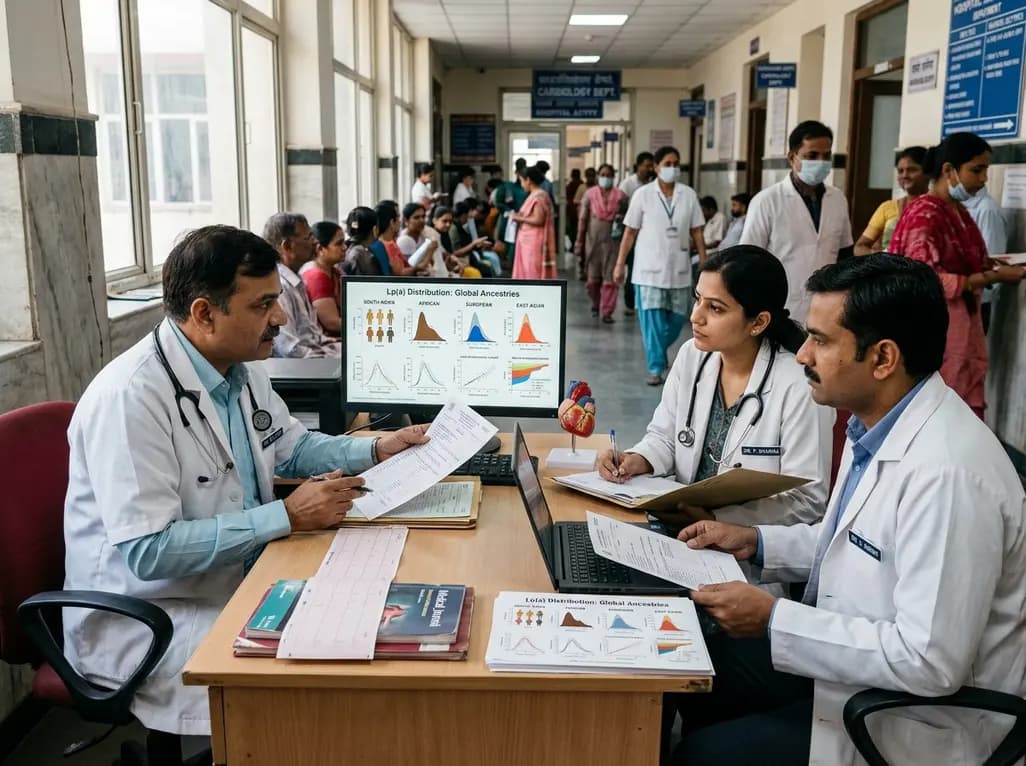
Atherosclerotic cardiovascular disease guidelines often rely on European-derived lipoprotein(a) cutoffs. However, baseline Lp(a) levels vary widely across ancestries, including South Asians and Africans. Clinicians must interpret Lp(a) values within overall absolute cardiovascular risk.
Last week
