.webp&w=384&q=75)

Loading, please wait...
Loading, please wait...
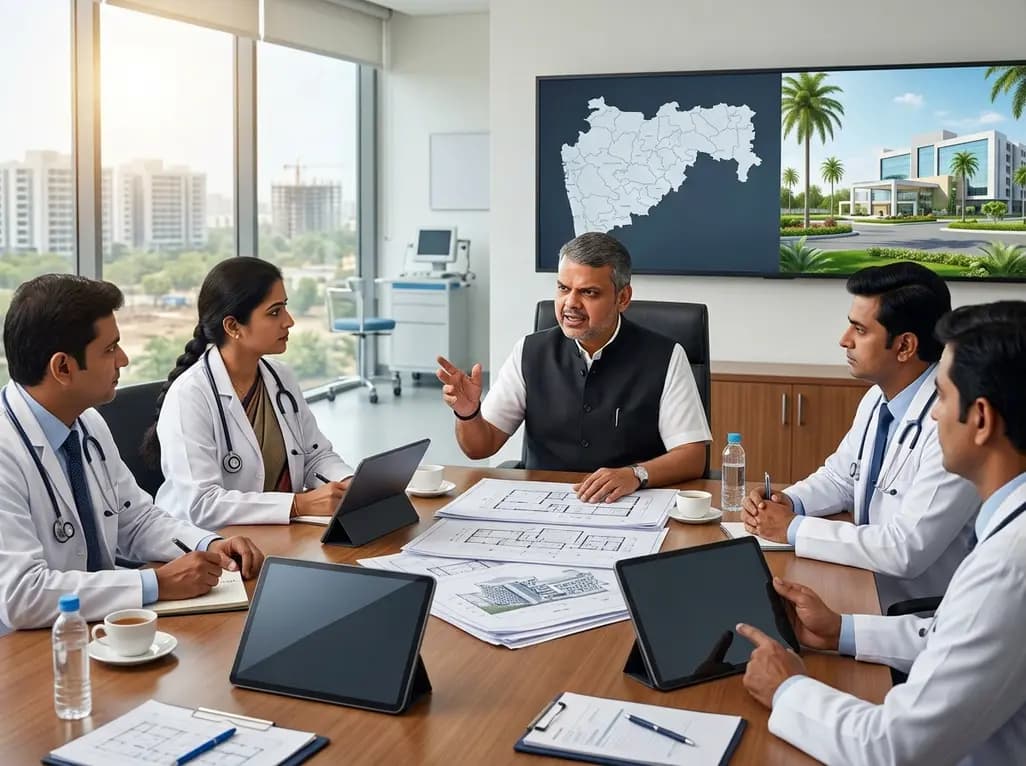
The government of Maharashtra has launched a massive health initiative to construct a state-of-the-art oncology ecosystem across the region. During the inaugural board meeting of MahaCare, Chief Minister Devendra Fadnavis ordered the creation of international-standard cancer facilities. Consequently, this initiative marks a historic milestone for Maharashtra cancer care services, addressing the rising oncological burden. Through this decentralized model, the administration will deliver equitable, affordable, and advanced cancer treatment across the state. Therefore, medical professionals across India are observing these developments closely as a potential blueprint for public oncology networks.
To resolve massive diagnostic and therapeutic delays, the state is implementing a structured, three-tier cancer treatment grid. Specifically, the MahaArogya project will serve as the primary vehicle to roll out this decentralized system. Rather than forcing patients to travel to metropolitan hubs like Mumbai, the government will establish local oncology services. Highly skilled oncology professionals will manage these centers, which the state will divide into Level-2 and Level-3 categories. Level-2 hospitals will function as comprehensive district-level units, providing advanced therapies and surgical options. Meanwhile, Level-3 centers will serve as diagnostic and day-care facilities, ensuring early detection and basic chemotherapy administration. This layered approach ensures that patients receive immediate attention in their home districts, reducing travel-associated financial toxicity. Furthermore, early detection protocols will receive a major boost through these localized units, drastically improving overall survival rates.
A major hurdle in modern cancer care is the supply of medical radioisotopes with extremely short half-lives. Currently, hospitals in Nagpur and the wider Vidarbha region must import these delicate isotopes from distant cities. This logistical delay increases overall patient costs and compromises therapeutic accuracy. To solve this critical bottleneck, Chief Minister Devendra Fadnavis approved a dedicated subsidiary under MahaCare. This subsidiary will manage the Nagpur High Energy Medical Cyclotron Project. This facility, situated on 30 hectares in Hingna taluka, represents a massive Rs 300-crore investment. By localizing the production of high-energy radioisotopes, the project will ensure an uninterrupted supply of PET-CT tracer agents. Additionally, it will position Nagpur as a premier hub for radiopharmaceutical innovation, serving central India. Ultimately, this project will democratize nuclear medicine and lower the financial burden on vulnerable families.
Creating an international-standard ecosystem requires robust technical guidance and standardized clinical protocols. For this reason, MahaCare has signed a memorandum of understanding with the prestigious Tata Memorial Hospital. Under this partnership, Tata Memorial Hospital will function as the apex center for cancer research and treatment. Specifically, this institution will provide the clinical expertise, technical collaboration, and training frameworks. Furthermore, medical officers in district-level centers will undergo continuous education supervised by Tata Memorial specialists. Consequently, this system will ensure that a remote patient receives the same care standard as metropolitan patients. This collaboration also facilitates collaborative research, allowing local clinical data to contribute to nationwide epidemiological studies.
Financial sustainability is a critical pillar of any large-scale public health infrastructure. To address this, the board approved an initial seed corpus of Rs 100 crore for MahaCare. Moreover, the board authorized the foundation to raise Corporate Social Responsibility funds to fuel its development. To ensure smooth administration, the state provided dedicated office space at GT Hospital in Mumbai. The board also initiated the appointment of independent auditors, a company secretary, and healthcare consultants. Additionally, Hasan Mushrif, the Medical Education Minister, directed officials to quickly secure Atomic Energy Department approvals. These combined administrative actions establish a transparent, well-funded, and rapidly moving organization capable of executing complex projects.
To ensure comprehensive geographical coverage, the government carefully selected strategic districts for infrastructure deployment. Specifically, the state will establish Level-2 comprehensive district-level cancer centers in Mumbai, Pune, and Nagpur. Other Level-2 centers will emerge in Chhatrapati Sambhajinagar, Nanded, Kolhapur, Chandrapur, Nashik, and Amravati. Meanwhile, diagnostic and day-care centers will emerge in Ratnagiri, Satara, Baramati, Jalgaon, Yavatmal, Ambajogai, Thane, and Shirdi. This vast network covers diverse geographical zones, ensuring that no patient travels extensively for cancer screening. By placing advanced diagnostics closer to rural populations, the state can significantly reduce late-stage diagnoses. Consequently, local physicians can play a much larger role in referring patients early, maximizing therapy efficacy.
For healthcare providers, especially general practitioners and district-level specialists, this infrastructure expansion represents a paradigm shift. Currently, primary care physicians struggle with delayed specialist referrals because patients resist traveling to distant metros. However, the presence of localized Level-2 and Level-3 centers will allow doctors to initiate rapid diagnostics. Additionally, local clinics can collaborate directly with MahaCare-linked hospitals for post-treatment monitoring and palliative care. Furthermore, the standardization of clinical protocols under Tata Memorial Hospital's supervision ensures reliable treatment outcomes. This network will also create numerous employment opportunities for highly skilled oncology nurses and medical physicists. Ultimately, local doctors will become the critical first line of defense in Maharashtra's unified war against cancer.
Q1: What is MahaCare and what is its primary objective in Maharashtra?
MahaCare, officially known as the Maharashtra Cancer Care, Research and Education Foundation, is a state-backed nodal agency. Its primary objective is to build an international-standard cancer care ecosystem across Maharashtra. By integrating diagnosis, treatment, and research into a unified network, the foundation aims to decentralize oncology services. This ensures that every citizen, especially in rural areas, can access equitable and affordable cancer therapies close to home.
Q2: How will the Nagpur High Energy Medical Cyclotron Project benefit patients?
The Nagpur medical cyclotron project will locally produce short-half-life medical radioisotopes, which are currently imported from distant metropolitan cities. Consequently, this facility will eliminate transport delays, drastically lower diagnostic costs, and ensure a continuous supply of tracers for PET-CT scans. The facility will act as a major radiopharmaceutical hub, offering immense relief and affordable diagnostic precision to patients across Central India.
Q3: What role will the Tata Memorial Hospital play in this new network?
Tata Memorial Hospital will function as the apex center for cancer research and treatment within the MahaCare framework. It will provide crucial technical collaboration, establish standardized clinical protocols, and oversee the training of medical staff. This strategic academic partnership ensures that decentralized level-2 and level-3 hospitals maintain the highest international quality of care, guaranteeing uniform treatment excellence across all districts.
Disclaimer: This content is for informational and educational purposes only. It does not constitute medical advice or replace professional judgment. Refer to the latest local and national guidelines for clinical practice.
References

Read summarized clinical updates, watch expert medical content, and earn CME certifications right from your smartphone.
Open your smartphone camera to scan and install.





Chief Minister Devendra Fadnavis chaired MahaCare's first board meeting, directing the development of international-standard cancer care facilities across Maharashtra. Key projects include a Rs 300-crore medical cyclotron in Nagpur, a Rs 100-crore corpus fund, and a technical partnership with Tata Memorial Hospital.
3 months ago
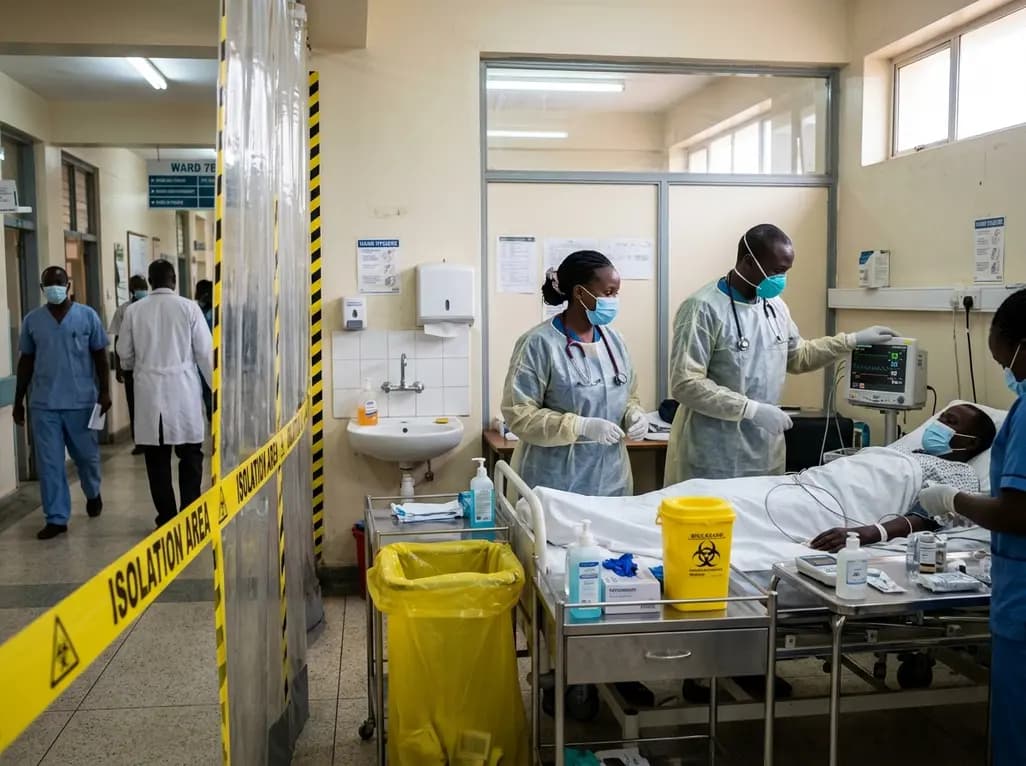
Kenya's confirmation of its eighth Ebola infection highlights the acute risk of secondary transmission in hospital environments. Clinicians must maintain high vigilance, enforce strict infection prevention protocols, and implement rapid triage mechanisms for viral hemorrhagic fevers across healthcare settings.
3 days back
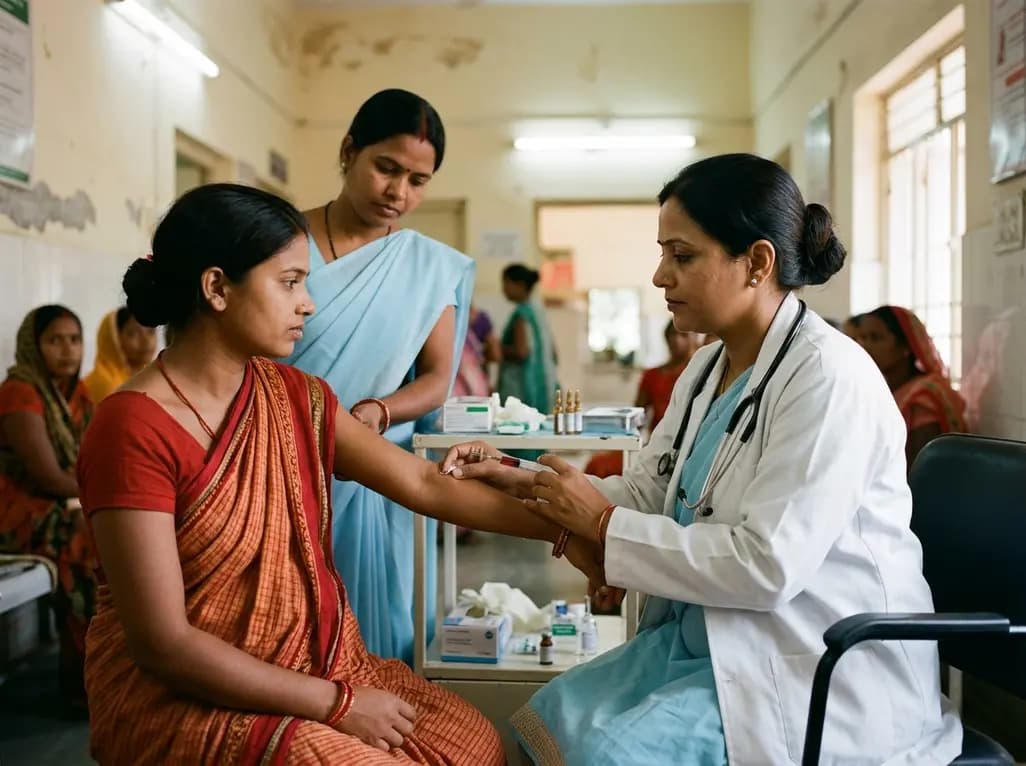
Maternal anaemia contributes to nearly half of pregnancy-related fatalities across India. To prevent complications, Uttar Pradesh has added single-dose parenteral iron to its essential medicines list. This clinical transition aims to restore haemoglobin rapidly and protect high-risk mothers across rural facilities.
Last week
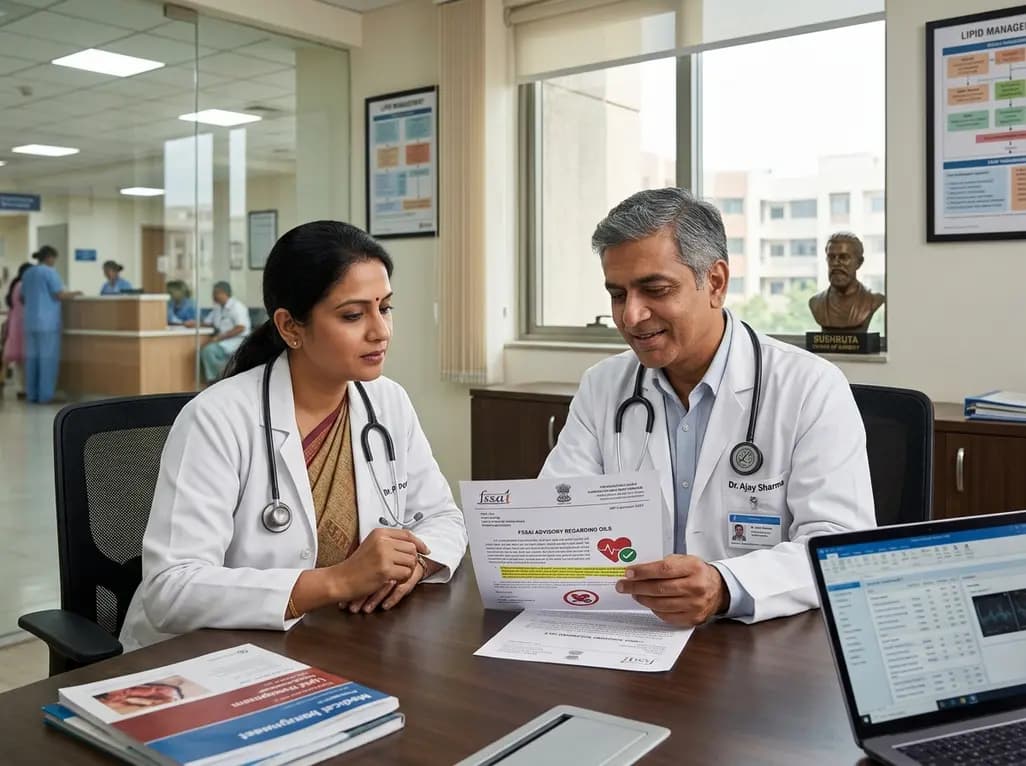
India's food safety authority FSSAI has issued show-cause notices to Gemini Edibles, BigBasket, and Flipkart for unpermitted cardiovascular claims regarding Freedom Rice Bran Oil. This regulatory move highlights the strict enforcement of advertising standards and the clinical necessity of evidence-based lipid care.
5 days back
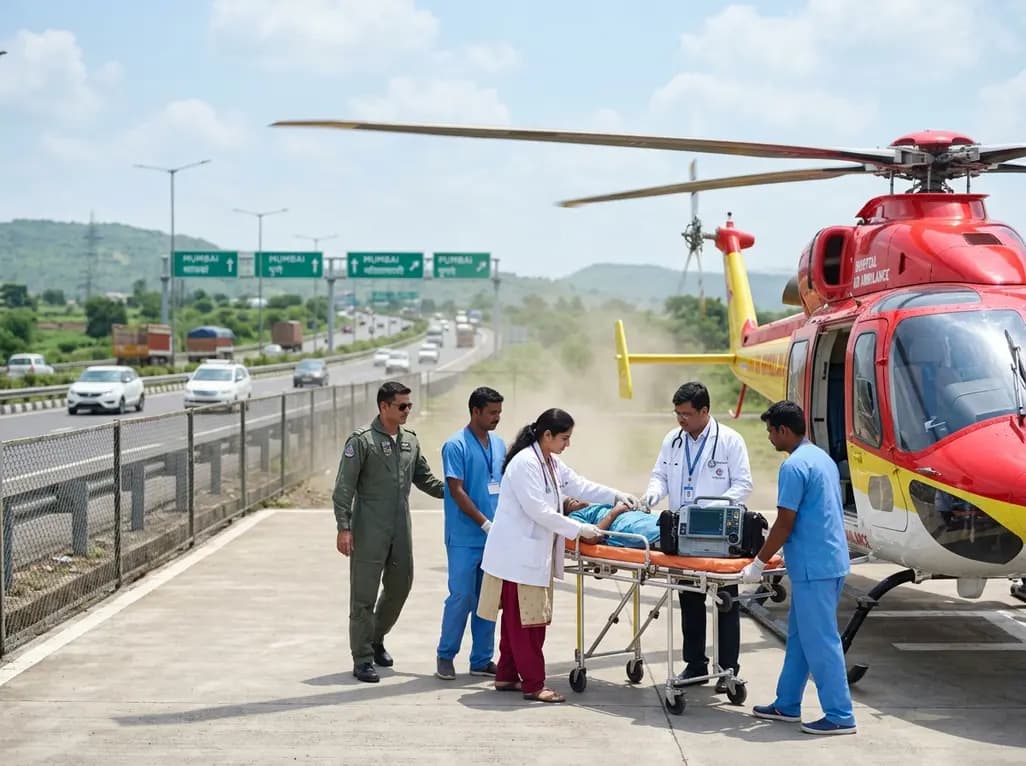
The state government is deploying helicopter emergency medical services across the Mumbai-Pune Expressway, Samruddhi Mahamarg, and Mumbai-Goa Highway. This initiative establishes unified standard operating procedures to enable rapid triage, advanced prehospital resuscitation, and seamless trauma care transfers.
Last week
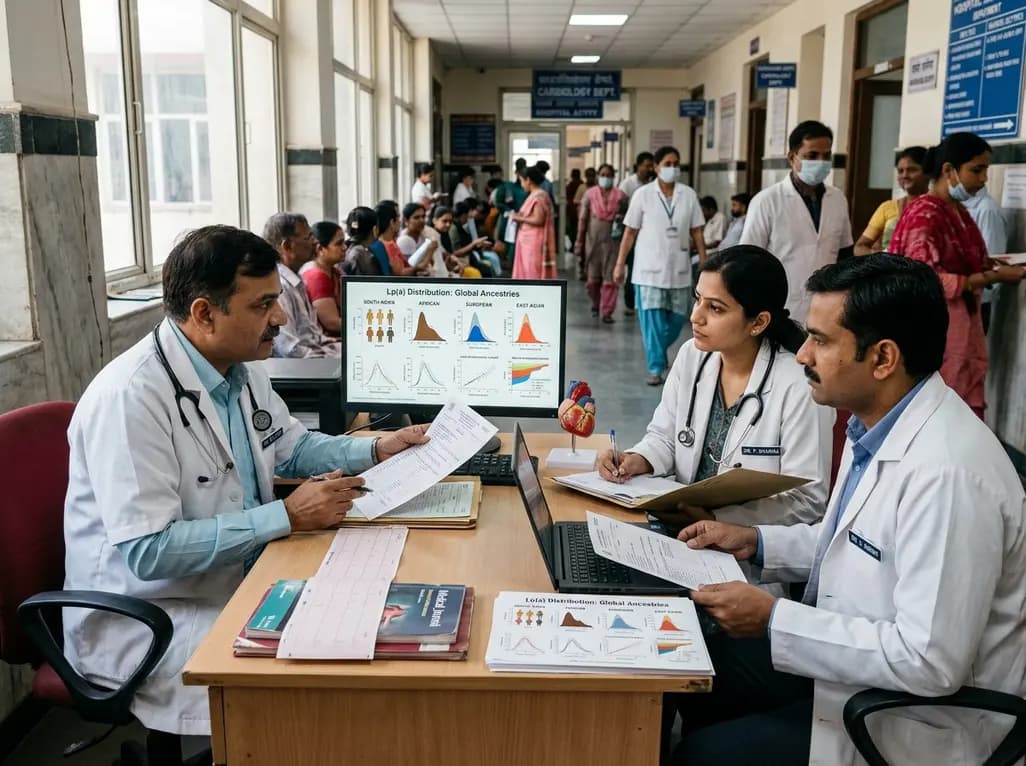
Atherosclerotic cardiovascular disease guidelines often rely on European-derived lipoprotein(a) cutoffs. However, baseline Lp(a) levels vary widely across ancestries, including South Asians and Africans. Clinicians must interpret Lp(a) values within overall absolute cardiovascular risk.
Last week
