.webp&w=384&q=75)

Loading, please wait...
Loading, please wait...
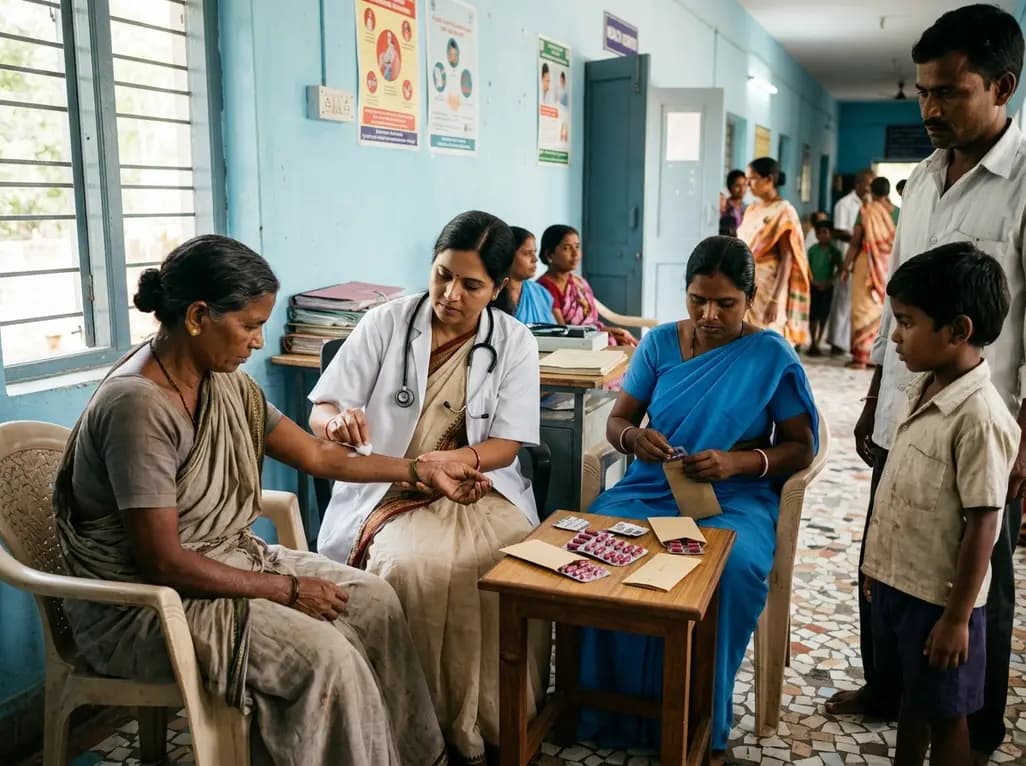
Although India achieved national-level leprosy elimination over two decades ago, localized pockets continue to report new cases. Therefore, the Union Health Ministry has urged intensified efforts to completely halt leprosy transmission in high-burden districts. Furthermore, targeted interventions will play a pivotal role in achieving a leprosy-free India. Specifically, five priority states carry nearly half of the nation's current disease burden.
During the 2025-26 cycle, India detected a total of 91,783 new leprosy cases, representing a national prevalence rate of 0.56 per 10,000 population. However, several endemic districts in high-burden states still report prevalence rates exceeding one case per 10,000 people. These states include Maharashtra, Chhattisgarh, Jharkhand, Odisha, and Madhya Pradesh. Significantly, pediatric cases constituted 4.18% of newly detected cases, indicating ongoing community-level transmission. Additionally, 2.12% of patients presented with Grade-2 disability, signaling delayed clinical detection.
To achieve this goal, the National Leprosy Eradication Programme (NLEP) relies on several essential strategies. First, healthcare workers must implement periodic active case detection campaigns directly in endemic areas. Second, clinicians must strengthen contact tracing around index patients to identify vulnerable individuals early. Furthermore, the program has expanded the use of post-exposure prophylaxis (PEP) using single-dose rifampicin (SDR). Administering this single-dose chemoprophylaxis to eligible healthy contacts reduces their risk of developing the disease by up to 60%. Consequently, wide coverage of contact screening remains highly critical.
Besides stopping transmission, the NLEP focuses heavily on disability prevention and medical rehabilitation. For instance, surgeons performed 1,591 reconstructive surgeries for affected individuals during the 2025-26 period. Moreover, teams distributed over 1.03 lakh micro cellular rubber footwear to patients. Additionally, they provided more than 1.25 lakh self-care kits to improve daily quality of life. Ultimately, overcoming the deep-seated social stigma associated with the disease is vital for success. Therefore, healthcare providers must foster supportive community environments that encourage early self-reporting and compliance.
Q1: Which states in India carry the highest burden of leprosy?
Five states account for nearly half of the country's leprosy cases. These high-priority regions are Maharashtra, Chhattisgarh, Jharkhand, Odisha, and Madhya Pradesh.
Q2: What is the role of single-dose rifampicin (SDR) in leprosy management?
SDR is administered as post-exposure prophylaxis (PEP) to eligible healthy contacts of diagnosed leprosy patients. This preventative intervention can reduce the risk of developing leprosy by up to 60%.
Q3: Why are child leprosy cases particularly concerning for epidemiologists?
The presence of pediatric cases signals active, ongoing transmission within the community. It indicates that the infection is being spread recently, highlighting the need for faster detection and stronger contact screening.
Disclaimer: This content is for informational and educational purposes only. It does not constitute medical advice or replace professional judgment. Refer to the latest local and national guidelines for clinical practice.
References

Read summarized clinical updates, watch expert medical content, and earn CME certifications right from your smartphone.
Open your smartphone camera to scan and install.





Despite achieving national elimination, India continues to combat localized leprosy in endemic districts. In 2025-26, officials recorded 91,783 new cases, concentrated in five states. To interrupt transmission, health bodies are prioritizing active case detection, contact screening, and single-dose rifampicin.
4 months ago
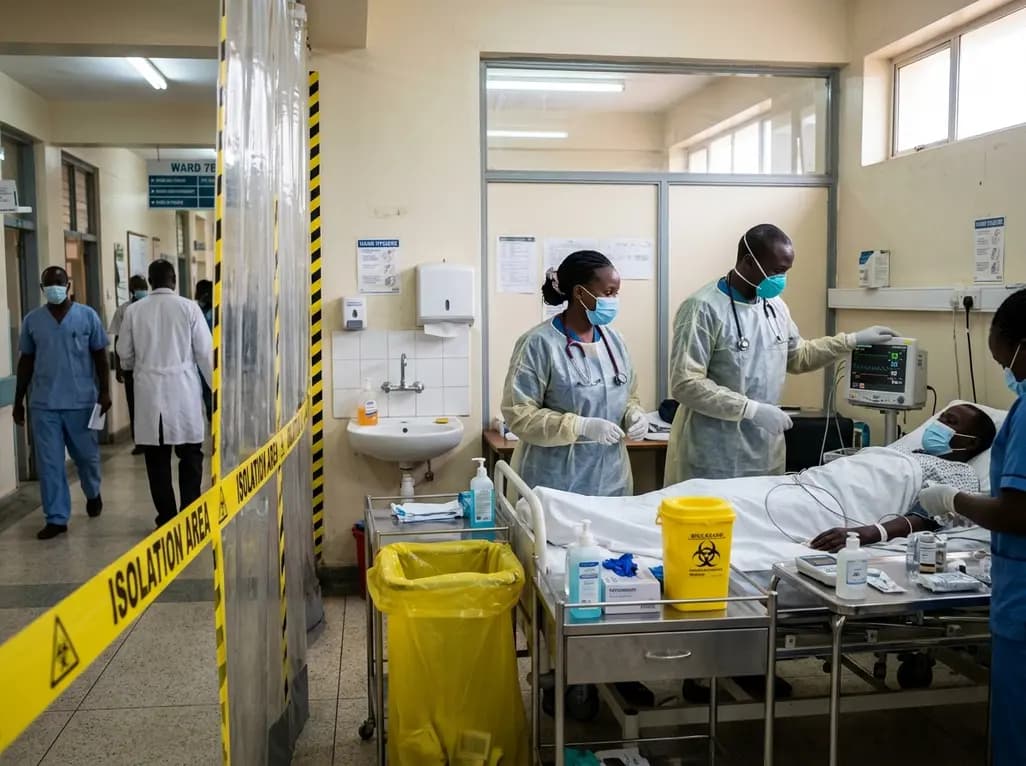
Kenya's confirmation of its eighth Ebola infection highlights the acute risk of secondary transmission in hospital environments. Clinicians must maintain high vigilance, enforce strict infection prevention protocols, and implement rapid triage mechanisms for viral hemorrhagic fevers across healthcare settings.
3 days back
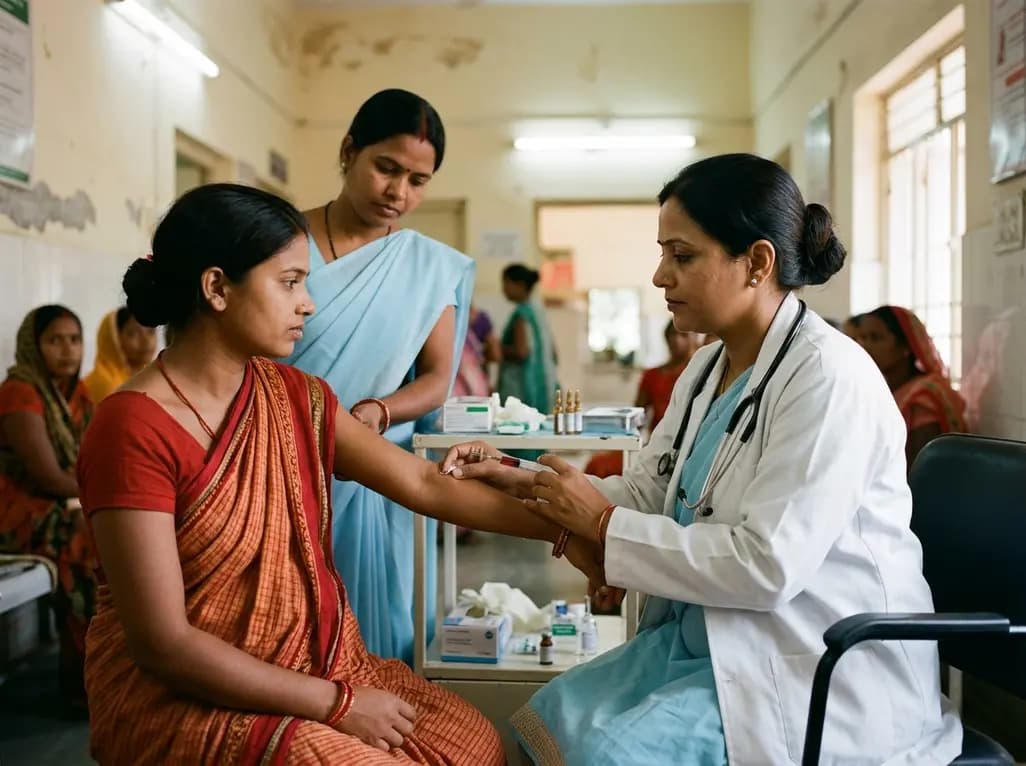
Maternal anaemia contributes to nearly half of pregnancy-related fatalities across India. To prevent complications, Uttar Pradesh has added single-dose parenteral iron to its essential medicines list. This clinical transition aims to restore haemoglobin rapidly and protect high-risk mothers across rural facilities.
Last week
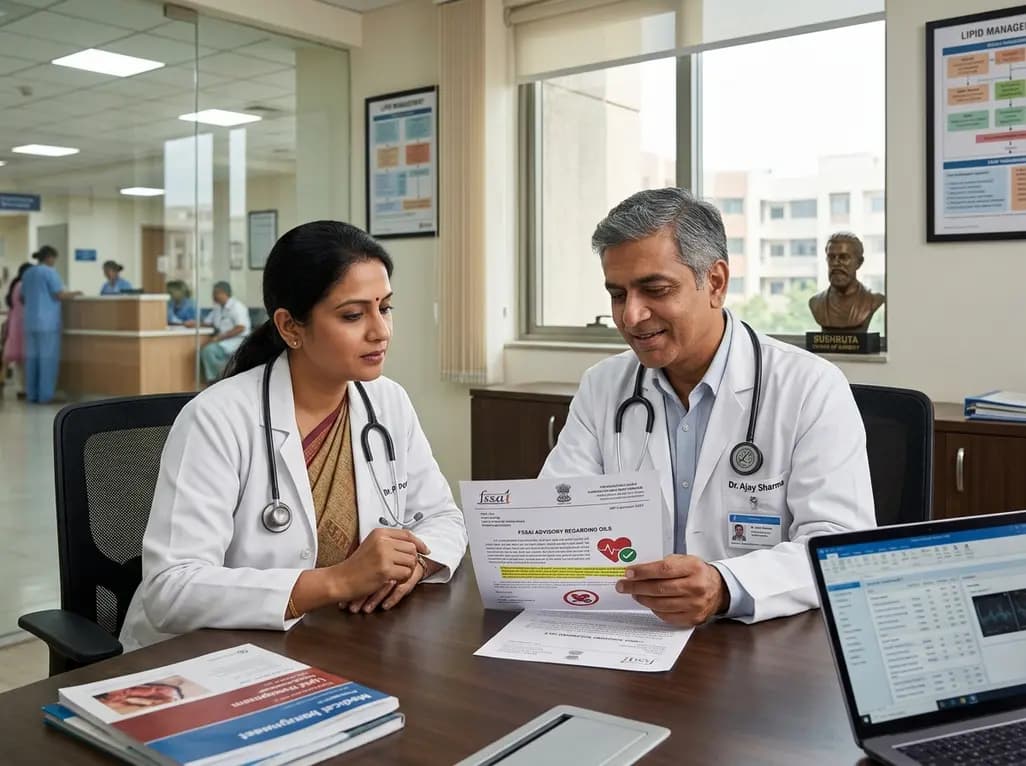
India's food safety authority FSSAI has issued show-cause notices to Gemini Edibles, BigBasket, and Flipkart for unpermitted cardiovascular claims regarding Freedom Rice Bran Oil. This regulatory move highlights the strict enforcement of advertising standards and the clinical necessity of evidence-based lipid care.
5 days back
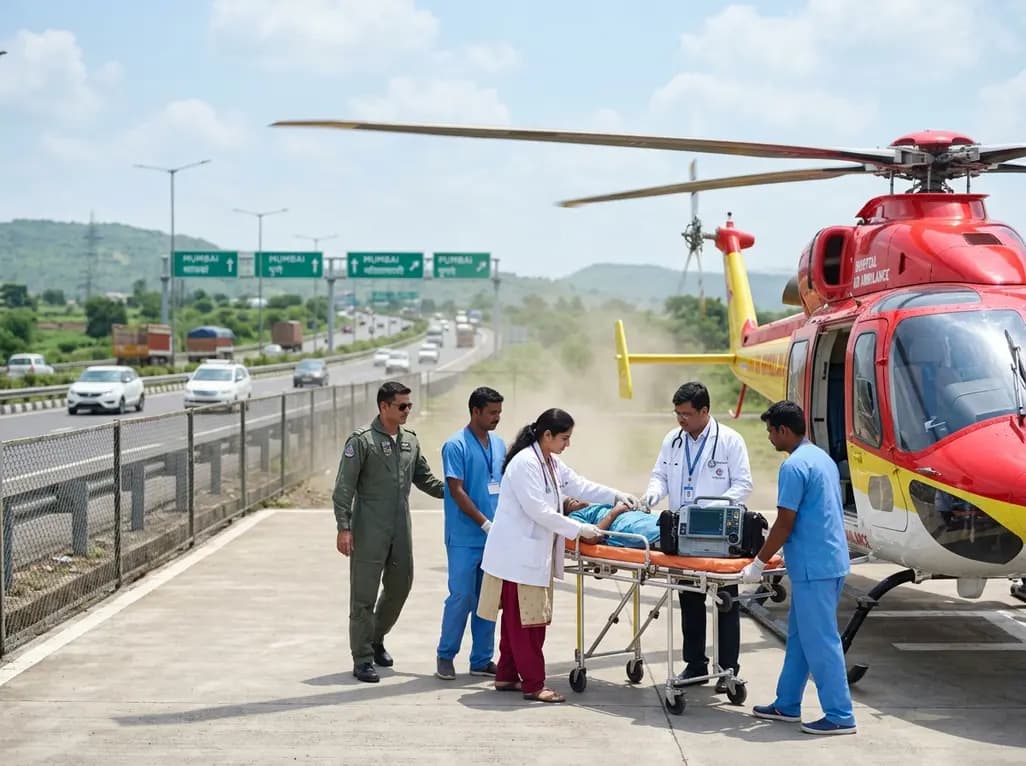
The state government is deploying helicopter emergency medical services across the Mumbai-Pune Expressway, Samruddhi Mahamarg, and Mumbai-Goa Highway. This initiative establishes unified standard operating procedures to enable rapid triage, advanced prehospital resuscitation, and seamless trauma care transfers.
Last week
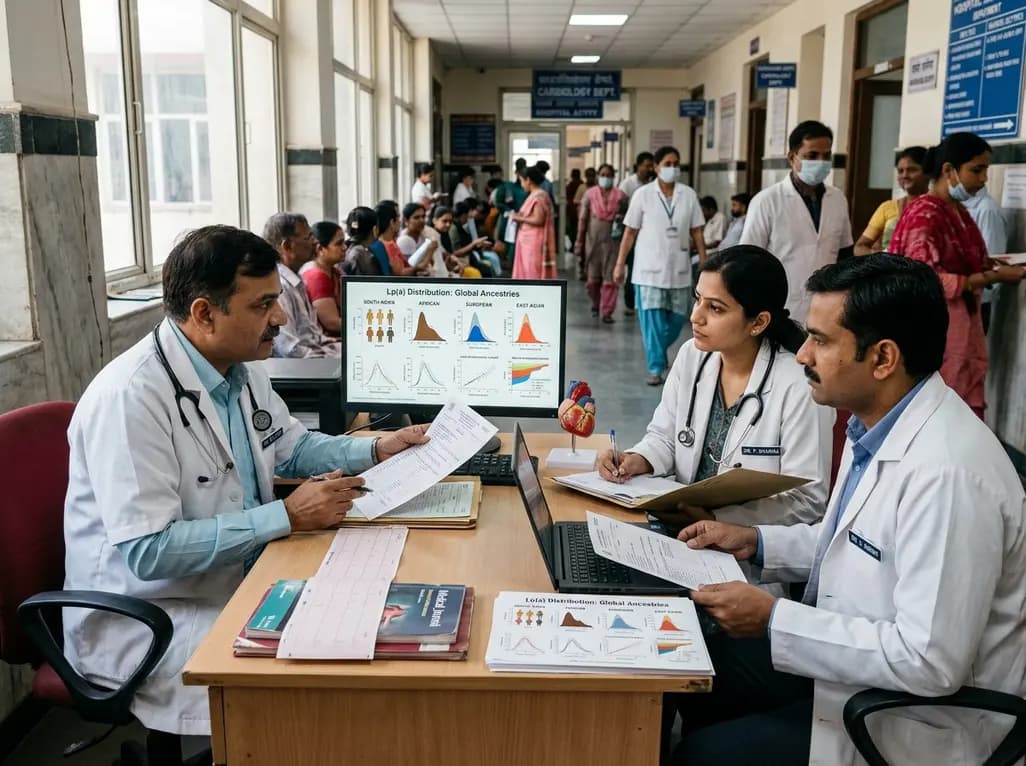
Atherosclerotic cardiovascular disease guidelines often rely on European-derived lipoprotein(a) cutoffs. However, baseline Lp(a) levels vary widely across ancestries, including South Asians and Africans. Clinicians must interpret Lp(a) values within overall absolute cardiovascular risk.
Last week
