.webp&w=384&q=75)

Loading, please wait...
Loading, please wait...

This pooled real-world analysis compared brivaracetam, cenobamate, lacosamide, and perampanel as adjunctive treatments in 1,949 adults with drug-resistant focal epilepsy from 71 epilepsy centers. Lacosamide accounted for 241 prescriptions. Cenobamate demonstrated significantly greater odds of achieving at least a 50% seizure reduction at 6 months compared with lacosamide, with similar advantages for seizure freedom and response at 12 months. However, lacosamide had the lowest incidence of adverse effects among the four treatments, occurring in 14.8% of patients, compared with 57.8% for cenobamate. Treatment retention at 12 months did not significantly differ between cenobamate and lacosamide. The findings therefore position lacosamide as an option with a comparatively favorable tolerability profile, although the study did not demonstrate superior seizure-control effectiveness compared with cenobamate.

Read summarized clinical updates, watch expert medical content, and earn CME certifications right from your smartphone.
Open your smartphone camera to scan and install.





This pooled real-world analysis compared brivaracetam, cenobamate, lacosamide, and perampanel as adjunctive treatments in 1,949 adults with drug-resistant focal epilepsy from 71 epilepsy centers. Lacosamide accounted for 241 prescriptions. Cenobamate demonstrated significantly greater odds of achieving at least a 50% seizure reduction at 6 months compared with lacosamide, with similar advantages for seizure freedom and response at 12 months. However, lacosamide had the lowest incidence of adverse effects among the four treatments, occurring in 14.8% of patients, compared with 57.8% for cenobamate. Treatment retention at 12 months did not significantly differ between cenobamate and lacosamide. The findings therefore position lacosamide as an option with a comparatively favorable tolerability profile, although the study did not demonstrate superior seizure-control effectiveness compared with cenobamate.
Today
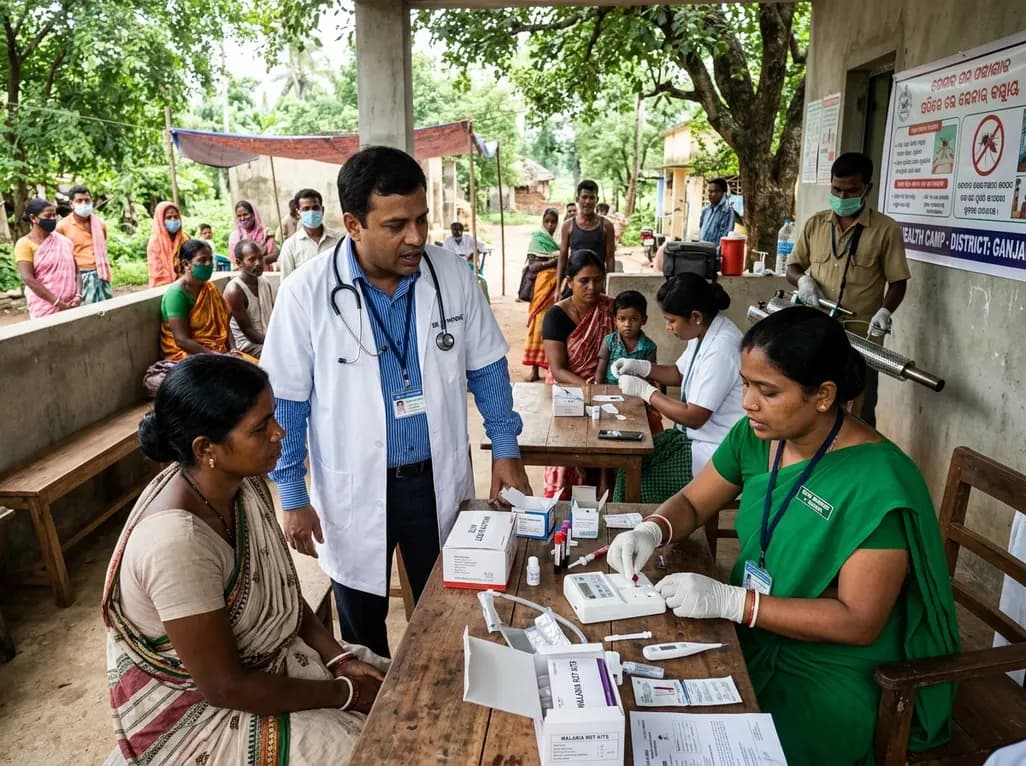
Following 37,899 reported cases and 9 deaths, Odisha has scaled up active case detection, rapid diagnostic testing, and vector control across high-burden districts. Here is a comprehensive clinical breakdown of the state's aggressive containment protocols, diagnostic pathways, and targeted field management.
Yesterday

India experiences an exponential rise in robotic-assisted procedures, with Delhi NCR leading system installations and clinical volume. Discover how multidisciplinary surgical adoption, remote telesurgery breakthroughs, and standardized international consensus guidelines are shaping surgical care nationwide.
2 days back

To curb crushing healthcare expenses, Karnataka's Food Safety and Drugs Administration has formally petitioned central authorities to institute a dedicated National List of Essential Medical Devices under the DPCO framework, establishing uniform price ceilings across twenty-four vital clinical categories.
Last week
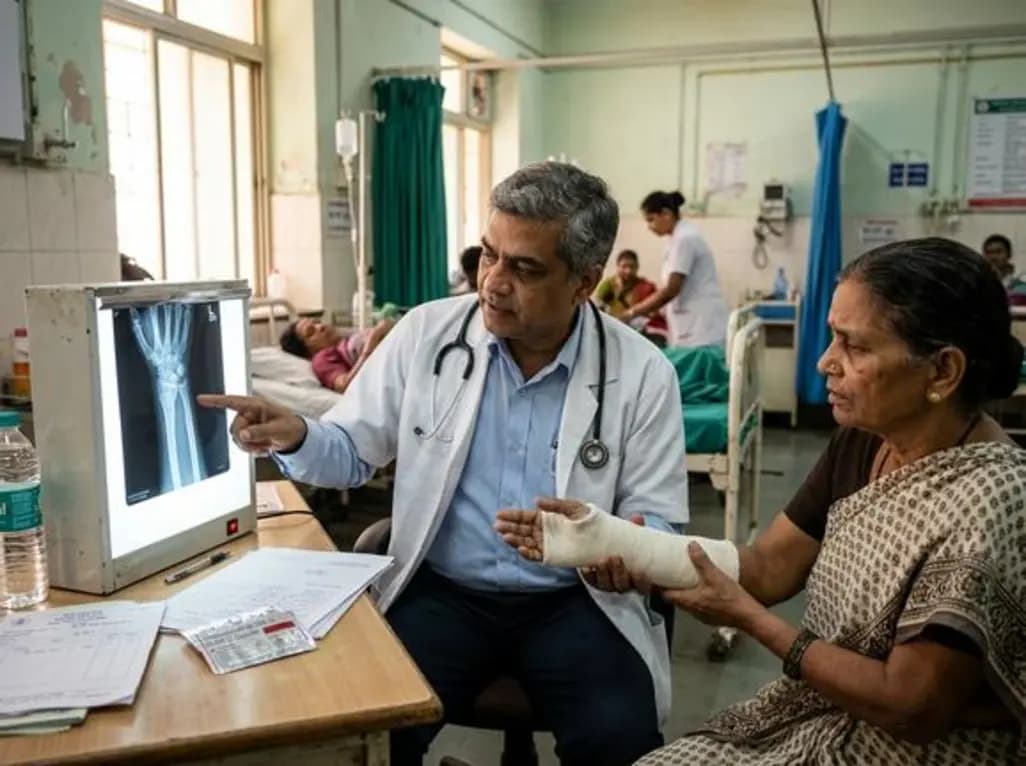
Nearly 80% of Indians suffer from inadequate Vitamin D, causing silent bone weakening and sudden fractures. This expert guide reviews why mega-dose therapy is critical for high-risk patients, the key factors driving widespread deficiency, and the mandatory medical evaluations needed to protect skeletal health.
3 months ago

A nationwide mixed-methods study evaluated hospital glycemic management systems across 265 hospitals. While real-time alerts and automatic data sync are highly valued, significant disparities in digital maturity and low satisfaction with decision support highlight the need for standardized implementation.
last month
