.webp&w=384&q=75)

Loading, please wait...
Loading, please wait...
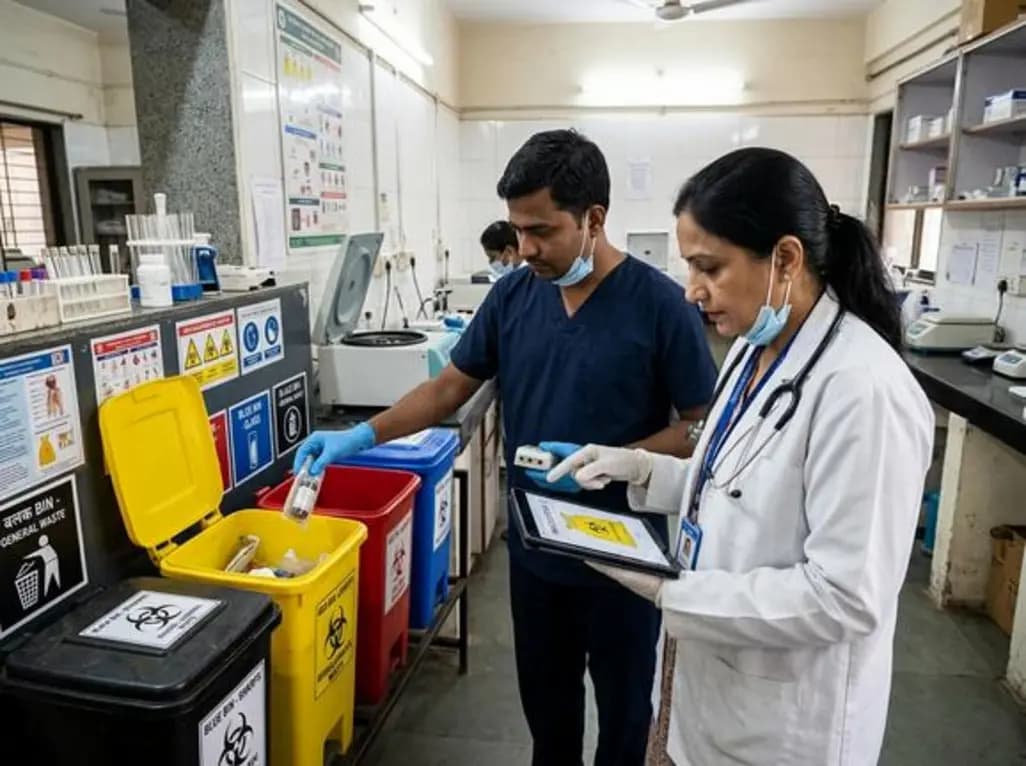
Effective Laboratory Waste Management serves as a critical pillar for protecting healthcare workers and the environment, particularly in low- and middle-income countries. As diagnostic testing volumes surge due to rising disease burdens, laboratories must handle increasing amounts of hazardous materials. Therefore, establishing sustainable protocols is no longer optional but a regulatory necessity. This review examines how clinical laboratories in resource-constrained settings can overcome structural barriers through innovation and strategic leadership.
Laboratories in resource-limited regions frequently encounter significant hurdles that impede safe disposal practices. For instance, many facilities struggle with aging infrastructure and limited access to professional waste treatment plants. Additionally, a lack of continuous training often leads to improper segregation at the source. Consequently, infectious materials might mix with general waste, increasing the risk of accidental exposure and environmental contamination. Furthermore, weak enforcement of regulatory standards often diminishes the accountability of laboratory personnel.
Adopting affordable and scalable measures can significantly strengthen Laboratory Waste Management without requiring massive capital investment. First, laboratories should optimize test utilization and workflow to minimize the volume of chemicals and reagents used. Moreover, emerging technologies like Artificial Intelligence (AI) now offer sophisticated solutions for waste classification and digital tracking. Specifically, computer vision models can assist staff in identifying waste categories accurately, reducing human error. In addition, implementing digital systems allows for real-time monitoring of waste fill levels and collection schedules, enhancing overall operational efficiency.
Successful implementation also depends heavily on multi-stakeholder engagement. For example, public-private partnerships can bridge the gap in waste processing infrastructure. Furthermore, connecting waste management efficiency to institutional performance indicators fosters a culture of accountability. Finally, providing recognition for high-performing teams encourages long-term compliance and behavioral change within the workforce.
AI improves disposal by using computer vision to classify waste types automatically. This technology reduces segregation errors and ensures that hazardous materials are routed to the correct treatment streams.
Clinicians generally categorize laboratory waste into infectious/biological waste, sharps, chemical waste, and general non-hazardous waste. Proper segregation of these categories is essential for safety and regulatory compliance.
Yes, small clinics achieve sustainability by prioritizing waste minimization at the source and collaborating with authorized Common Bio-medical Waste Treatment Facilities (CBMWTF) as per the 2016 Indian regulations.
Disclaimer: This content is for informational and educational purposes only and does not constitute professional medical or regulatory advice. Refer to the latest local and national guidelines for clinical practice.
References
Chale-Matsau B et al. A realistic and sustainable clinical laboratory waste management: challenges and opportunities in resource - limited settings. Clin Chem Lab Med. 2026 Jun 22. doi: 10.1515/cclm-2026-0193. PMID: 42319994.
Ministry of Environment, Forest and Climate Change. Bio-Medical Waste Management Rules, 2016. Government of India.
World Health Organization. Safe management of wastes from health-care activities: a summary. 2022.

Read summarized clinical updates, watch expert medical content, and earn CME certifications right from your smartphone.
Open your smartphone camera to scan and install.





Effective clinical laboratory waste management is essential for safety and quality in resource-limited settings. This article discusses affordable, scalable strategies like AI-supported waste classification and workflow optimization to ensure environmental and personnel protection.
4 months ago
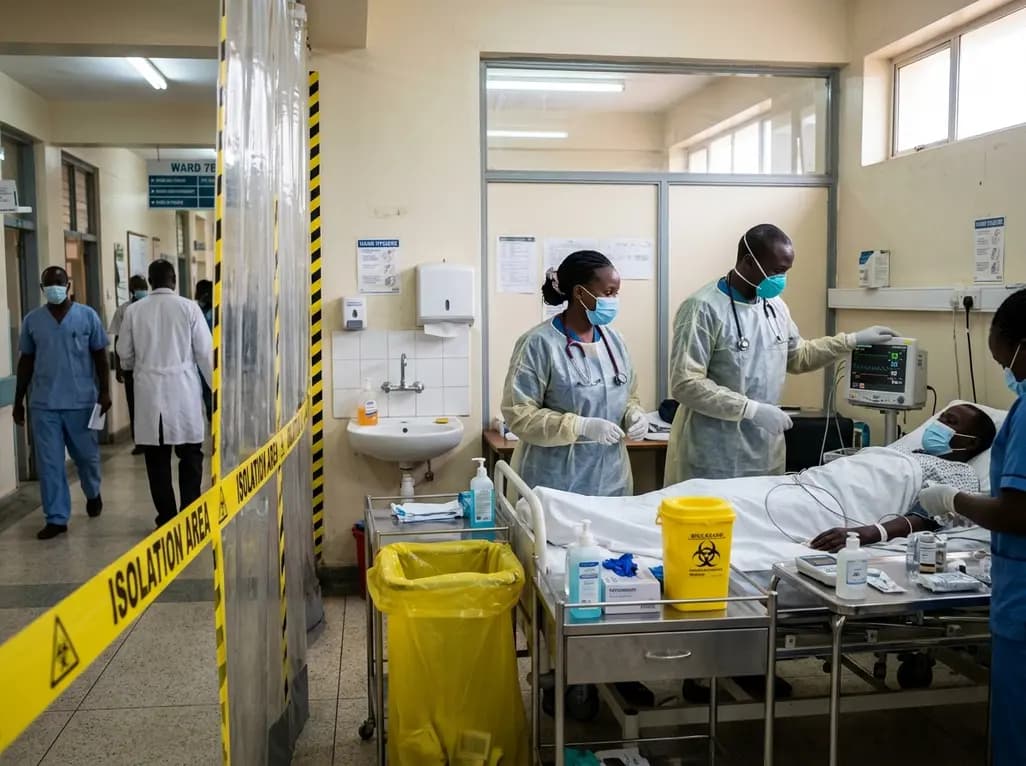
Kenya's confirmation of its eighth Ebola infection highlights the acute risk of secondary transmission in hospital environments. Clinicians must maintain high vigilance, enforce strict infection prevention protocols, and implement rapid triage mechanisms for viral hemorrhagic fevers across healthcare settings.
4 days back
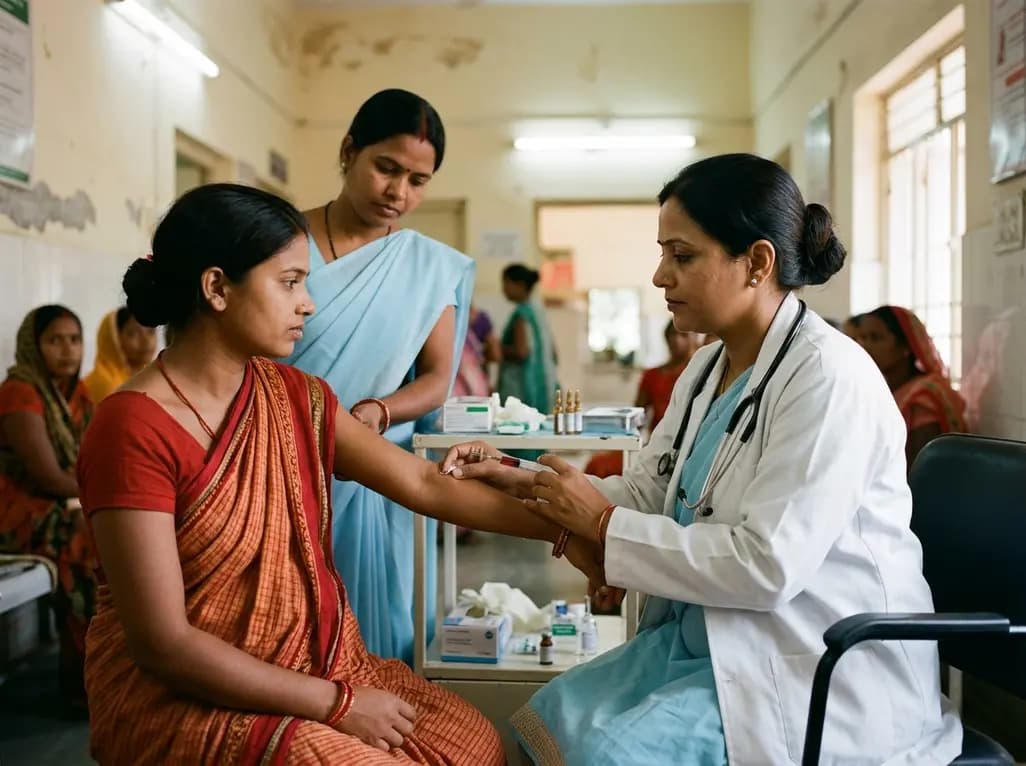
Maternal anaemia contributes to nearly half of pregnancy-related fatalities across India. To prevent complications, Uttar Pradesh has added single-dose parenteral iron to its essential medicines list. This clinical transition aims to restore haemoglobin rapidly and protect high-risk mothers across rural facilities.
Last week
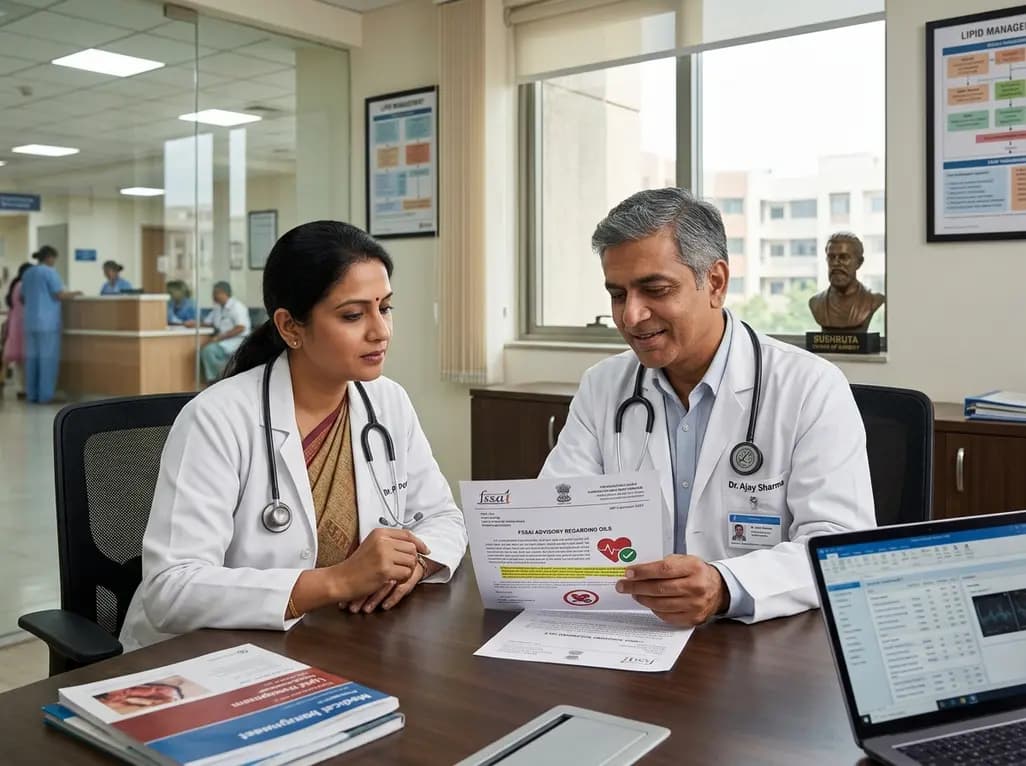
India's food safety authority FSSAI has issued show-cause notices to Gemini Edibles, BigBasket, and Flipkart for unpermitted cardiovascular claims regarding Freedom Rice Bran Oil. This regulatory move highlights the strict enforcement of advertising standards and the clinical necessity of evidence-based lipid care.
6 days back
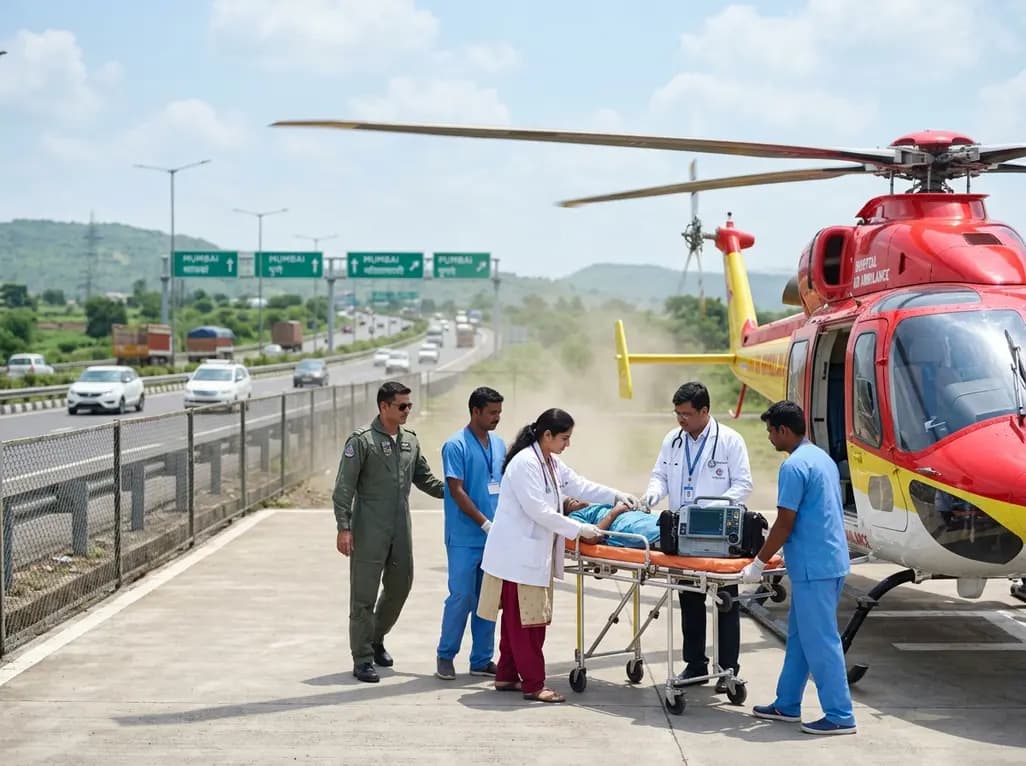
The state government is deploying helicopter emergency medical services across the Mumbai-Pune Expressway, Samruddhi Mahamarg, and Mumbai-Goa Highway. This initiative establishes unified standard operating procedures to enable rapid triage, advanced prehospital resuscitation, and seamless trauma care transfers.
Last week
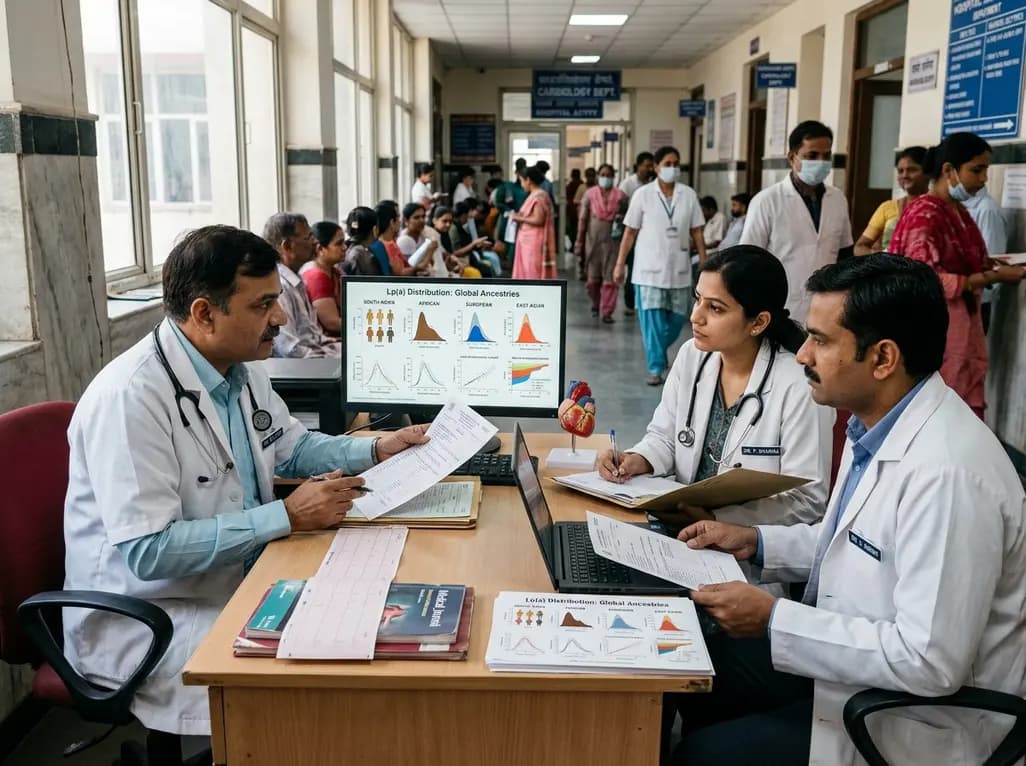
Atherosclerotic cardiovascular disease guidelines often rely on European-derived lipoprotein(a) cutoffs. However, baseline Lp(a) levels vary widely across ancestries, including South Asians and Africans. Clinicians must interpret Lp(a) values within overall absolute cardiovascular risk.
Last week
