.webp&w=384&q=75)

Loading, please wait...
Loading, please wait...
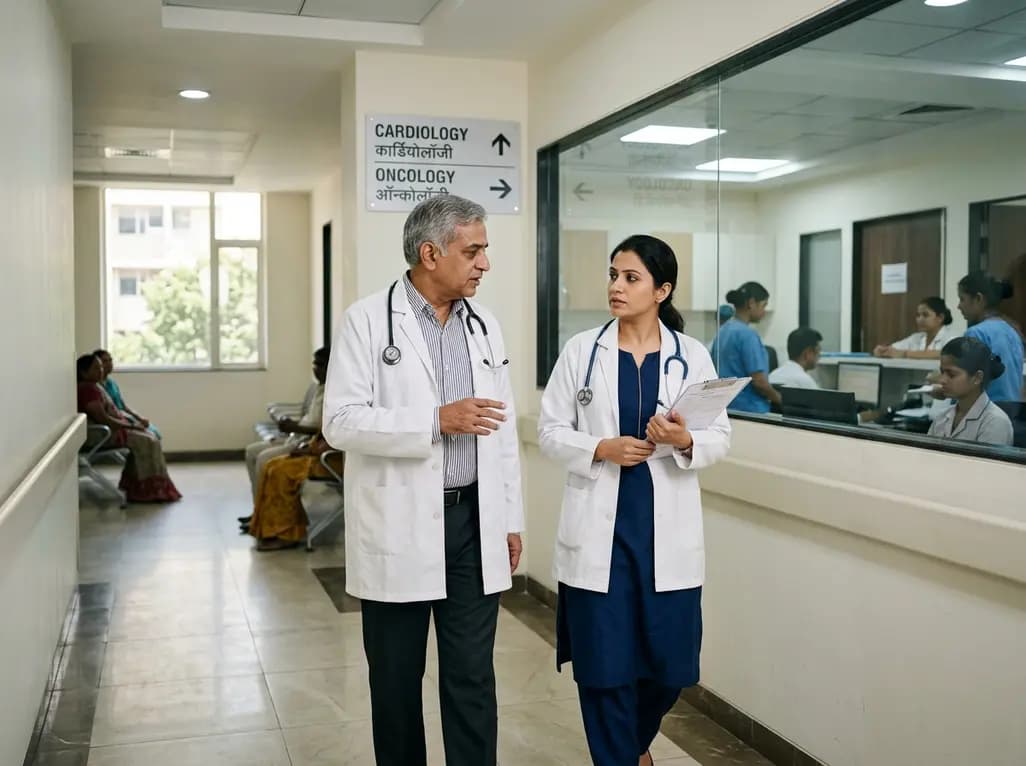
The Indian healthcare landscape is undergoing a monumental transformation driven by massive capital inflows, rising patient volumes, and an increasing demand for tertiary medical services. In a landmark strategic move, global investment giant KKR is acquiring the Indian business of Swedish healthcare operator Medicover AB in a transaction valued between Rs 13,000 crore and Rs 14,000 crore (approximately $1.5 billion). This landmark KKR Medicover India deal underscores the surging interest from private equity players looking to consolidate regional hospital networks across the nation. Furthermore, the acquisition reflects broader market dynamics where high-acuity specialties, modern infrastructure, and growing health insurance coverage are creating prime opportunities for long-term clinical expansion. Moreover, this investment provides necessary funding to clear existing corporate debt while injecting substantial primary capital into clinical operations. Consequently, medical practitioners and healthcare administrators must understand how such large-scale capital deployments influence clinical infrastructure, specialty care accessibility, and overall health delivery across South and West India.
The acquisition represents KKR's third major hospital investment in India within as many years, demonstrating a sustained commitment to building a formidable healthcare platform. Specifically, the transaction involves a complete 100% equity stake purchase from existing shareholders, which includes parent company Medicover AB and local founding physician-partners. Before this transaction, Sweden-listed Medicover Holdings BV maintained a controlling stake of approximately 66.9% in the operating entity, Sahrudaya HealthCare Private Limited. The remaining equity was held by founder Dr. Anil Krishna Gundana alongside key senior management physicians. Importantly, the overall deal value includes a dedicated primary capital infusion of Rs 3,000 crore to Rs 4,000 crore. This fresh capital will directly fund ongoing hospital projects, upgrade diagnostic capabilities, and eliminate accumulated debt obligations. Additionally, financial advisors including Kotak Mahindra and Rothschild facilitated the transaction, highlighting the thorough institutional evaluation behind the enterprise valuation. Overall, this buyout transitions the chain into a private equity-backed platform positioned for accelerated regional expansion and clinical consolidation.
A detailed review of financial statements reveals both strong operational growth and temporary structural pressures within the network. During FY25, Sahrudaya HealthCare Private Limited recorded a 13% increase in top-line revenue, reaching $217.25 million despite moderate occupancy fluctuations. Furthermore, the operator generated earnings before interest, taxes, depreciation, and amortization (EBITDA) of $25.68 million, translating to an EBITDA margin of 11.82%. However, the company simultaneously reported a net loss of $23.69 million for the same fiscal year. Credit rating assessments from ICRA indicate that ongoing net losses stem primarily from rapid capacity expansions undertaken over the past four years. Newly established hospital units typically require a gestation period before achieving optimal bed utilization and financial break-even. Moreover, the business accumulated significant external commercial borrowings from its Swedish parent, standing at Rs 2,264.5 crore as of late 2025. Nevertheless, forward-looking financial projections estimate EBITDA to reach Rs 400 crore in FY27 and jump to Rs 600 crore by FY28 as mature assets begin delivering operational efficiencies.
The acquired network represents one of the largest regional tertiary healthcare chains in Southern and Western India. Originally entering the Indian market in 2017 through the acquisition of MaxCure Hospitals, Medicover expanded its footprint into 26 tertiary and quaternary facilities. Currently, the chain operates over 6,000 licensed hospital beds across Telangana, Andhra Pradesh, Maharashtra, and Karnataka. Furthermore, the operational model heavily leveraged targeted acquisitions of distressed or under-leveraged regional healthcare facilities, rapidly turning them into modern multi-specialty clinical centers. For instance, the organization recently launched a state-of-the-art 300-bed hospital in Secunderabad by transforming an older medical site into an advanced clinical facility. Additionally, Medicover Hospitals in Navi Mumbai recently established the city's first dedicated advanced trauma center, significantly improving emergency care capabilities. The entire network is supported by a robust clinical workforce exceeding 1,250 qualified doctors alongside thousands of nursing staff. Therefore, KKR inherits a geographically contiguous network capable of serving high patient volumes across densely populated metropolitan and tier-2 urban corridors.
The influx of fresh private equity capital will directly influence clinical capacity and specialty diversification across the hospital system. Currently, core departments such as cardiology and neurology drive approximately 34% of overall inpatient revenue for the group. However, management plans to aggressively scale up advanced oncology institutes, comprehensive women and children's hospitals, and organ transplant programs across existing and prospective locations. High-acuity treatments represent a crucial operational driver, as complex procedures yield higher realisations per occupied bed and improve clinical standing. According to industry analyses, high-acuity specialties across major Indian hospital chains are growing at annual rates exceeding 15%. Consequently, primary capital deployment will allow Medicover facilities to install advanced diagnostic imaging equipment, linear accelerators for radiotherapy, and modern surgical suites. Furthermore, enhanced financial backing enables the chain to recruit specialized medical faculty, launch clinical research initiatives, and standardize evidence-based clinical protocols across centers. Ultimate benefit accrues to patients who gain broader access to multi-specialty tertiary care within their local geographical regions.
This multi-billion-dollar deal illustrates a wider trend of global private equity funds targeting India's under-bedded private hospital sector. Following its successful exit from Max Healthcare with a fivefold return, KKR has actively sought platform acquisitions across regional markets. For example, KKR previously acquired controlling stakes in Healthcare Global Enterprises to build a specialized oncology network and invested in Baby Memorial Hospital in Kerala. Industry reports from EY-Parthenon show that major Indian hospital chains maintain robust revenue and EBITDA growth above 15% annually. Operating fundamentals remain strong, supported by stable bed occupancy levels ranging between 60% and 75%. Furthermore, rising personal incomes, expanding private health insurance penetration, and increasing medical value travel continue to drive patient footfalls. Private equity funds act as major market consolidators, providing capital to integrate fragmented regional hospitals into efficient health systems. Therefore, physician leaders can expect continued institutionalization of medical practice, increased emphasis on operational efficiency metrics, and expanded clinical infrastructure across the private healthcare sector in coming years.
Q1: What are the key financial terms of the KKR acquisition of Medicover India?
The acquisition values Medicover's Indian operations at Rs 13,000 to Rs 14,000 crore (approximately $1.5 billion). The deal includes a 100% equity stake purchase from Medicover AB and doctor-founders, alongside a primary capital infusion of Rs 3,000 to Rs 4,000 crore. This fresh capital will fund expansion projects and repay existing corporate debts, stabilizing debt protection metrics while building long-term clinical capacity.
Q2: How large is Medicover's current healthcare infrastructure and clinical reach in India?
Medicover Hospitals currently operates 26 multi-specialty facilities with over 6,000 beds across Telangana, Andhra Pradesh, Maharashtra, and Karnataka. Supported by a clinical workforce of more than 1,250 doctors, the network provides tertiary care across cardiology, neurology, oncology, and emergency medicine. Recent infrastructure expansions include a modern 300-bed facility in Secunderabad and an advanced dedicated trauma center in Navi Mumbai, significantly broadening clinical access.
Q3: How will this deal affect clinical specialty services and patient care delivery?
The transaction provides fresh primary capital to expand high-acuity medical departments beyond core strengths in cardiology and neurology, which currently generate 34% of inpatient revenue. The network plans to expand comprehensive oncology centers, specialized pediatric care, and advanced surgical facilities. Patients will benefit from upgraded medical equipment, broader access to super-specialty doctors, and improved clinical infrastructure across regional hospital centers.
Disclaimer: This content is for informational and educational purposes only. It does not constitute medical advice or replace professional judgment. Refer to the latest local and national guidelines for clinical practice.
References

Read summarized clinical updates, watch expert medical content, and earn CME certifications right from your smartphone.
Open your smartphone camera to scan and install.





Global buyout firm KKR is set to acquire Medicover India in a landmark $1.5 billion transaction. The deal provides primary capital to clear debt, expand tertiary care, and strengthen high-acuity specialties like cardiology and oncology across 26 hospitals.
last month

A nationwide mixed-methods study evaluated hospital glycemic management systems across 265 hospitals. While real-time alerts and automatic data sync are highly valued, significant disparities in digital maturity and low satisfaction with decision support highlight the need for standardized implementation.
Last week
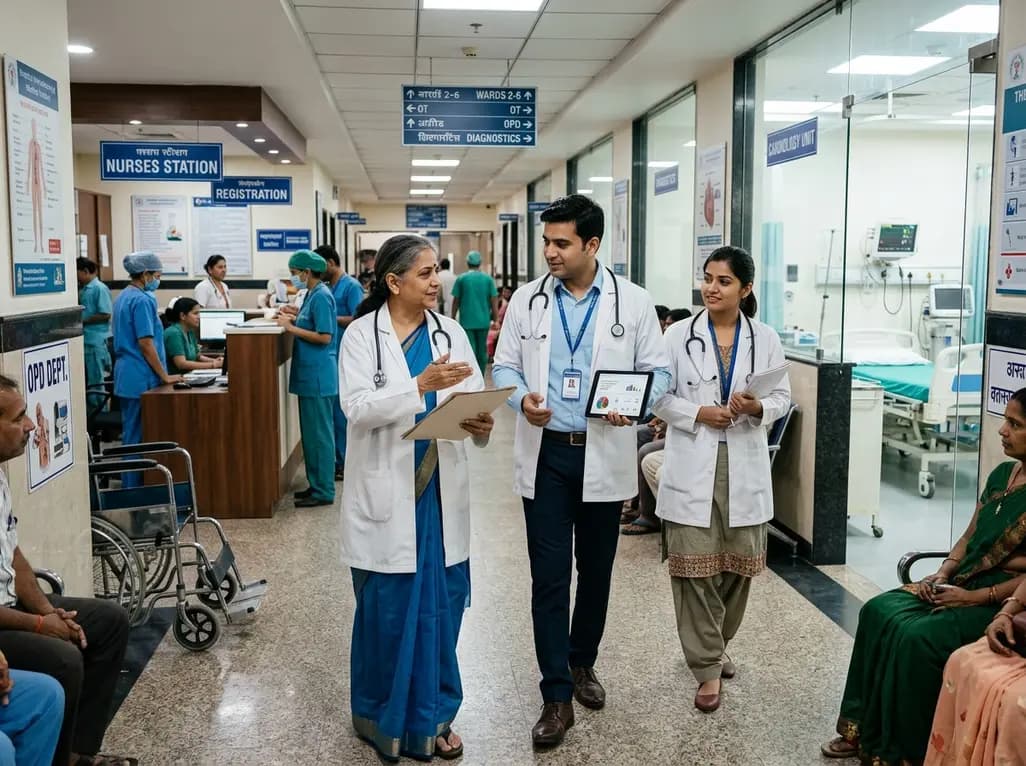
Private equity firm LeapFrog Investments plans to deploy up to $100 million across Indian healthcare over the next two years. The capital will target asset-light delivery models, non-metro hospital networks, diagnostics, and single-specialty clinical infrastructure.
Last week
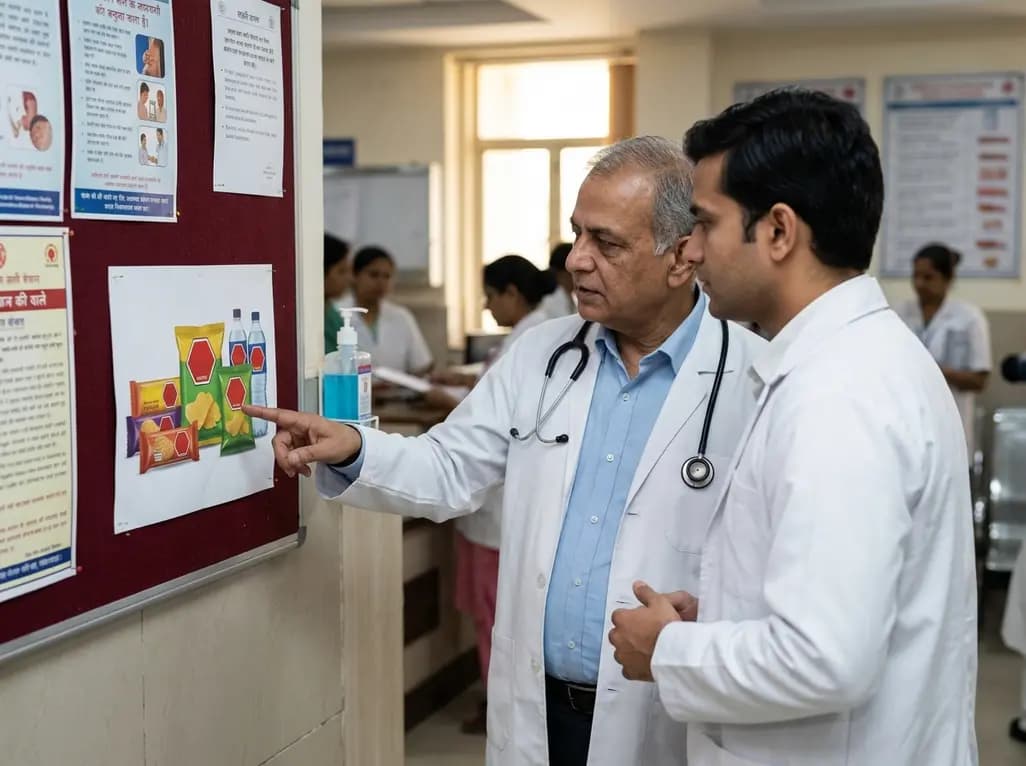
The Food Safety and Standards Authority of India has proposed front-of-pack warning labels with a red hexagonal graphic for packaged items high in sugar, fat, or salt. This critical public health initiative aims to combat non-communicable diseases and empower consumers across the country.
Last week
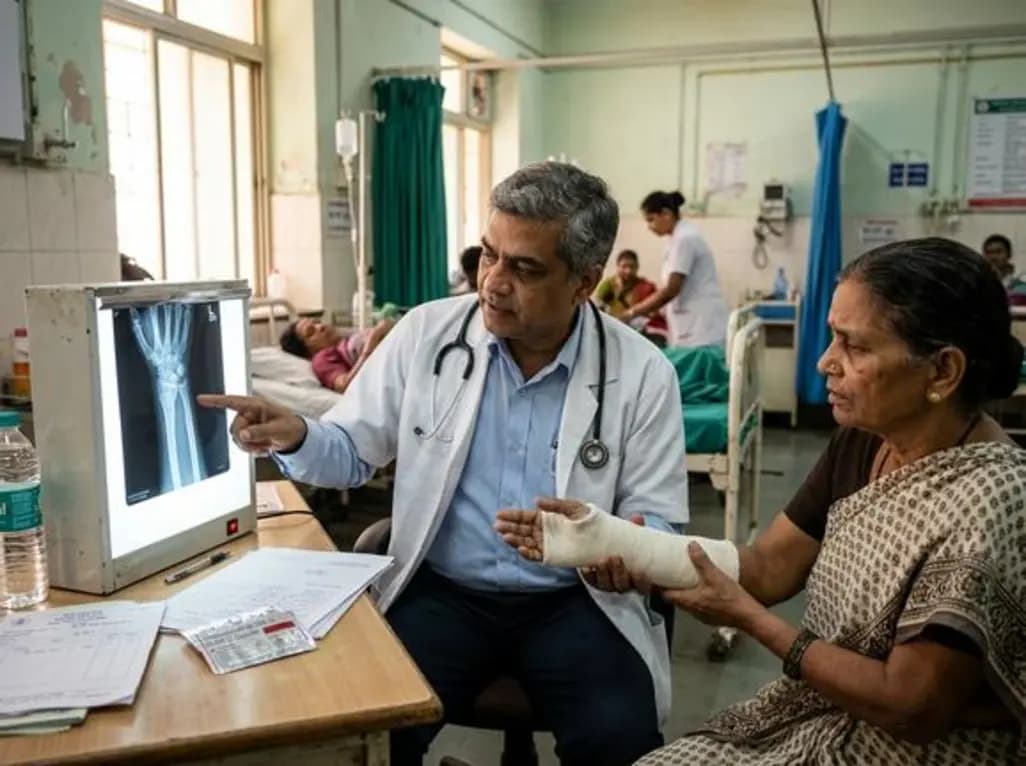
Nearly 80% of Indians suffer from inadequate Vitamin D, causing silent bone weakening and sudden fractures. This expert guide reviews why mega-dose therapy is critical for high-risk patients, the key factors driving widespread deficiency, and the mandatory medical evaluations needed to protect skeletal health.
2 months ago
The Supreme Court of India has sharply criticized the Food Safety and Standards Authority of India for delaying front-of-package warning labels. With non-communicable diseases causing over 6 million deaths annually, clear nutritional warnings are critical to combat childhood obesity, diabetes, and cardiovascular risk.
3 weeks back
