.webp&w=384&q=75)

Loading, please wait...
Loading, please wait...
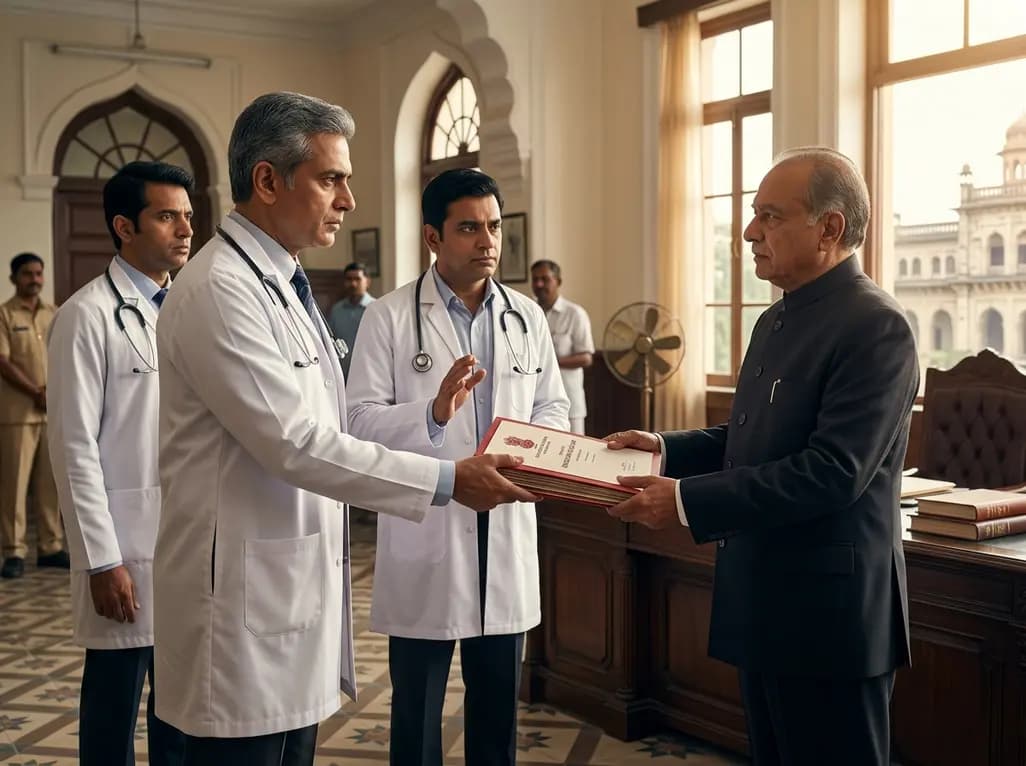
King George’s Medical University (KGMU) recently submitted a comprehensive investigation report to the Uttar Pradesh government detailing the alleged KGMU medicine scam. Specifically, this administrative action follows directives from Deputy Chief Minister Brajesh Pathak. Consequently, a high-level committee scrutinized several serious allegations of financial fraud and unethical practices in key hospital departments.
The primary investigation focused on the urology department, where officials suspected a multi-crore fraud. Specifically, investigators evaluated the procurement and distribution of expensive medicines under the government-funded Asadhya Yojana scheme. Moreover, preliminary audits revealed that the department's monthly drug expenses rose sharply from ten lakh to forty-five lakh rupees. Consequently, the inquiry panel examined allegations that staff issued high-cost cancer drugs in the names of fictitious or deceased patients. However, further administrative reviews are necessary to establish individual accountability.
The probe committee also investigated concerns within the ophthalmology department. In this case, reports suggested that doctors were directing patients to buy lenses and medicines from select private medical shops. Consequently, investigators examined various records, including surgery logs, departmental procedures, and patient prescriptions. Additionally, a five-member internal panel gathered formal statements from several hospital staff members. Therefore, the final three-page report includes detailed responses to twenty specific points raised by the state government.
Q1: What triggered the investigation into the KGMU medicine scam?
The state government initiated the inquiry after noticing a suspicious spike in monthly medicine expenditures. Specifically, urology department drug costs rose dramatically. These expenses went from ten lakh rupees to forty-five lakh rupees within a few months.
Q2: What allegations were raised against the ophthalmology department?
The inquiry examined allegations that ophthalmology patients were being directed to purchase lenses and medicines from select private medical stores. Consequently, investigators reviewed departmental procedures, prescriptions, and surgery-related documents to assess compliance with hospital policies.
Q3: What are the next steps after the submission of the probe report?
The Uttar Pradesh government will review the three-page report and its replies to the twenty specific points. Subsequently, state officials will decide on disciplinary actions against any complicit staff members or external entities.
Disclaimer: This content is for informational and educational purposes only. It does not constitute medical advice or replace professional judgment. Refer to the latest local and national guidelines for clinical practice.
References

Read summarized clinical updates, watch expert medical content, and earn CME certifications right from your smartphone.
Open your smartphone camera to scan and install.





King George's Medical University has submitted an inquiry report to the UP government regarding a Rs 2.5-crore medicine scam in its urology and ophthalmology departments. The probe investigated irregularities in drug distribution and patient redirection to private shops.
4 months ago
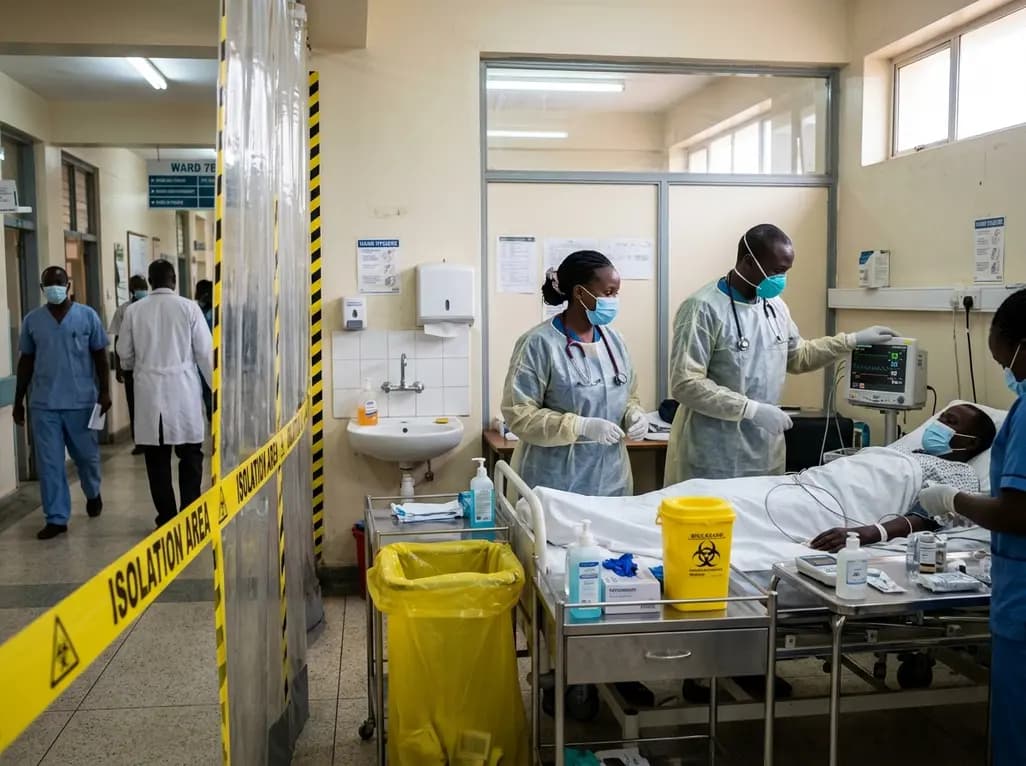
Kenya's confirmation of its eighth Ebola infection highlights the acute risk of secondary transmission in hospital environments. Clinicians must maintain high vigilance, enforce strict infection prevention protocols, and implement rapid triage mechanisms for viral hemorrhagic fevers across healthcare settings.
4 days back
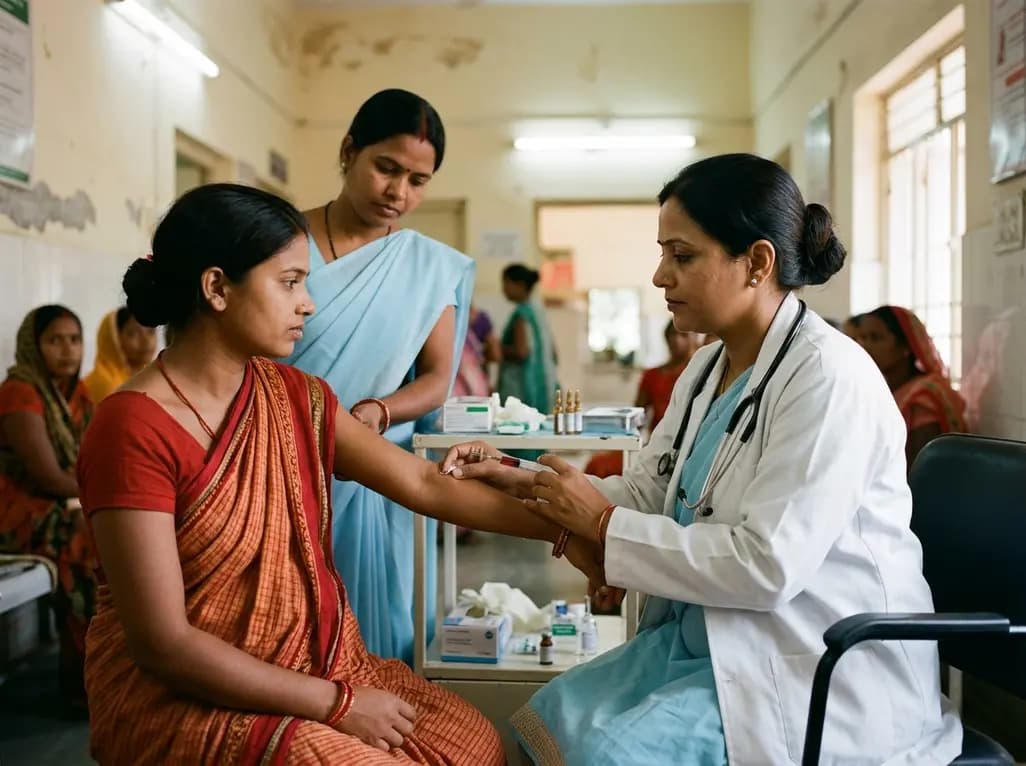
Maternal anaemia contributes to nearly half of pregnancy-related fatalities across India. To prevent complications, Uttar Pradesh has added single-dose parenteral iron to its essential medicines list. This clinical transition aims to restore haemoglobin rapidly and protect high-risk mothers across rural facilities.
Last week
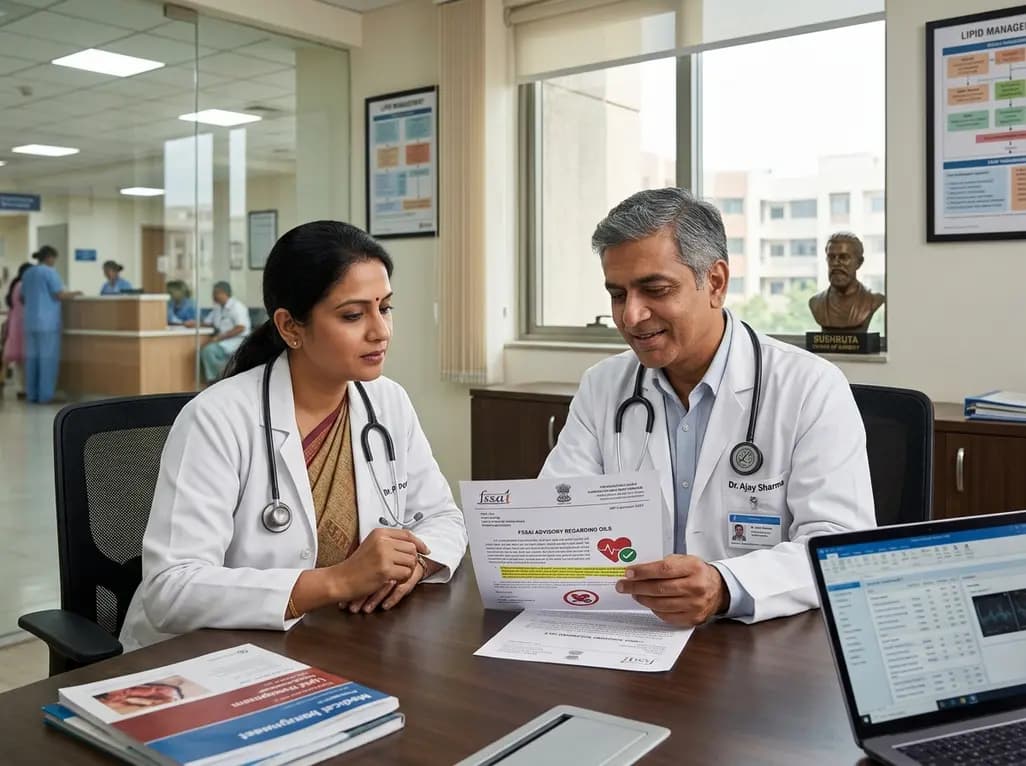
India's food safety authority FSSAI has issued show-cause notices to Gemini Edibles, BigBasket, and Flipkart for unpermitted cardiovascular claims regarding Freedom Rice Bran Oil. This regulatory move highlights the strict enforcement of advertising standards and the clinical necessity of evidence-based lipid care.
6 days back
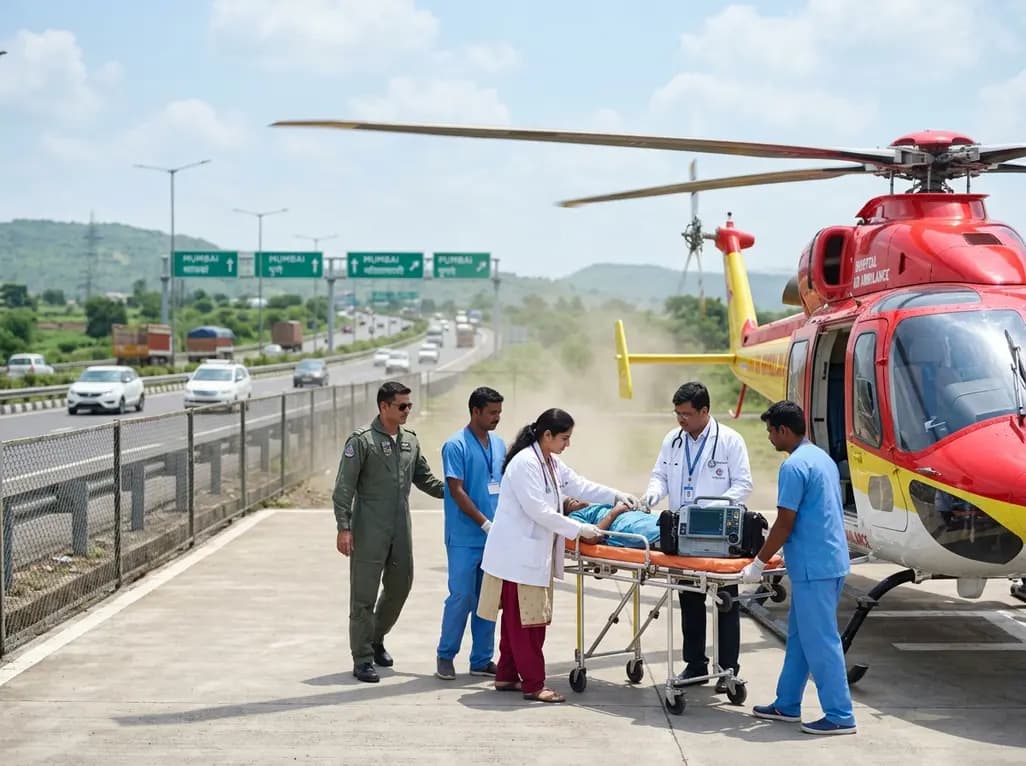
The state government is deploying helicopter emergency medical services across the Mumbai-Pune Expressway, Samruddhi Mahamarg, and Mumbai-Goa Highway. This initiative establishes unified standard operating procedures to enable rapid triage, advanced prehospital resuscitation, and seamless trauma care transfers.
Last week
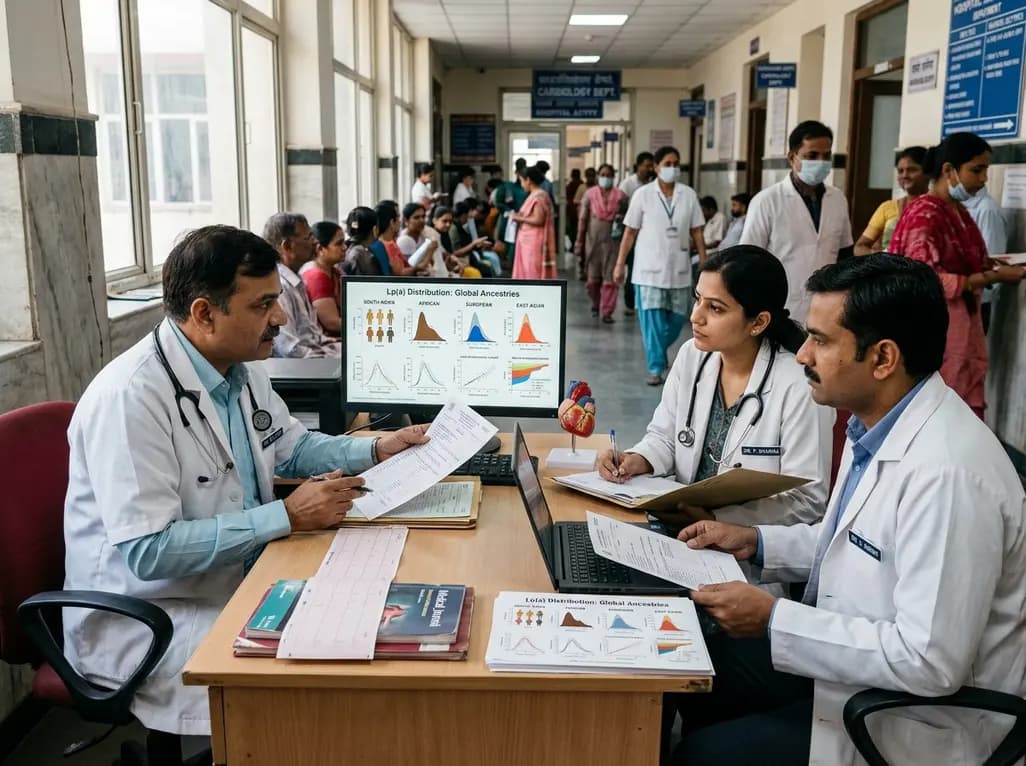
Atherosclerotic cardiovascular disease guidelines often rely on European-derived lipoprotein(a) cutoffs. However, baseline Lp(a) levels vary widely across ancestries, including South Asians and Africans. Clinicians must interpret Lp(a) values within overall absolute cardiovascular risk.
Last week
