.webp&w=384&q=75)

Loading, please wait...
Loading, please wait...
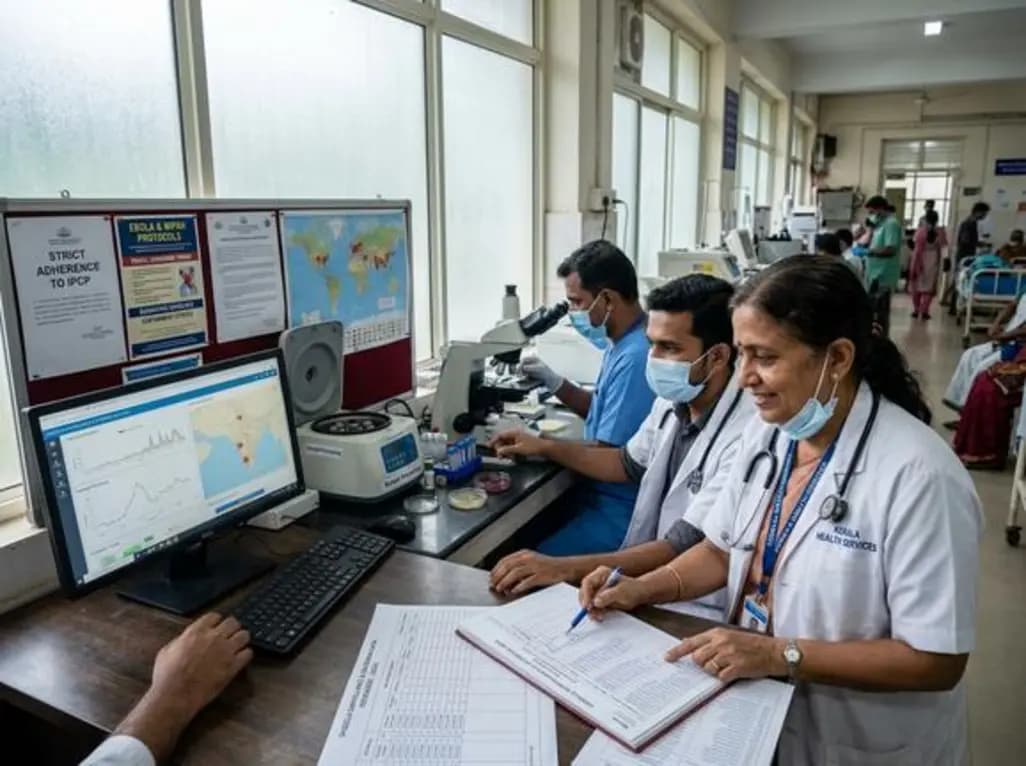
The recent rise in Shigella cases in Kerala has prompted urgent action from the state health department. Specifically, health officials confirmed ten additional infections on Monday, pushing this year's total caseload to 226. In addition, the state continues to manage other infectious threats, including Nipah and Ebola. Therefore, medical professionals across the state must remain vigilant regarding these concurrent public health challenges.
Historically, monsoon seasons in Kerala trigger an uptick in waterborne diarrheal diseases. Consequently, the government reported 150 Shigella cases and six deaths in June alone. Kozhikode and Wayanad are currently facing declared outbreaks, while other districts also report sporadic infections. Because of this, the state has launched a comprehensive anti-diarrheal campaign. This campaign runs from June 16 to July 31 to distribute essential supplies like ORS and zinc. Furthermore, public health teams are actively testing water quality and promoting personal hygiene to break the transmission chain.
Meanwhile, Kerala has achieved significant success in containing the Nipah virus in Kozhikode. Health Minister K Muraleedharan confirmed that the virus did not spread beyond the primary patient. To achieve this, health officials exhaustively mapped the patient’s movements and monitored potential contacts. Currently, 104 people remain on the active contact list, with four individuals classified as very high risk. However, all fifteen symptomatic contacts have tested negative for the virus. Overall, the coordinated work of ASHA workers and medical teams successfully checked the spread.
In addition to regional outbreaks, Kerala is taking proactive steps against global health threats. Specifically, the state intensified its vigilance against Ebola following recent outbreaks in Central and East Africa. Consequently, authorities deployed specialized health workers to airports and major seaports to monitor incoming international travelers. Incoming passengers from affected areas must undergo a mandatory 21-day quarantine under close medical observation. So far, the state has monitored 206 travelers, with 74 individuals currently in home quarantine. Therefore, these measures provide a robust shield against exotic viral pathogens.
Q1: What are the main symptoms of a Shigella infection?
A Shigella infection typically causes severe diarrhea, high fever, nausea, vomiting, and stomach cramps. Importantly, these symptoms usually appear within two days of exposure and can lead to severe dehydration in vulnerable populations.
Q2: How is Kerala containing the Nipah virus?
The state has successfully contained Nipah by tracing contacts, mapping patient movements, and establishing isolation wards. Additionally, health teams continue to monitor 104 contacts, although all symptomatic contacts have tested negative.
Q3: What quarantine measures are in place for Ebola prevention?
Travelers arriving from Ebola-affected regions must undergo a mandatory 21-day quarantine. Furthermore, dedicated health teams monitor these individuals, and isolation facilities have been set up in all fourteen districts.
Disclaimer: This content is for informational and educational purposes only. It does not constitute medical advice or replace professional judgment. Refer to the latest local and national guidelines for clinical practice.
References

Read summarized clinical updates, watch expert medical content, and earn CME certifications right from your smartphone.
Open your smartphone camera to scan and install.





Kerala reports ten new Shigella infections, bringing the yearly tally to 226 cases. While authorities successfully contained the Nipah virus in Kozhikode, they have intensified screening and quarantine measures for travelers from Ebola-affected countries to prevent further transmission of contagious pathogens.
4 months ago
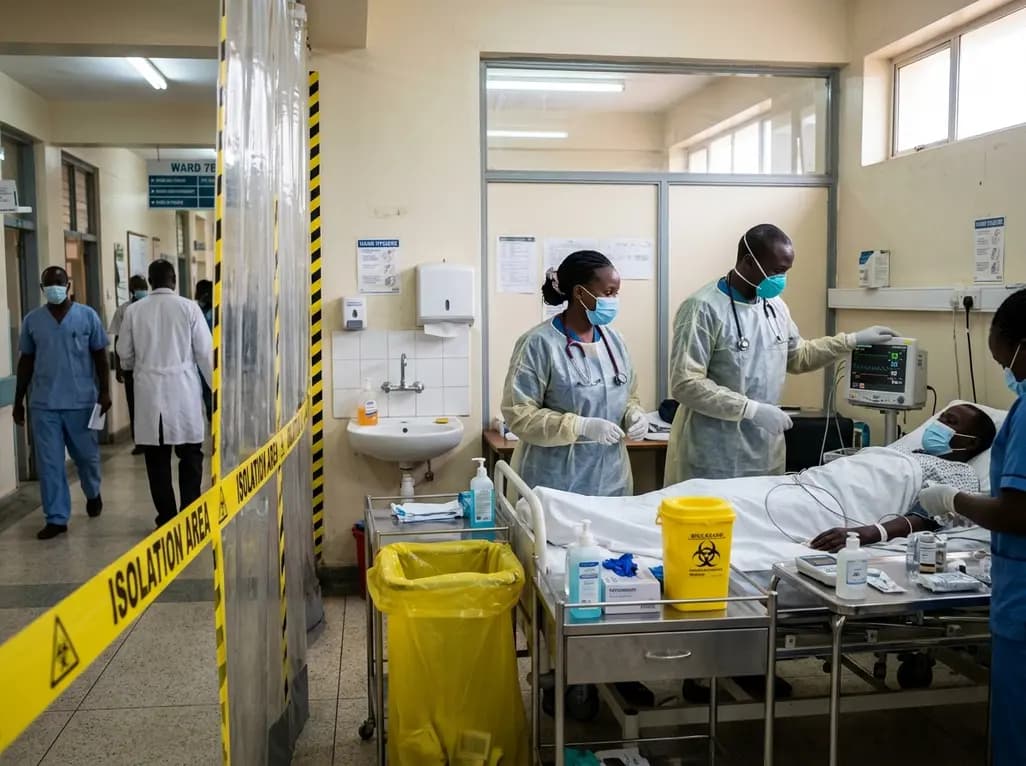
Kenya's confirmation of its eighth Ebola infection highlights the acute risk of secondary transmission in hospital environments. Clinicians must maintain high vigilance, enforce strict infection prevention protocols, and implement rapid triage mechanisms for viral hemorrhagic fevers across healthcare settings.
6 days back
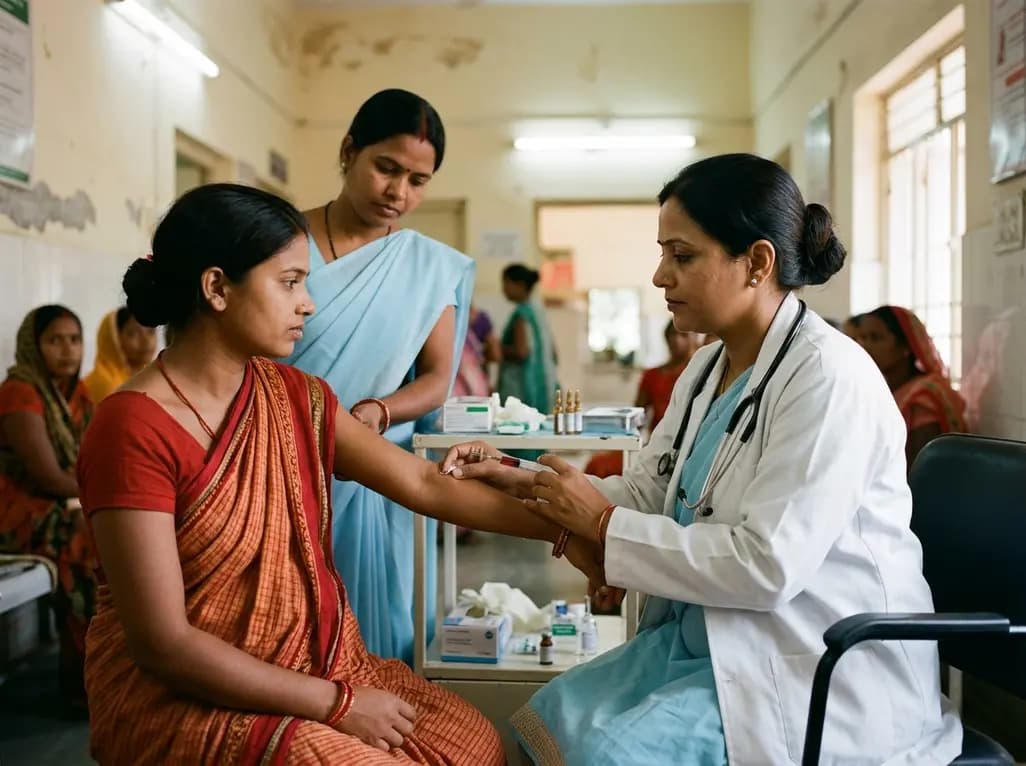
Maternal anaemia contributes to nearly half of pregnancy-related fatalities across India. To prevent complications, Uttar Pradesh has added single-dose parenteral iron to its essential medicines list. This clinical transition aims to restore haemoglobin rapidly and protect high-risk mothers across rural facilities.
2 weeks back
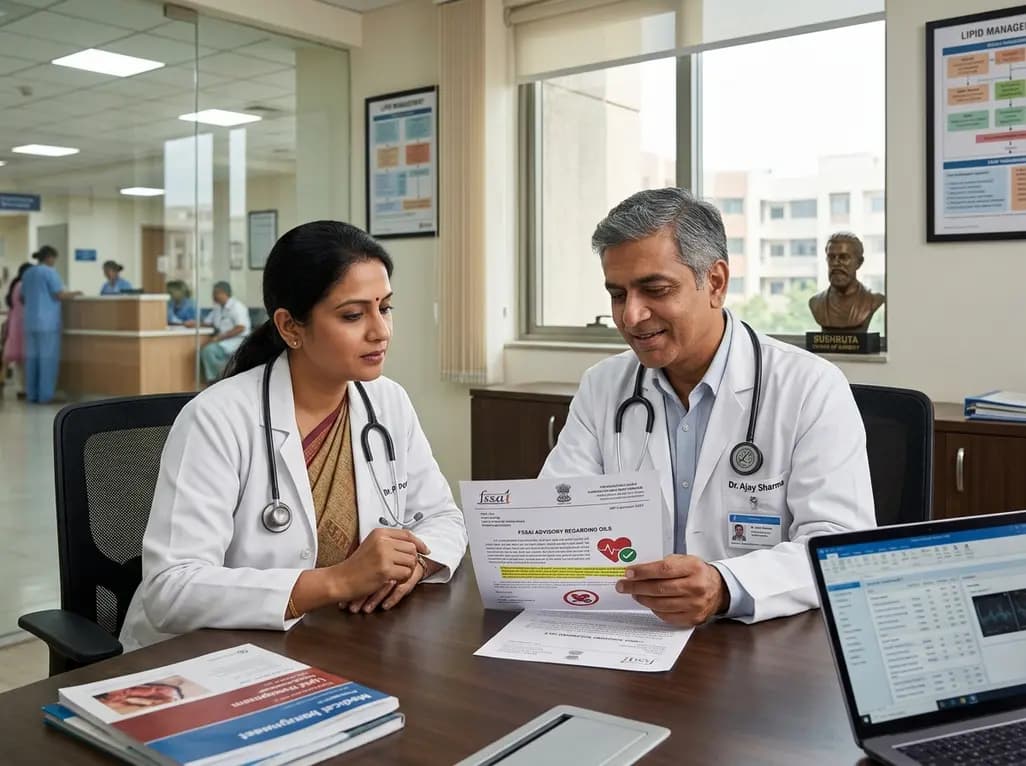
India's food safety authority FSSAI has issued show-cause notices to Gemini Edibles, BigBasket, and Flipkart for unpermitted cardiovascular claims regarding Freedom Rice Bran Oil. This regulatory move highlights the strict enforcement of advertising standards and the clinical necessity of evidence-based lipid care.
Last week
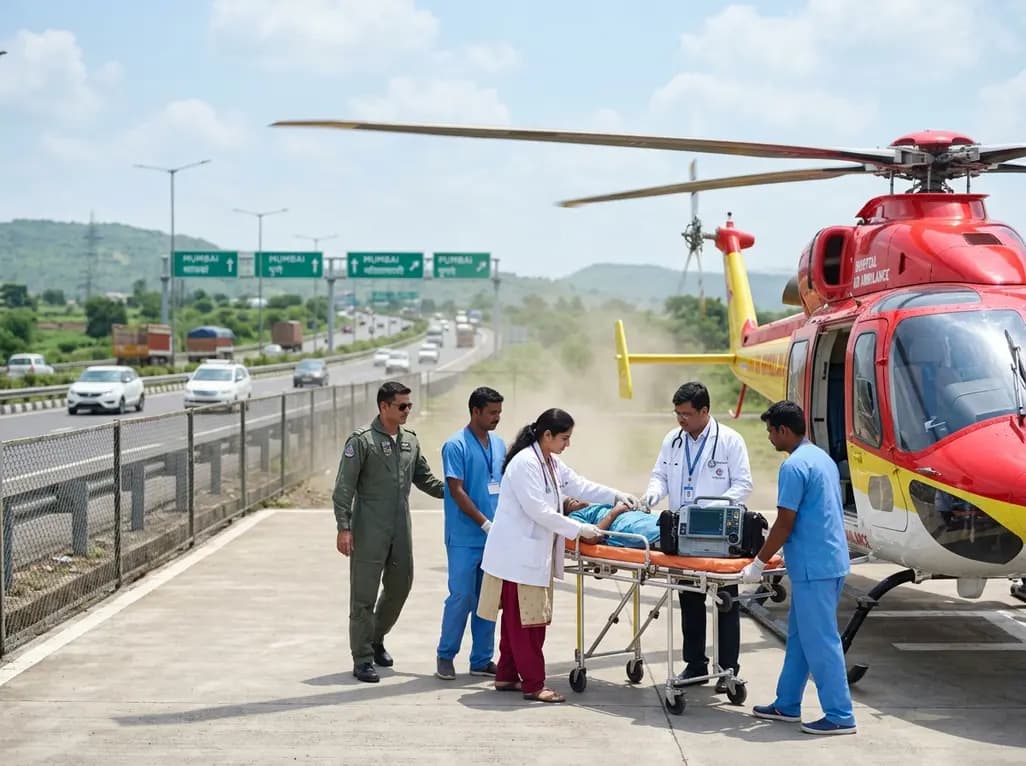
The state government is deploying helicopter emergency medical services across the Mumbai-Pune Expressway, Samruddhi Mahamarg, and Mumbai-Goa Highway. This initiative establishes unified standard operating procedures to enable rapid triage, advanced prehospital resuscitation, and seamless trauma care transfers.
Last week
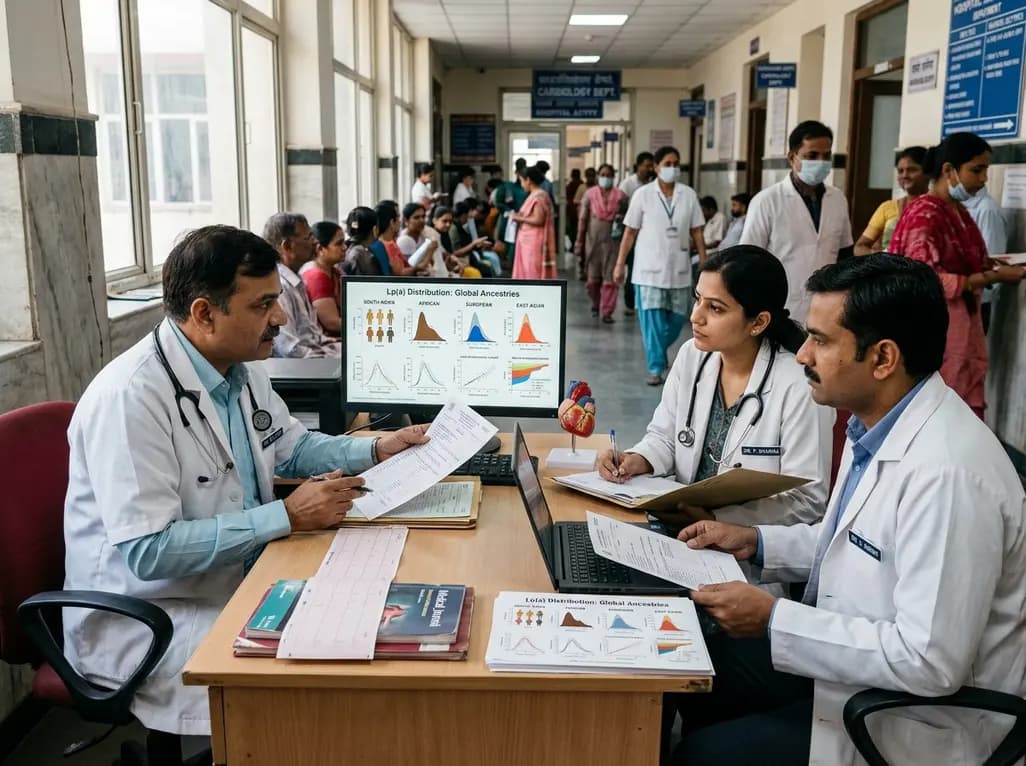
Atherosclerotic cardiovascular disease guidelines often rely on European-derived lipoprotein(a) cutoffs. However, baseline Lp(a) levels vary widely across ancestries, including South Asians and Africans. Clinicians must interpret Lp(a) values within overall absolute cardiovascular risk.
2 weeks back
