.webp&w=384&q=75)

Loading, please wait...
Loading, please wait...
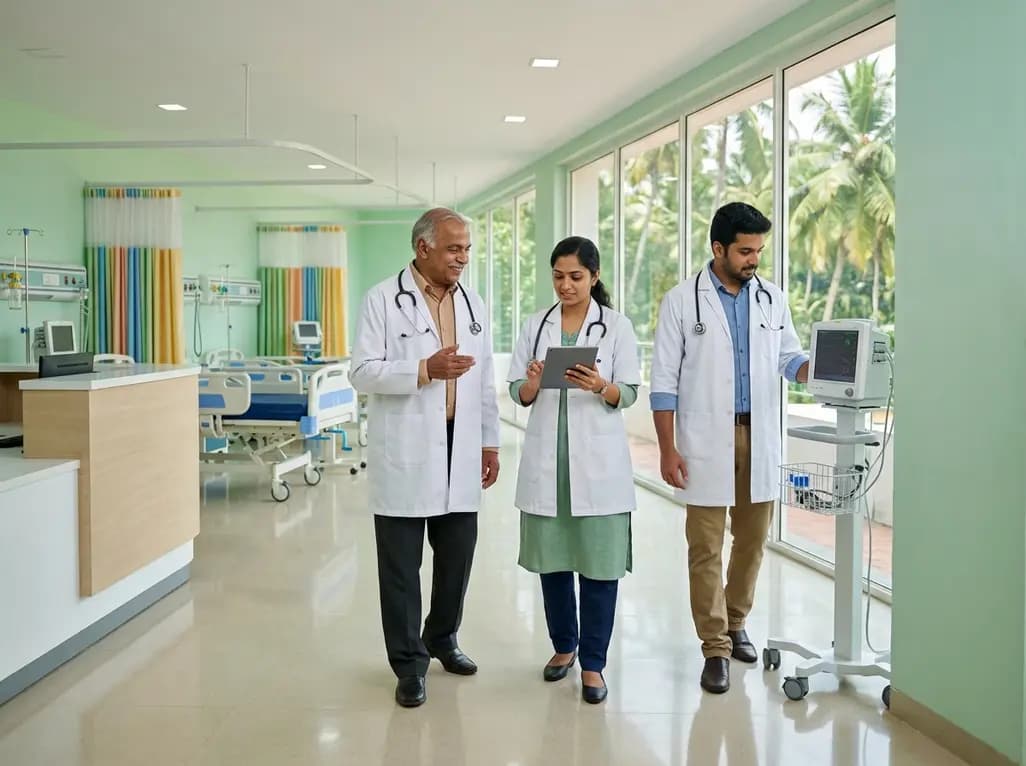
Kerala Health Minister K Muraleedharan recently addressed concerns regarding the integration of corporate funds into state-run medical facilities. He strongly asserted that utilising Corporate Social Responsibility (CSR) funds does not equate to privatisation. Instead, this strategic initiative aims to modernise Kerala public healthcare infrastructure while retaining complete government ownership. Consequently, the state plans to collaborate with private entities to construct modern buildings and acquire advanced medical equipment.
Currently, the state's healthcare department grapples with a massive financial burden. Therefore, seeking external partnerships has become essential for rapid modernization. Specifically, the government faces pending liabilities of Rs 2,493 crore, including Rs 476 crore owed to pharmaceutical suppliers. Meanwhile, outstanding dues of Rs 2,017 crore persist under the Karunya Health Protection Scheme. As a result of these severe financial strains, government institutions face shortages of life-saving medical devices and essential medicines. Furthermore, these fiscal deficits have delayed critical surgical procedures in several district hospitals. By leveraging CSR funds, the state aims to overcome these severe infrastructure challenges.
To systematically identify and resolve these administrative challenges, the minister launched the statewide 'Kayakalpam' public outreach programme in Kozhikode. This major campaign seeks to address the daily crises experienced by both patients and healthcare administrators. Additionally, local health officials will conduct detailed assessments of existing medical infrastructure. They will aggressively identify equipment shortages, structural gaps, and vacant medical personnel posts. Moreover, this extensive evaluation will highlight unsafe hospital buildings. Thus, the government can prevent patients from suffering on hospital floors due to lack of ward facilities. Ultimately, this program ensures better healthcare delivery across primary, community, and district healthcare centers.
In addition to infrastructure upgrades, the minister announced plans to introduce an advanced virtual autopsy system. This high-tech system will enable non-invasive post-mortem examinations, significantly reducing the emotional distress of grieving families. Furthermore, the state is seeking central approval to acquire forest land for expanding the Government Medical College Hospital at Mananthavady in Wayanad. Consequently, this expansion will ease the patient burden on Kozhikode Medical College. Muraleedharan also urged local representatives, including MPs and MLAs, to allocate their development funds specifically to the healthcare sector.
Q1: Why is the Kerala government using CSR funds for public hospital development?
The state government is using CSR funds to modernise hospital buildings and improve medical facilities rapidly. This strategy helps overcome severe infrastructure challenges and financial strain without privatising the public healthcare sector.
Q2: What is the primary purpose of the 'Kayakalpam' outreach programme?
The 'Kayakalpam' initiative aims to systematically identify and address infrastructural gaps, equipment shortages, and healthcare staff vacancies across community, primary, and district hospitals.
Q3: How will the proposed virtual autopsy system benefit forensic investigations in Kerala?
The virtual autopsy system allows medical personnel to perform post-mortem examinations without using invasive procedures. This technology will significantly reduce emotional distress for grieving families and modernise forensic science.
Disclaimer: This content is for informational and educational purposes only. It does not constitute medical advice or replace professional judgment. Refer to the latest local and national guidelines for clinical practice.
References

Read summarized clinical updates, watch expert medical content, and earn CME certifications right from your smartphone.
Open your smartphone camera to scan and install.





Kerala Health Minister K Muraleedharan announced CSR funding plans for hospital modernization and launched the Kayakalpam initiative to bridge health gaps....
4 months ago
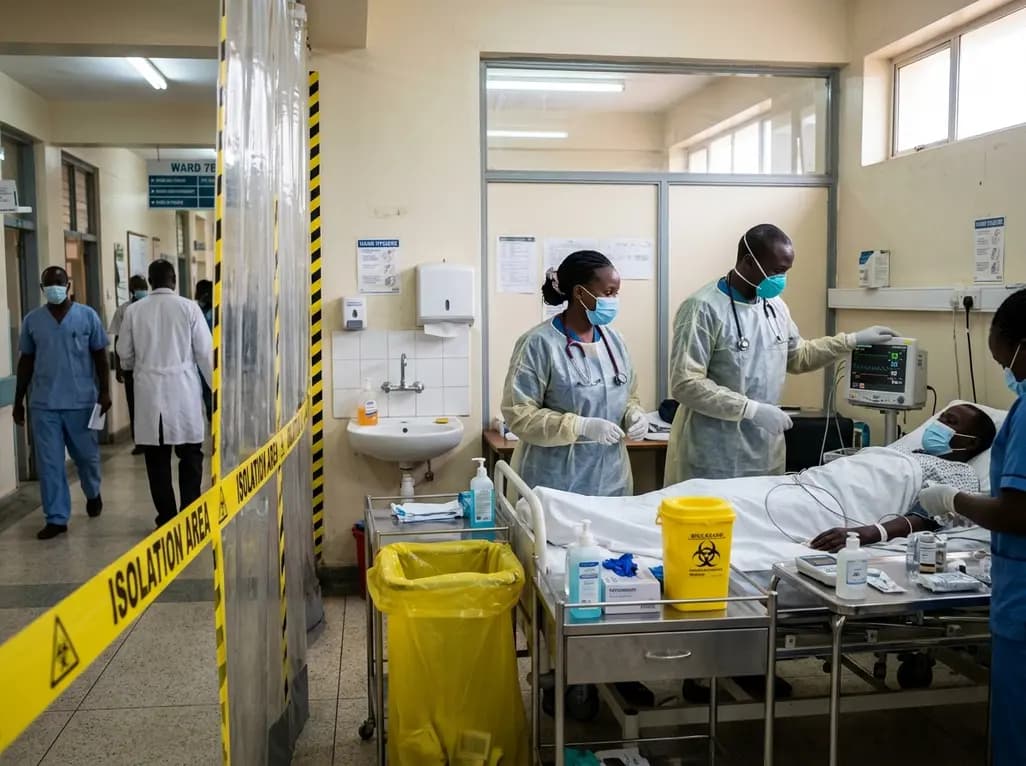
Kenya's confirmation of its eighth Ebola infection highlights the acute risk of secondary transmission in hospital environments. Clinicians must maintain high vigilance, enforce strict infection prevention protocols, and implement rapid triage mechanisms for viral hemorrhagic fevers across healthcare settings.
3 days back
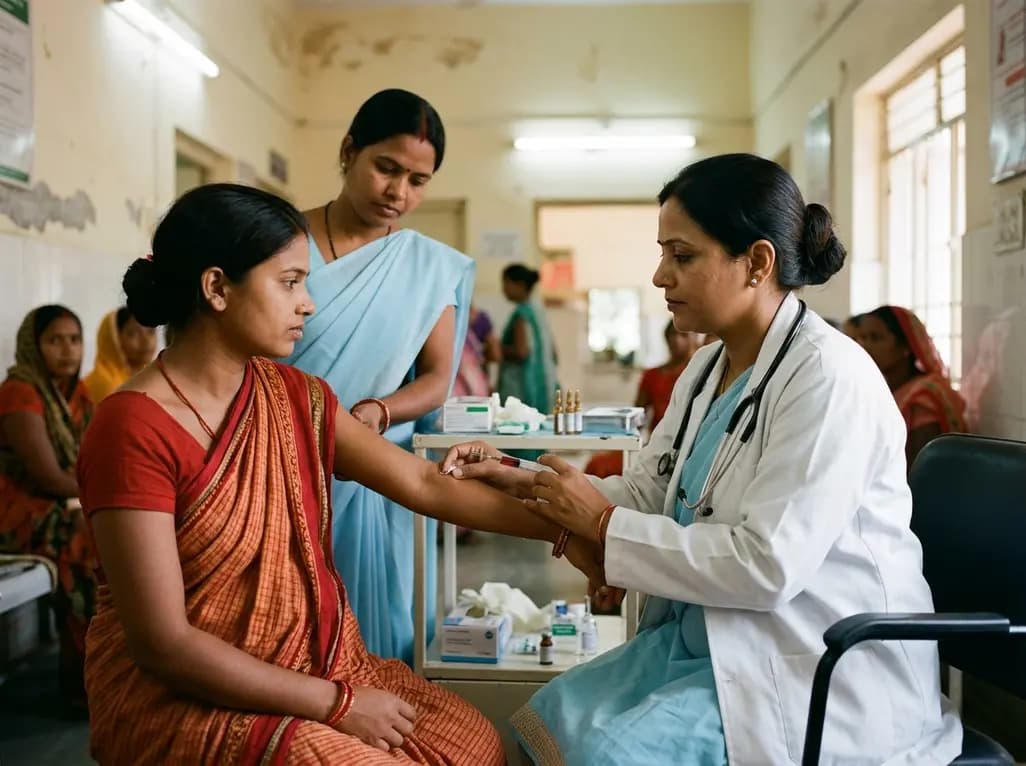
Maternal anaemia contributes to nearly half of pregnancy-related fatalities across India. To prevent complications, Uttar Pradesh has added single-dose parenteral iron to its essential medicines list. This clinical transition aims to restore haemoglobin rapidly and protect high-risk mothers across rural facilities.
Last week
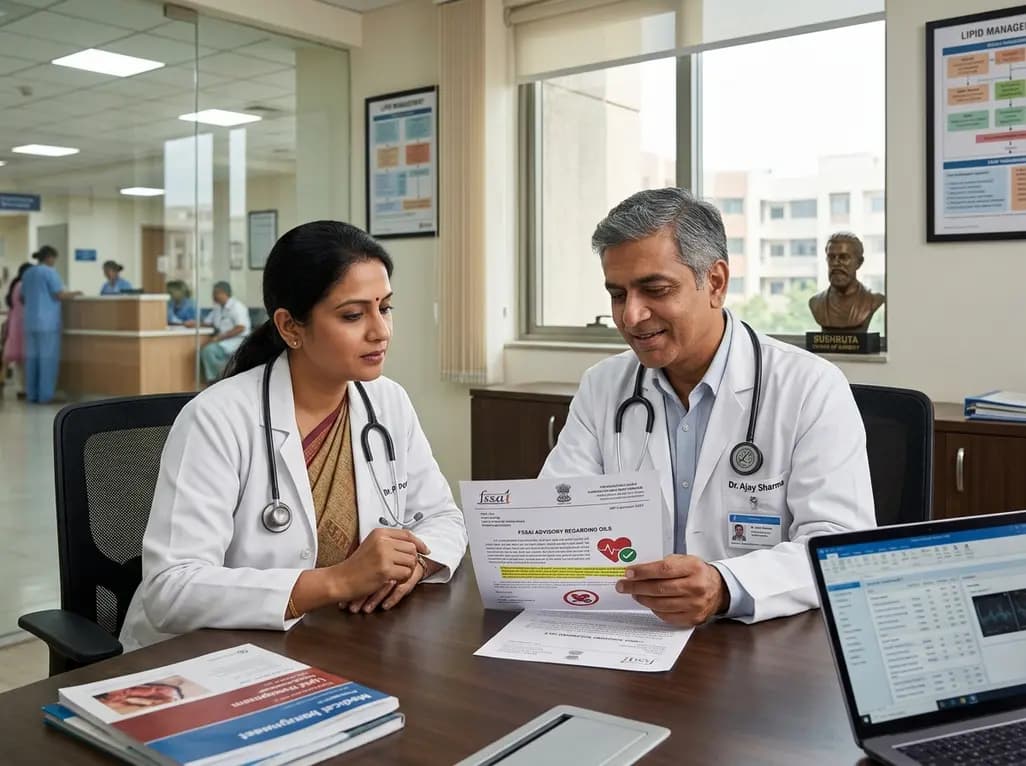
India's food safety authority FSSAI has issued show-cause notices to Gemini Edibles, BigBasket, and Flipkart for unpermitted cardiovascular claims regarding Freedom Rice Bran Oil. This regulatory move highlights the strict enforcement of advertising standards and the clinical necessity of evidence-based lipid care.
5 days back
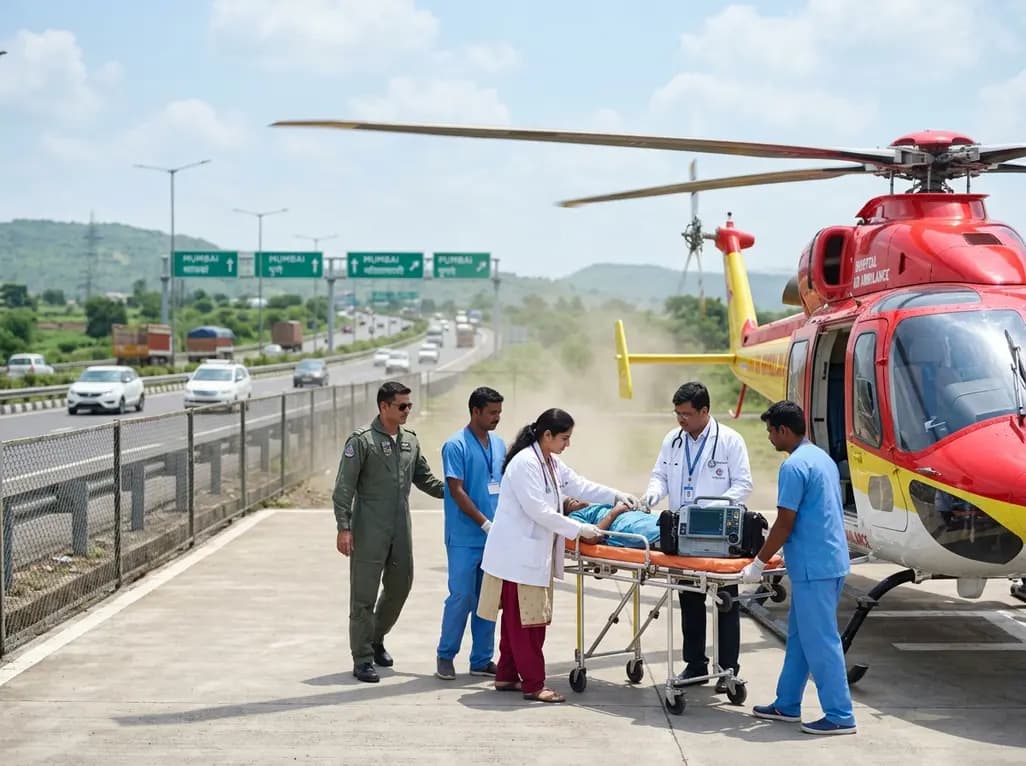
The state government is deploying helicopter emergency medical services across the Mumbai-Pune Expressway, Samruddhi Mahamarg, and Mumbai-Goa Highway. This initiative establishes unified standard operating procedures to enable rapid triage, advanced prehospital resuscitation, and seamless trauma care transfers.
Last week
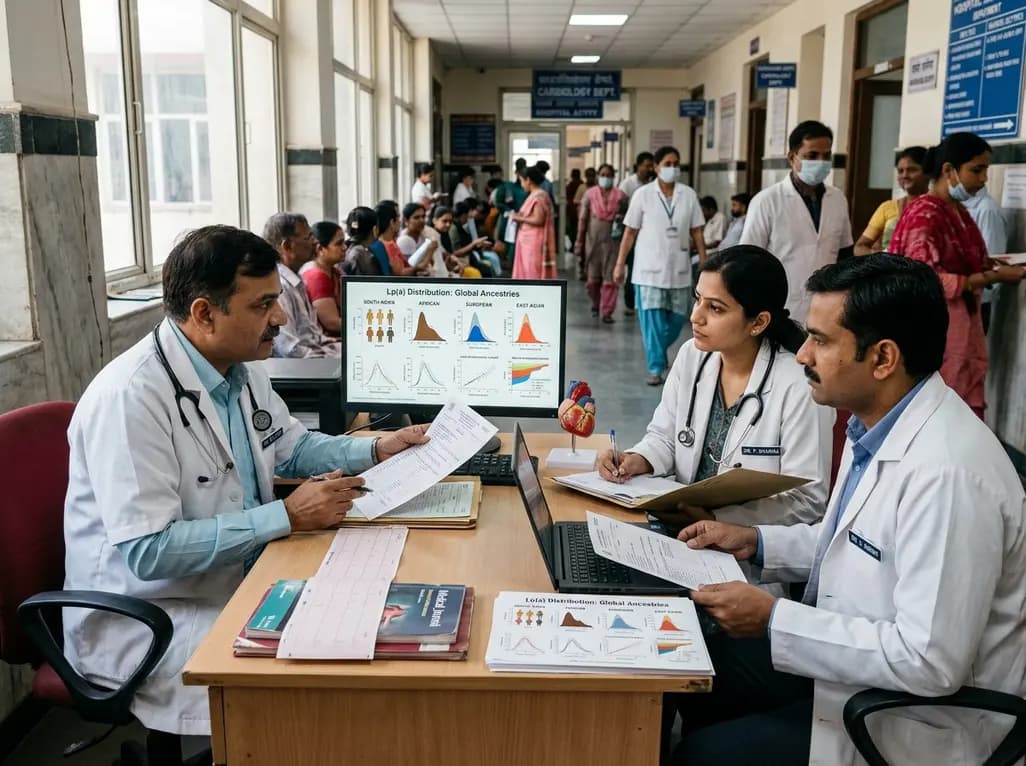
Atherosclerotic cardiovascular disease guidelines often rely on European-derived lipoprotein(a) cutoffs. However, baseline Lp(a) levels vary widely across ancestries, including South Asians and Africans. Clinicians must interpret Lp(a) values within overall absolute cardiovascular risk.
Last week
