.webp&w=384&q=75)

Loading, please wait...
Loading, please wait...
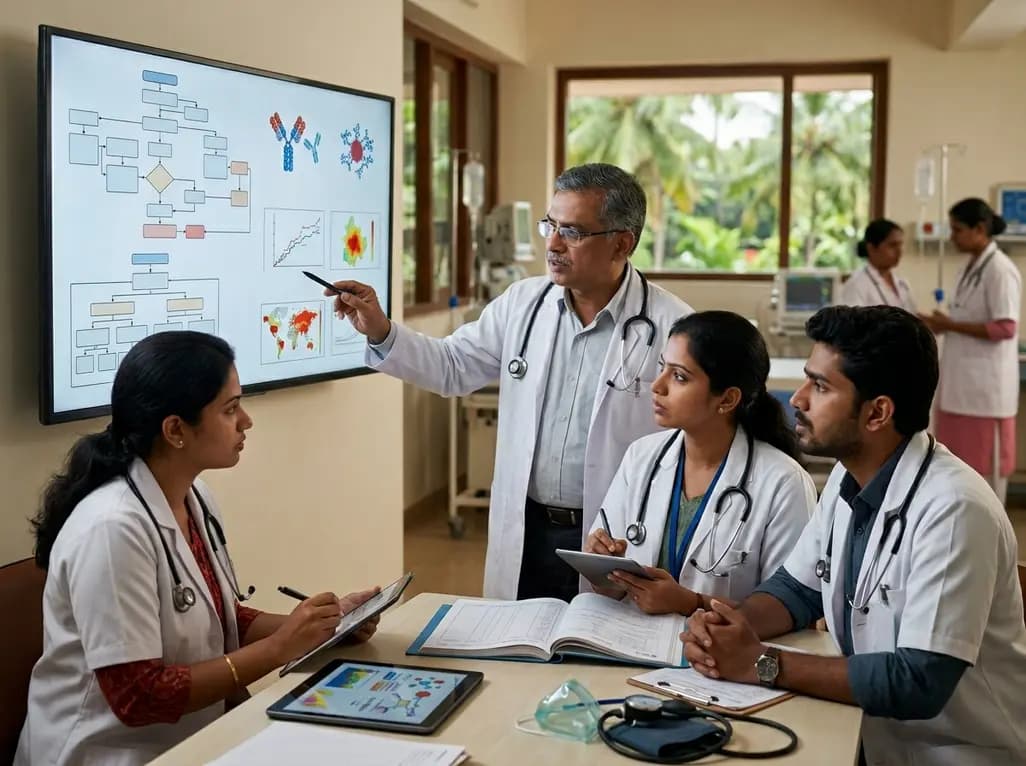
Kerala has intensified its public health response after a 43-year-old Ramanattukara native tested positive for the lethal virus. Consequently, the state has launched extensive Nipah virus surveillance to identify potential secondary cases in Kozhikode. Fortunately, health officials have not detected any new positive cases so far. However, three symptomatic individuals under quarantine are currently undergoing observation in an isolation ward.
According to official reports, the index patient remains in critical condition on ventilator support. Clinicians administered the first dose of the therapeutic monoclonal antibody treatment on June 12. Additionally, the medical board recommended this intervention in strict compliance with the Indian Council of Medical Research (ICMR) guidelines. Meanwhile, the state government aggressively sourced the antiviral drug Remdesivir from Bahrain to support the patient's critical care. Furthermore, health department teams successfully mapped the patient's travel route to identify contact zones.
Currently, health officials are monitoring 87 contacts, including healthcare workers and family members. Specifically, the high-risk group comprises 20 individuals, while 67 fall into the low-risk category. Control room operators proactively contact everyone on this list twice daily to gather symptom updates. Moreover, field workers surveyed hundreds of homes in Ramanattukara but found no active symptoms of the infection.
Subsequently, the animal husbandry department established a dedicated control room on Bank Road, Kozhikode. This facility aims to prevent zoonotic spillover from bats to humans. Therefore, veterinary teams have initiated special inspections in areas with prominent fruit bat habitats and pig farms.
Q1: What treatment protocols are doctors currently using for the Nipah patient?
Currently, doctors manage the patient with ventilator support, monoclonal antibodies, and specific antiviral drugs like Ribavirin and Remdesivir.
Q2: How are authorities tracing and managing the high-risk contacts?
Health departments use detailed route mapping to trace contacts. Currently, surveillance teams monitor contacts twice daily, while isolating symptomatic individuals in designated hospital quarantine units.
Disclaimer: This content is for informational and educational purposes only. It does not constitute medical advice or replace professional judgment. Refer to the latest local and national guidelines for clinical practice.
References

Read summarized clinical updates, watch expert medical content, and earn CME certifications right from your smartphone.
Open your smartphone camera to scan and install.





Following a confirmed Nipah case in Kozhikode, Kerala has intensified surveillance and active contact monitoring. Discover the latest clinical management strategies, including monoclonal antibody therapy and antiviral protocols, being deployed to prevent further transmission of this high-risk zoonotic pathogen.
4 months ago
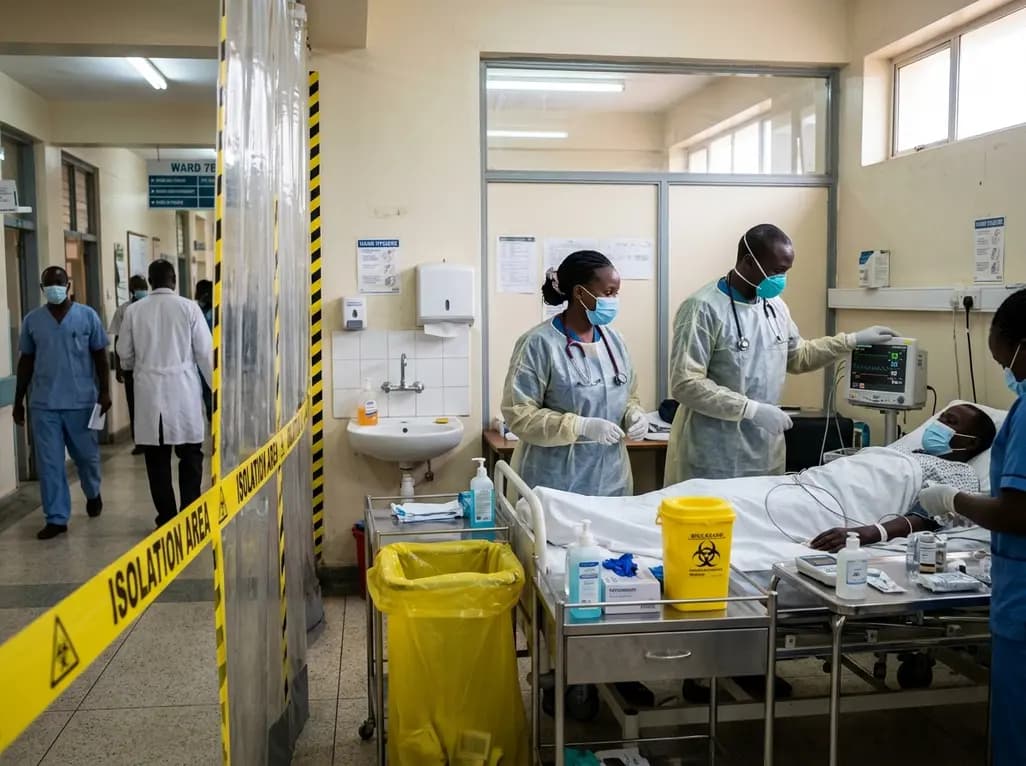
Kenya's confirmation of its eighth Ebola infection highlights the acute risk of secondary transmission in hospital environments. Clinicians must maintain high vigilance, enforce strict infection prevention protocols, and implement rapid triage mechanisms for viral hemorrhagic fevers across healthcare settings.
4 days back
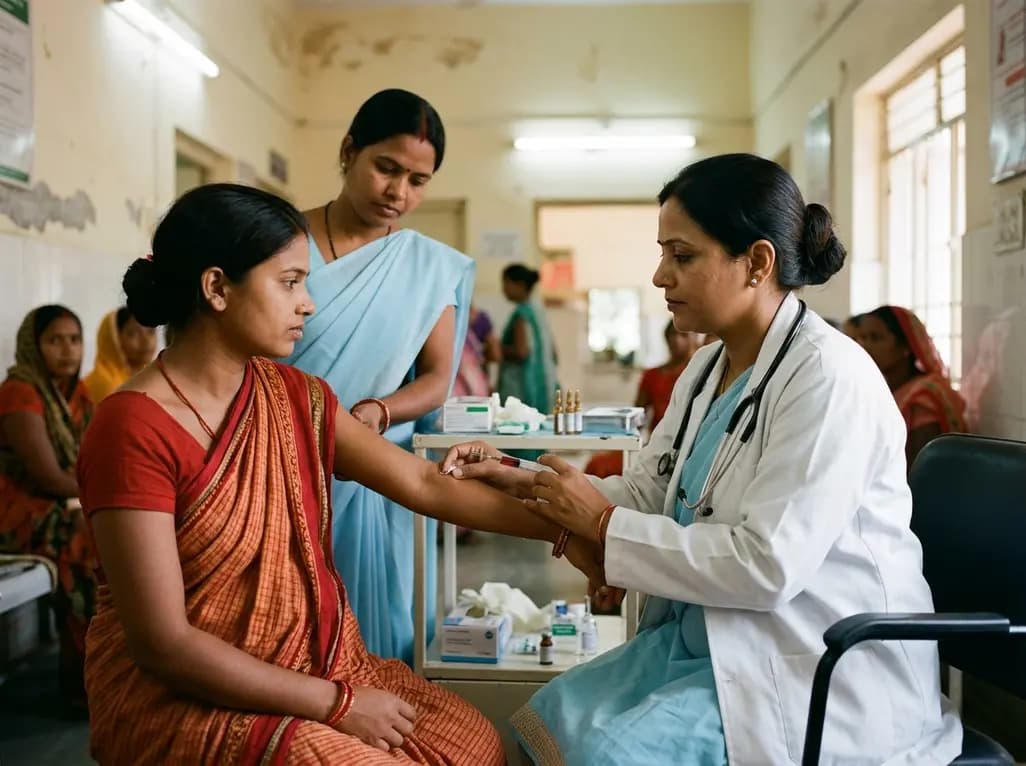
Maternal anaemia contributes to nearly half of pregnancy-related fatalities across India. To prevent complications, Uttar Pradesh has added single-dose parenteral iron to its essential medicines list. This clinical transition aims to restore haemoglobin rapidly and protect high-risk mothers across rural facilities.
Last week
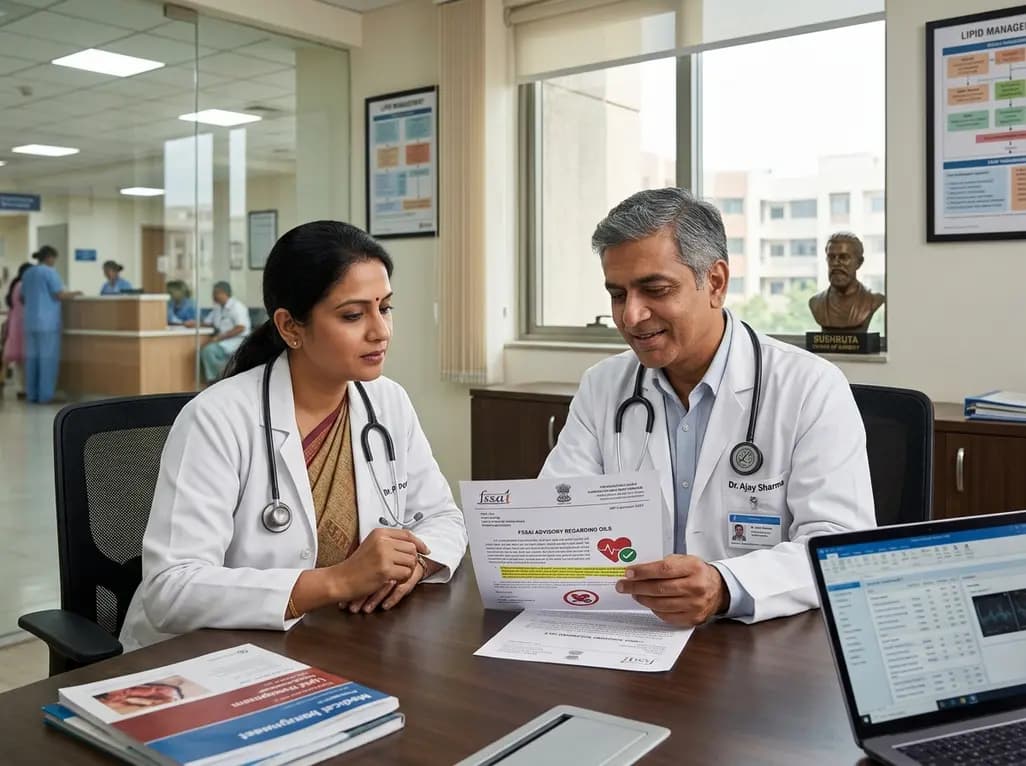
India's food safety authority FSSAI has issued show-cause notices to Gemini Edibles, BigBasket, and Flipkart for unpermitted cardiovascular claims regarding Freedom Rice Bran Oil. This regulatory move highlights the strict enforcement of advertising standards and the clinical necessity of evidence-based lipid care.
6 days back
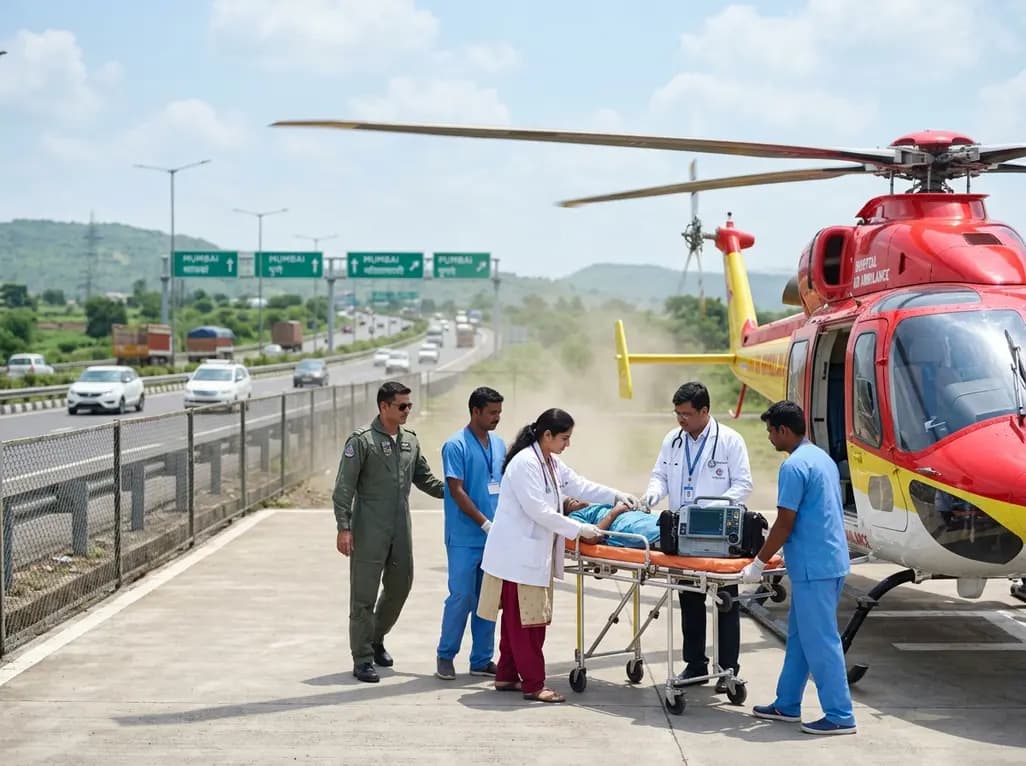
The state government is deploying helicopter emergency medical services across the Mumbai-Pune Expressway, Samruddhi Mahamarg, and Mumbai-Goa Highway. This initiative establishes unified standard operating procedures to enable rapid triage, advanced prehospital resuscitation, and seamless trauma care transfers.
Last week
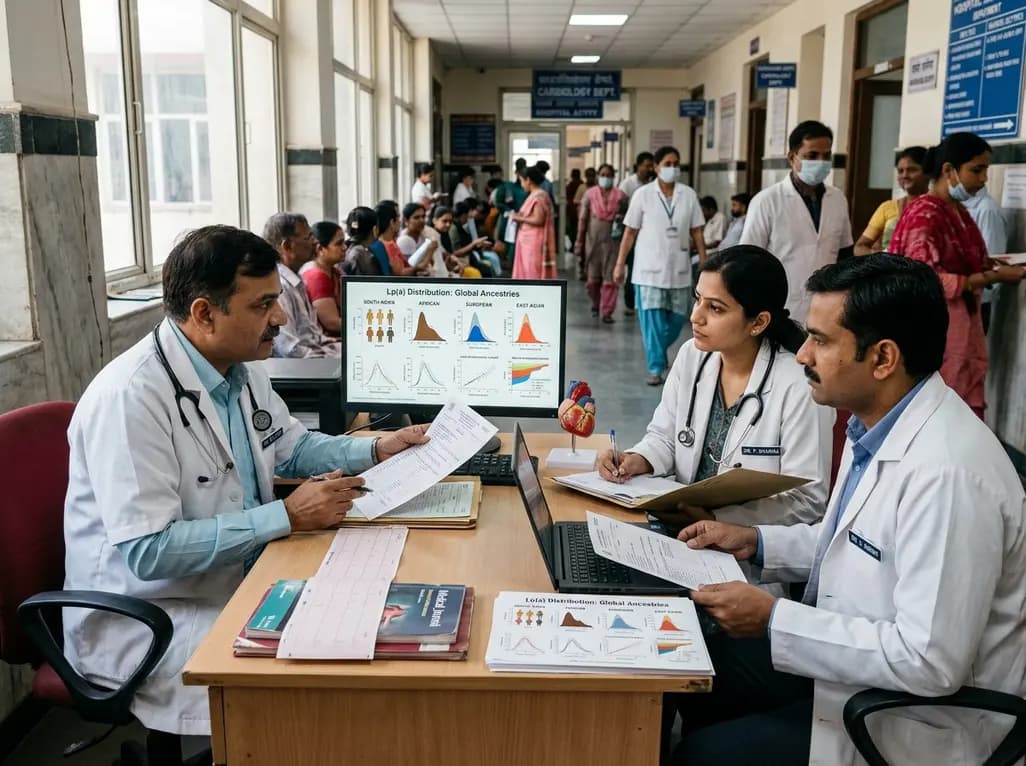
Atherosclerotic cardiovascular disease guidelines often rely on European-derived lipoprotein(a) cutoffs. However, baseline Lp(a) levels vary widely across ancestries, including South Asians and Africans. Clinicians must interpret Lp(a) values within overall absolute cardiovascular risk.
Last week
