.webp&w=384&q=75)

Loading, please wait...
Loading, please wait...
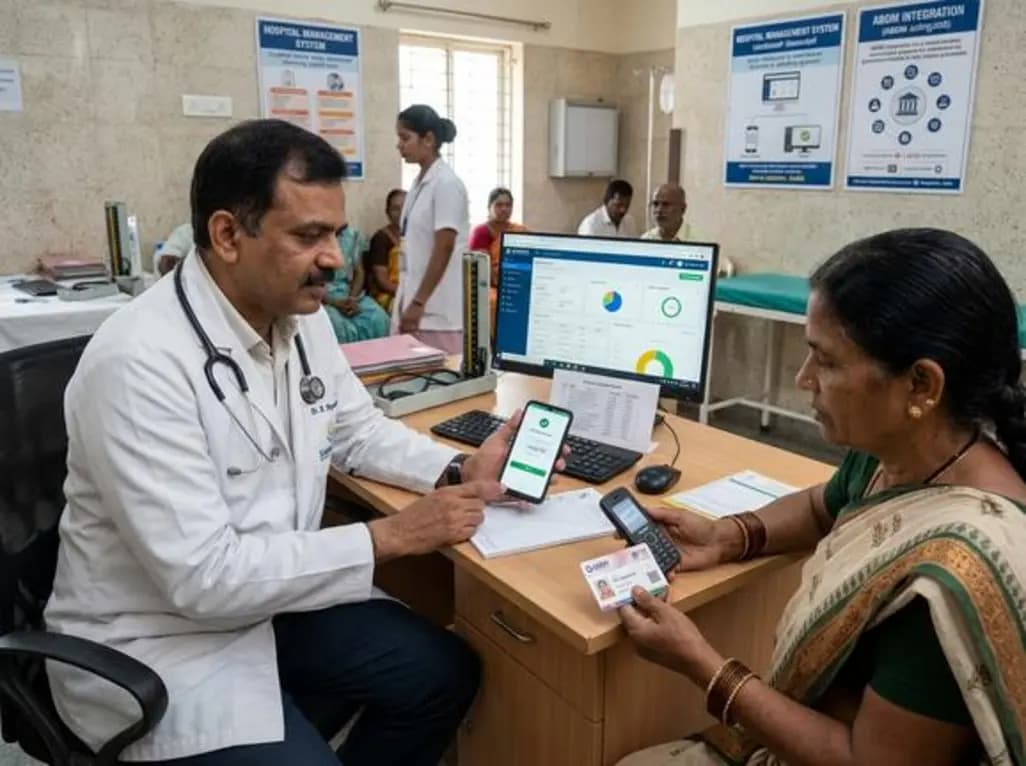
Karnataka is taking a major step toward digitizing its public healthcare network. Specifically, the state government is rolling out a system to create unified digital patient records. Consequently, patients visiting government hospitals will no longer need to carry paper prescriptions. Instead, doctors will securely access medical histories electronically with patient consent.
The state connects healthcare right from the village level through this new initiative. At the heart of this network is Samasta, an application designed for frontline health workers. Furthermore, Accredited Social Health Activists (ASHAs) use this application during their regular household visits. They build digital family health profiles and automatically map citizens to relevant government programs. Previously, health workers entered patient information across multiple offline and online registers. However, the Samasta application allows them to log data once while reporting happens automatically. This streamlined workflow significantly reduces administrative burdens.
Unlike previous digitisation efforts, Karnataka is avoiding reliance on a single software provider. Earlier, the state utilized the National Informatics Centre’s e-Hospital platform. Nevertheless, recent implementation challenges prompted a strategic shift toward a decentralized vendor model. To achieve this, the government plans to empanel multiple ABDM-compliant Hospital Management System (HMS) vendors. Therefore, different hospitals can run different software packages without losing interoperability. In addition, the system integrates the 'Scan and Share' feature. This feature allows patients to register for consultations quickly by scanning a QR code.
Ultimately, security remains a central focus of this state-wide digital transition. The entire network functions around the Ayushman Bharat Health Account (ABHA) number. When patients visit a public hospital, doctors can view their records only after verification. Specifically, this access requires an OTP-based consent process to ensure patient privacy. Moreover, patients retain total ownership of their records rather than the government. A Personal Health Records application securely stores these clinical details. As a result, patients control who views their clinical details at any time.
Q1: How will doctors access previous patient health records under the new system?
Under the new system, doctors can only access a patient's medical records after obtaining explicit consent. This consent is authenticated through an OTP-based verification process linked to the patient's Ayushman Bharat Health Account (ABHA) ID.
Q2: What role does the Samasta application play in this digital ecosystem?
Frontline health workers use the Samasta application to create digital family health profiles. This application automates reporting and maps beneficiaries directly to programs like maternal healthcare, immunisation, and non-communicable disease screenings.
Disclaimer: This content is for informational and educational purposes only. It does not constitute medical advice or replace professional judgment. Refer to the latest local and national guidelines for clinical practice.
References

Read summarized clinical updates, watch expert medical content, and earn CME certifications right from your smartphone.
Open your smartphone camera to scan and install.





Karnataka is launching a statewide digital health record system that integrates the community-focused Samasta app with ABDM-compliant hospital management systems. Using unique ABHA IDs, the secure network grants doctors electronic access to clinical history only through an OTP-based patient consent process.
4 months ago
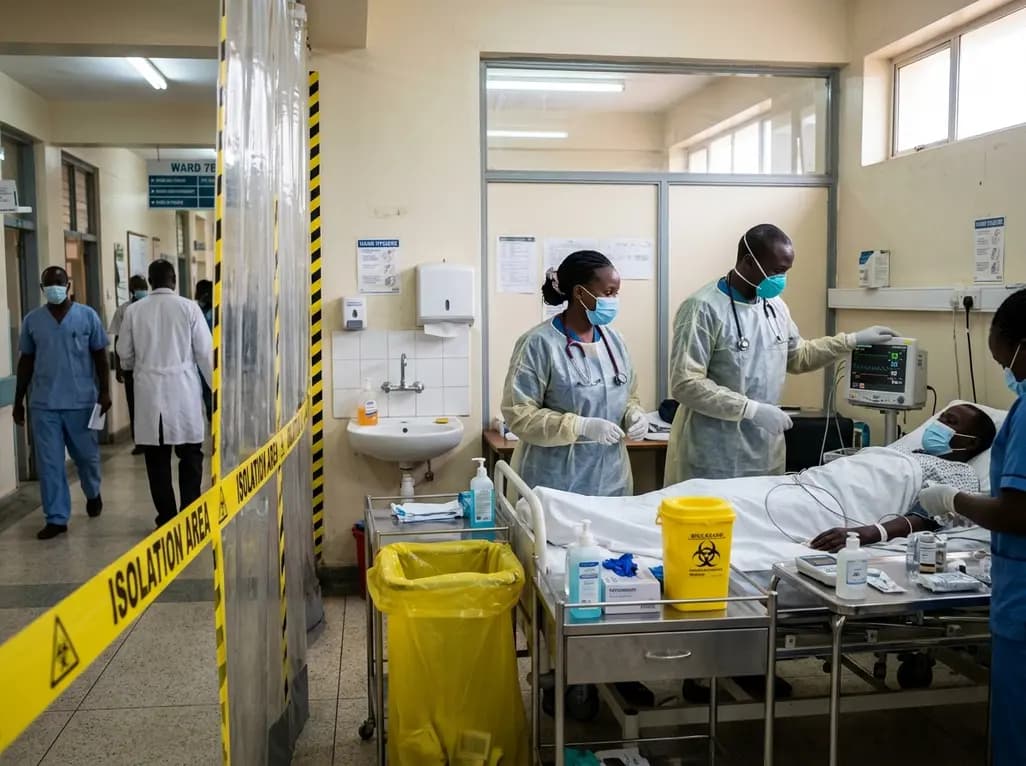
Kenya's confirmation of its eighth Ebola infection highlights the acute risk of secondary transmission in hospital environments. Clinicians must maintain high vigilance, enforce strict infection prevention protocols, and implement rapid triage mechanisms for viral hemorrhagic fevers across healthcare settings.
3 days back
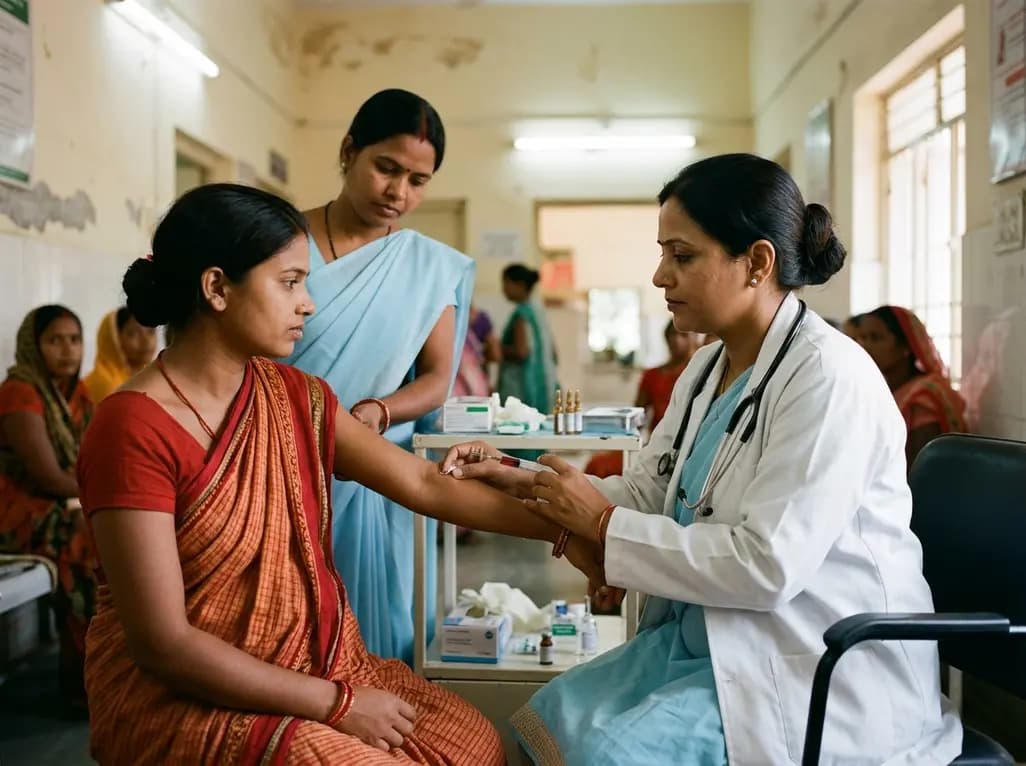
Maternal anaemia contributes to nearly half of pregnancy-related fatalities across India. To prevent complications, Uttar Pradesh has added single-dose parenteral iron to its essential medicines list. This clinical transition aims to restore haemoglobin rapidly and protect high-risk mothers across rural facilities.
Last week
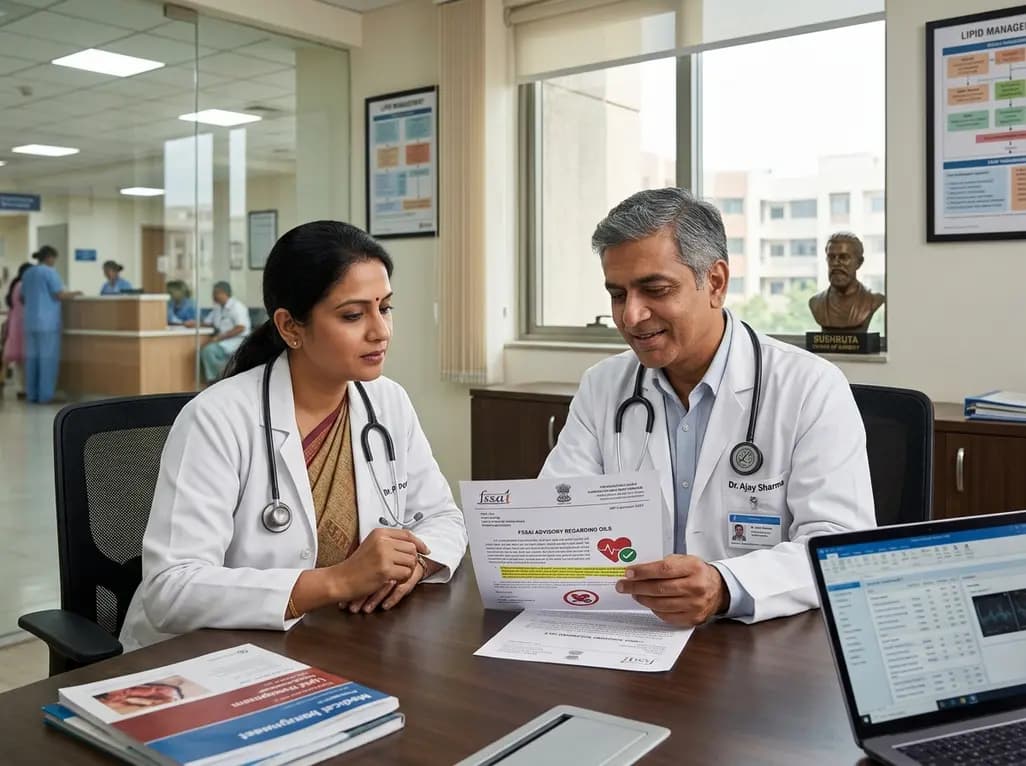
India's food safety authority FSSAI has issued show-cause notices to Gemini Edibles, BigBasket, and Flipkart for unpermitted cardiovascular claims regarding Freedom Rice Bran Oil. This regulatory move highlights the strict enforcement of advertising standards and the clinical necessity of evidence-based lipid care.
5 days back
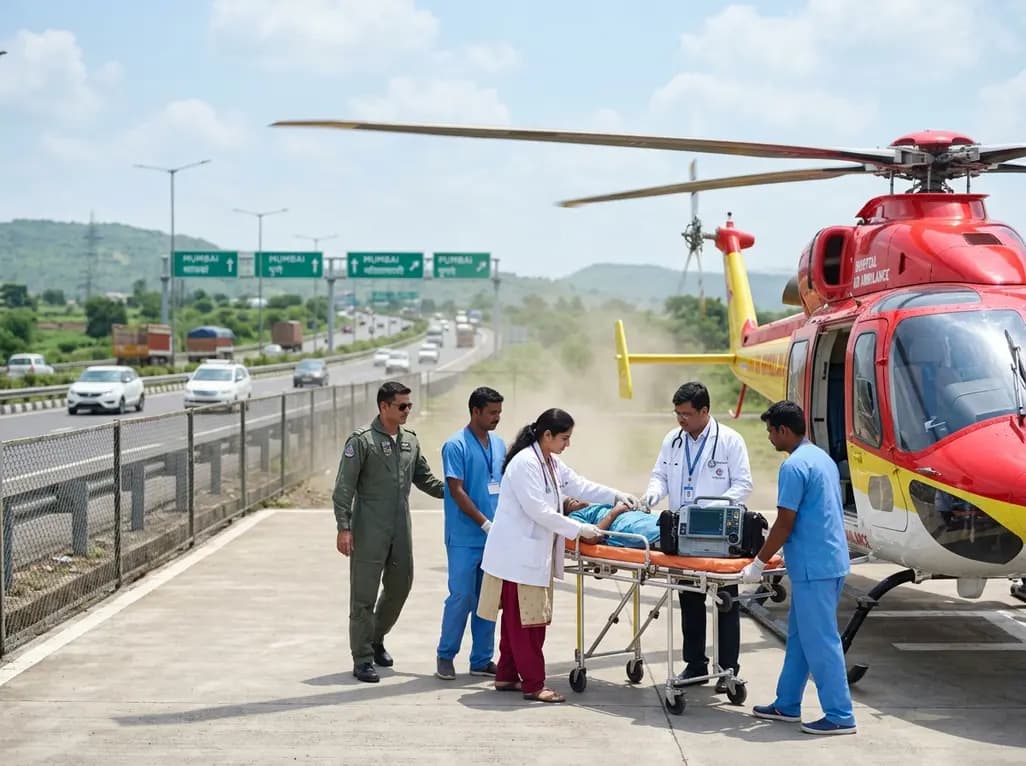
The state government is deploying helicopter emergency medical services across the Mumbai-Pune Expressway, Samruddhi Mahamarg, and Mumbai-Goa Highway. This initiative establishes unified standard operating procedures to enable rapid triage, advanced prehospital resuscitation, and seamless trauma care transfers.
Last week
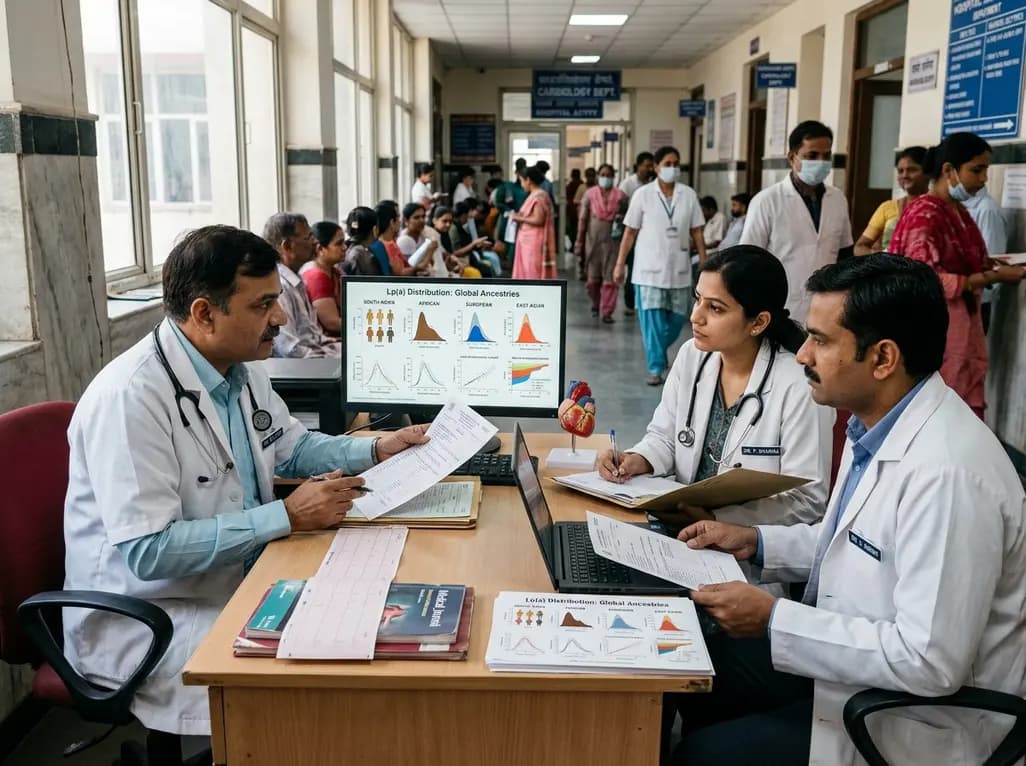
Atherosclerotic cardiovascular disease guidelines often rely on European-derived lipoprotein(a) cutoffs. However, baseline Lp(a) levels vary widely across ancestries, including South Asians and Africans. Clinicians must interpret Lp(a) values within overall absolute cardiovascular risk.
Last week
