.webp&w=384&q=75)

Loading, please wait...
Loading, please wait...
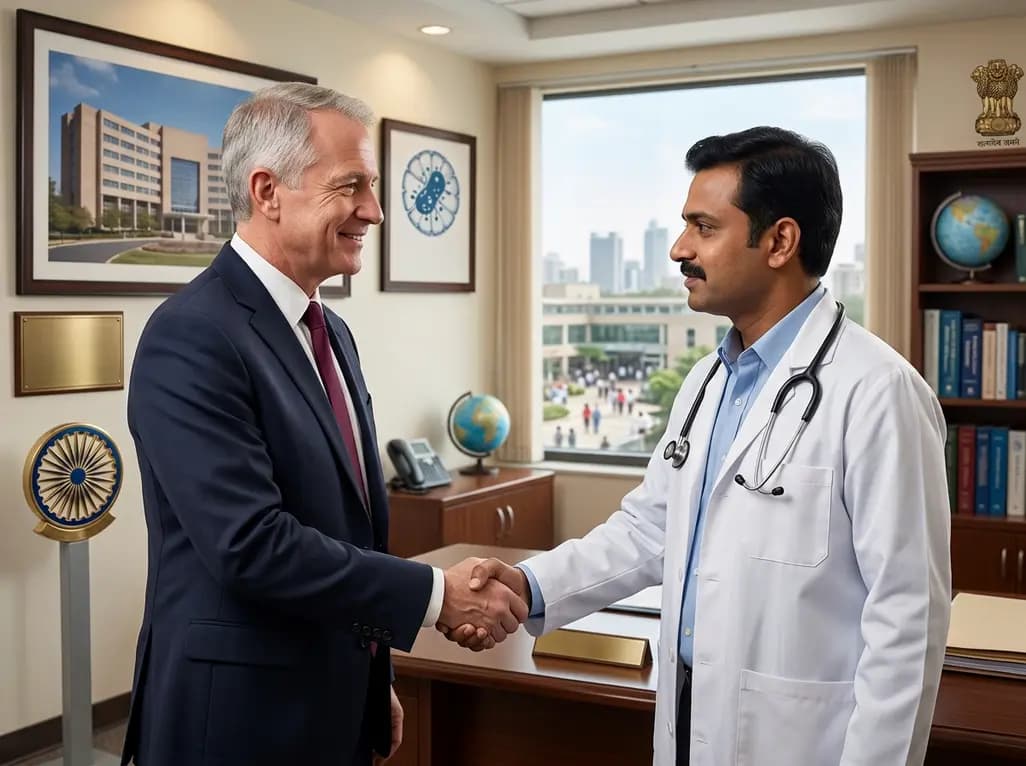
The US National Institutes of Health (NIH) recently announced a pivotal leadership transition at its premier infectious disease research center. Specifically, the agency appointed Dr. John Powers III, NIAID acting director, to lead the institute through a critical transition period. This significant change comes at a time when global healthcare systems face emerging threats from infectious pathogens. Consequently, clinicians and researchers worldwide are watching this transition closely to see how it shapes future research priorities.
Dr. Powers brings a wealth of clinical and scientific expertise to his new role. Previously, he served as the deputy director of the National Institute of Allergy and Infectious Diseases (NIAID). Additionally, he has acted as the principal senior advisor to the NIAID director. In these roles, he regularly advised senior leadership on clinical trials, strategic research initiatives, and medical interventions. Moreover, his extensive background in antimicrobial resistance and infectious disease research makes him highly qualified to guide the institute's massive $6.5 billion budget.
This appointment follows a period of administrative instability at the agency. For instance, former acting director Jeffery Taubenberger stepped down from the role last month. Furthermore, NIAID has been without a permanent leader since Jeanne Marrazzo departed last year. Therefore, the arrival of Dr. Powers will stabilize the agency's ongoing research programs. Meanwhile, scientists are working on critical vaccines and treatments for dangerous diseases like Ebola and Hantavirus. Given these ongoing public health challenges, strong leadership at NIAID remains vital for global health security.
Q1: Who is Dr. John Powers III?
Dr. John Powers III is the newly appointed acting director of the National Institute of Allergy and Infectious Diseases (NIAID) at the US NIH. Previously, he served as the deputy director and a principal senior advisor within the agency.
Q2: Why is the NIAID leadership transition important for global health?
NIAID is the second-largest institute of the NIH with a budget exceeding $6.5 billion. It drives critical research, clinical trials, and treatment developments for global infectious threats like Ebola, Hantavirus, and antimicrobial resistance.
Q3: Why did the previous acting director of NIAID step down?
Former acting director Jeffery Taubenberger stepped down in May 2026, leading to the appointment of Dr. Powers to stabilize the institute's leadership during ongoing infectious disease outbreaks.
Disclaimer: This content is for informational and educational purposes only. It does not constitute medical advice or replace professional judgment. Refer to the latest local and national guidelines for clinical practice.
References

Read summarized clinical updates, watch expert medical content, and earn CME certifications right from your smartphone.
Open your smartphone camera to scan and install.





The US NIH appointed Dr. John Powers III as the acting director of NIAID, filling a critical leadership vacancy amid global infectious disease challenges....
4 months ago
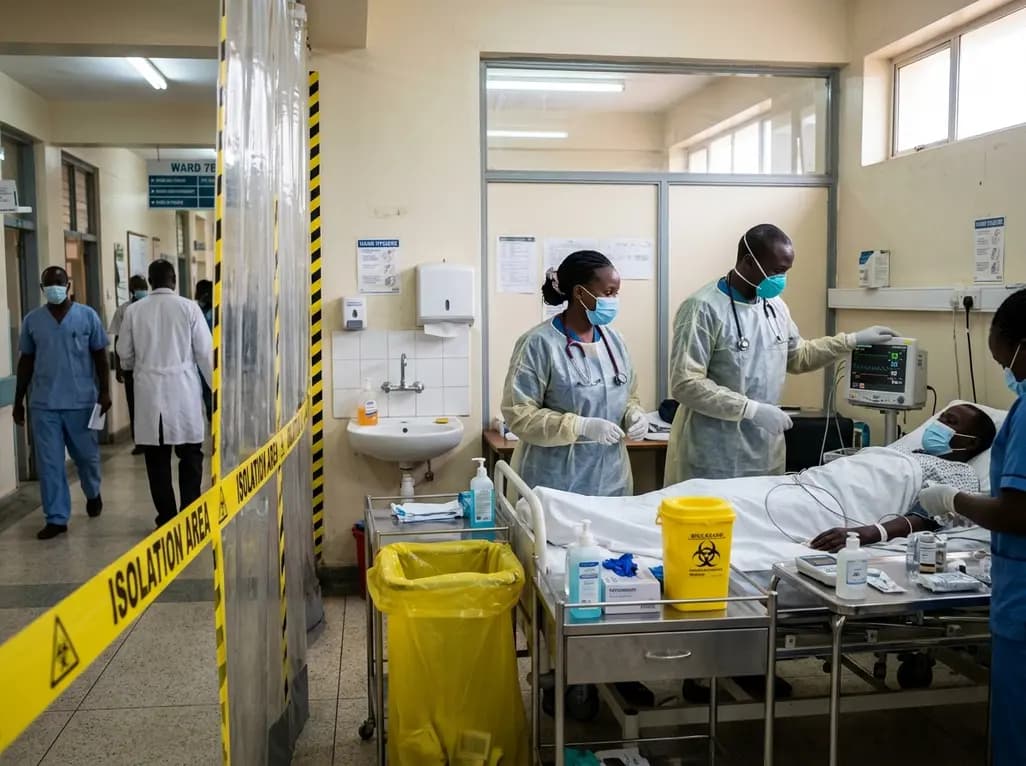
Kenya's confirmation of its eighth Ebola infection highlights the acute risk of secondary transmission in hospital environments. Clinicians must maintain high vigilance, enforce strict infection prevention protocols, and implement rapid triage mechanisms for viral hemorrhagic fevers across healthcare settings.
4 days back
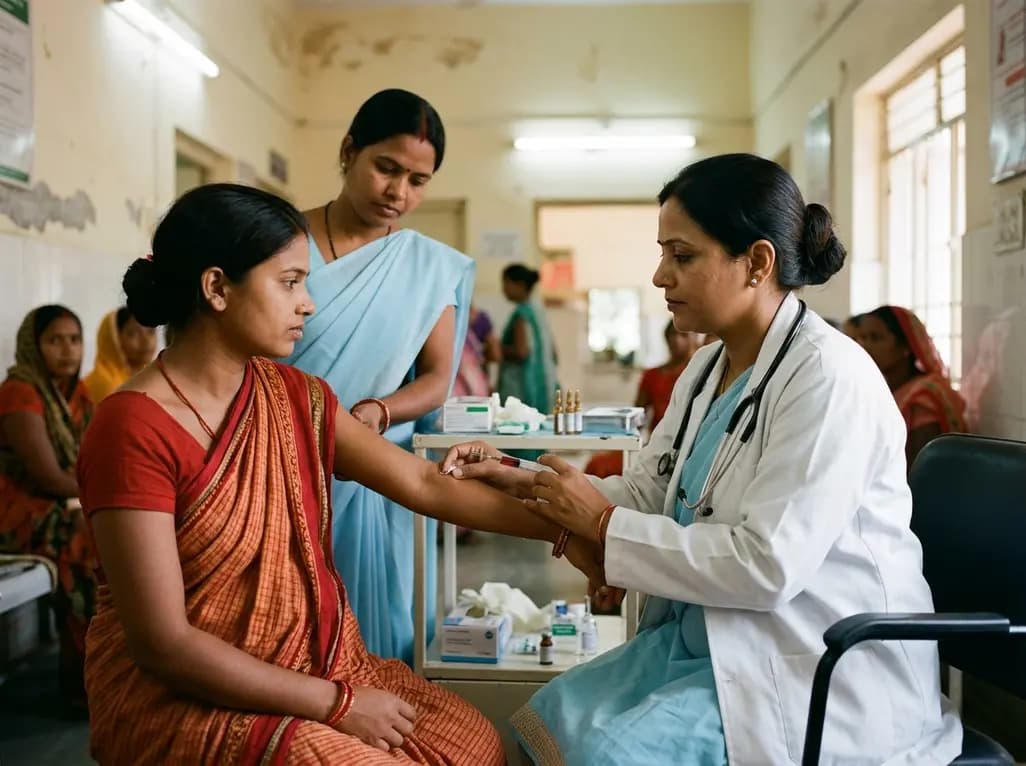
Maternal anaemia contributes to nearly half of pregnancy-related fatalities across India. To prevent complications, Uttar Pradesh has added single-dose parenteral iron to its essential medicines list. This clinical transition aims to restore haemoglobin rapidly and protect high-risk mothers across rural facilities.
Last week

India's food safety authority FSSAI has issued show-cause notices to Gemini Edibles, BigBasket, and Flipkart for unpermitted cardiovascular claims regarding Freedom Rice Bran Oil. This regulatory move highlights the strict enforcement of advertising standards and the clinical necessity of evidence-based lipid care.
6 days back

The state government is deploying helicopter emergency medical services across the Mumbai-Pune Expressway, Samruddhi Mahamarg, and Mumbai-Goa Highway. This initiative establishes unified standard operating procedures to enable rapid triage, advanced prehospital resuscitation, and seamless trauma care transfers.
Last week
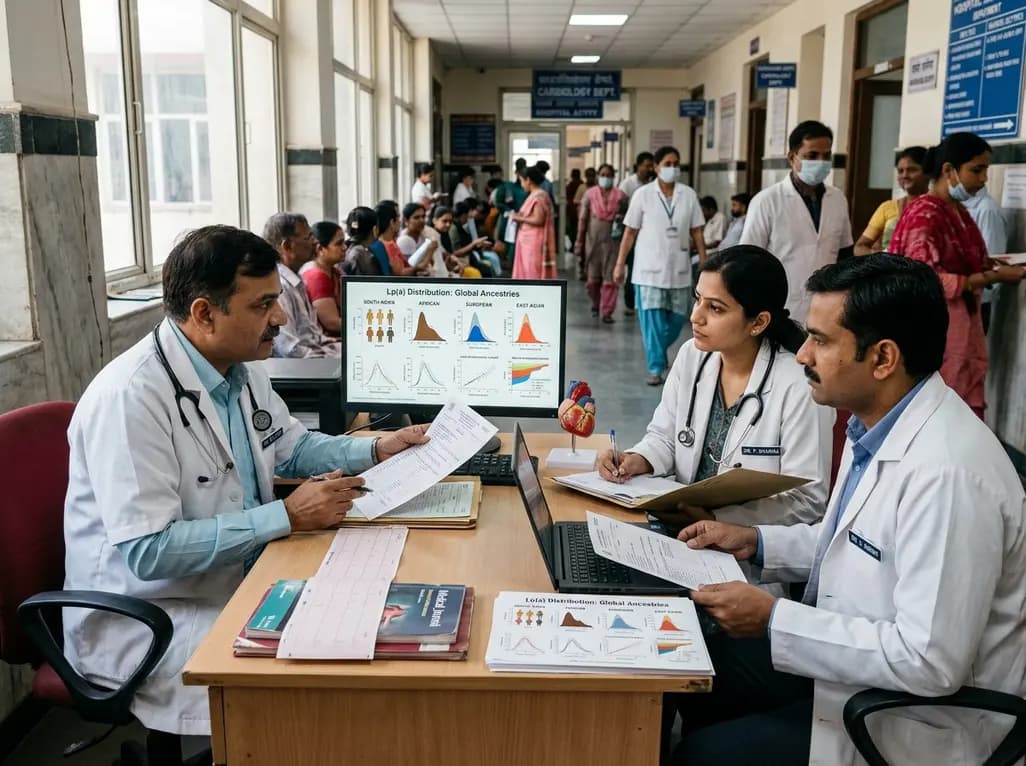
Atherosclerotic cardiovascular disease guidelines often rely on European-derived lipoprotein(a) cutoffs. However, baseline Lp(a) levels vary widely across ancestries, including South Asians and Africans. Clinicians must interpret Lp(a) values within overall absolute cardiovascular risk.
Last week
