.webp&w=384&q=75)

Loading, please wait...
Loading, please wait...
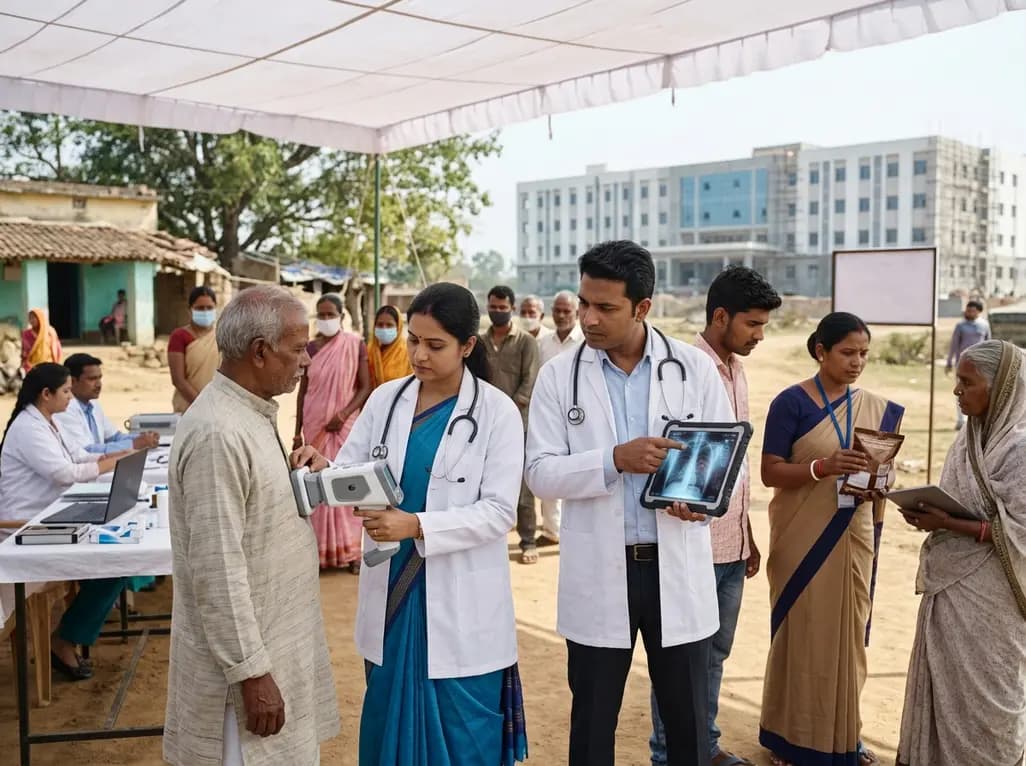
Jharkhand has established a progressive timeline to achieve tuberculosis elimination in Jharkhand by the year 2029. Health Minister Irfan Ansari recently declared this vision during the National Task Force meeting in Ranchi. Specifically, the state administration is mobilizing medical resources on a war footing. Consequently, this comprehensive campaign relies deeply on collaborative public participation and modern technological integration.
Health officials are utilizing advanced technology to accelerate detection. For example, they deploy handheld X-ray devices to screen high-risk groups quickly. Additionally, the government provides essential financial support of Rs 1,000 monthly to patients. Consequently, this nutrition assistance helps improve treatment outcomes. Furthermore, officials plan to incorporate artificial intelligence to monitor patient data and treatment compliance. Indeed, this strategy aims to strengthen the state's healthcare network.
In addition to treating patients, Jharkhand is building massive medical infrastructure. Specifically, the state is rapidly constructing RIMS-2, which will become one of Asia's largest healthcare institutions. Health Minister Irfan Ansari also stated that artificial intelligence will play a vital role in healthcare services. Therefore, AI tools will help doctors deliver faster and more accurate diagnoses. As a result, patients will receive superior care across all districts.
Actually, medical programs succeed only when the community actively participates. Thus, the minister urges public representatives to lead local awareness campaigns. In fact, about 38,500 active tuberculosis cases are receiving treatment under state-monitored facilities. In addition, the government has already declared 455 panchayats entirely TB-free. Moreover, authorities aim to scale this achievement across all rural bodies in the state soon.
Q1: What is the target year for tuberculosis elimination in Jharkhand?
The Jharkhand state government, led by Health Minister Irfan Ansari, has set a clear target to achieve complete tuberculosis elimination in the state by the year 2029.
Q2: What modern technologies is Jharkhand using to detect and monitor tuberculosis patients?
The state government is deploying handheld, X-ray-based screening tools to quickly identify high-risk individuals. Additionally, they plan to utilize Artificial Intelligence (AI) to monitor patient compliance and optimize healthcare delivery.
Q3: How many panchayats in Jharkhand are currently declared TB-free?
As of June 2026, Jharkhand has already declared 455 panchayats entirely TB-free, with ongoing campaigns aiming to scale this milestone to all panchayats across the state.
Disclaimer: This content is for informational and educational purposes only. It does not constitute medical advice or replace professional judgment. Refer to the latest local and national guidelines for clinical practice.
References

Read summarized clinical updates, watch expert medical content, and earn CME certifications right from your smartphone.
Open your smartphone camera to scan and install.





Jharkhand targets complete tuberculosis elimination by 2029 using AI, handheld X-rays, and Rs 1,000 monthly patient nutrition support. Already, 455 panchayats are certified TB-free. The state is also developing Ranchi into a medical tourism hub and building RIMS-2 to vastly scale up public healthcare services.
4 months ago
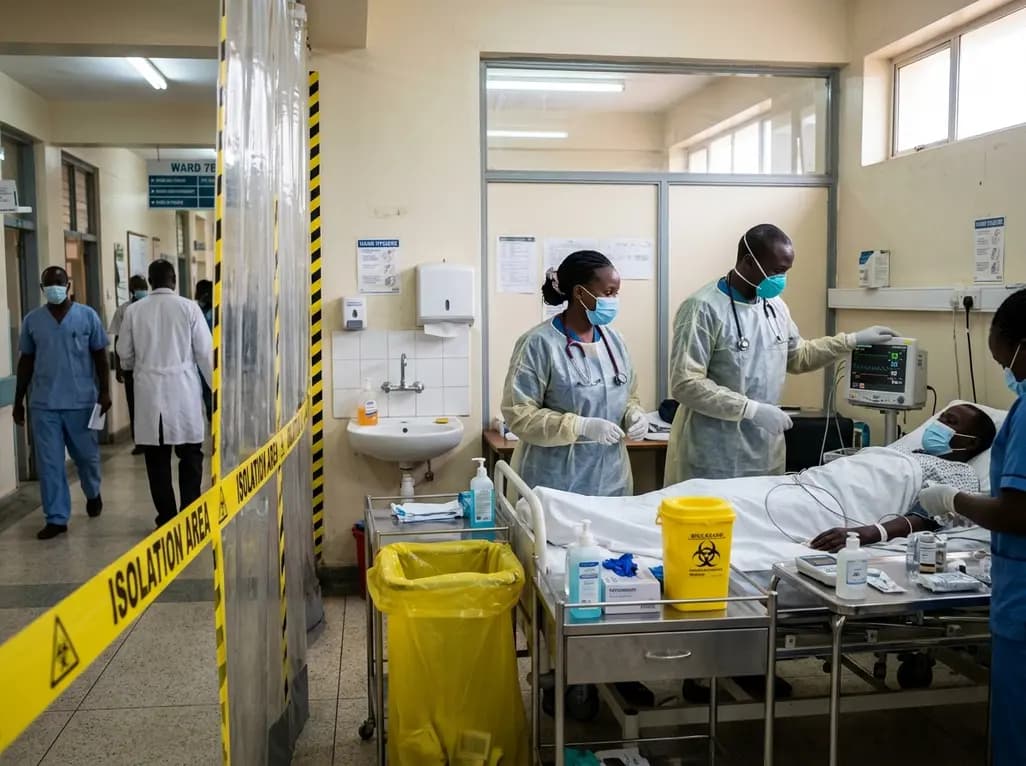
Kenya's confirmation of its eighth Ebola infection highlights the acute risk of secondary transmission in hospital environments. Clinicians must maintain high vigilance, enforce strict infection prevention protocols, and implement rapid triage mechanisms for viral hemorrhagic fevers across healthcare settings.
4 days back
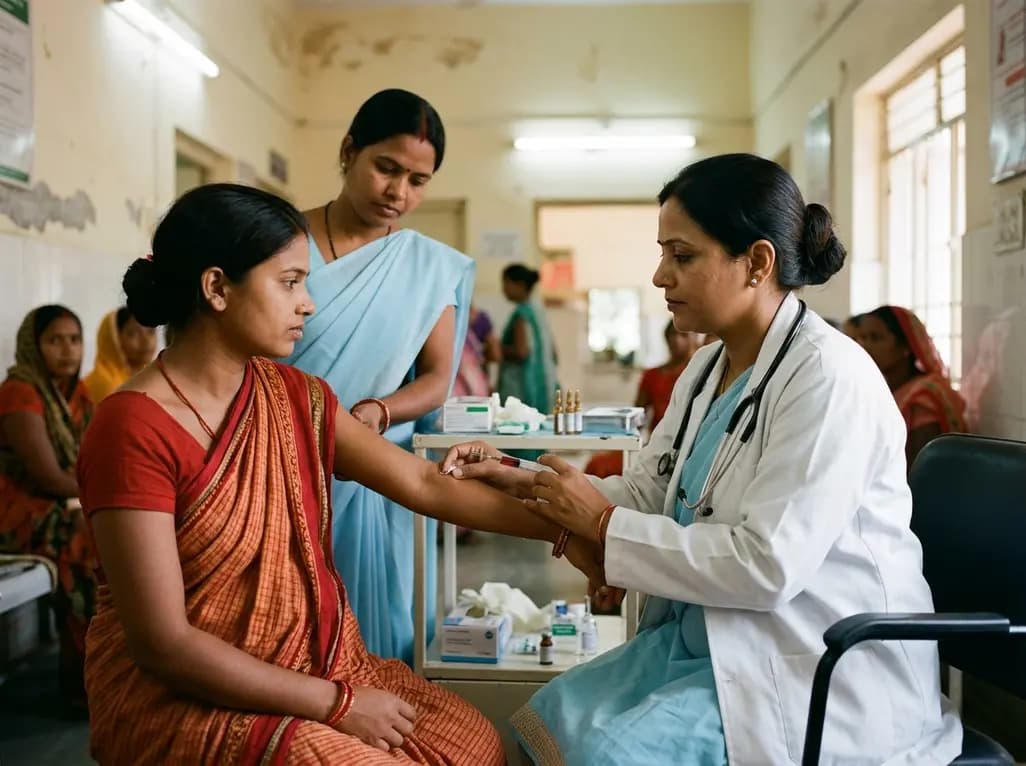
Maternal anaemia contributes to nearly half of pregnancy-related fatalities across India. To prevent complications, Uttar Pradesh has added single-dose parenteral iron to its essential medicines list. This clinical transition aims to restore haemoglobin rapidly and protect high-risk mothers across rural facilities.
Last week
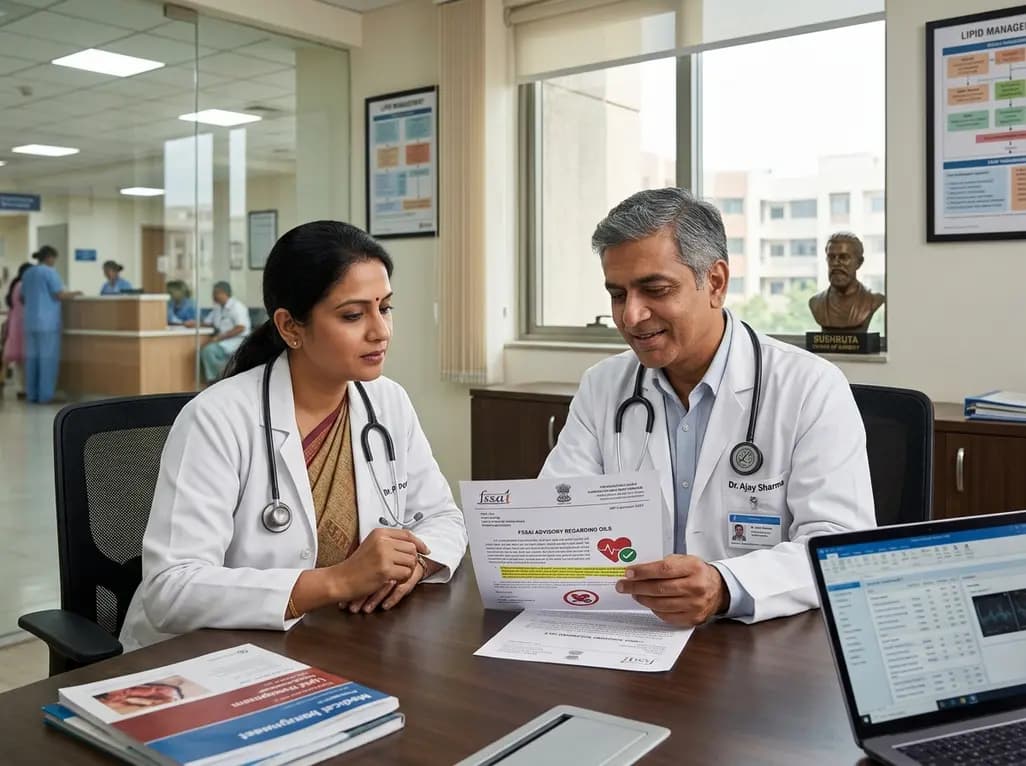
India's food safety authority FSSAI has issued show-cause notices to Gemini Edibles, BigBasket, and Flipkart for unpermitted cardiovascular claims regarding Freedom Rice Bran Oil. This regulatory move highlights the strict enforcement of advertising standards and the clinical necessity of evidence-based lipid care.
6 days back
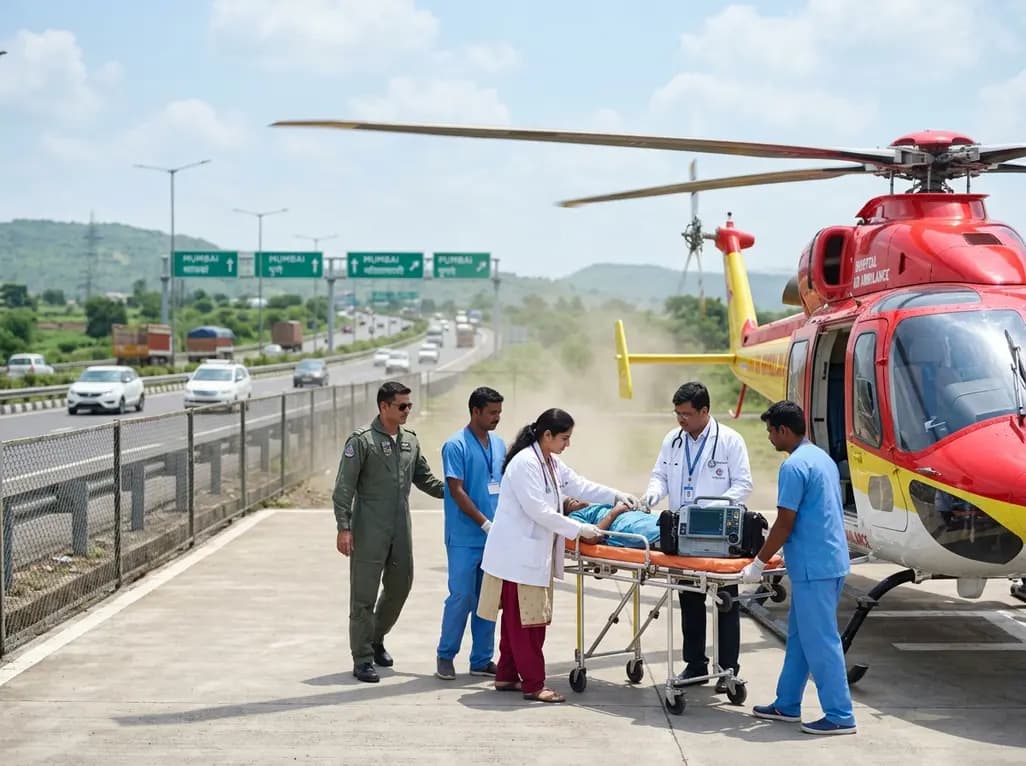
The state government is deploying helicopter emergency medical services across the Mumbai-Pune Expressway, Samruddhi Mahamarg, and Mumbai-Goa Highway. This initiative establishes unified standard operating procedures to enable rapid triage, advanced prehospital resuscitation, and seamless trauma care transfers.
Last week
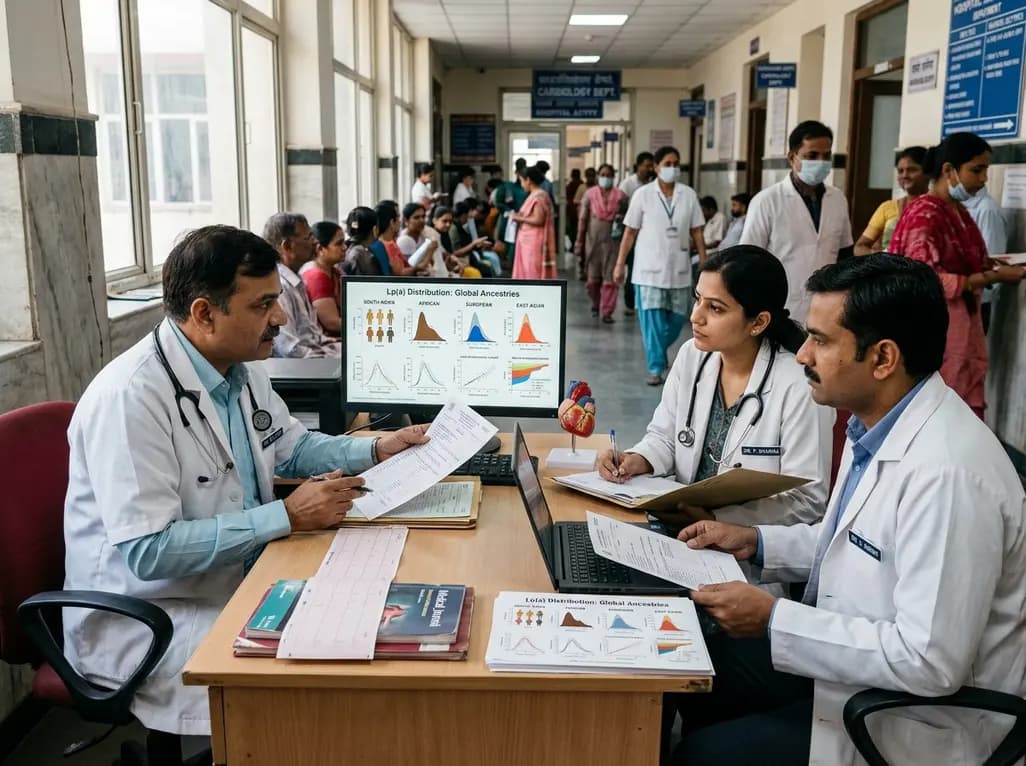
Atherosclerotic cardiovascular disease guidelines often rely on European-derived lipoprotein(a) cutoffs. However, baseline Lp(a) levels vary widely across ancestries, including South Asians and Africans. Clinicians must interpret Lp(a) values within overall absolute cardiovascular risk.
Last week
