.webp&w=384&q=75)

Loading, please wait...
Loading, please wait...
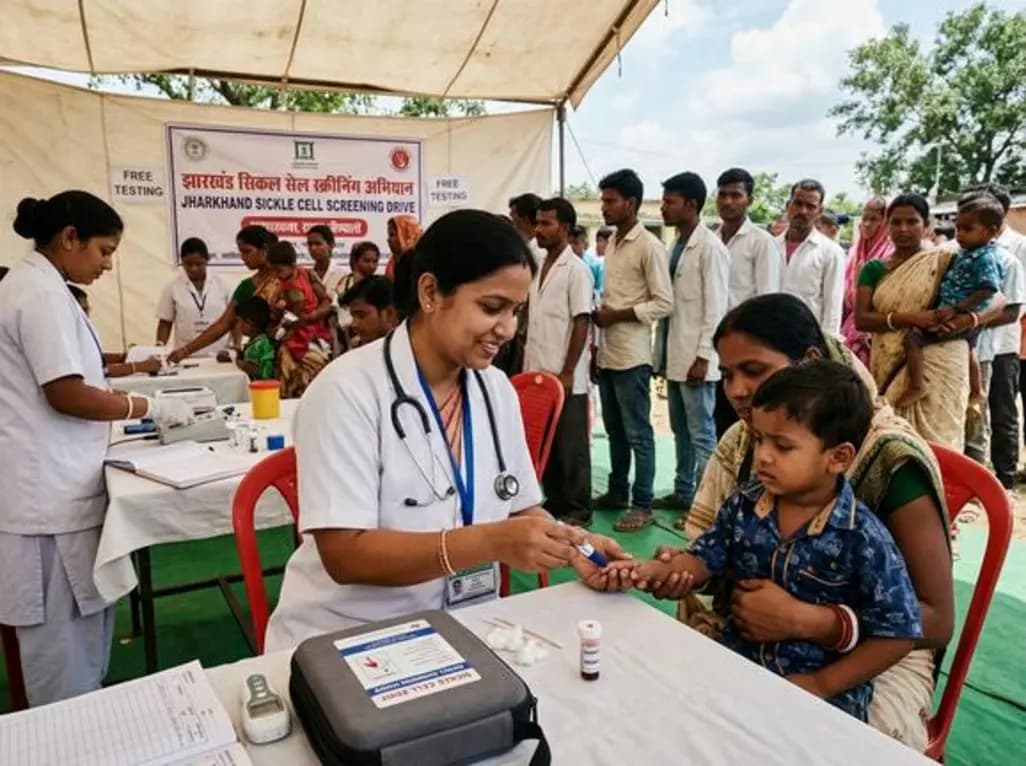
The Jharkhand state government will soon launch a massive healthcare initiative to target genetic blood disorders. Specifically, the state will implement a statewide campaign focusing on sickle cell anaemia to detect and manage cases early. During a recent event at Ranchi Sadar Hospital to observe World Sickle Cell Awareness Day, health officials emphasized the need for widespread diagnostic efforts. Consequently, this initiative will provide accessible, free testing to highly vulnerable demographics across all districts.
According to the state chapter of the National Health Mission, the upcoming drive will prioritize children under five years of age. Additionally, individuals between 18 and 30 years old will receive screening free of charge. Although the exact timeline remains under development, authorities are finalizing the logistical details. Over the past year, healthcare workers have successfully screened approximately 27 lakh citizens. Through these massive efforts, clinicians identified 3,315 gene carriers and 2,099 active patients between 2023 and 2025. Therefore, expanding the program represents a critical next step to control the disease.
To support affected individuals, the government is providing free blood transfusions at public facilities. Furthermore, Ranchi civil surgeon Dr. Prabhat Kumar noted that community health centers offer screening services without cost. To prevent complications, the state has integrated sickle cell screening into routine antenatal care for pregnant women. This strategic step enables early risk identification and ensures timely counseling. However, public participation remains essential to completely eradicate this hereditary disorder. Consequently, doctors strongly advocate for premarital testing to protect future generations.
Q1: Who is eligible for free sickle cell testing under this new campaign?
A1: The upcoming campaign in Jharkhand will provide free testing for children under five years of age and individuals between the ages of 18 and 30.
Q2: Why is antenatal screening for sickle cell anaemia crucial?
A2: Antenatal screening helps identify genetic risks early in pregnancy, allowing clinicians to offer appropriate counseling and disease management to expectant mothers.
Q3: How does premarital testing help control sickle cell disease?
A3: Since sickle cell disease is genetic and inherited, premarital testing helps couples understand their carrier status, preventing the transmission of the gene to future generations.
Disclaimer: This content is for informational and educational purposes only. It does not constitute medical advice or replace professional judgment. Refer to the latest local and national guidelines for clinical practice.
References

Read summarized clinical updates, watch expert medical content, and earn CME certifications right from your smartphone.
Open your smartphone camera to scan and install.





The Jharkhand government announced a statewide screening campaign for sickle cell anaemia. It will offer free testing for children under five and young adults aged 18 to 30. Nodal officer Dr. Pramod Kumar Sinha highlighted that the initiative aims to reduce the genetic disease's burden through early detection.
4 months ago
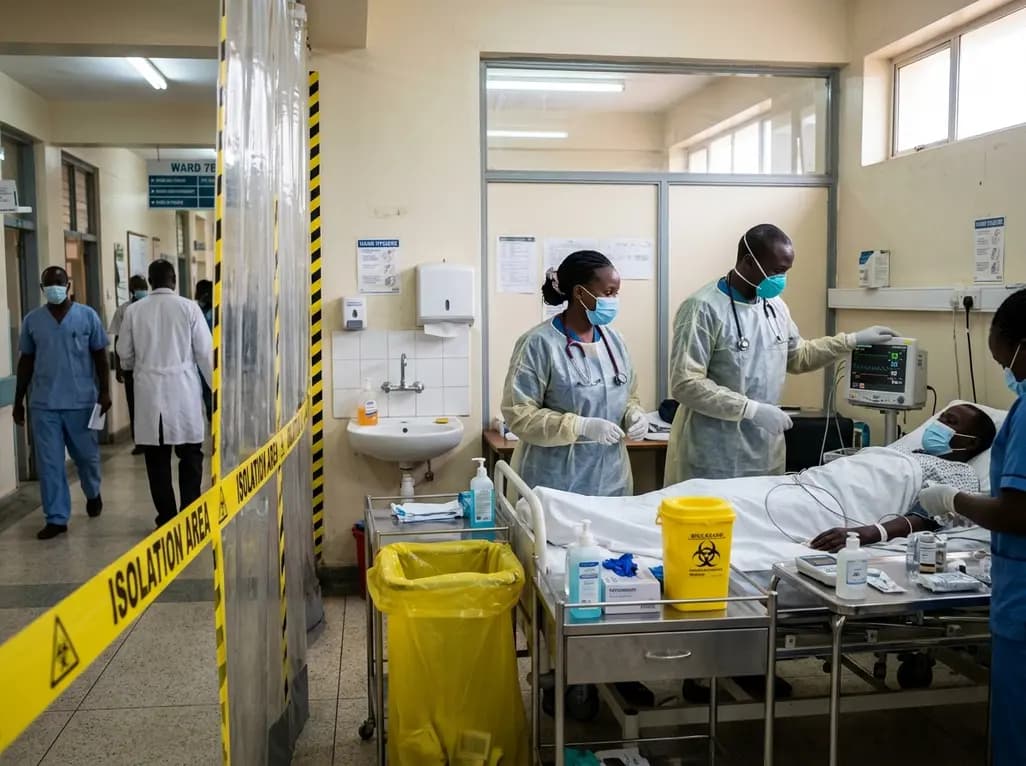
Kenya's confirmation of its eighth Ebola infection highlights the acute risk of secondary transmission in hospital environments. Clinicians must maintain high vigilance, enforce strict infection prevention protocols, and implement rapid triage mechanisms for viral hemorrhagic fevers across healthcare settings.
3 days back
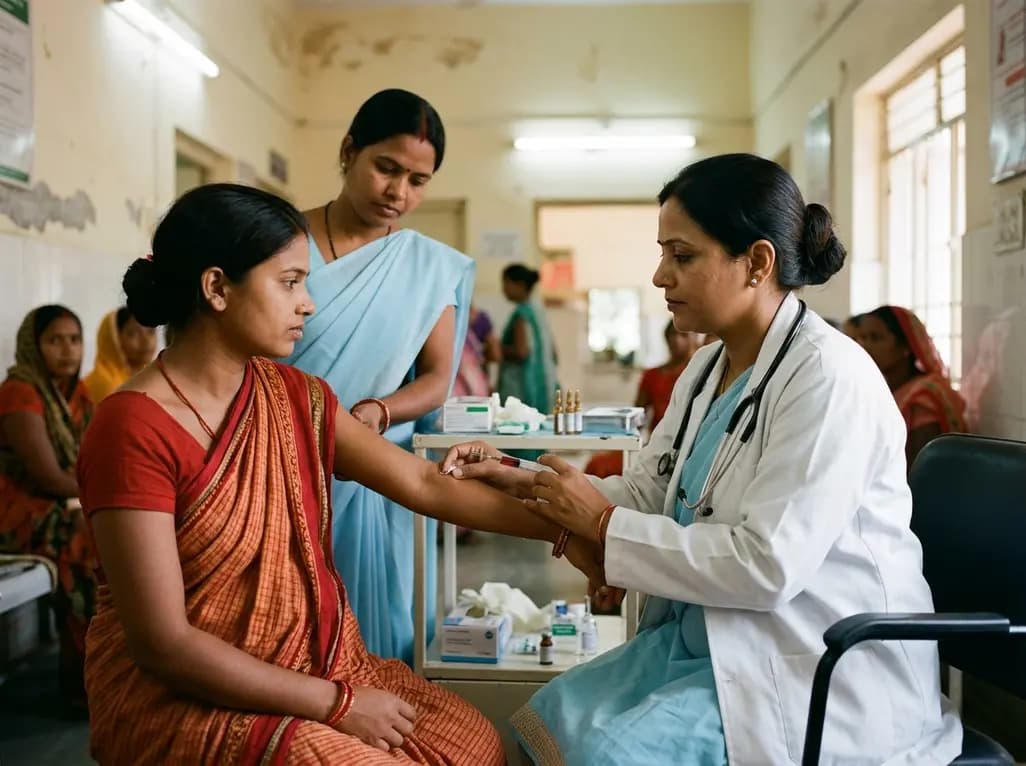
Maternal anaemia contributes to nearly half of pregnancy-related fatalities across India. To prevent complications, Uttar Pradesh has added single-dose parenteral iron to its essential medicines list. This clinical transition aims to restore haemoglobin rapidly and protect high-risk mothers across rural facilities.
Last week
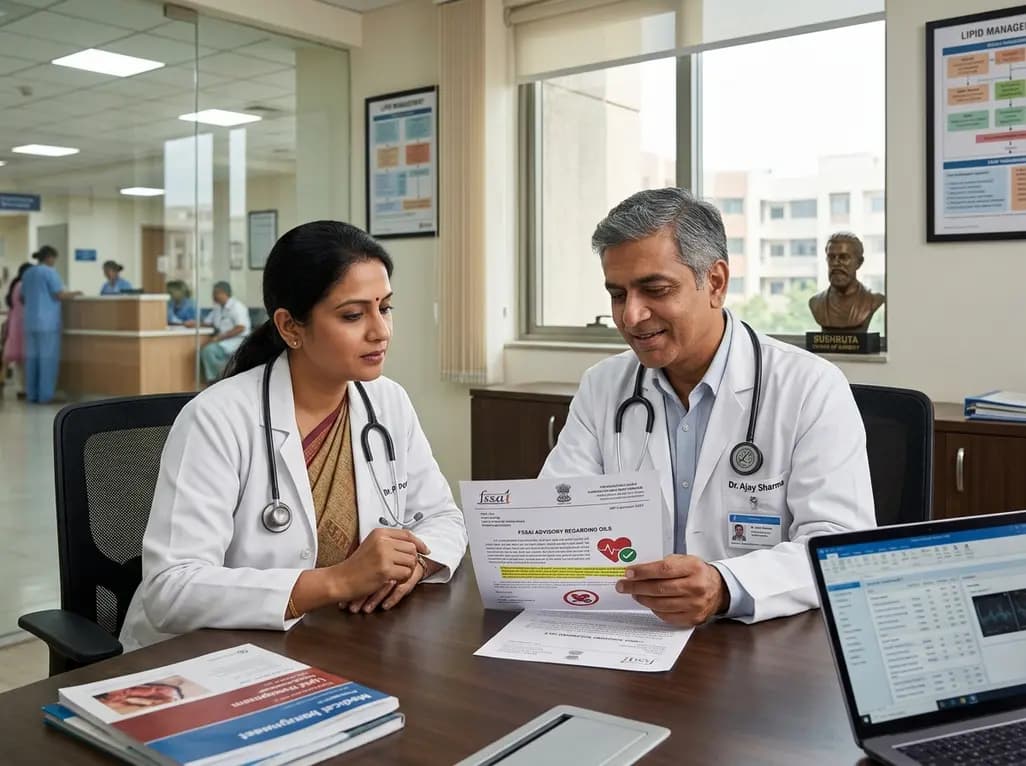
India's food safety authority FSSAI has issued show-cause notices to Gemini Edibles, BigBasket, and Flipkart for unpermitted cardiovascular claims regarding Freedom Rice Bran Oil. This regulatory move highlights the strict enforcement of advertising standards and the clinical necessity of evidence-based lipid care.
5 days back

The state government is deploying helicopter emergency medical services across the Mumbai-Pune Expressway, Samruddhi Mahamarg, and Mumbai-Goa Highway. This initiative establishes unified standard operating procedures to enable rapid triage, advanced prehospital resuscitation, and seamless trauma care transfers.
Last week
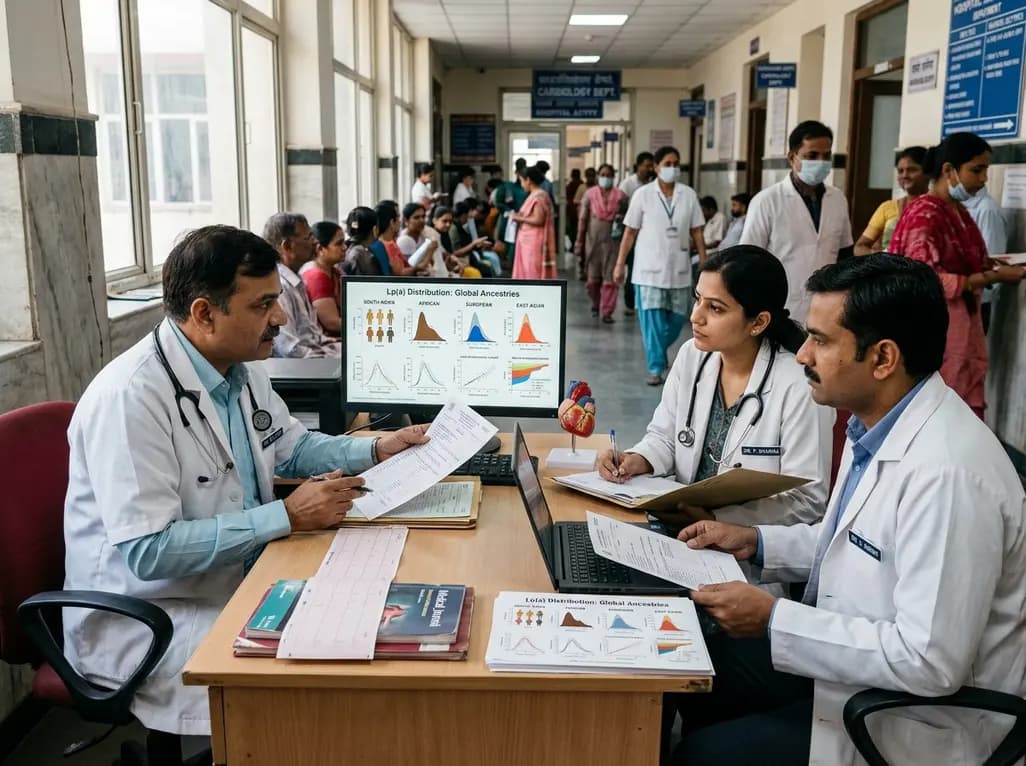
Atherosclerotic cardiovascular disease guidelines often rely on European-derived lipoprotein(a) cutoffs. However, baseline Lp(a) levels vary widely across ancestries, including South Asians and Africans. Clinicians must interpret Lp(a) values within overall absolute cardiovascular risk.
Last week
