

Loading, please wait...
Loading, please wait...

The investigator-initiated, open-label OPTIMAL-STROKE trial randomized 4,368 patients with previous ischemic stroke or transient ischemic attack at 30 sites in Brazil to a systolic blood pressure target below 120 mm Hg or below 140 mm Hg, with outcomes adjudicated by a blinded committee. The primary outcome was a composite of cardiovascular death, nonfatal myocardial infarction, nonfatal stroke, or hospitalization for unstable angina or heart failure. Over a median follow-up of 3.9 years, mean systolic pressure was 122.0 mm Hg in the intensive group and 135.2 mm Hg in the standard group. A primary outcome event occurred in 236 patients (10.9%) with intensive treatment and 297 (13.5%) with standard treatment (HR 0.79; 95% CI 0.67–0.94). The number needed to treat to prevent one primary event was 38, while the number needed to harm for a composite renal outcome was 59. The investigators concluded that targeting a systolic pressure below 120 mm Hg reduced major cardiovascular events after ischemic stroke or TIA, and that achieving this safely requires medical supervision and monitoring of kidney function.

Read summarized clinical updates, watch expert medical content, and earn CME certifications right from your smartphone.
Open your smartphone camera to scan and install.





The investigator-initiated, open-label OPTIMAL-STROKE trial randomized 4,368 patients with previous ischemic stroke or transient ischemic attack at 30 sites in Brazil to a systolic blood pressure target below 120 mm Hg or below 140 mm Hg, with outcomes adjudicated by a blinded committee. The primary outcome was a composite of cardiovascular death, nonfatal myocardial infarction, nonfatal stroke, or hospitalization for unstable angina or heart failure. Over a median follow-up of 3.9 years, mean systolic pressure was 122.0 mm Hg in the intensive group and 135.2 mm Hg in the standard group. A primary outcome event occurred in 236 patients (10.9%) with intensive treatment and 297 (13.5%) with standard treatment (HR 0.79; 95% CI 0.67–0.94). The number needed to treat to prevent one primary event was 38, while the number needed to harm for a composite renal outcome was 59. The investigators concluded that targeting a systolic pressure below 120 mm Hg reduced major cardiovascular events after ischemic stroke or TIA, and that achieving this safely requires medical supervision and monitoring of kidney function.
Today
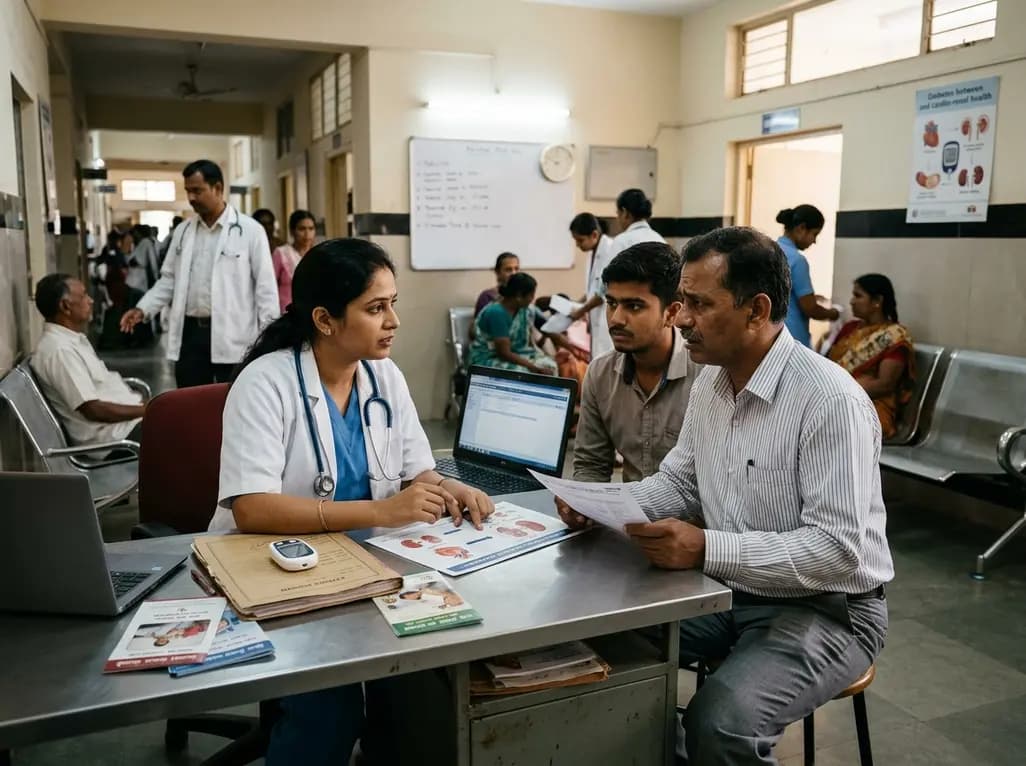
India faces a massive diabetes burden with over 89 million adults affected. Managing blood sugar in isolation fails to prevent severe cardiorenal complications. Clinicians must adopt an integrated metabolic ecosystem that prioritizes early detection, multifactorial risk assessment, and personalized therapies.
5 days back
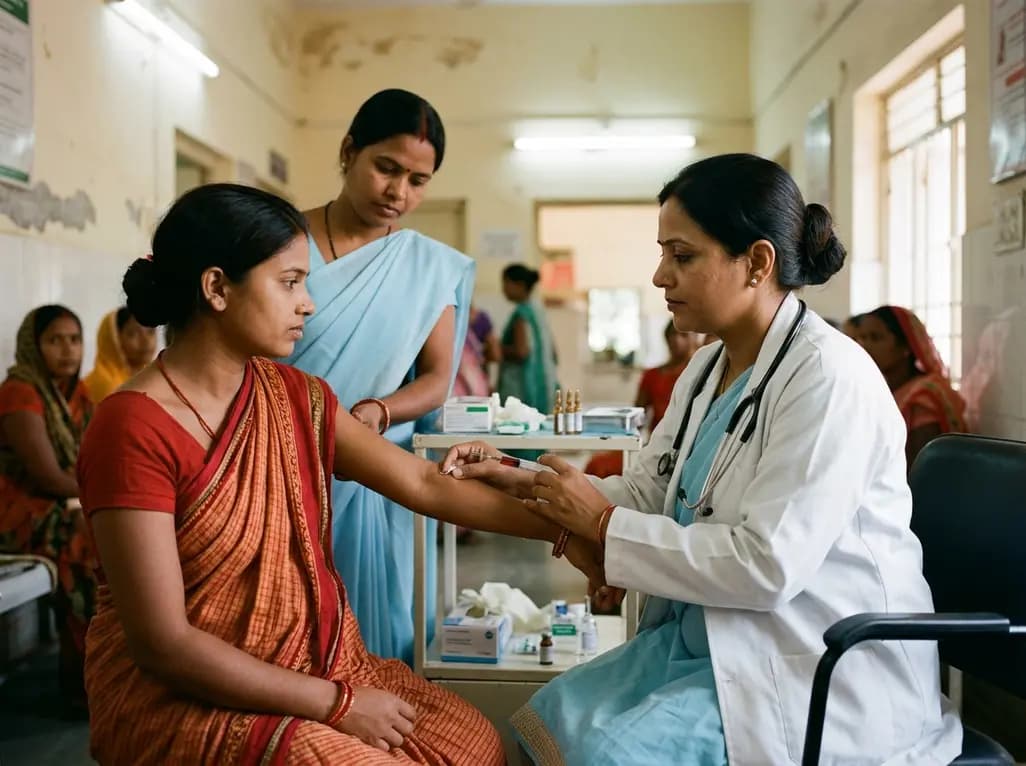
Maternal anaemia contributes to nearly half of pregnancy-related fatalities across India. To prevent complications, Uttar Pradesh has added single-dose parenteral iron to its essential medicines list. This clinical transition aims to restore haemoglobin rapidly and protect high-risk mothers across rural facilities.
last month

India's food safety authority FSSAI has issued show-cause notices to Gemini Edibles, BigBasket, and Flipkart for unpermitted cardiovascular claims regarding Freedom Rice Bran Oil. This regulatory move highlights the strict enforcement of advertising standards and the clinical necessity of evidence-based lipid care.
4 weeks back

The state government is deploying helicopter emergency medical services across the Mumbai-Pune Expressway, Samruddhi Mahamarg, and Mumbai-Goa Highway. This initiative establishes unified standard operating procedures to enable rapid triage, advanced prehospital resuscitation, and seamless trauma care transfers.
last month

Atherosclerotic cardiovascular disease guidelines often rely on European-derived lipoprotein(a) cutoffs. However, baseline Lp(a) levels vary widely across ancestries, including South Asians and Africans. Clinicians must interpret Lp(a) values within overall absolute cardiovascular risk.
last month
